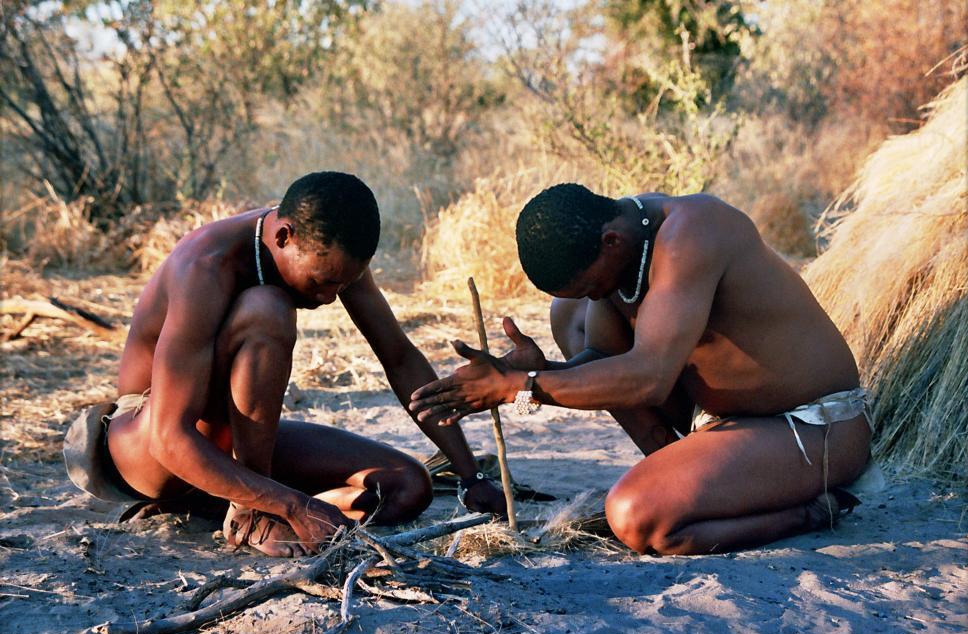
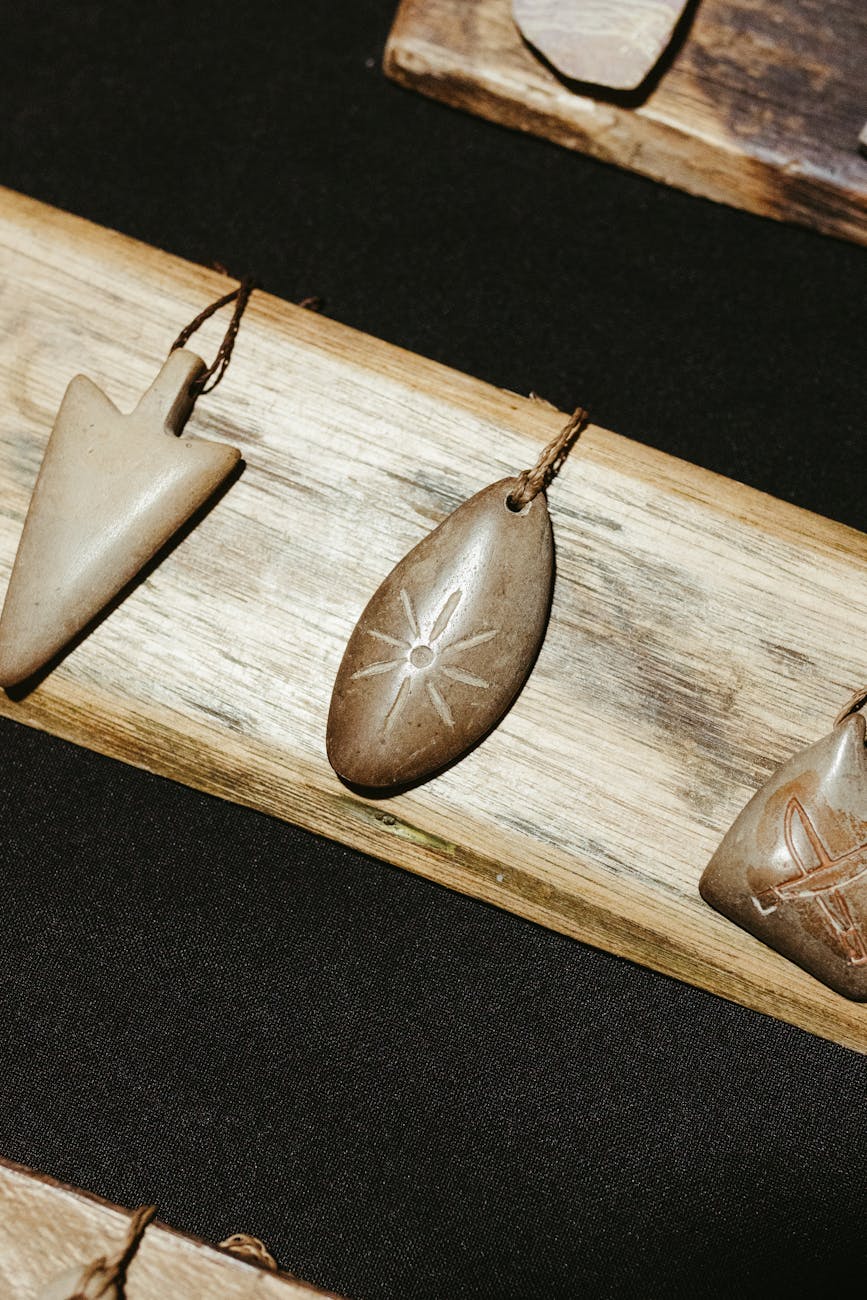
The Neolithic marks one of the biggest turning points in human prehistory. Earlier humans had lived for vast stretches of time as hunter-gatherers, moving across landscapes in search of food and resources. In the Neolithic, that pattern began to change. Farming appeared, animals were domesticated, and many communities became more settled. This shift is often called the Neolithic Revolution because it reshaped daily life so deeply.
The word Neolithic means “New Stone Age.” In some parts of the Middle East it began around 10,200 BCE, while in other parts of the world it started later. Even though people were still using stone tools, this was a very different world from the earlier Stone Age. The Neolithic laid down many of the foundations that later historical cultures would build on.
Watch the story on DeepSwipe
Why farming changed everything
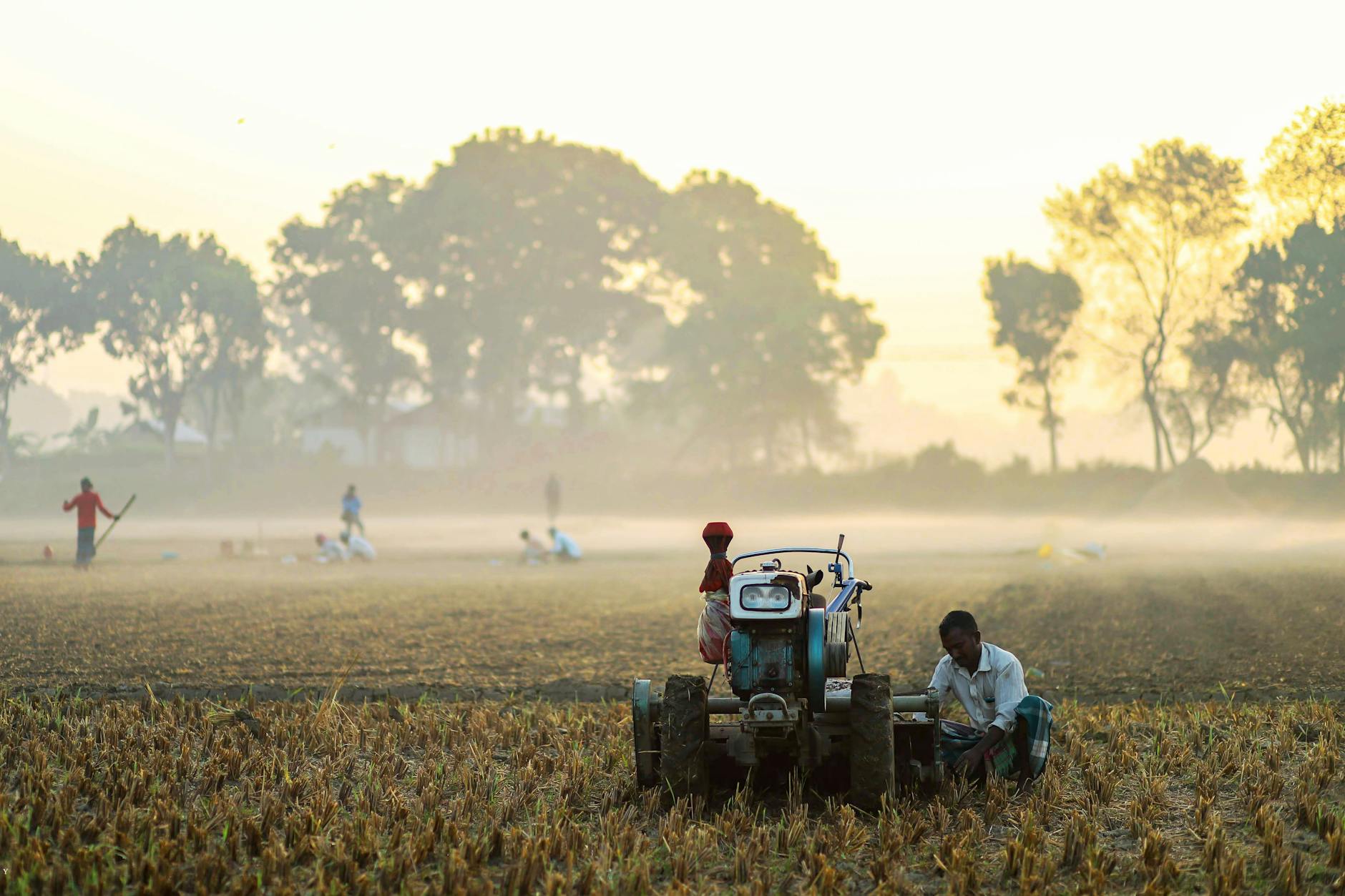
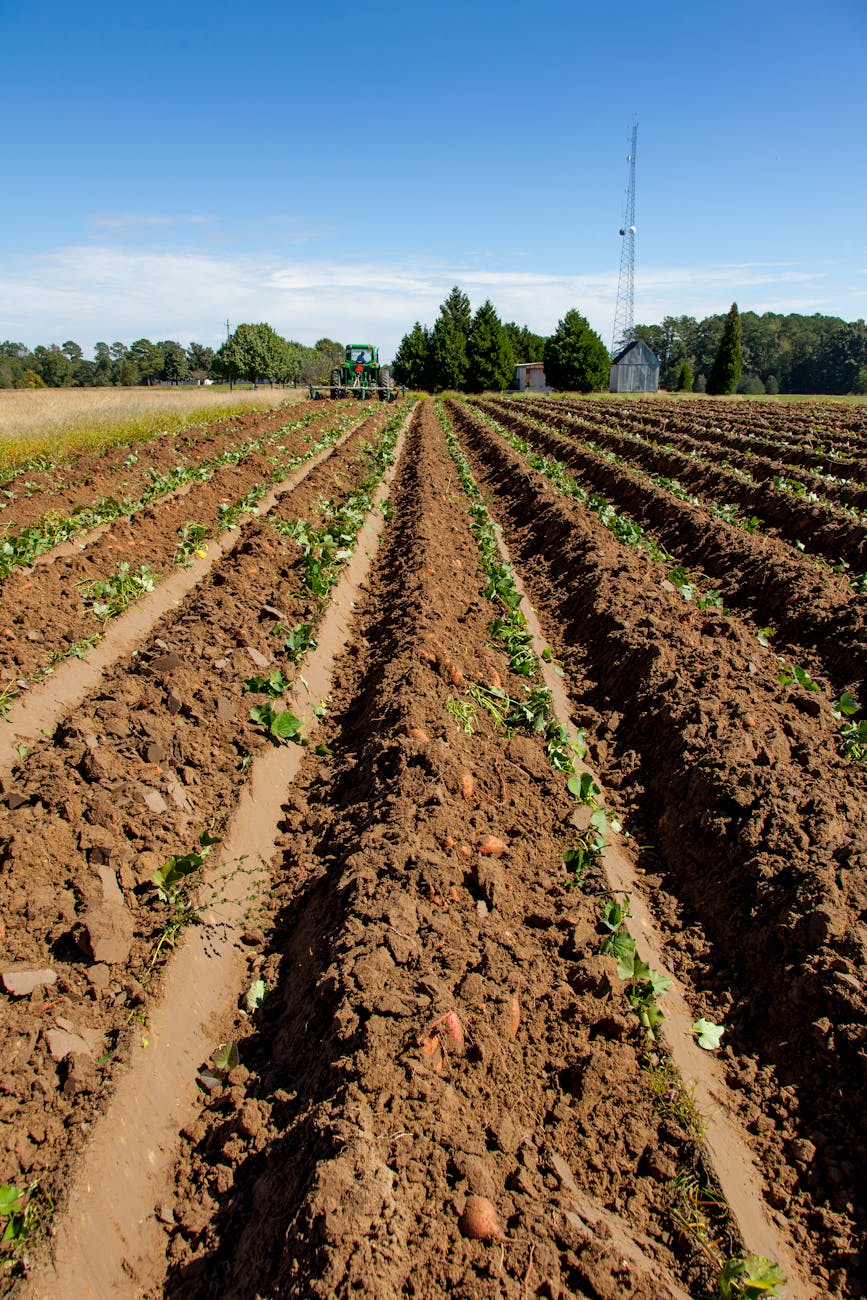
The defining feature of the Neolithic is the beginning of farming. Instead of depending entirely on wild plants and hunted animals, people began to cultivate crops and manage herds. This was not just a new food source. It changed how people lived, where they lived, and how they organized their societies.
Early Neolithic farming was limited to a fairly narrow range of plants. These included einkorn wheat, millet, and spelt. People also kept domesticated animals such as dogs, sheep, and goats. By about 6,900–6,400 BCE, domesticated cattle and pigs had been added as well.
Agriculture made it possible for people to remain in one place for longer periods, or settle permanently. That is a major break from the mobile lifestyle typical of earlier prehistoric communities. Once people stayed put, they could build villages, store supplies, manage animals, and create more durable tools and containers for everyday life.

From camps to villages
One of the most visible signs of the Neolithic farming revolution is the rise of permanent settlements. Villages became a normal part of life in many areas. These were more than temporary camps. They were places where families lived, worked, stored goods, and buried their dead.
Some of the earliest settlements had circular mudbrick houses with a single room. Mudbrick is exactly what it sounds like: bricks formed from mud and dried for building. Later settlements often used rectangular mud-brick houses where families could live in one or several rooms. That shift suggests a growing complexity in domestic life and settlement planning.
Some villages had surrounding stone walls. These walls could help protect domesticated animals and keep out hostile groups. That detail gives a glimpse into a changing world: once people had herds, houses, and stored food, they had more to defend.
The Neolithic period also saw the development of early villages on a wider scale, along with the social habits needed to keep settled communities functioning. Living close together in permanent communities would have required cooperation, shared labor, and systems for handling resources and conflict.
Domesticated animals and a new way of living
Animal domestication was another key element of the Neolithic transformation. Dogs, sheep, and goats were part of early Neolithic life, and later cattle and pigs joined them. Domestication means that humans bred and managed these animals over time rather than simply hunting them in the wild.
This change affected food, labor, security, and settlement design. Animals needed to be fed, protected, and enclosed, which helps explain why some settlements had defensive walls. Herding also tied people more closely to specific landscapes and seasonal routines.
As farming and herding spread, people were no longer just adapting to nature in the same old ways. They were increasingly reshaping their environments to support settled life.
Pottery, tools, and everyday technology
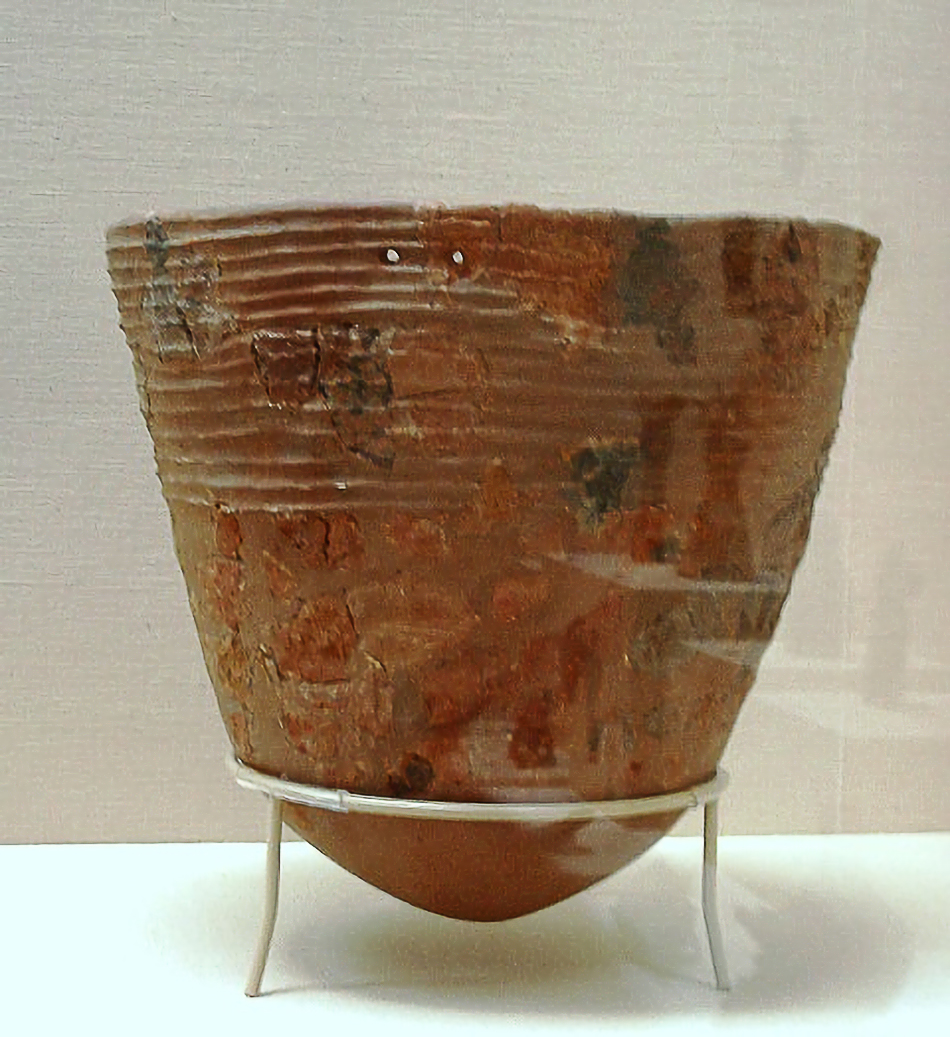
The Neolithic was not only about crops and livestock. It was also a period of major technological and social development. Pottery became part of life in settled communities. Pottery was especially useful in a world where people needed to store grain, carry water, and prepare food in more permanent households.
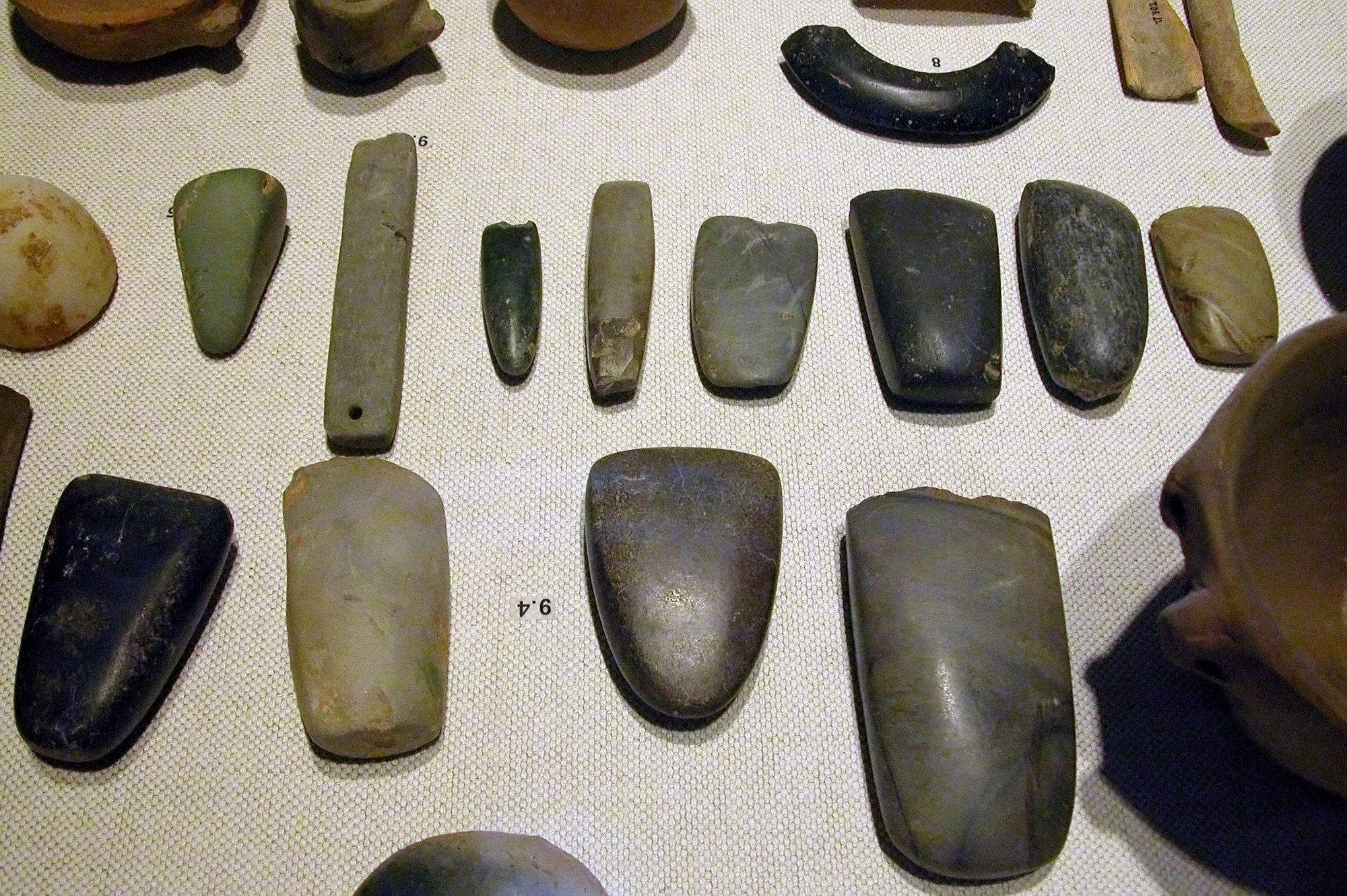
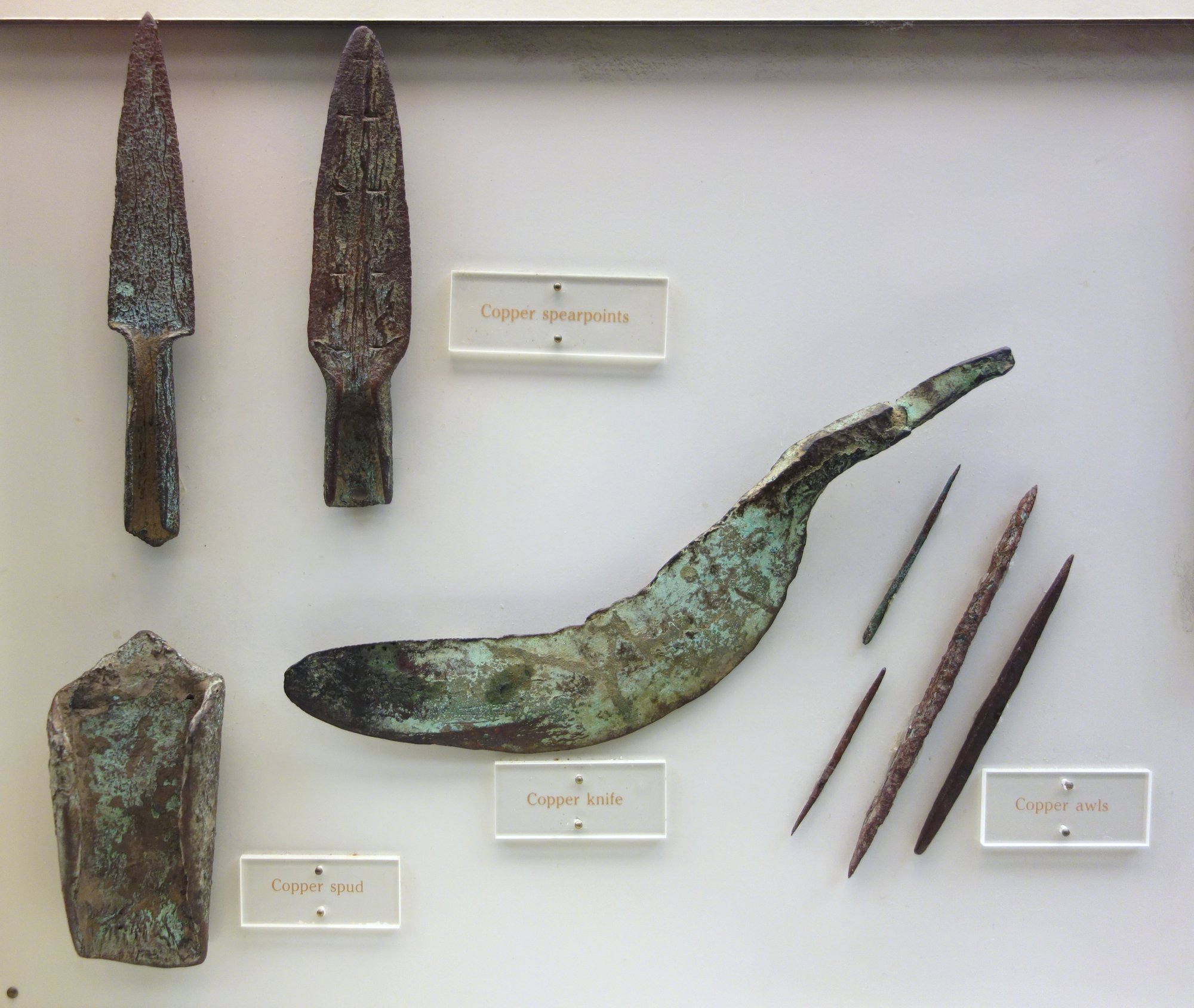
Tools also remained central to Neolithic life. Although metal tools would become widespread later, the Neolithic still belongs to the Stone Age. Its end came only when metal tools became common in the Copper Age, Bronze Age, or in some regions the Iron Age.
Archaeological finds suggest that most clothing was probably made from animal skins. This is indicated by large numbers of bone and antler pins, which were well suited for fastening leather. In the later Neolithic, wool cloth and linen may have become available. Evidence for this includes perforated stones that may have served as spindle whorls or loom weights, both associated with making thread or woven fabric.
Early social complexity
The Neolithic established many of the basic elements of later cultures. Farming and permanent settlement are the obvious ones, but the social changes may have been just as important. The era saw the establishment of early chiefdoms.
A chiefdom is a society led by a powerful chief rather than a king. It is more organized than a small, simple village community, but not yet a full state. Some late Eurasian Neolithic societies became complex stratified chiefdoms, meaning they had clearer social ranks and more layered power structures.
Even so, most Neolithic societies were relatively simple and egalitarian overall. Egalitarian means that people had a more equal social standing compared with the highly stratified states and empires that would appear later. So the Neolithic was a period of transition: some communities were still fairly equal, while others were already becoming more socially complex.
Belief, burial, and the dead
Neolithic life was not only practical. It also included important ritual and symbolic dimensions. Burial findings suggest the presence of an ancestor cult in some communities, including preserved skulls of the dead. An ancestor cult is a system of belief or ritual focused on deceased forebears, treating them as socially or spiritually important to the living.
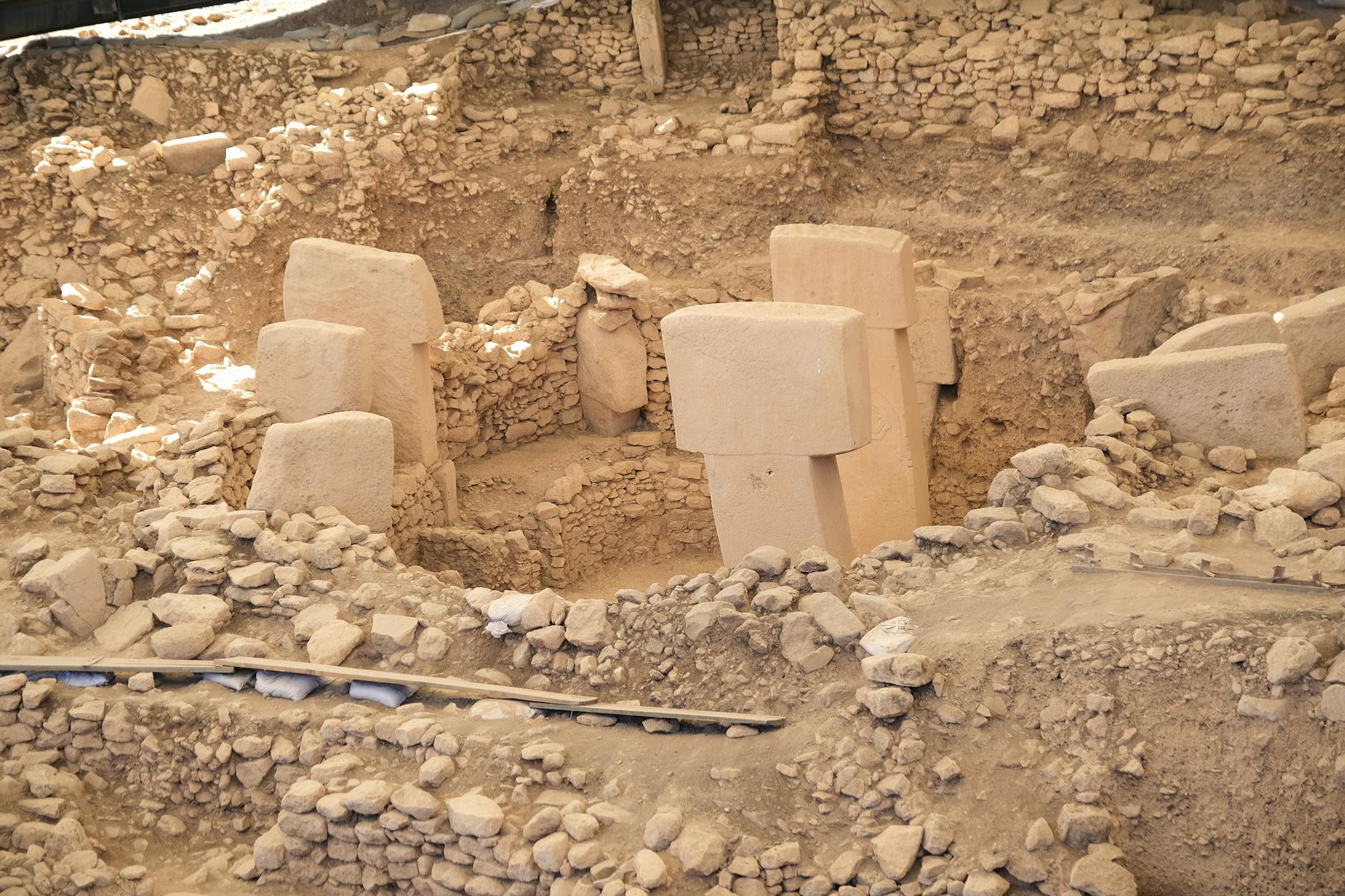
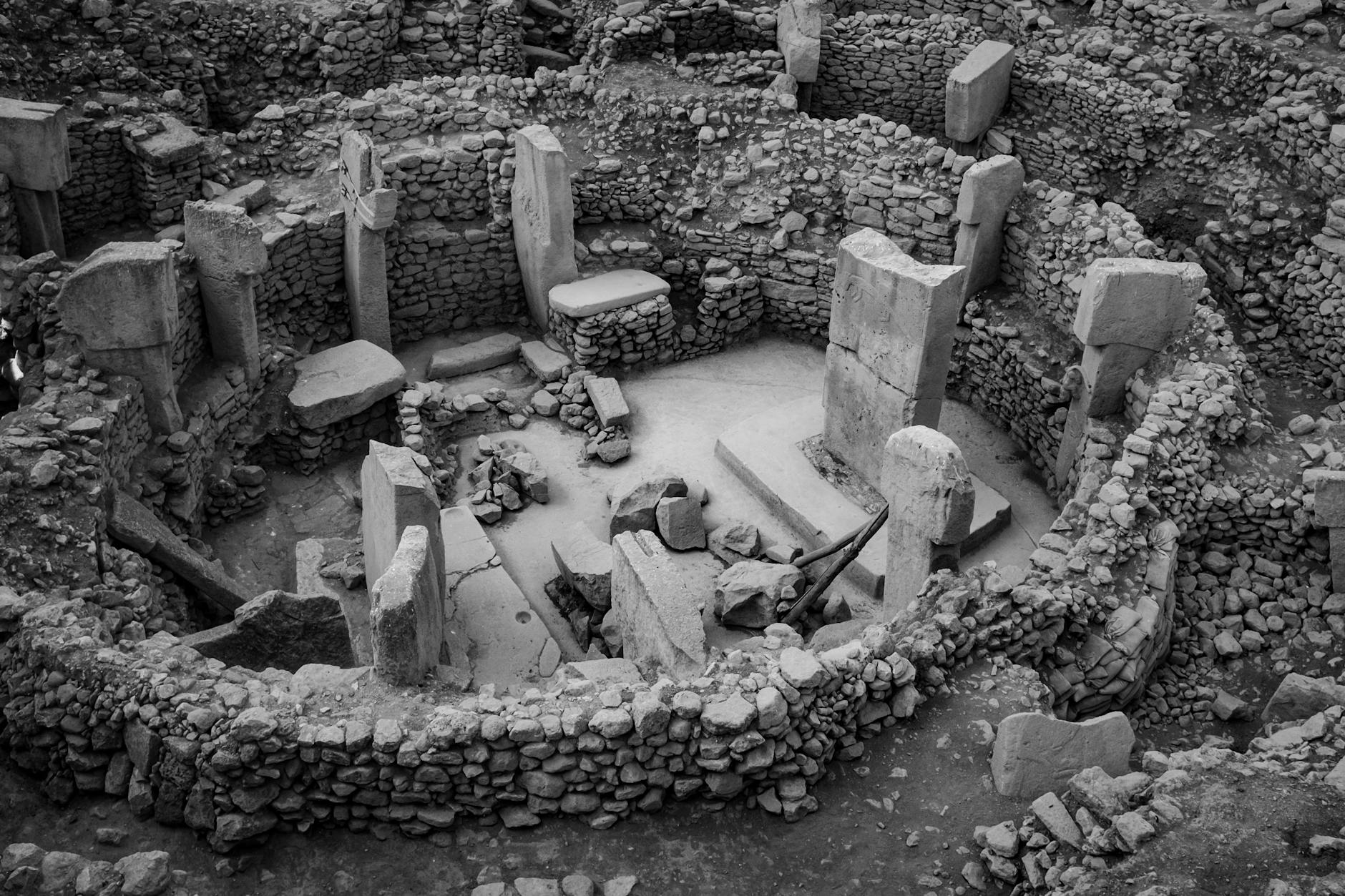
Monumental building also appears in the Neolithic. The megalithic temple complexes of Ġgantija are noted for their gigantic structures. “Megalithic” refers to monuments made with very large stones. Such structures show that some communities could organize substantial labor and shared effort, which hints at increasingly coordinated social life.
There is also a striking claim associated with the Vinča culture: it may have created the earliest system of writing. Even if states had not yet emerged in most Neolithic societies, the period was already generating behaviors and institutions that point toward later civilization.
Conflict in the first farming world
The Neolithic is sometimes imagined as a peaceful age of simple villages, but the evidence is more complicated. The period saw the onset of the earliest recorded incidents of warfare. That matters because settled life created new pressures. Permanent homes, stored food, domesticated animals, and farmland all introduced resources worth defending or raiding.
Stone walls around settlements make even more sense in that light. They were not just practical barriers. They may also reflect a world in which competition and conflict had become more serious as communities became rooted to place.
A revolution with different timelines
The Neolithic did not begin or end everywhere at the same time. In some parts of the Middle East it began early, while in other parts of the world similar developments came later. That uneven timing is a reminder that prehistory was never one single, uniform human story.
The broader prehistoric timeline varies by region because writing also appeared at different times. In some places prehistory ended much earlier than in others. But across those different regions, the Neolithic stands out as the age when many communities began moving toward farming, village life, animal domestication, and more complex social structures.
Why the Neolithic still matters
The Neolithic farming revolution helped create the world that later civilizations inherited. Permanent settlements, domesticated animals, food production, pottery, early villages, and chiefdoms all belong to this era. So do some of the first signs of organized conflict and large communal building projects.
In other words, the Neolithic was not just the “later Stone Age.” It was the period when human life started to be reorganized around fields, villages, households, herds, and local power. Long before great empires and written records dominated history, the groundwork was already being laid in mudbrick homes, walled settlements, and the first farming communities.