In 1943 and 1944, Azad Hind and the Indian National Army briefly turned a political dream into a military campaign. The Provisional Government of Free India, established in Singapore in October 1943 under Subhas Chandra Bose, was tied closely to the fortunes of the Indian National Army, or INA. Together, they aimed to fight British rule in India during World War II by advancing from Southeast Asia toward India’s eastern frontier.
For a short time, that push seemed to gather real momentum. INA forces, fighting alongside Japan, moved through the Imphal-Kohima sector on the India-Burma front and even captured territory at Moirang in Manipur. But the campaign that looked daring in theory collapsed under the realities of war: failed sieges, overstretched supply lines, torrential rain, and overwhelming Allied air power.
Watch the story on DeepSwipe
What Azad Hind Was
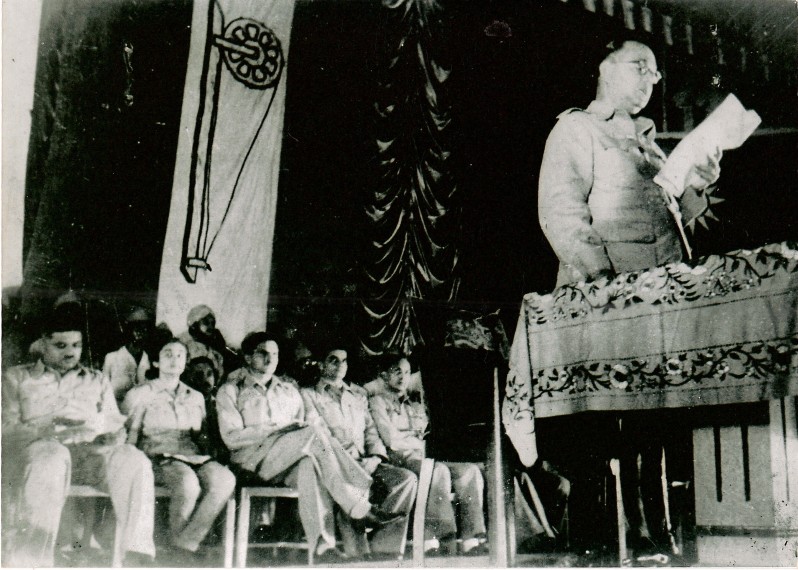
Azad Hind was a provisional government founded on 21 October 1943 in Japanese-occupied Singapore. A provisional government is a temporary political authority set up during an emergency or transitional period. In this case, it was created by Indian nationalists in exile who wanted to end British rule in India.
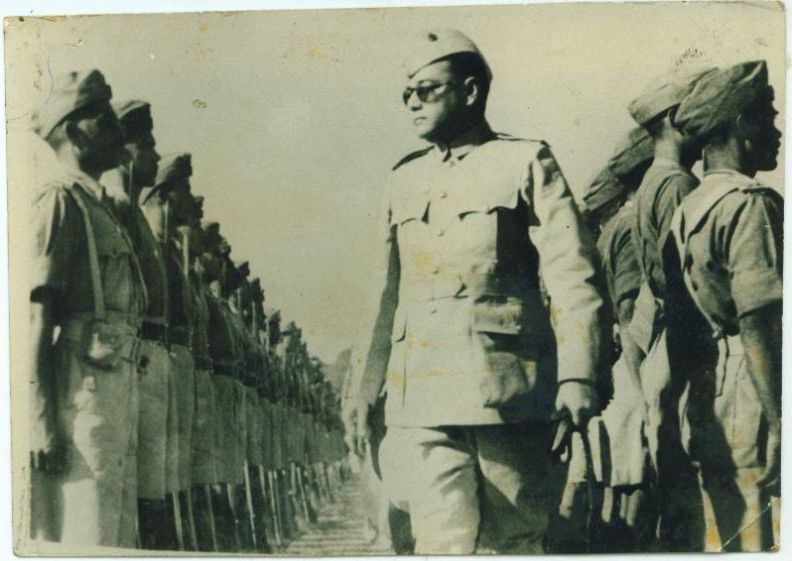
Subhas Chandra Bose was the central figure in this project. He served as head of state, prime minister, and minister for war and foreign affairs. The government claimed authority over Indian civilian and military personnel in parts of Southeast Asia and expected to govern Indian territory captured during the military advance. It even had its own currency, court, and civil code.
Yet Azad Hind remained deeply dependent on Japan for money, military support, and political backing. That dependence shaped everything that followed. The government’s military arm, the Indian National Army, became the main instrument through which Azad Hind tried to transform symbolism into action.

The INA: The Army Behind the Government
The Indian National Army was organized to fight British rule in India during World War II. Under Bose, the INA was reshaped into a more professional force with Japanese assistance. Its ranks included Indian civilians living in Japanese-occupied parts of Southeast Asia as well as Indian prisoners of war captured from British forces in places such as Singapore, Malaya, and Hong Kong.
Azad Hind and the INA were so closely linked that the life of the government was almost the same as the life of the army. As long as the INA could fight and move forward, Azad Hind had meaning as a wartime state. Once the army was beaten back, the government’s practical power shrank rapidly.
This was not simply a propaganda force. The INA fought in real campaigns against the British Indian Army and Allied forces on the Indo-Burma front. Its most important military effort came during the drive toward Imphal and Kohima.
Why Imphal and Kohima Mattered
The Imphal-Kohima sector was one of the crucial battle zones on the India-Burma front. Imphal, in eastern India, and Kohima, farther north, were strategically important because control of this region opened routes deeper into India.
The INA, fighting as part of the Japanese offensive, aimed to break British defenses there and continue advancing westward. Bose’s larger vision was dramatic: a march toward Delhi that would gather support and recruits along the way.
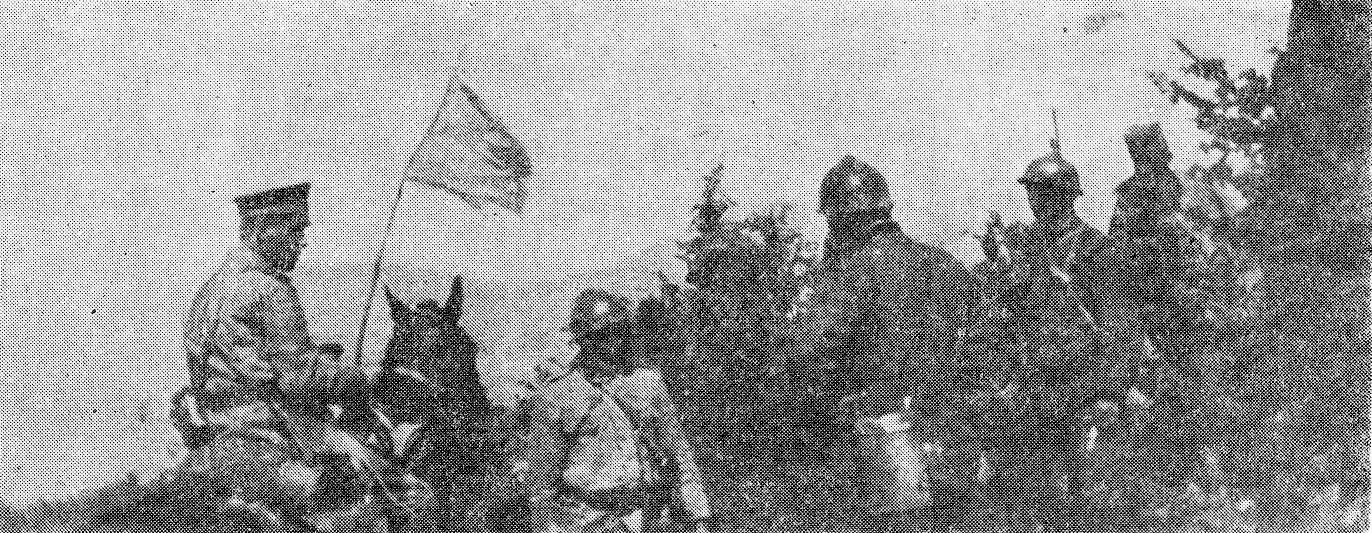
For a while, the offensive showed signs of success. The INA and Japanese forces breached British defenses in the Kohima area and pressed into Indian territory. This was the closest the Azad Hind project came to turning military action into a territorial challenge to British rule.
The Breakthrough at Moirang
One of the most striking moments of the campaign came at Moirang in Manipur. On 18 April 1944, a force led by Colonel Shaukat Malik broke through British defenses and captured the town. This gave Azad Hind control, however briefly, over a piece of Indian territory.
That mattered far beyond the map. Moirang became a symbol of the claim that Azad Hind and the INA were not merely operating from exile but had physically entered India and established a presence there.
The advance did not end at Moirang. Other INA columns pushed farther into India. One column under Colonel Gulzara Singh reportedly penetrated 250 miles into the country. The Azad Brigade advanced by outflanking Anglo-American positions, and the pressure created by these moves threatened British positions in places such as Silchar and Kohima.
For a moment, the campaign looked like it might force a major shift in the war on India’s eastern frontier.
Why the Advance Failed
The dramatic push into India did not last. The key turning point was the failure to capture Imphal. Once the siege of Imphal faltered, the entire offensive began to unravel.
Several factors drove the collapse.
First, Allied air dominance proved decisive. Air dominance means one side controls the skies strongly enough to disrupt enemy movement, supplies, and morale. British bombing reduced morale and made it much harder for the INA and Japanese forces to sustain the offensive.
Second, supply lines were badly compromised. A supply line is the route by which troops receive food, ammunition, fuel, medical support, and other essentials. Armies can advance only as long as those lifelines hold. In this case, reliance on Japanese logistics became a severe weakness. The INA’s most serious limitation was its dependence on Japanese supplies.
Third, torrential rain and the monsoon worsened everything. Roads and transport became harder to manage, and already fragile supply arrangements broke down further. The campaign toward Imphal became impossible to maintain under these conditions.
With Imphal holding out, the Japanese and INA forces were forced into retreat.
The Fast Decline of Azad Hind
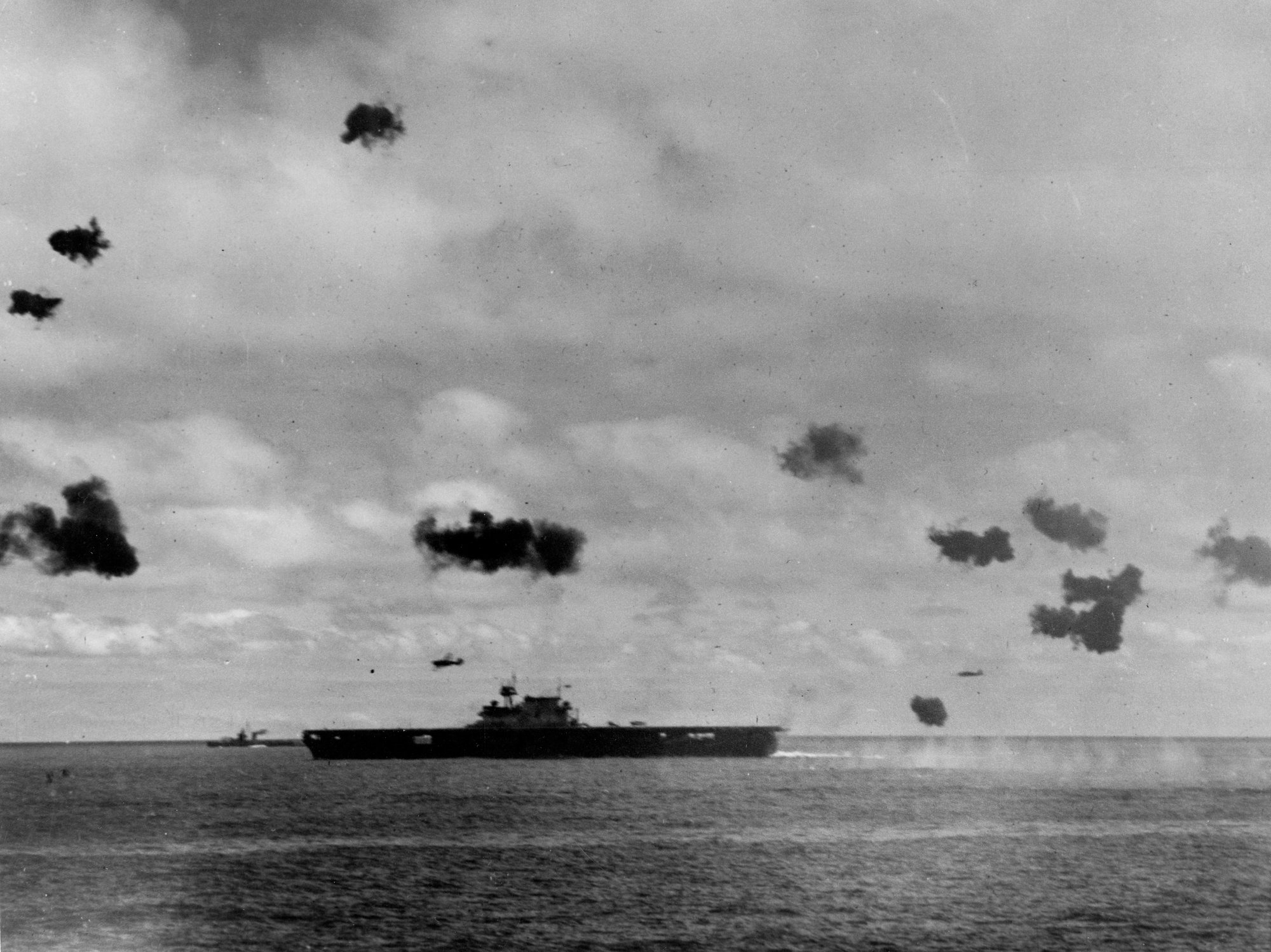
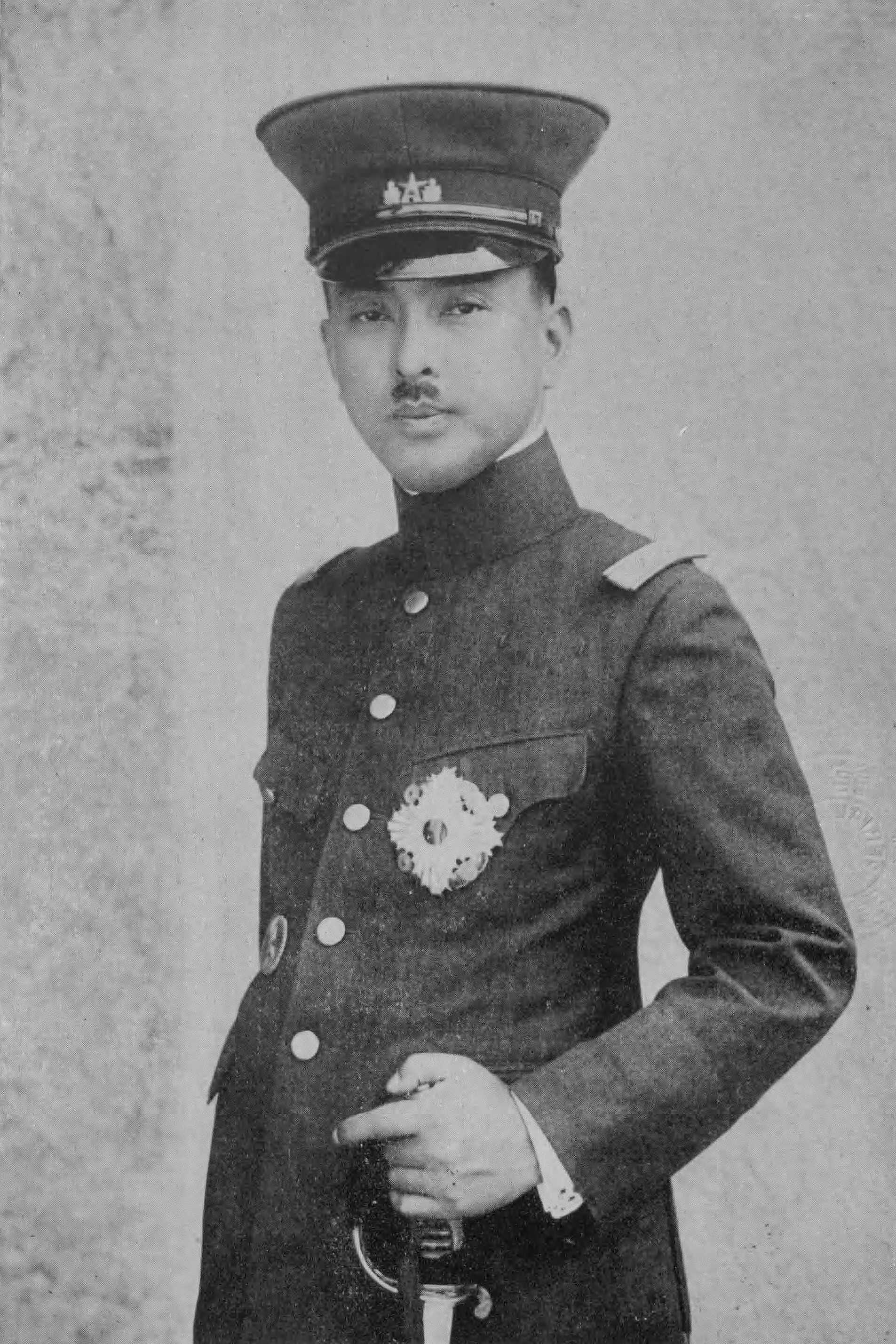
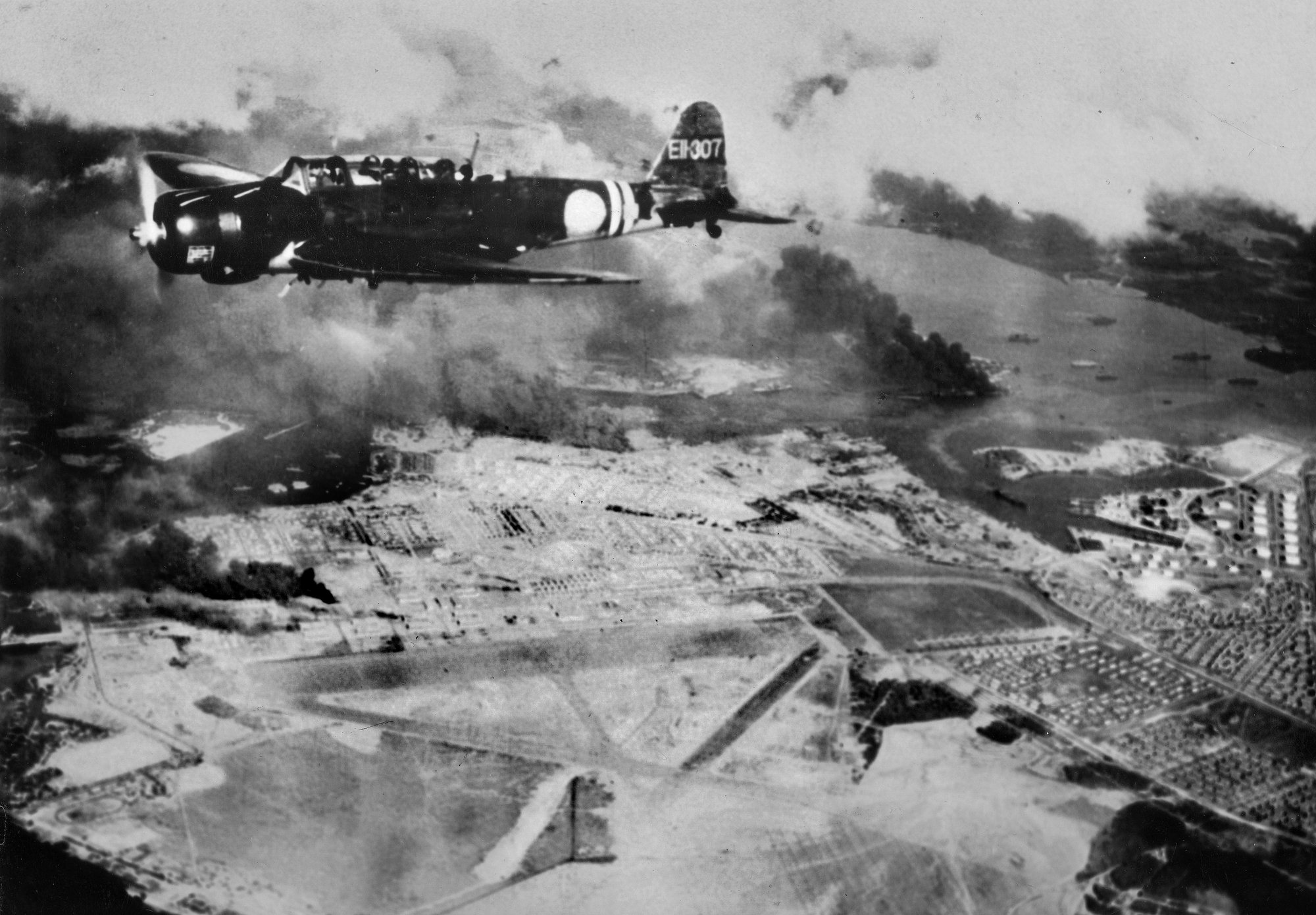
After the failure at Imphal, the strategic picture changed quickly. Japan began shifting resources away from South Asia toward the Pacific, where it faced advancing United States forces. That meant less support for Bose’s plans and less capacity to keep Azad Hind functioning.
As Japanese support weakened, so did the provisional government. Azad Hind had always depended on Japan, and when that support declined, its military and political future became bleak.
The final collapse came in 1945. The INA was defeated, and the British advance continued. Bose was urged to leave Burma and returned to Singapore before Rangoon fell. The government’s position in the Andaman and Nicobar Islands also collapsed when British troops retook them after defeating Japanese and Indian garrisons there.
Azad Hind ceased to exist with the destruction of the Axis war effort, the defeat of the INA, and the disappearance of Bose in 1945. The article notes that Bose was allegedly killed in a plane crash while departing from Taiwan and attempting to escape to the Soviet Union.
A Campaign Larger Than Its Lifespan
Azad Hind lasted only a short time, but its wartime campaign left a lasting controversy and legacy. During the war, British authorities treated the movement as collaboration with the Axis powers. After the war, however, perceptions shifted. The British grew alarmed that many people no longer saw INA veterans simply as traitors or collaborators, but as liberators.
That change in public feeling became especially important when INA officers were put on trial for treason. The British feared that trying them openly would inflame anti-British sentiment and trigger widespread protest and violence. In the end, opposition to the prosecutions became a major political issue.
The military march toward India had failed. The government behind it had collapsed. But for a brief and dramatic moment in World War II, Azad Hind and the INA had turned the eastern frontier into a stage for one of the boldest and most controversial challenges to British rule in India.