Quasars Too Big, Too Soon
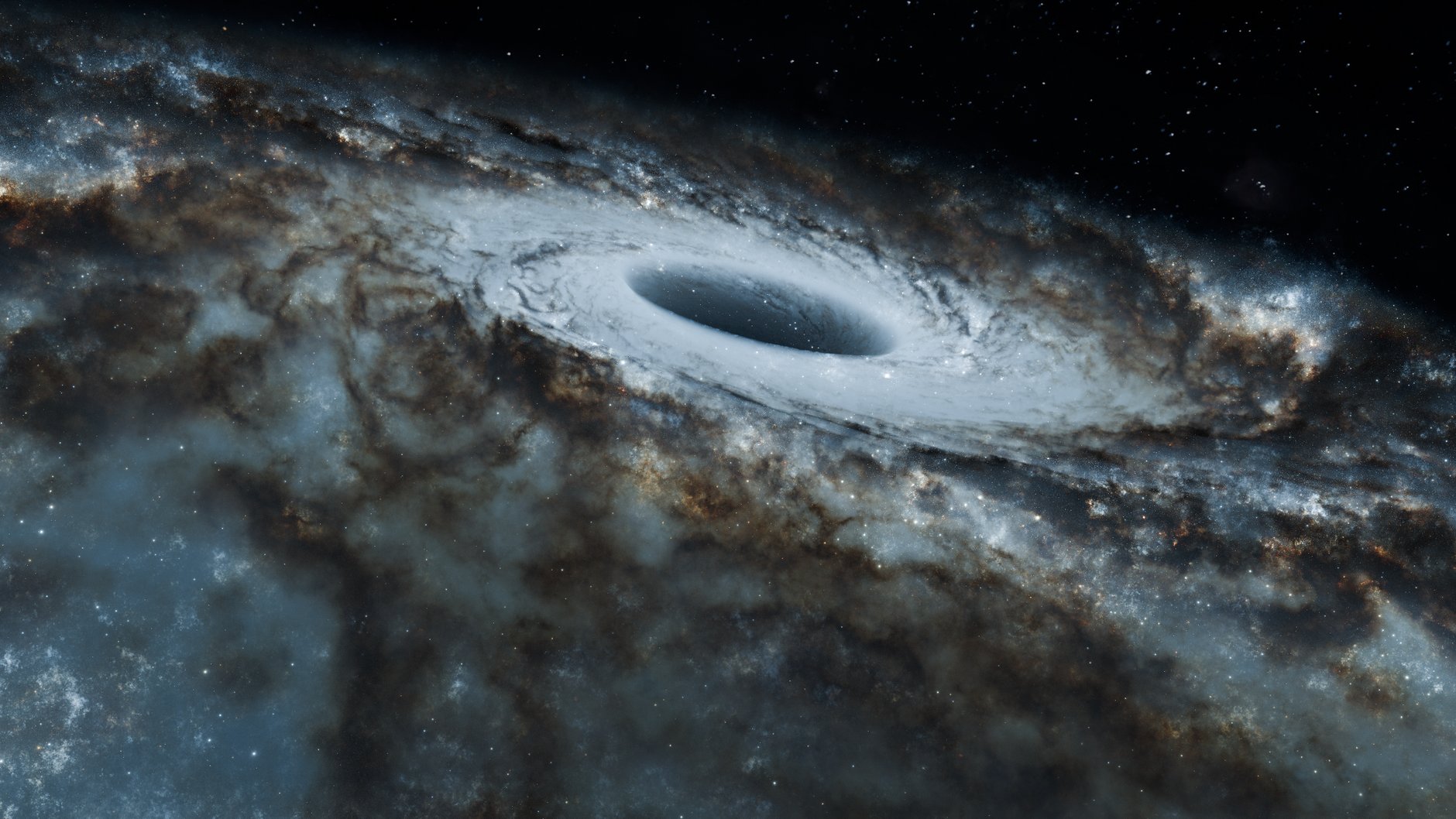
Telescopes peering deep into space see the universe as it was billions of years ago. At redshifts of 7 and beyond—less than a billion years after the Big Bang—astronomers have found ultraluminous quasars powered by supermassive black holes.
If these giants started as remnants of ordinary stars, they would need to grow extraordinarily fast, often beyond the traditional Eddington limit, to reach billions of solar masses so early. That challenge has sparked a flurry of ideas about their origins.
Seeds Beyond Normal Stars
One possibility is that early black holes merged repeatedly. Smaller holes left by massive population III stars, or by earlier mergers, could combine to build up mass.
Another proposal invokes direct‑collapse black holes: in the young universe, giant clouds of almost pure hydrogen might avoid fragmenting into many smaller stars if they had low angular momentum or were heated externally, perhaps by a nearby galaxy. Instead, a single supermassive star could form and then collapse directly into a black hole of around 100,000 solar masses—a big head start on becoming a quasar.
A third idea suggests that some of these supermassive holes could actually be high‑mass primordial black holes, born from density fluctuations in the very early universe and later grown by accretion and mergers in galactic centres.

Beating the Eddington Limit
Even with massive seeds, growth must be rapid. The Eddington limit describes the point where outward radiation pressure from accretion balances the inward pull of gravity, seemingly capping how fast a black hole can eat.
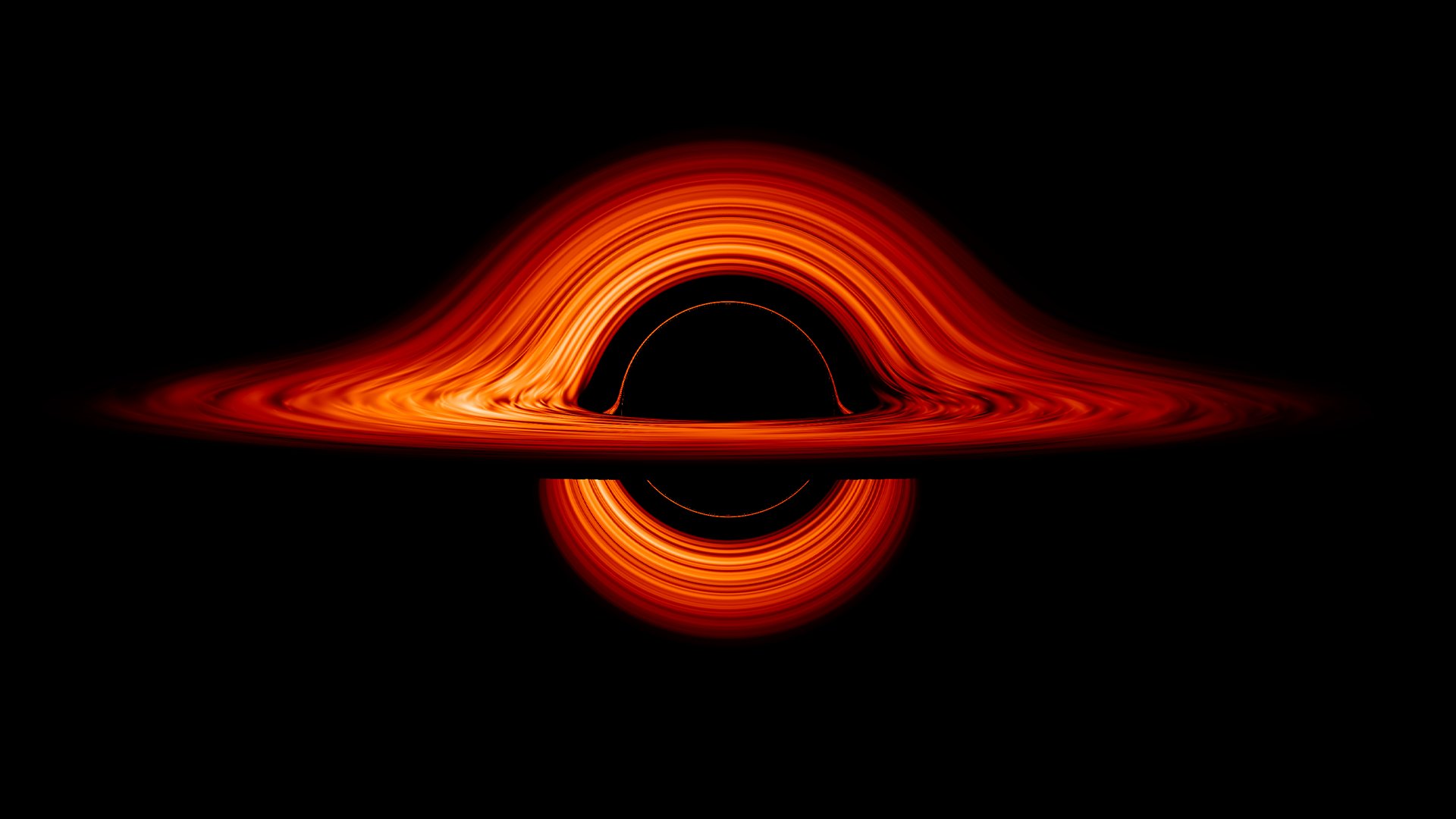
But under certain circumstances, black holes may accrete beyond this rate—super‑Eddington accretion. Dense gas in thick, toroidal “Polish donut” disks can trap radiation, allowing matter to fall in faster than simple models predict. However, powerful bipolar jets can carry away energy and mass, complicating just how fast such growth can proceed.
A Puzzle Still in Progress
No single mechanism yet explains all observed early quasars. It may be that nature uses several pathways—direct collapse in some regions, rapid super‑Eddington accretion in others, and a mix of stellar remnants and mergers almost everywhere.
By studying the brightest beacons of the young universe, astronomers are not only charting the origins of supermassive black holes—they are also testing the limits of how fast structures can form and grow in the cosmos itself.