When Darkness Lights Up the Cosmos
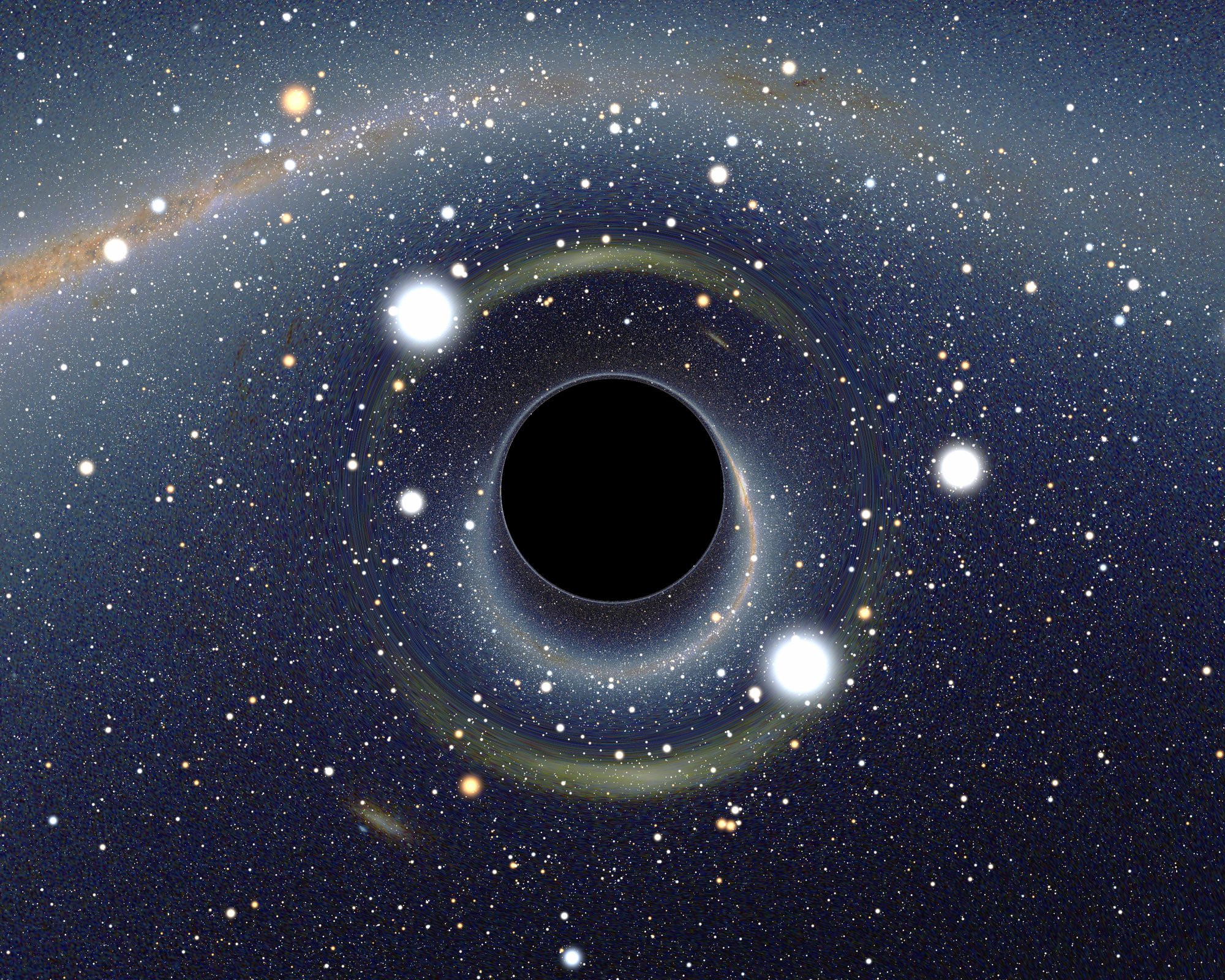
Paradoxically, some of the brightest objects in the universe are powered by things that emit no light at all. Black holes, when actively feeding, surround themselves with structures so violent that they outshine entire galaxies.
The Spinning Disk of Doom
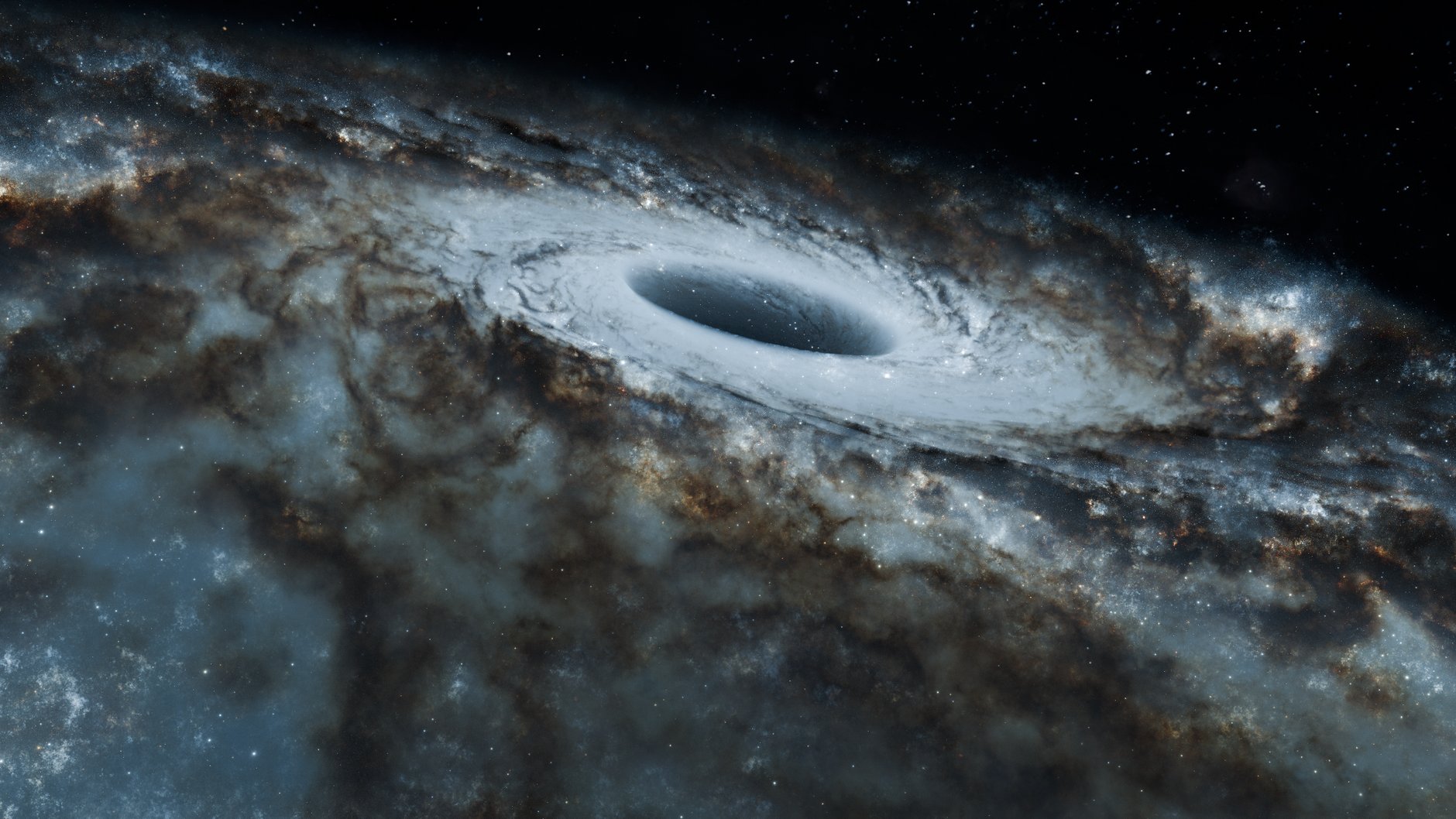
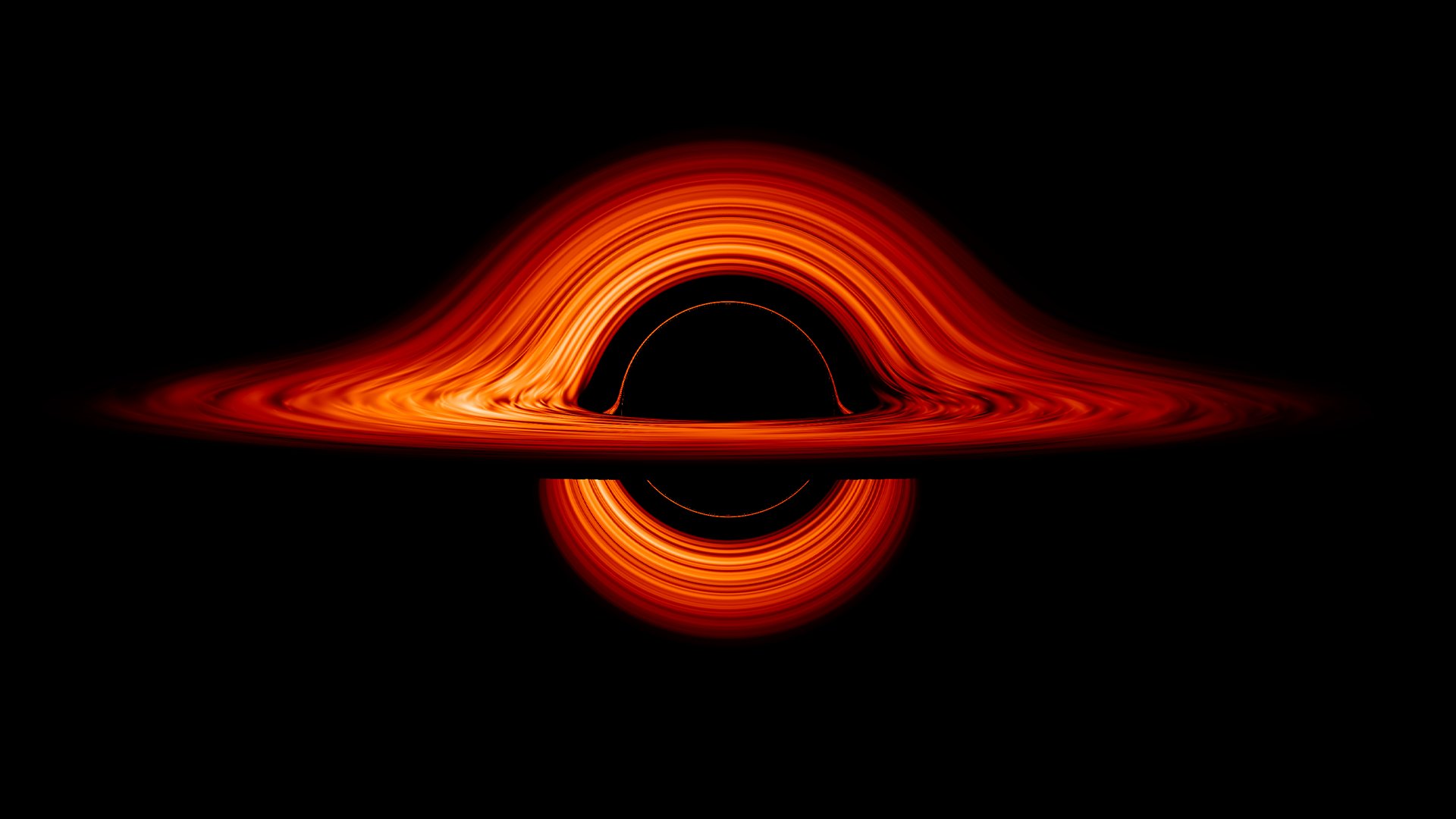
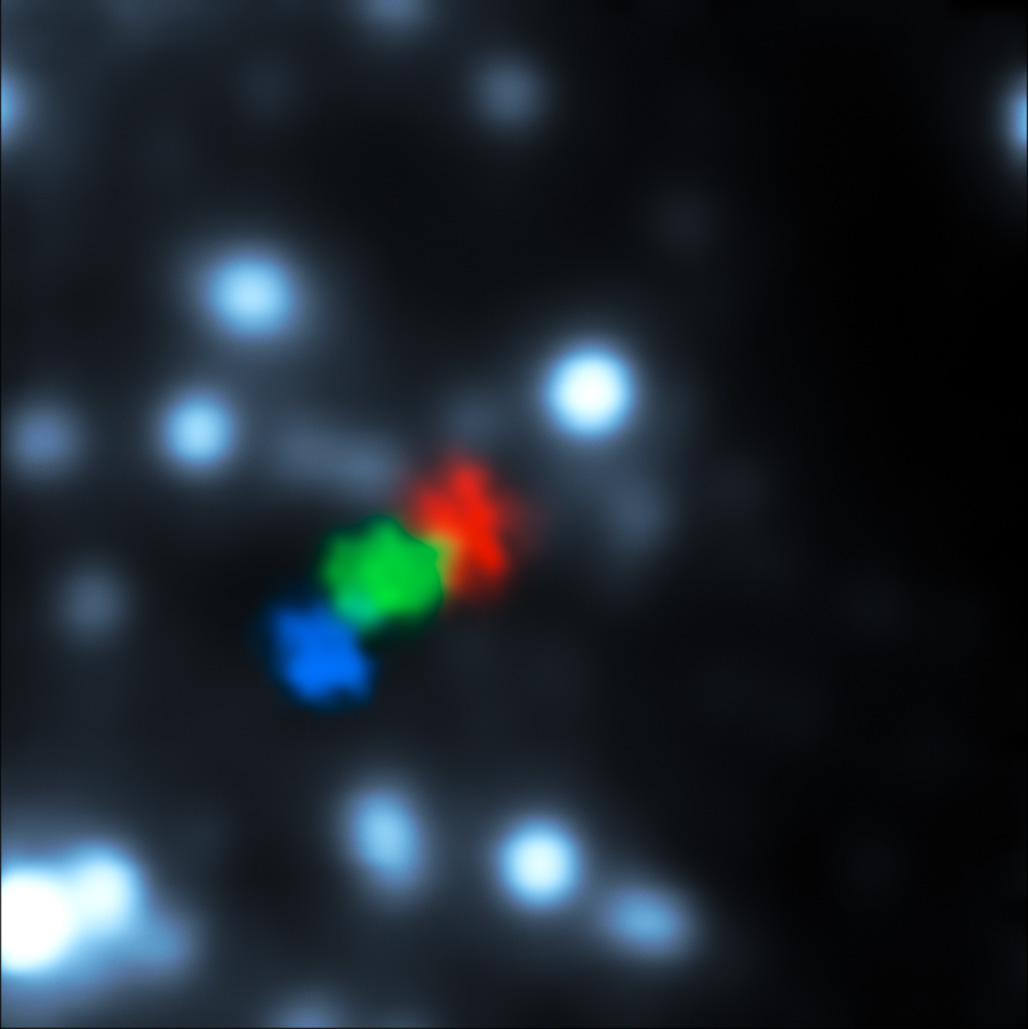
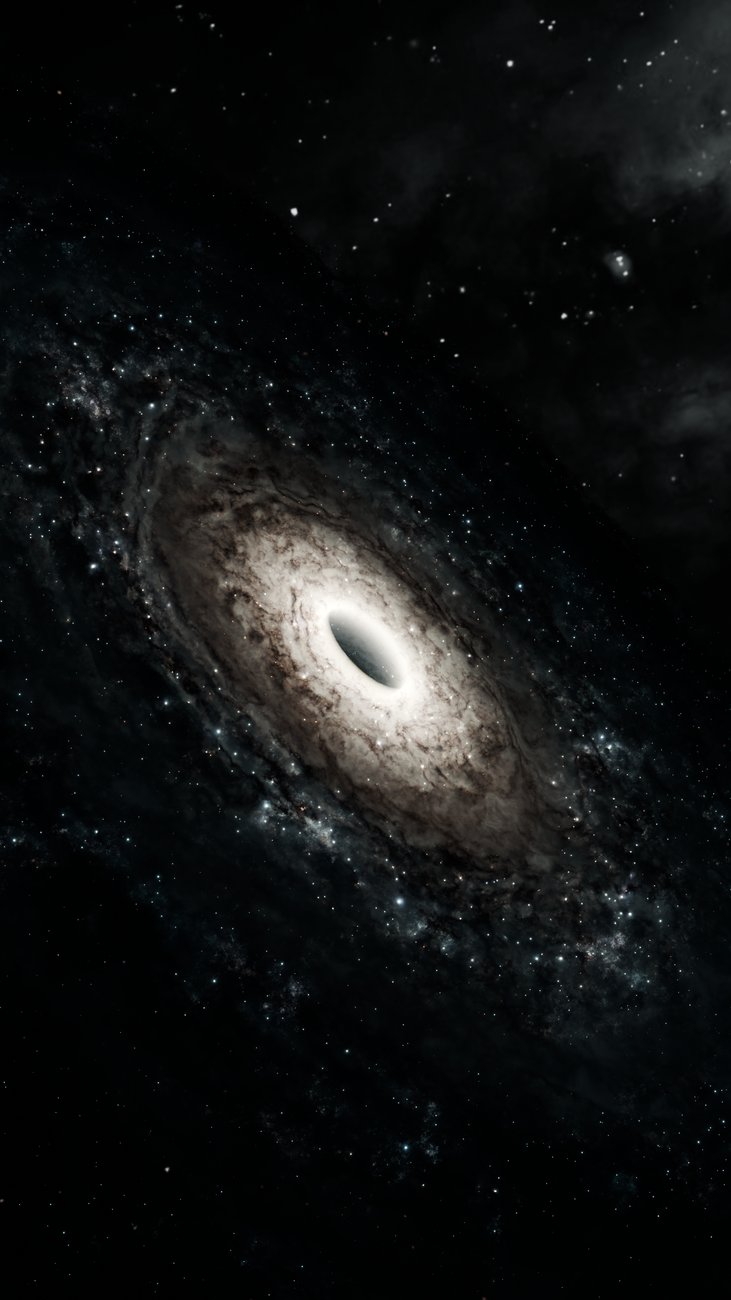
Gas falling toward a black hole rarely plunges straight in. Because it carries angular momentum, it spirals into a flat, rotating structure called an accretion disk. Friction and turbulence within the disk transfer angular momentum outward, allowing inner gas to move closer to the hole.
As it does, gravitational energy is converted into heat. Temperatures can soar from thousands to millions of degrees, causing the disk to radiate across the electromagnetic spectrum, from visible light to intense X‑rays. Up to 42% of the infalling matter’s rest mass can be converted to radiation, depending on the black hole’s spin—a far higher efficiency than nuclear fusion.
Accretion disks come in different shapes. Geometrically thin disks hug the equatorial plane and end at the innermost stable circular orbit, the last safe orbit before matter plunges inward. Geometrically thick disks swell into torus‑like “Polish donuts,” especially when accretion pushes or exceeds the so‑called Eddington limit where radiation pressure rivals gravity.

Quasars and Microquasars
When such a disk feeds a supermassive black hole in a galactic core, the result can be a quasar—an active galactic nucleus so luminous it can be seen across the observable universe. These monster disks were more common in the early universe, when galaxies—and their central black holes—were rapidly gaining mass.
On smaller scales, stellar‑mass black holes in binary systems can power similar, though less extreme, displays. These “microquasars” in our own Milky Way mimic the physics of their giant cousins, just in miniature.
Jets: Thin Spears of Relativistic Plasma
In some systems, a small fraction of the infalling material is not swallowed but launched outward along the black hole’s rotation axis in narrow, collimated beams called relativistic jets. These jets can travel at more than 90% of the speed of light and extend for millions of light‑years.
The details of how jets form remain an open question. They are almost always linked to spinning black holes with strongly magnetised accretion disks. One leading idea, the Blandford–Znajek process, suggests that the black hole’s rotation twists magnetic field lines, flinging material outward and tapping the hole’s rotational energy. The Penrose process, which exploits the peculiar energy states in the ergosphere of a spinning black hole, offers another mechanism for extracting spin energy.
Evidence hints that a common engine may drive jets on all scales—from microquasars to quasars and even gamma‑ray bursts.
The Brightest Warnings of Invisible Engines
Seen from afar, the accretion disk glows; the jets pierce intergalactic space, inflating giant lobes of hot plasma. Together they transform an unseen gravitational sink into a lighthouse visible across the cosmos, broadcasting the presence of an object from which no light can escape.