
Black hole
This article traces black holes from early speculative ideas to modern observations and Nobel-winning discoveries, explaining how these enigmatic objects form, what they are like inside and out, and why they sit at the heart of both galaxies and fundamental physics debates.
9 topics
From “Dark Stars” to Black Holes: How an Impossible Idea Became Real
Follow the centuries‑long journey from 18th‑century “light‑trapping” stars to the first accepted black hole, as skepticism slowly gives way to one of modern science’s most dramatic turnarounds.
The Three-Number Monsters: Why “A Black Hole Has No Hair”
Discover how decades of work led physicists to the stark conclusion that a mature black hole forgets almost everything about what formed it, reducing entire stars to just three numbers.
Inside the One-Way Door: Event Horizons, Time Dilation, and the Fall into Darkness
Step up to the edge of a black hole’s event horizon, where time stretches, light fades to red, and two observers can disagree forever about what it means to cross the line.
Rings of Fire and Cosmic Jets: How Black Holes Become the Brightest Beacons in the Universe
Explore the furious accretion disks and near‑light‑speed jets that turn otherwise invisible black holes into quasars blazing across billions of light‑years.
Weighing the Invisible: How Astronomers Prove Black Holes Are Real
Trace the detective work—from X‑ray binaries and stellar orbits to gravitational waves and Earth‑sized telescopes—that turned black holes from equations into observed cosmic citizens.
Cosmic Engines at Galaxy Cores: Supermassive Black Holes and Their Host Galaxies
Peer into galactic centers where black holes millions to billions of times the Sun’s mass shape the birth, growth, and even shutdown of entire galaxies.
Listening to Colliding Black Holes: Gravitational Waves as a New Window on the Universe
Enter the era where spacetime itself becomes an observatory, revealing distant black hole mergers that no telescope could ever see.
Black Holes, Heat, and the Edge of Physics: Hawking Radiation and the Information Paradox
Journey to the frontier where gravity, quantum mechanics, and thermodynamics collide, forcing us to ask whether black holes can truly erase information from the universe.
Growing a Giant: How the Early Universe Built Supermassive Black Holes So Fast
Look back to a young cosmos where billion‑solar‑mass black holes already blazed as quasars, challenging our ideas of how quickly black holes can grow.
DeepSwipe Stories About Black hole
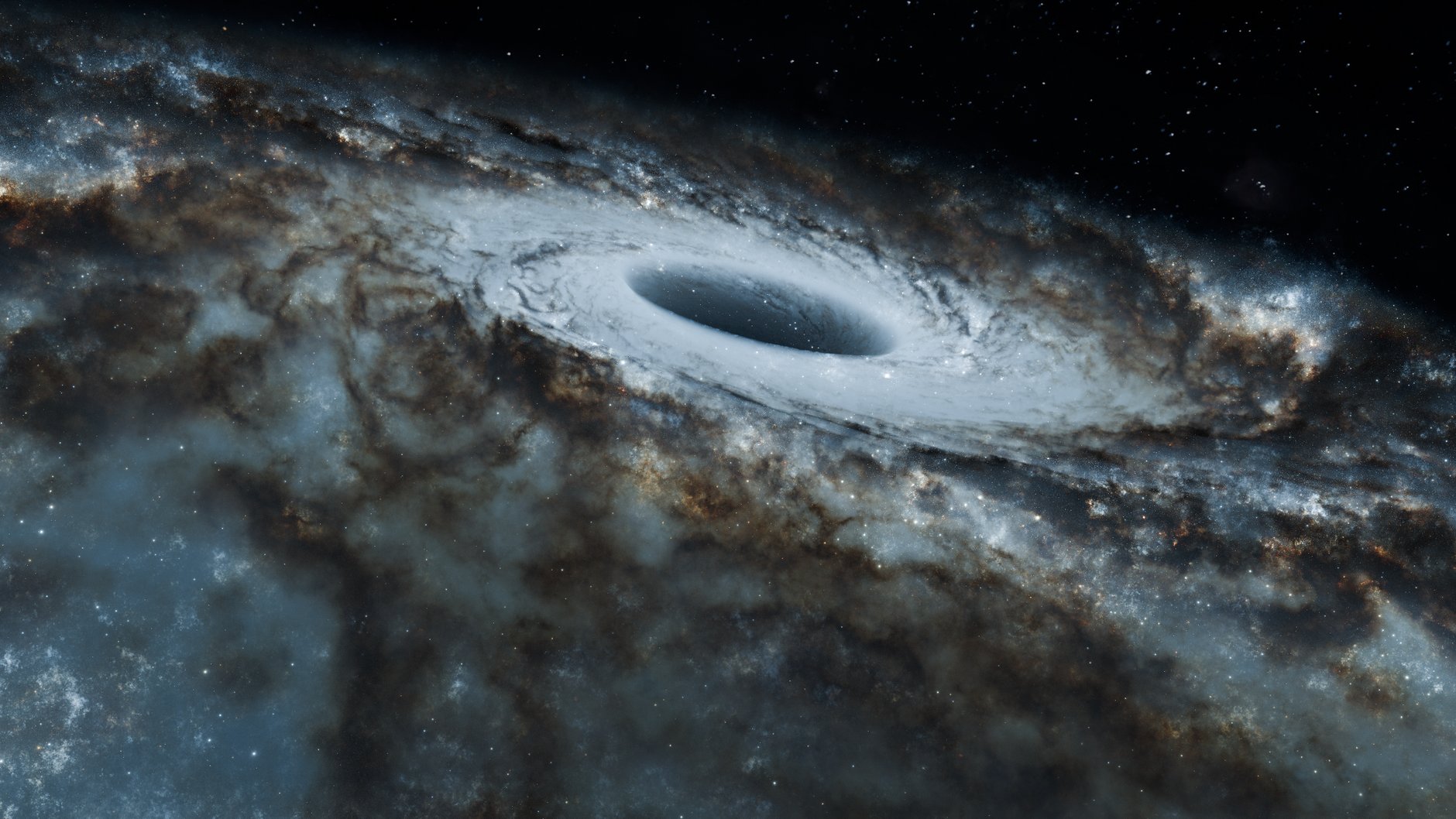
Black Holes: Event Horizon—The One-Way Door You Can’t Feel
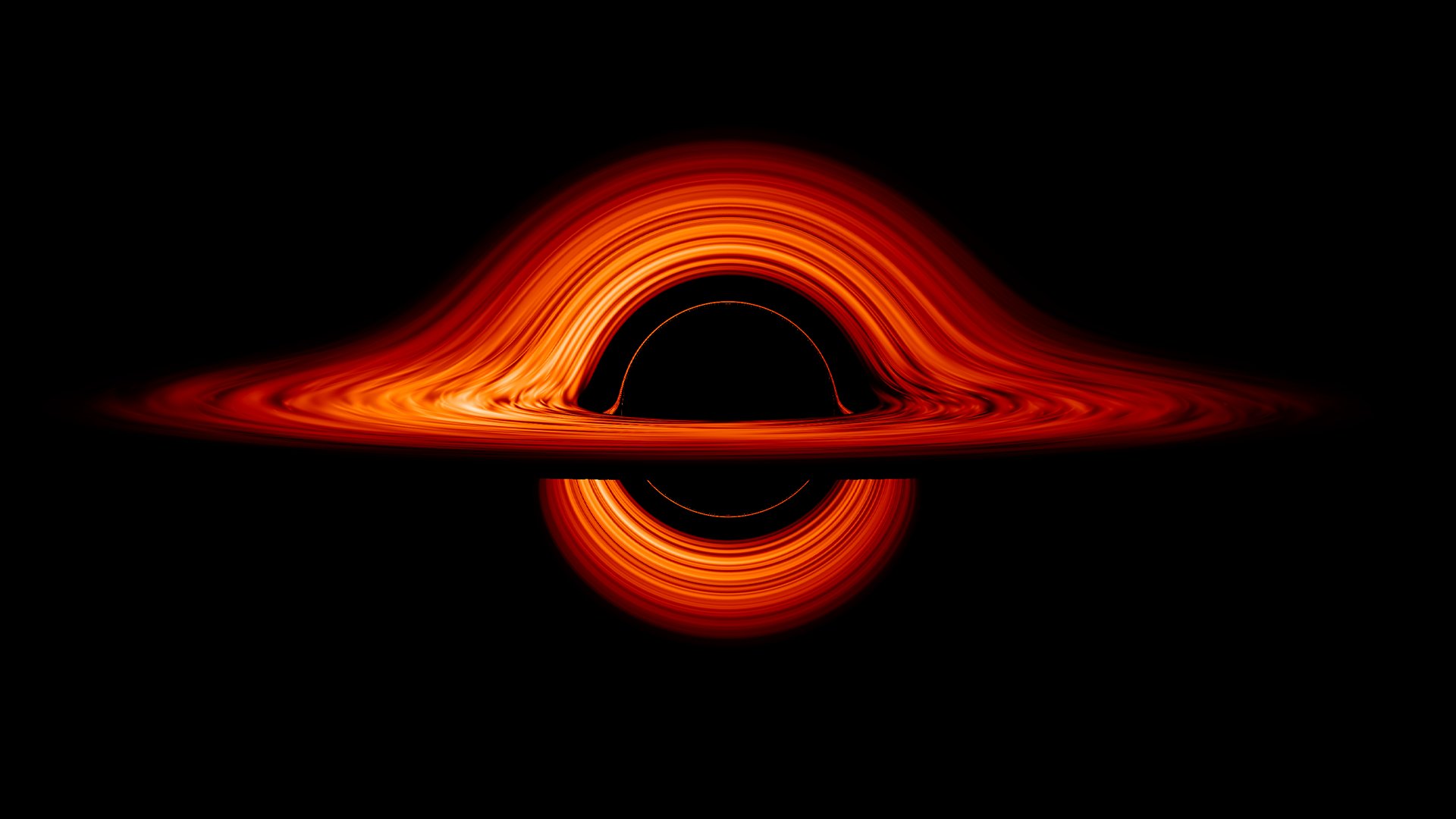
Black Holes: The Big Ones Can Be ‘Low‑Density’
Black Holes: Hawking Glow vs the Universe
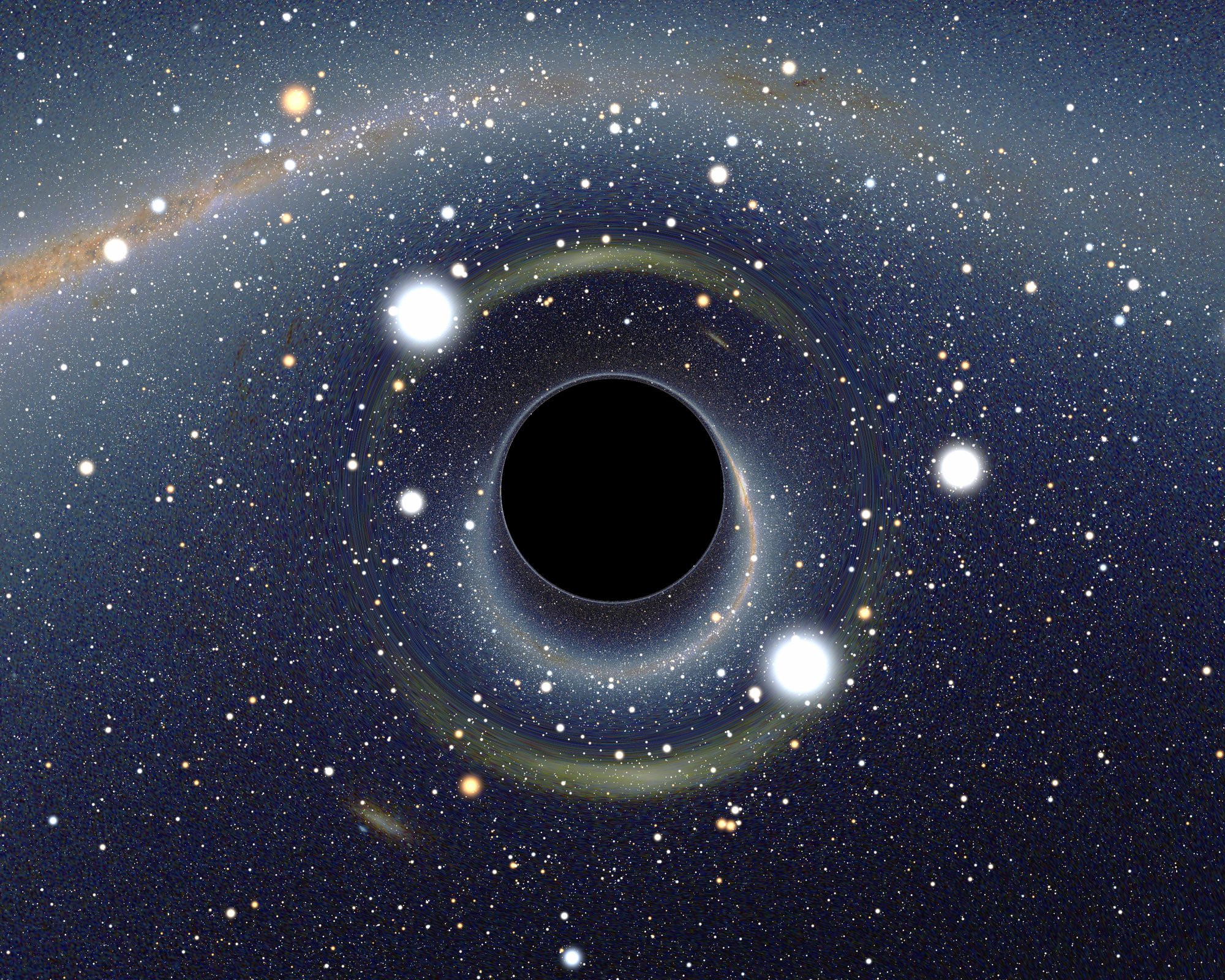
Black Holes: How We See the Invisible
Black Holes: Accretion and Jets—Nature’s Brightest Engines
Black Holes: Spin—The Power to Twist Space
Black Holes: The Photon Sphere and Shadow
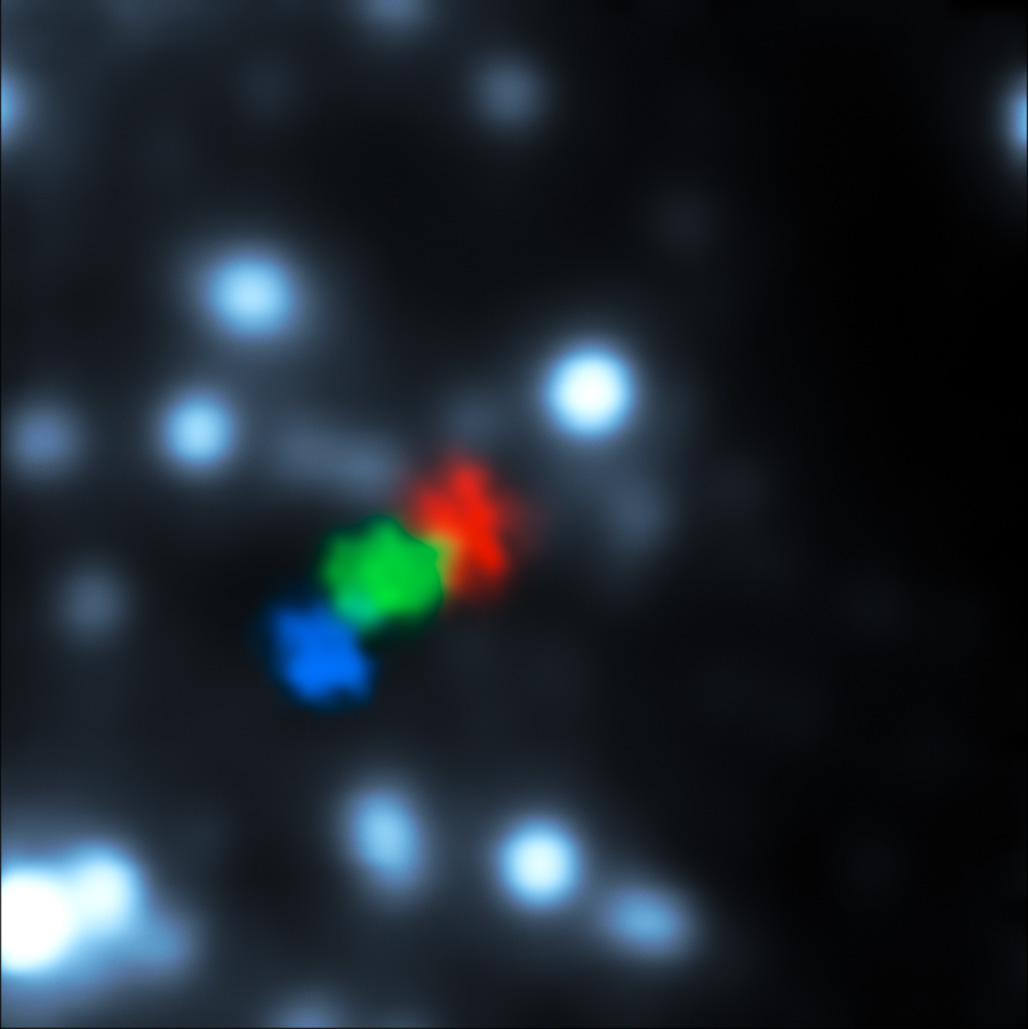
Black Holes: Origins—from Dying Stars to Quasar Giants
Black Holes: The No‑Hair Surprise
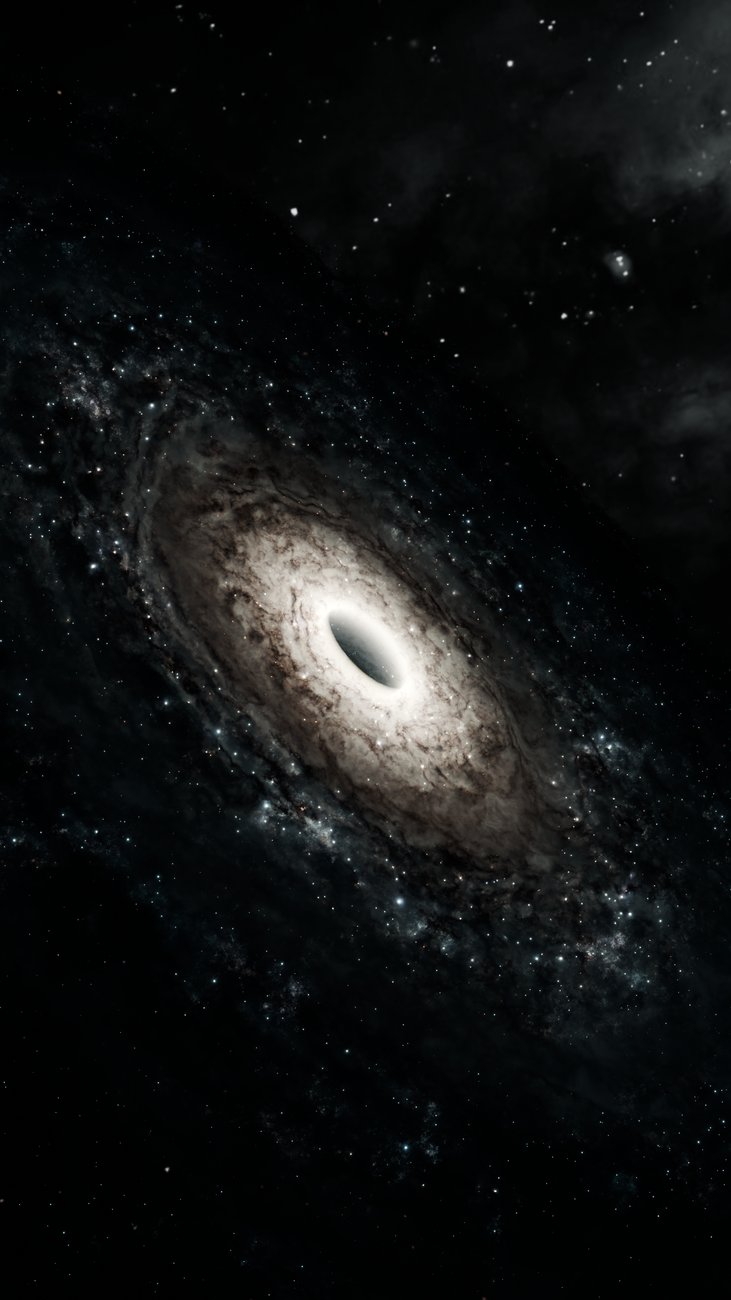
Black Holes: How We Found the One in the Milky Way
Summarize another article
Enjoy bite-sized learning? Try DeepSwipe.