The Boundary You Can Never Leave
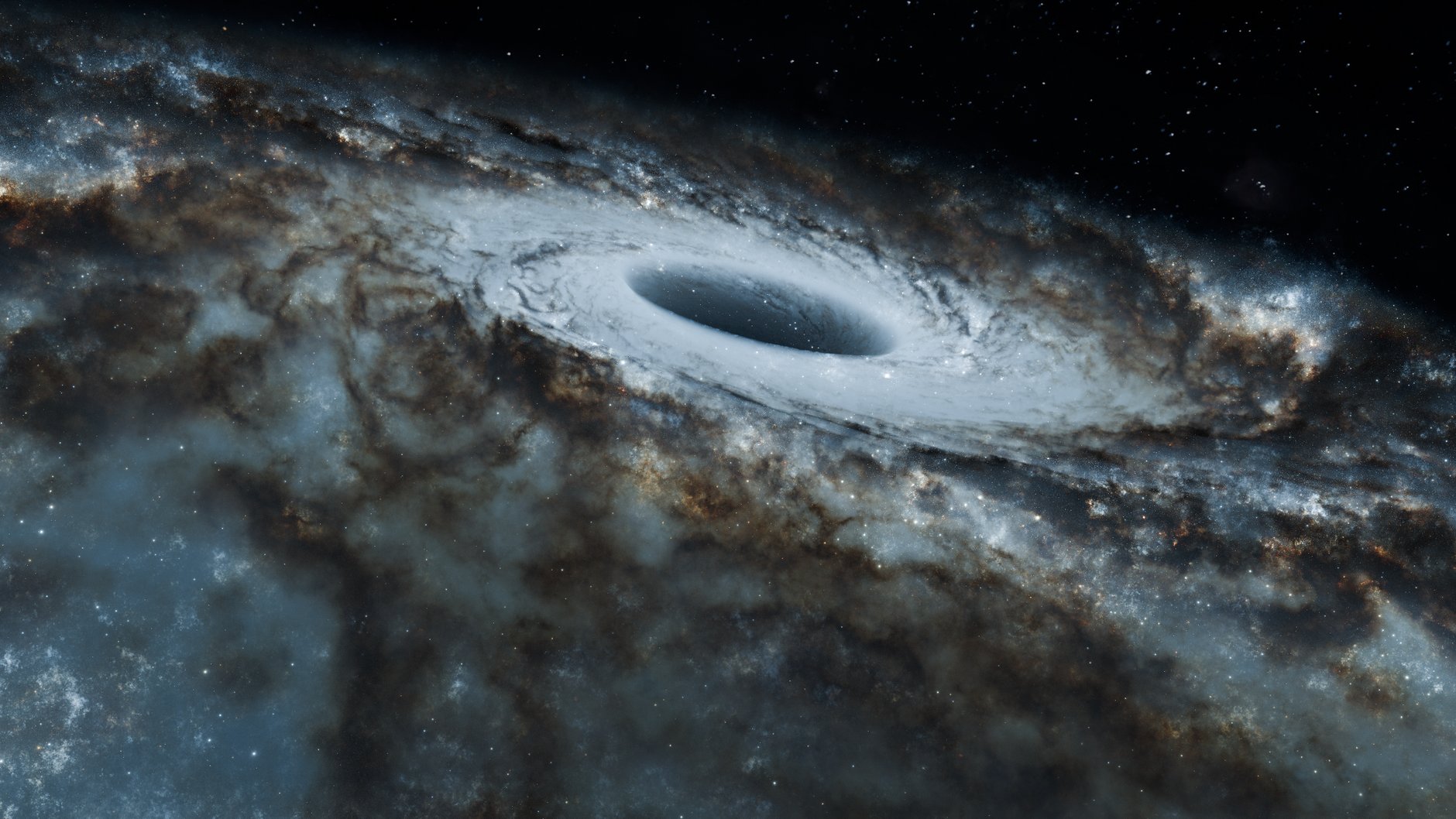
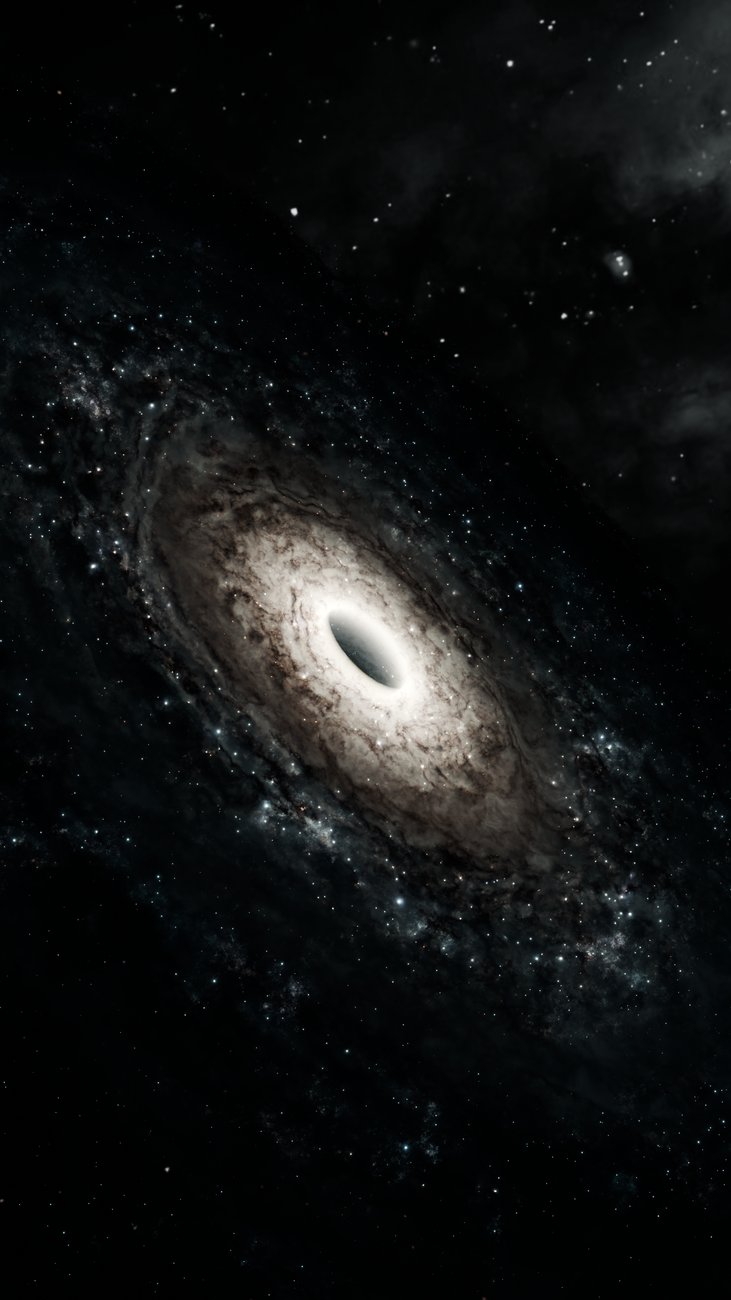
A black hole’s defining feature is not its mass or its spin, but a surface you can never cross outward once you’re inside: the event horizon. It’s a one‑way door in spacetime. Matter and light can fall in, but no signal—no information at all—can get back out.
From far away, there is nothing special to see. General relativity predicts that crossing the horizon produces no local jolt or bump. A falling astronaut’s own clocks tick normally, instruments remain calm, and the boundary itself is invisible to them.
Time Near the Edge
To a distant observer, however, time near a black hole runs strangely slow. This effect, called gravitational time dilation, stretches processes unfolding near the horizon. A clock hovering close to the edge appears to tick more slowly than one far from the hole.
Watch an object fall in and you see a ghostly drama: as it nears the horizon, its motion seems to slow, its light grows redder and dimmer due to gravitational redshift, and it never quite appears to cross. For an 8‑solar‑mass black hole, material dropped from half a Schwarzschild radius above the horizon fades from view in about one hundredth of a second—but in principle, to outside clocks, it never completes the fall.

From the Inside Looking Out
From the falling object’s perspective, the story is utterly different. It crosses the event horizon in a perfectly finite time, noticing nothing peculiar at that instant. Past that point, however, all roads in spacetime lead inward. Just as all paths in ordinary space near a waterfall might carry you downstream, all future paths past the horizon carry you toward the singularity.
For a non‑spinning black hole, this singularity is a single point of infinite curvature and density. Before reaching it, tidal forces stretch and squeeze infalling matter—an extreme process nicknamed “spaghettification.” The object is torn apart and crushed into a vanishingly small region.
A Horizon You Can’t Detect Locally
This strange duality—no drama locally, but dramatic slowing seen from afar—is enforced by Einstein’s equivalence principle. In free fall, gravity is indistinguishable from the absence of gravity. No local experiment inside a sealed box can reveal that you have passed an event horizon.
This makes the horizon a profoundly global concept: defined not by what happens at a place, but by which events can ever send signals to infinity.
The Last Visible Edge
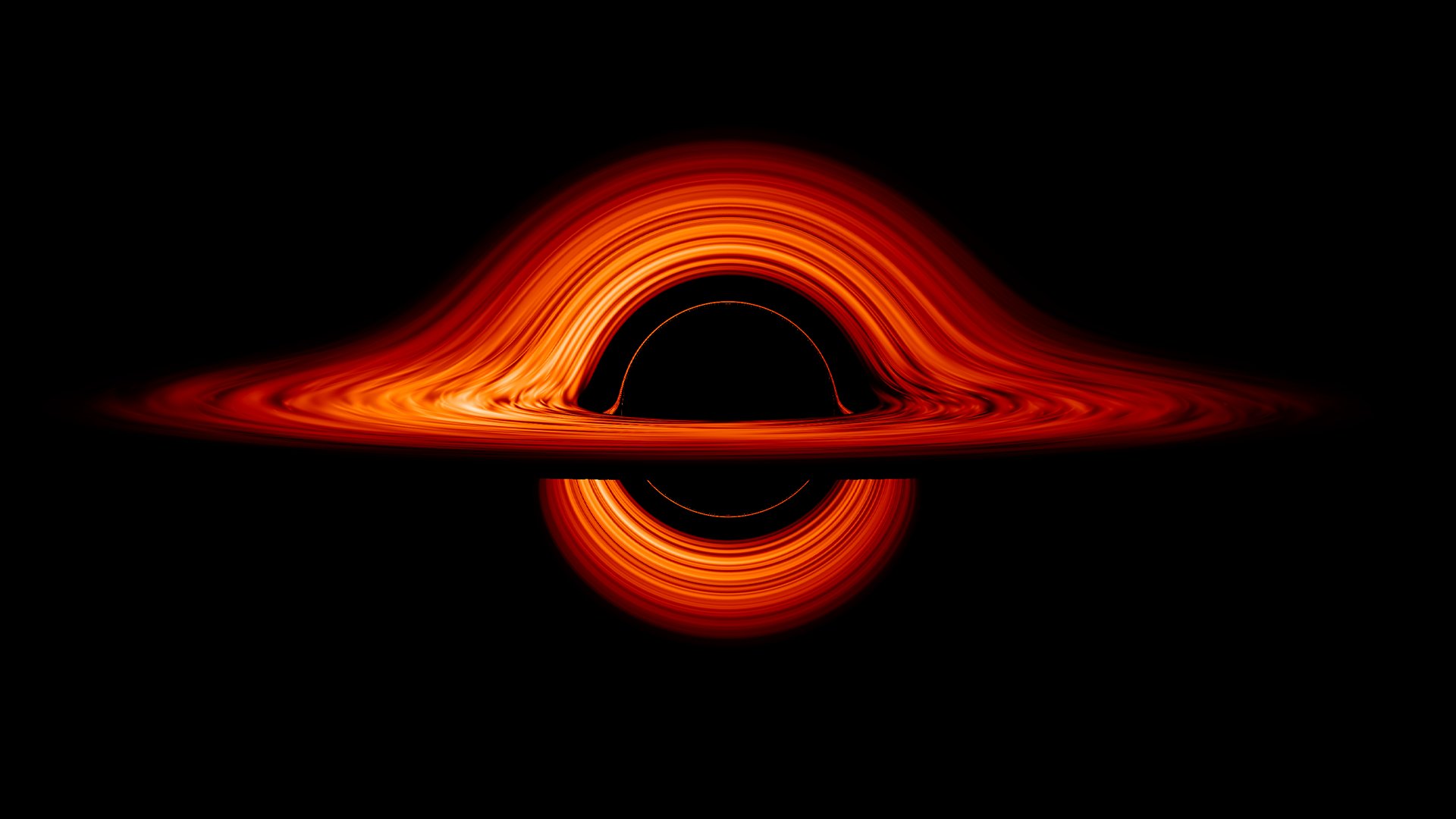
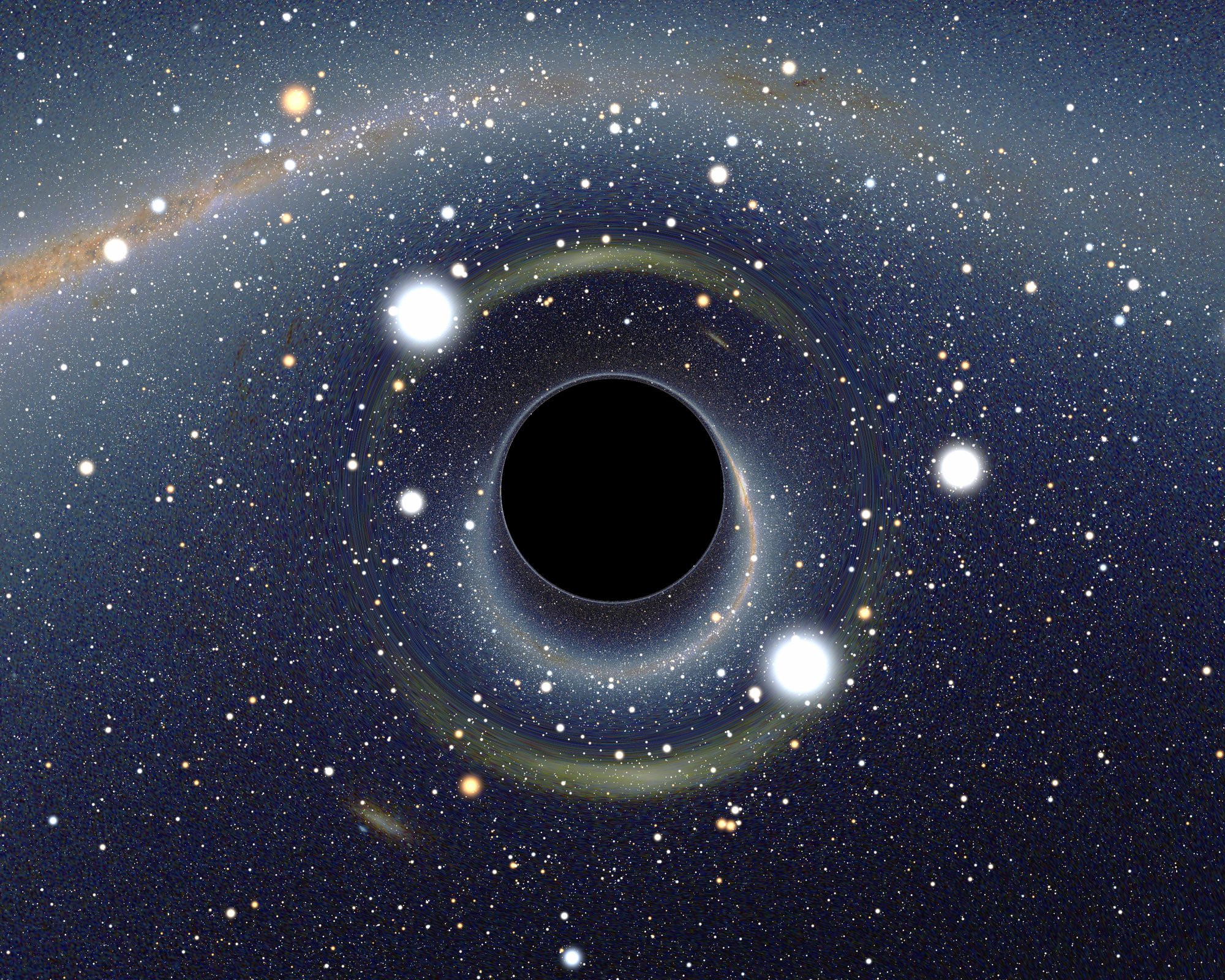
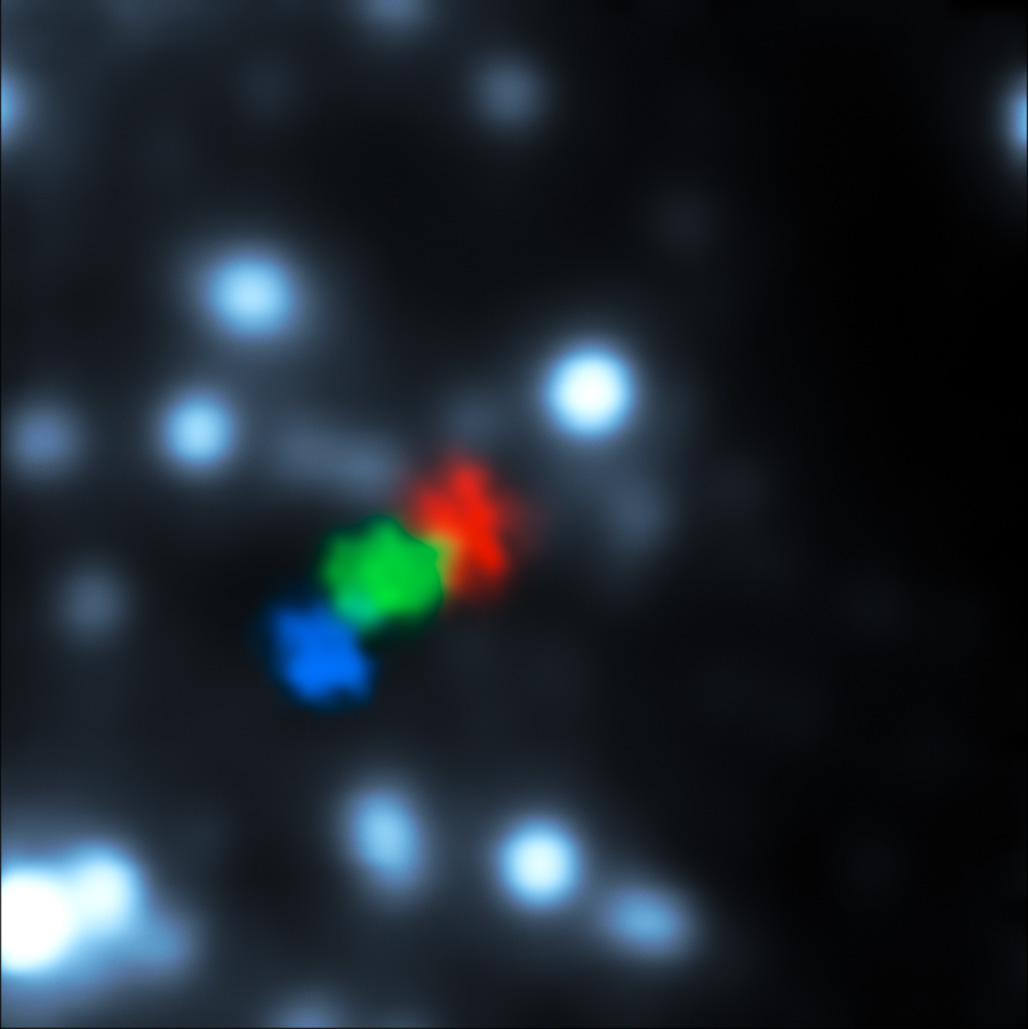
When telescopes like the Event Horizon Telescope produce pictures of black holes, they do not see the horizon itself. Instead, they capture the “shadow”—a dark silhouette corresponding to the region from which light cannot escape because it has crossed inside the photon sphere and ultimately the horizon.
For observers in the universe, that shadow is the final visible edge of reality: the last place where light can still turn around and tell us what happened.