Giants in the Galactic Heart
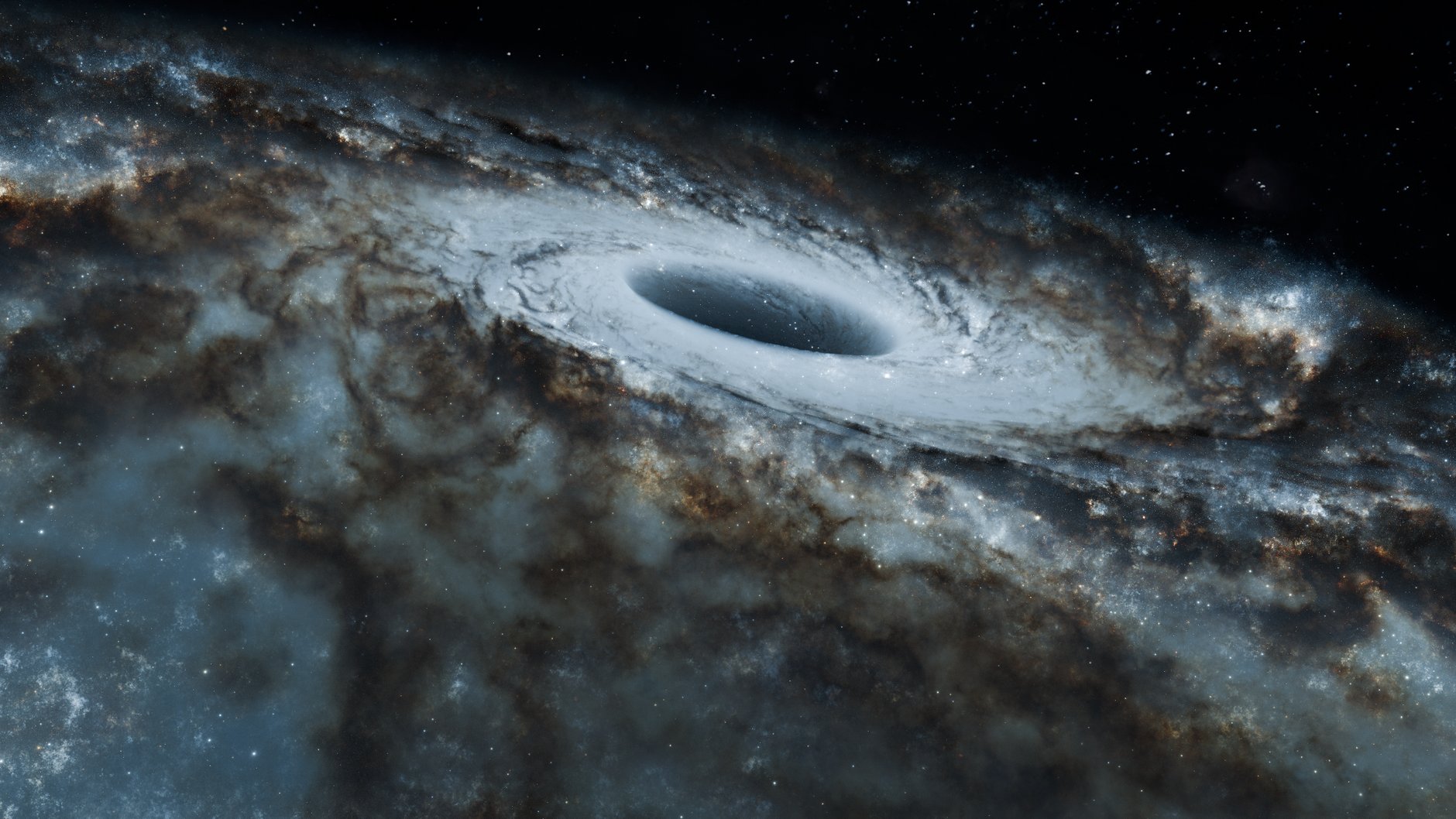
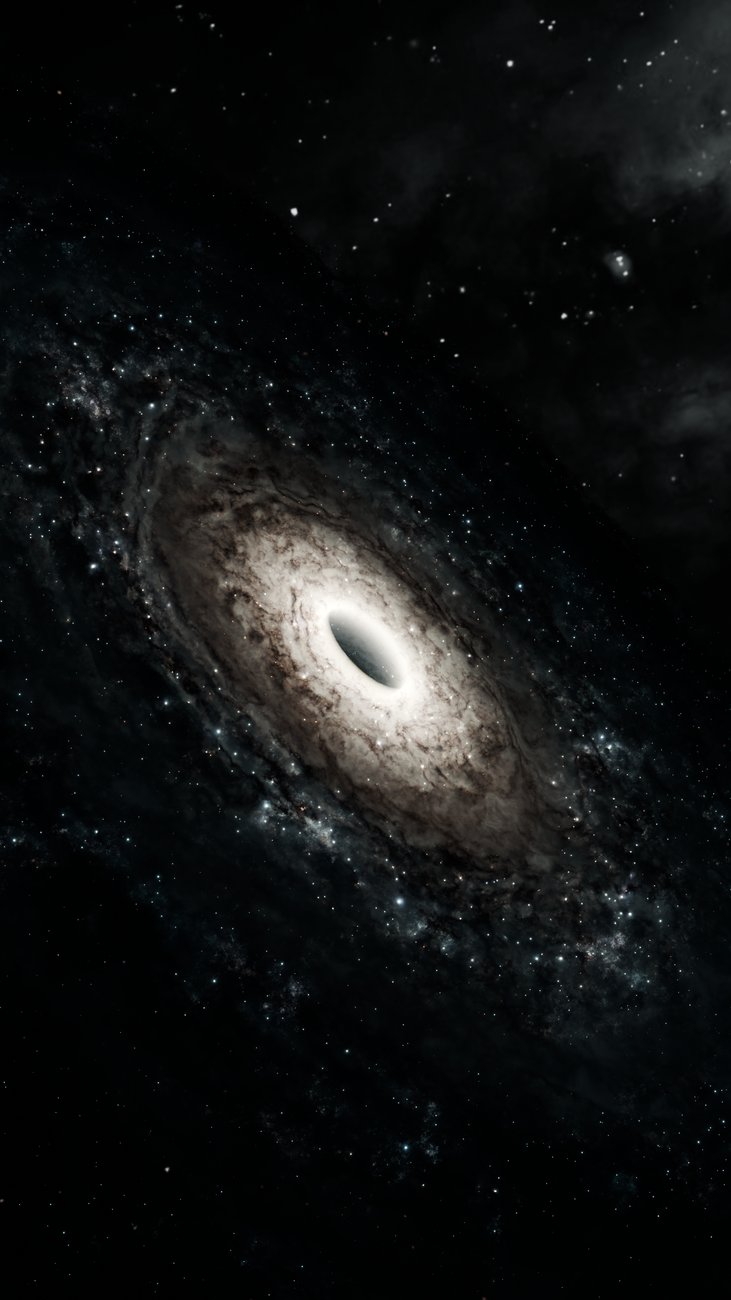
At the centre of nearly every large galaxy lurks a supermassive black hole, weighing millions to billions of times the mass of the Sun. These aren’t just passive passengers. Evidence suggests they grow in step with their host galaxies and can both ignite and extinguish waves of star formation.
Quasars and Active Galactic Nuclei
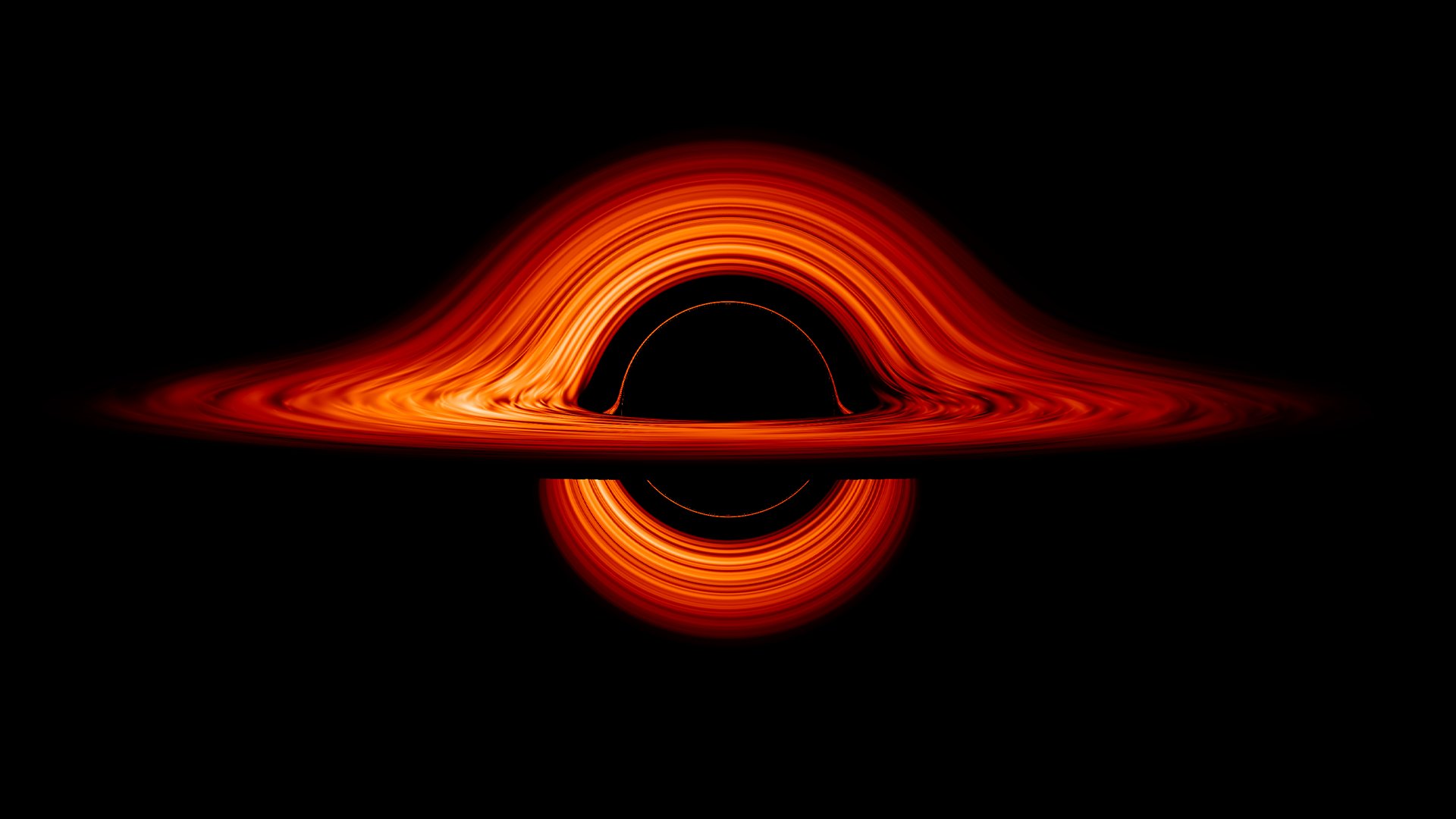
When supermassive black holes actively feed, they can power active galactic nuclei (AGN). Gas and dust spiral inward, forming a luminous accretion disk and often launching colossal jets. In the most extreme cases, we see quasars—objects so bright they can outshine their host galaxies and be visible from the early universe.
In the 1990s, the Hubble Space Telescope showed that galaxies like Messier 87 must contain huge central masses. Initially, astronomers considered two options: dense star clusters or a single massive black hole. Precise observations of orbiting gas and masers in galaxies such as NGC 4258 ruled out star clusters, leaving supermassive black holes as the only viable explanation.

The M–Sigma Relation: A Tight Correlation
In 1999, David Merritt proposed a striking correlation: the mass of a galaxy’s central black hole is closely linked to the velocity dispersion of stars in its bulge—a relation now known as the M–sigma relation. Follow‑up studies confirmed this pattern across many galaxies.
This tie suggests that black hole growth and galaxy evolution are intertwined. Somehow, as galaxies assemble stars in their central regions, their black holes grow in step.
Feedback: Winds, Jets, and Star Formation
How can a relatively small object at the galaxy’s core influence stars tens of thousands of light‑years away? The answer lies in feedback. As matter accretes, black holes can drive powerful winds and jets. These outflows compress nearby gas, sometimes triggering bursts of star formation.
If the outflow becomes too strong, it can have the opposite effect, sweeping gas out of the galaxy and quenching future star birth. Jets can also heat and stir the hot gas in galactic centres, keeping it from cooling and collapsing into new stars.
Sagittarius A*: Our Local Supermassive Neighbor
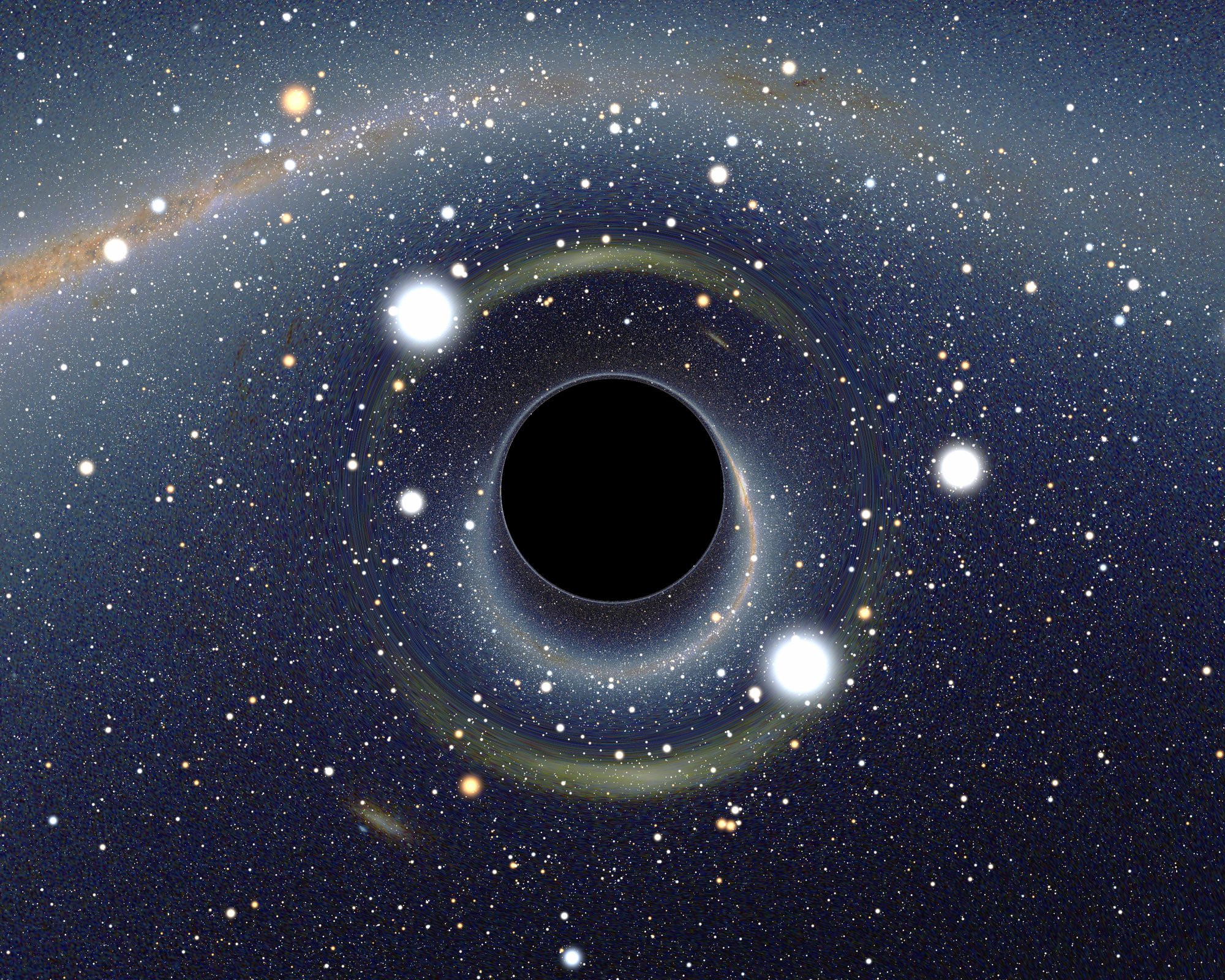
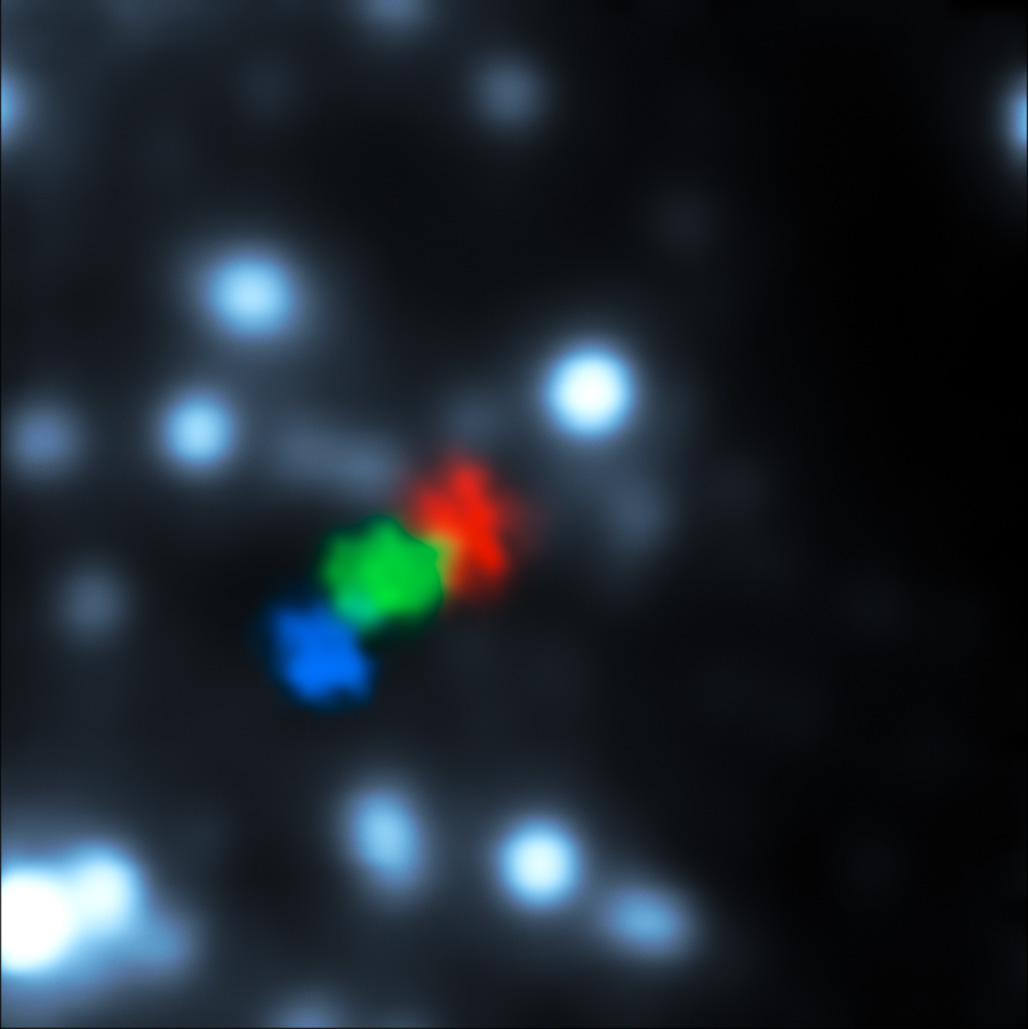
In the Milky Way, independent teams led by Andrea Ghez and Reinhard Genzel used stellar motions to show that the compact radio source Sagittarius A* is almost certainly a supermassive black hole of about 4.3 million solar masses. The 2022 Event Horizon Telescope image of its shadow provided further confirmation.
Co‑Evolution on a Cosmic Scale
The tight link between supermassive black holes and their galaxies, from the M–sigma relation to feedback‑driven winds and jets, points to a shared history. Galaxies and their central black holes appear to be partners in a long cosmic dance: each shaping, and being shaped by, the other.