Under the General’s Shadow
In 1945, for the first time in its history, Japan was occupied by foreign troops. U.S. General Douglas MacArthur, as Supreme Commander of Allied Powers, became the country’s de facto ruler.
The occupation set out to dismantle the militarist state that had led Japan into catastrophe. The empire’s colonies were stripped away, and leading war criminals were prosecuted in the International Military Tribunal for the Far East.
Demilitarizing—and Democratizing
Reformers moved quickly. The powerful zaibatsu conglomerates were broken up or weakened. Land reform transferred ownership from landlords to tenant farmers. Labor unions were encouraged, reshaping class relations.
The most dramatic change was political. The Peace Preservation Law and the feared Special Higher Police were abolished. A new constitution, effective in 1947, made the cabinet responsible to an elected National Diet instead of the emperor.
Emperor Hirohito remained on the throne, but was compelled to renounce his divinity, ending the ideological core of State Shinto. Article 9 of the new constitution renounced Japan’s right to wage war.

Peace Treaty and Unequal Partnership
The San Francisco Peace Treaty in 1951 formally ended the state of war and normalized relations with the United States. But alongside it came the U.S.–Japan Security Treaty, which locked Japan into a military alliance with Washington and allowed U.S. bases to remain on Japanese soil.
The occupation officially ended in 1952, though the Ogasawara and Ryukyu Islands, including Okinawa, remained under U.S. control until 1968 and 1972, respectively. Even today, American bases—especially in Okinawa—are a focal point of local resentment.
The Yoshida Doctrine: Guns by Proxy, Growth at Home
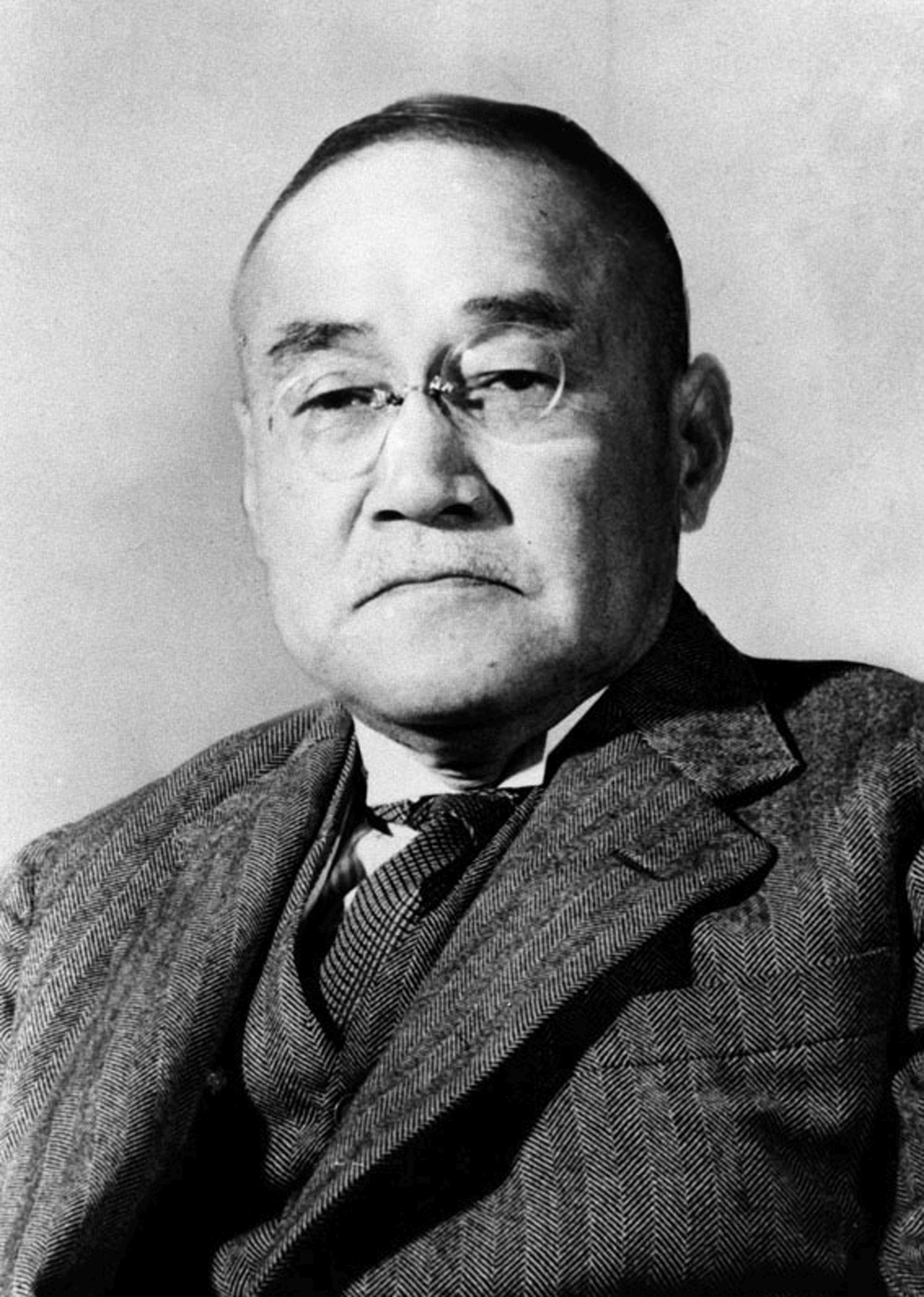
Prime Minister Shigeru Yoshida, in office for much of 1946–1954, crafted a strategy that would define postwar Japan. The Yoshida Doctrine argued that Japan should rely on the U.S. for security, keep its own military minimal, and pour its energies into economic reconstruction.
In 1955, Yoshida’s Liberal Party merged into the new Liberal Democratic Party (LDP), which would dominate Japanese politics for decades.
Miracle on the Factory Floor
Japan’s early postwar economy was shattered, but reforms and foreign aid set the stage. An austerity program in 1949 curbed inflation. The Korean War provided a sudden surge of demand as Japan became a key supplier for U.S. forces.
The newly created Ministry of International Trade and Industry (MITI) orchestrated growth, partnering with big business to promote manufacturing, heavy industry, and exports. Techniques like quality control and just‑in‑time production, combined with high literacy and numeracy, fueled efficiency.
Lifetime employment systems bound workers and corporations together. By 1955, output had surpassed prewar levels. From 1956 to 1973, GDP grew nearly 10% annually. Even after the 1973 oil shock, growth averaged over 4% until 1991.
By 1968, Japan was the world’s second‑largest capitalist economy. Ordinary citizens acquired cars, appliances, and later, electronics. Japan became the largest car producer and a leader in consumer electronics.
Culture, Protest, and the Bullet Train
Internationally, Japan rejoined the world: it entered the UN in 1956, normalized ties with the Soviet Union and South Korea, and shifted recognition from Taiwan to the People’s Republic of China in 1972.
Yet the U.S. alliance sparked controversy. The creation of the Japan Self‑Defense Forces (JSDF) in 1954 drew criticism as a betrayal of Article 9. Mass protests in 1960 against renewal of the U.S.–Japan Security Treaty—known as the Anpo protests—brought millions into the streets and toppled Prime Minister Nobusuke Kishi.
His successor, Hayato Ikeda, calmed tensions with an “Income Doubling Plan” that hit its target in just seven years. Under his watch, the first bullet train line opened and the 1964 Tokyo Olympics showcased a transformed, modern Japan.
Meanwhile, Japanese cinema, anime, manga, and later video games began winning audiences worldwide. Authors like Yasunari Kawabata and Yukio Mishima gave Japanese literature a global profile.
From ruins and occupation, Japan had rebuilt itself as a prosperous, pacifist democracy—its power measured in factories and culture rather than guns.