A Capital Called “Peace”
In 794, Emperor Kammu moved the capital to Heian‑kyō—modern Kyoto. Its name meant “peace,” and for nearly four centuries, the city lived up to the promise in culture if not in politics.
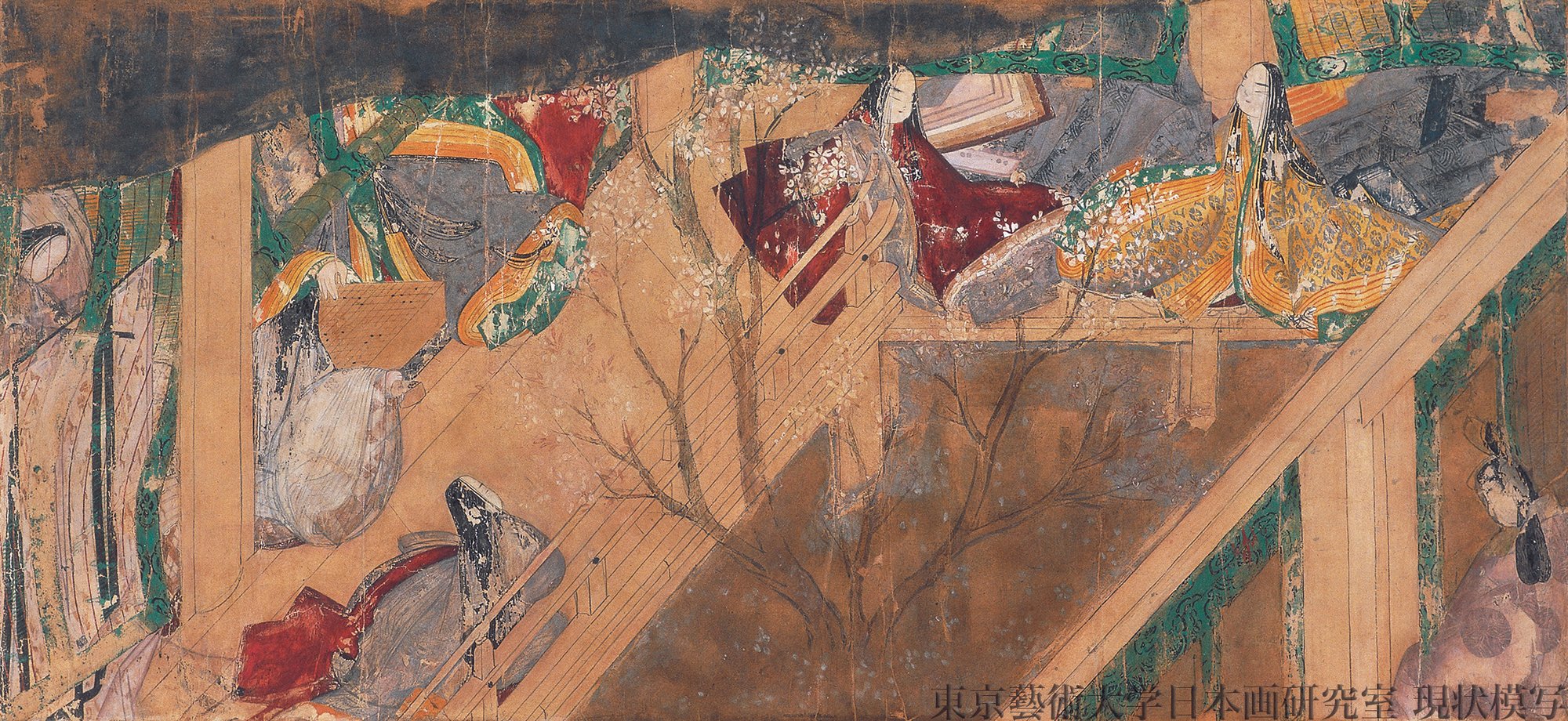
The imperial court became a glittering center of high art. Poetry collections like Kokinshū and diaries like Tosa Nikki flourished. Sei Shōnagon penned the sharp, intimate vignettes of The Pillow Book, while Murasaki Shikibu crafted The Tale of Genji, often hailed as Japan’s literary masterpiece and sometimes called the world’s first novel.
The Fujiwara’s Soft Coup
While emperors donned robes and recited verse, real power seeped elsewhere. The Fujiwara clan mastered a subtler weapon than swords: marriage.
By marrying daughters into the imperial line and then serving as regents—sesshō for minors, kampaku for adults—Fujiwara men like Yoshifusa, Mototsune, and above all Michinaga ruled in the emperor’s name. Michinaga, at the height of Fujiwara power, married four daughters to emperors and effectively governed the country.
In 1086, the system flipped again when Emperor Shirakawa abdicated but continued to rule from behind monastery walls, inaugurating “cloistered rule.” The reigning emperor became the figurehead; a retired emperor pulled the strings.

The Empire Forgets the Empire
While the court obsessed over rank, aesthetics, and internal intrigue, the machinery of state rusted. The carefully constructed ritsuryō land system collapsed as noble families and temples carved out tax‑exempt private estates known as shōen.
By the 11th century, these private manors controlled more land than the central government. With tax revenue drained, the court could no longer maintain a national army. Landholders raised their own forces: bands of mounted warriors who would become the samurai.
Two great warrior houses descended from imperial lines—the Taira and Minamoto—built up vast networks of shōen and retainers. Initially, the court used them to crush rebellions and piracy, unknowingly nurturing the very class that would supplant it.
Wars on the Frontier, and at Court
In the north, campaigns against the Emishi people produced the title of seii tai‑shōgun—“Great Barbarian Subduing General”—first granted in 794. Over time, this military office would evolve into the shogunate, Japan’s real government for centuries.
Civil wars such as the Former Nine Years’ War and the Later Three‑Year War reshaped northern Honshu under the Northern Fujiwara. In 1156, a succession dispute at court erupted into armed conflict; emperors hired Taira and Minamoto warriors to fight for them. The Taira won and briefly dominated Kyoto, even placing their own grandson, Antoku, on the throne.
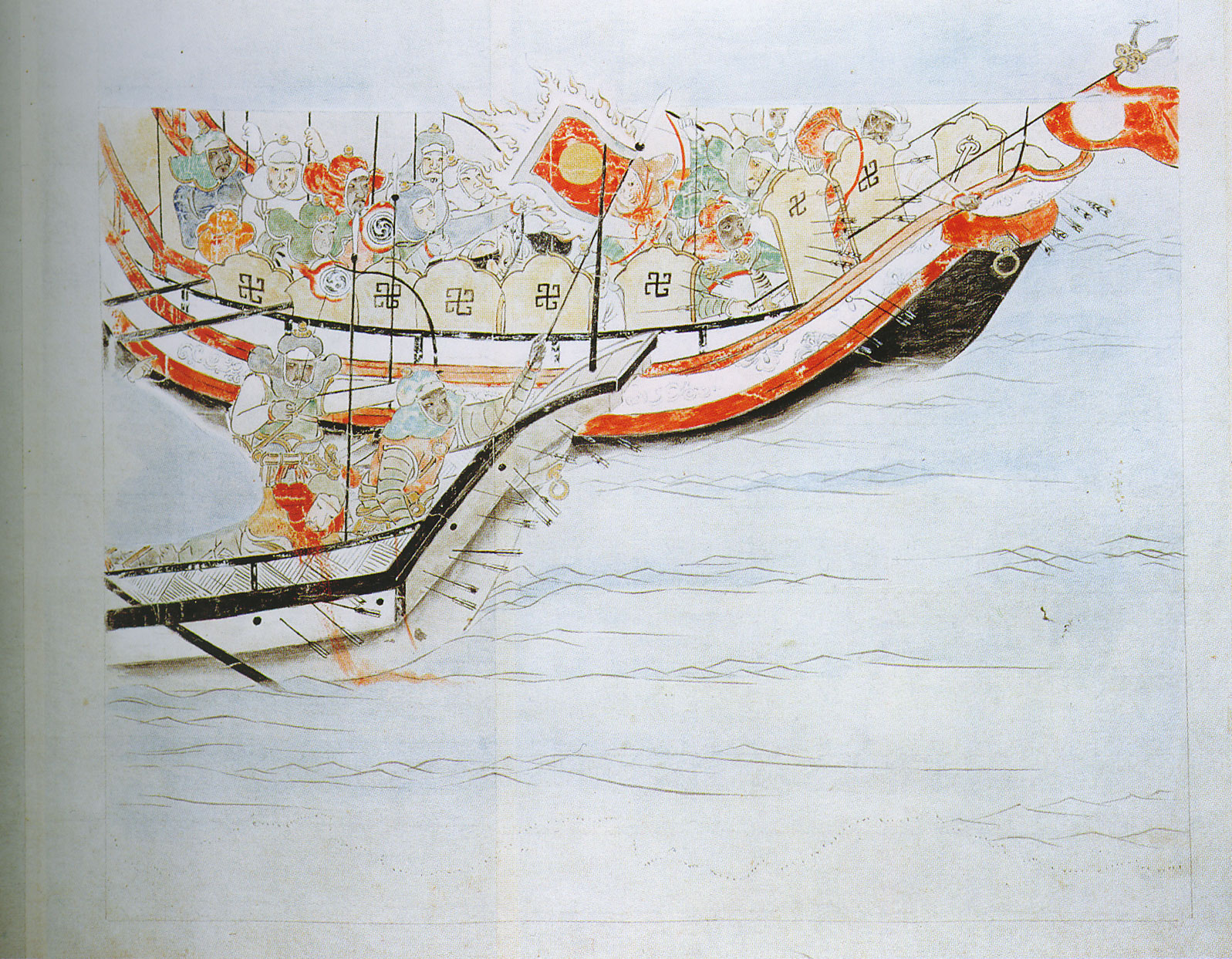
But victory bred rivalry. The Heiji Rebellion and then the Genpei War (1180–1185) pitted Taira and Minamoto against each other in a brutal, sea‑to‑sea struggle. In 1185, Minamoto forces triumphed at the naval Battle of Dan‑no‑ura.
A World of Words, and of Endings
Even as the court’s political power evaporated, cultural brilliance surged. The kana syllabaries matured, freeing writers—particularly women—from the constraints of Chinese script and fueling a flowering of native Japanese prose and poetry. Official missions to Tang China ended, and a self‑confident native aesthetic took center stage.
By the close of the Heian period, the capital still glittered with art and letters. But outside its gates, warlords and samurai were building a new Japan—one in which swords, not brushstrokes, would decide the future.