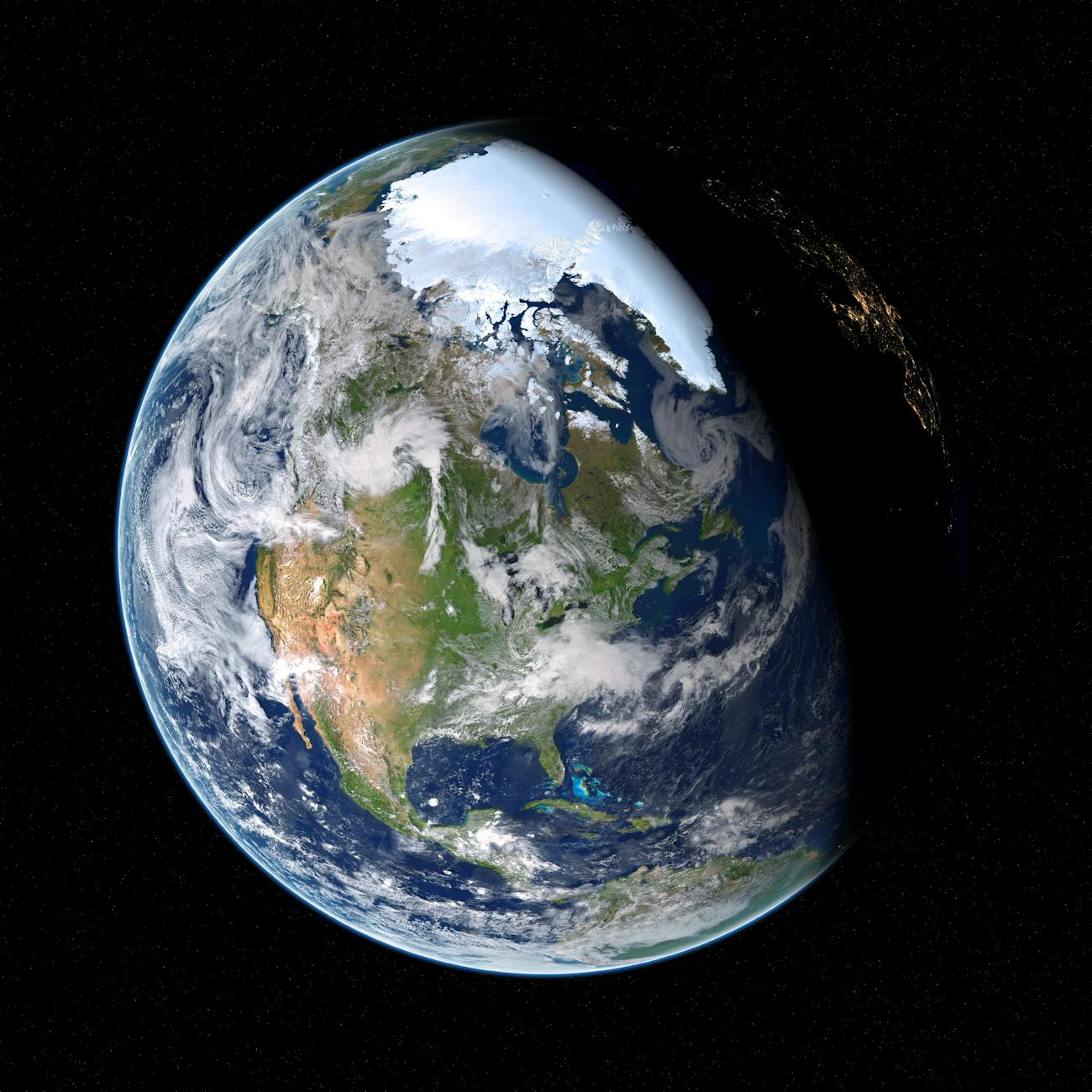
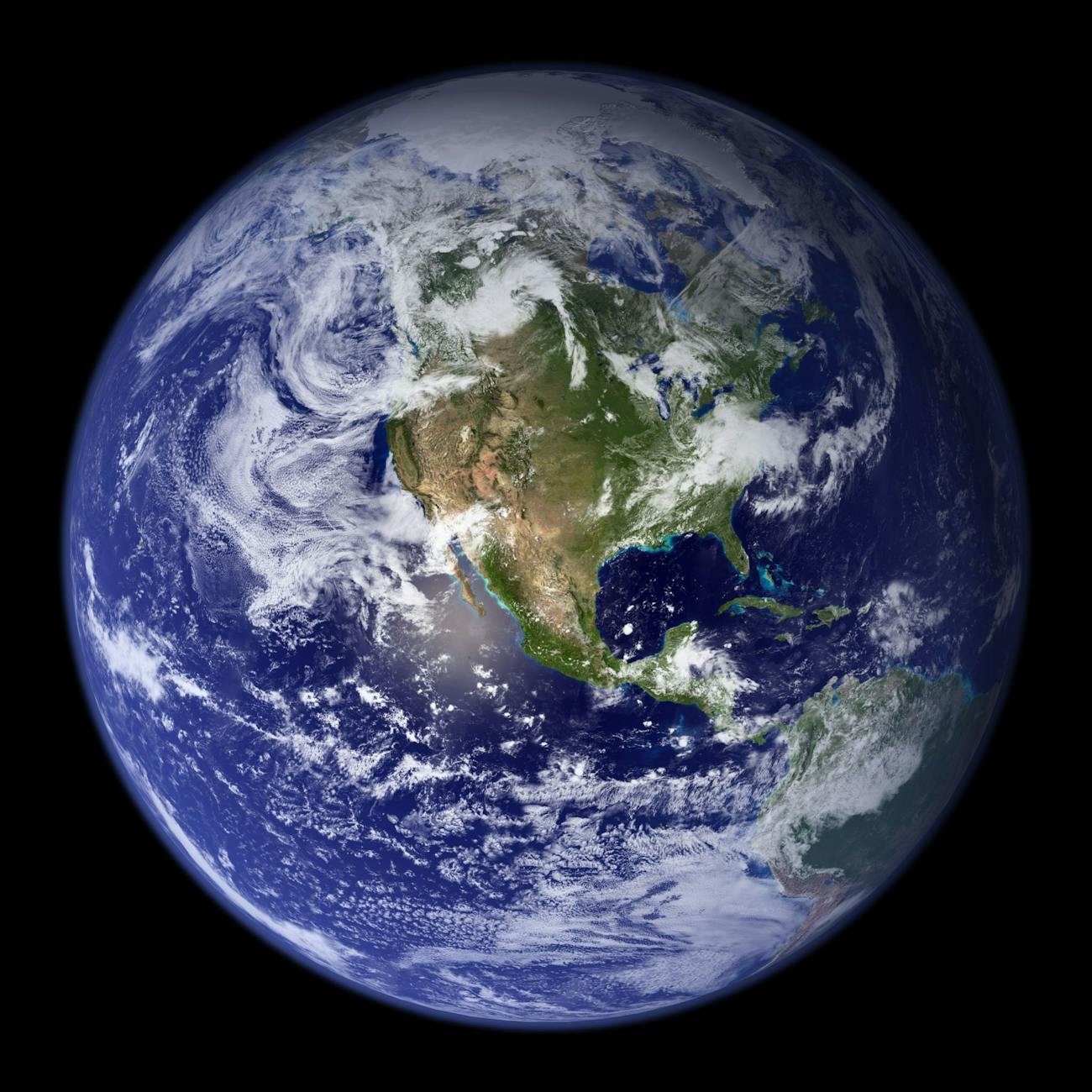
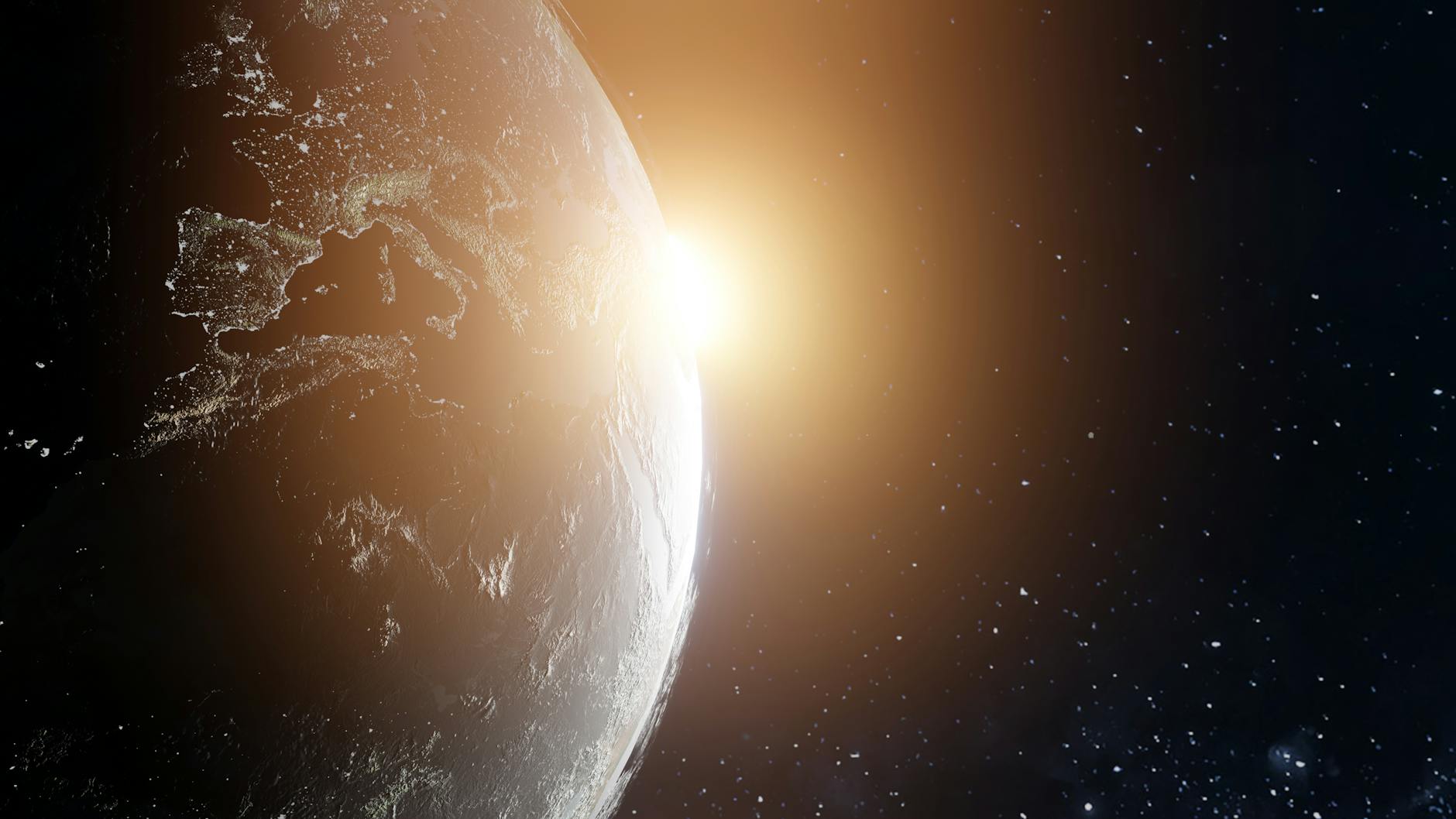
Earth is often called the blue planet for a simple reason: water dominates its surface. The global ocean covers about 70.8% of Earth’s crust, while land makes up the remaining 29.2%. That vast spread of water is not just scenic from space—it is one of the main reasons Earth is the only astronomical object known to harbor life.
What makes this especially remarkable is that Earth is the only world in the Solar System known to sustain stable liquid water on its surface. Oceans, clouds, rivers, ice sheets, groundwater, and water vapor are all part of a connected planetary system. Together, they help regulate temperature, shape weather, move nutrients, and create the conditions that living things depend on.
Watch the story on DeepSwipe
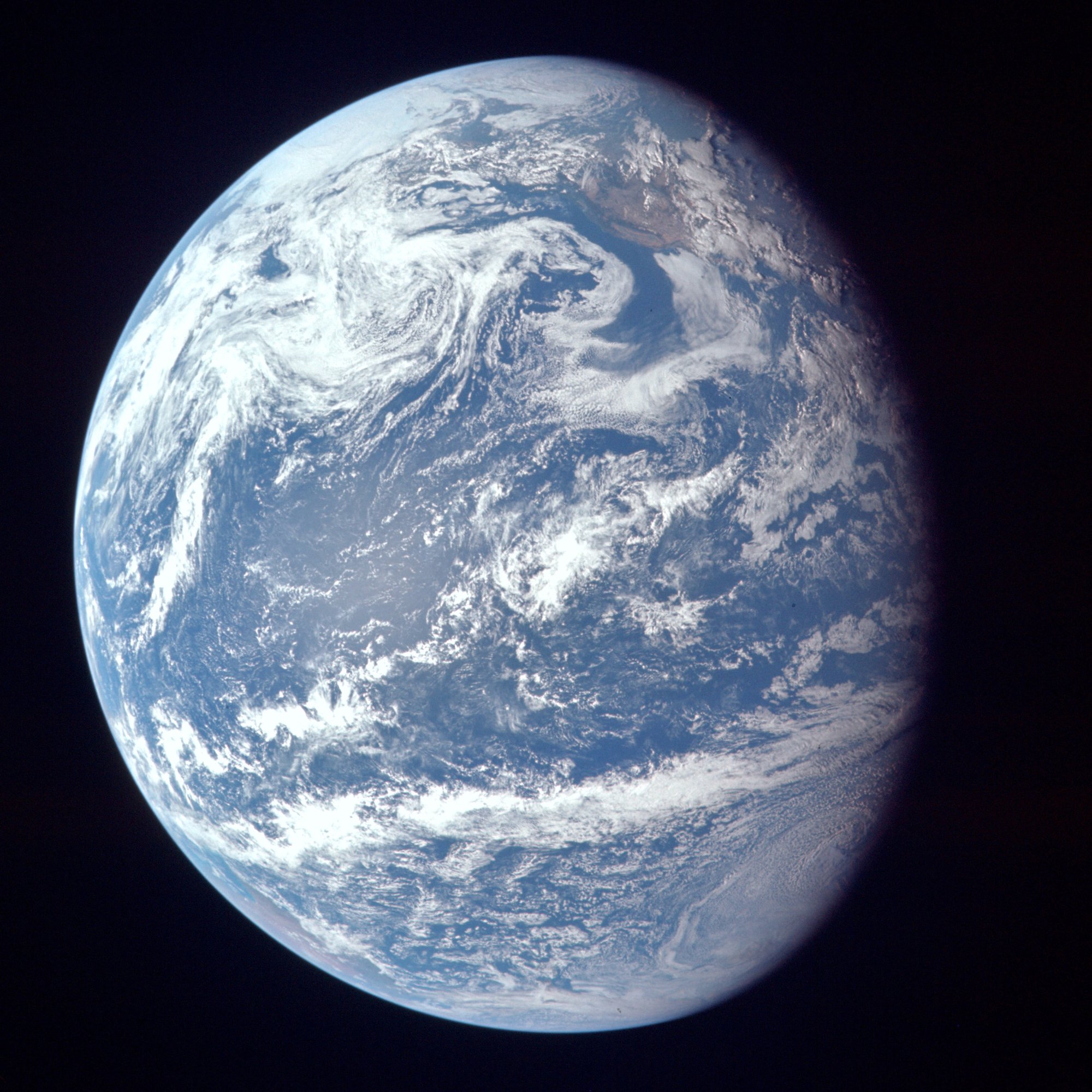
Why Earth is called an ocean world
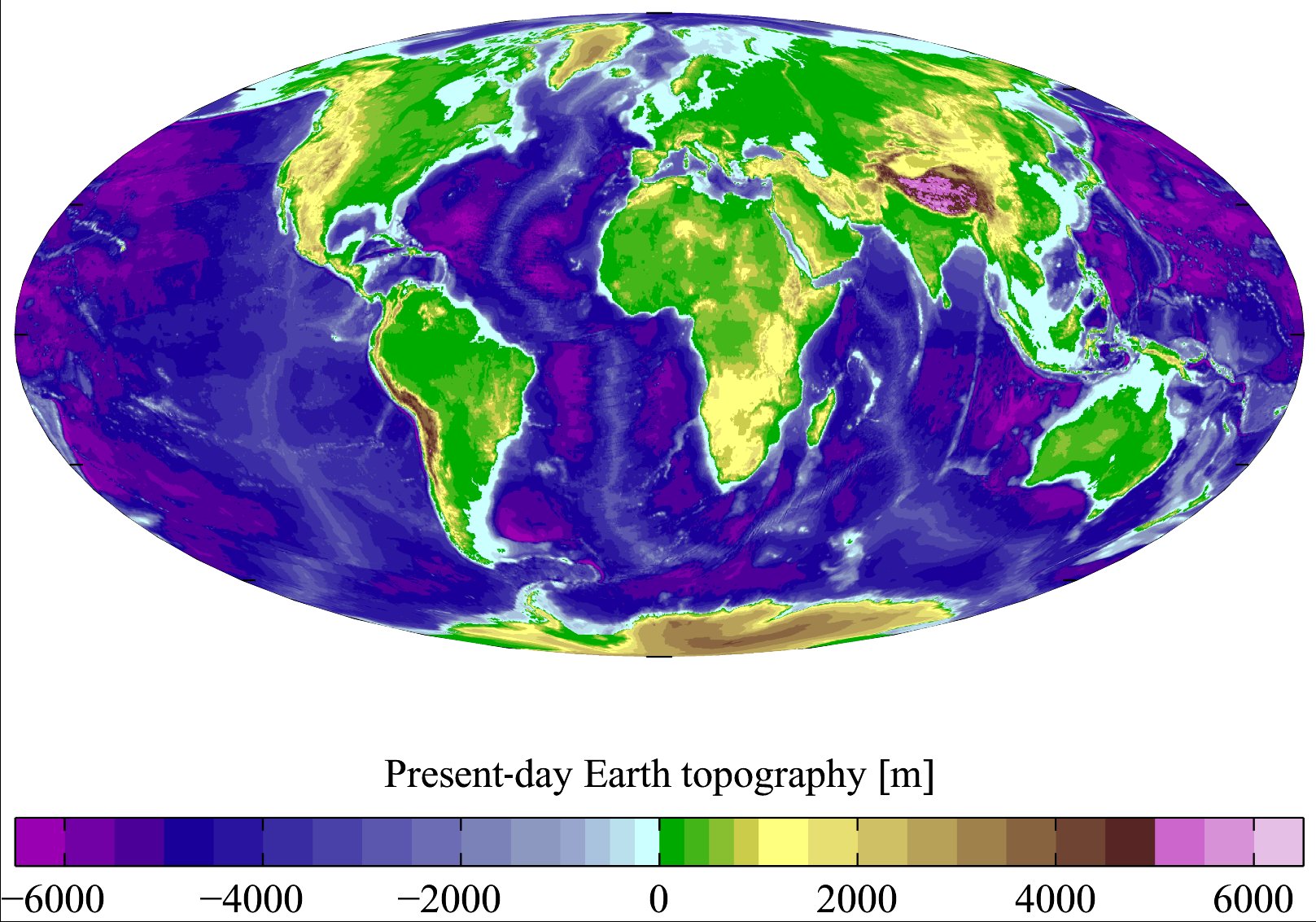
Calling Earth an ocean world is not poetic exaggeration. Most of the planet’s surface is ocean water—about 361 million square kilometers of it. This world ocean is often divided into the Pacific, Atlantic, Indian, Southern, and Arctic oceans, but it is really one immense, connected body of salty water.
If Earth’s crust were smoothed into an even sphere, the resulting global ocean would still be astonishingly deep: around 2.7 to 2.8 kilometers. In reality, the seafloor is far from flat. It includes abyssal plains, seamounts, submarine volcanoes, oceanic trenches, submarine canyons, oceanic plateaus, and a globe-spanning mid-ocean ridge system.
Water is so central to Earth that nearly all of it is stored in the oceans. About 97.5% of Earth’s water is saline, meaning salty. Only 2.5% is fresh water. And even that small freshwater share is not mostly sitting in lakes and rivers.

The surprising truth about where Earth’s water is
A lot of people picture freshwater as something stored mainly in rivers, lakes, and underground reservoirs. But on Earth, most fresh water is locked away as ice.
About 68.7% of freshwater is present in ice caps and glaciers. Around 30% is groundwater. Only about 1% is surface water, and that surface water covers just 2.8% of Earth’s land. There are also smaller stores of fresh water in permafrost, atmospheric water vapor, and living organisms.
This is why polar ice sheets are such a big deal. They retain more water than Earth’s groundwater, lakes, rivers, and atmospheric water combined. In other words, some of the planet’s largest water reserves are not flowing through rivers at all—they are frozen into enormous masses at the poles.
Sea ice adds another twist. In polar regions, the ocean surface can be covered seasonally by sea ice, sometimes connecting with polar land, permafrost, and ice sheets to form polar ice caps. Snow that survives summer can compact into ice, and over time it becomes glaciers, which slowly flow under their own weight and reshape the land.
Why the seas stay liquid
One of the biggest mysteries about Earth is not that it has water, but that so much of that water remains liquid at the surface.
Earth’s atmosphere plays a major role. It is made primarily of nitrogen and oxygen, with trace gases including carbon dioxide. Water vapor is also widely present. These gases do more than just float above us—they help control the planet’s temperature.
Water vapor and carbon dioxide are greenhouse gases. A greenhouse gas is a gas that traps thermal energy in the atmosphere. On Earth, this heat-retention effect keeps the average surface temperature at about 14.76 °C. That temperature is warm enough for water to remain liquid under normal atmospheric pressure.
Without this atmospheric warming effect, the average surface temperature would be about −18 °C. In that much colder world, life as it exists now probably would not exist in its current form.
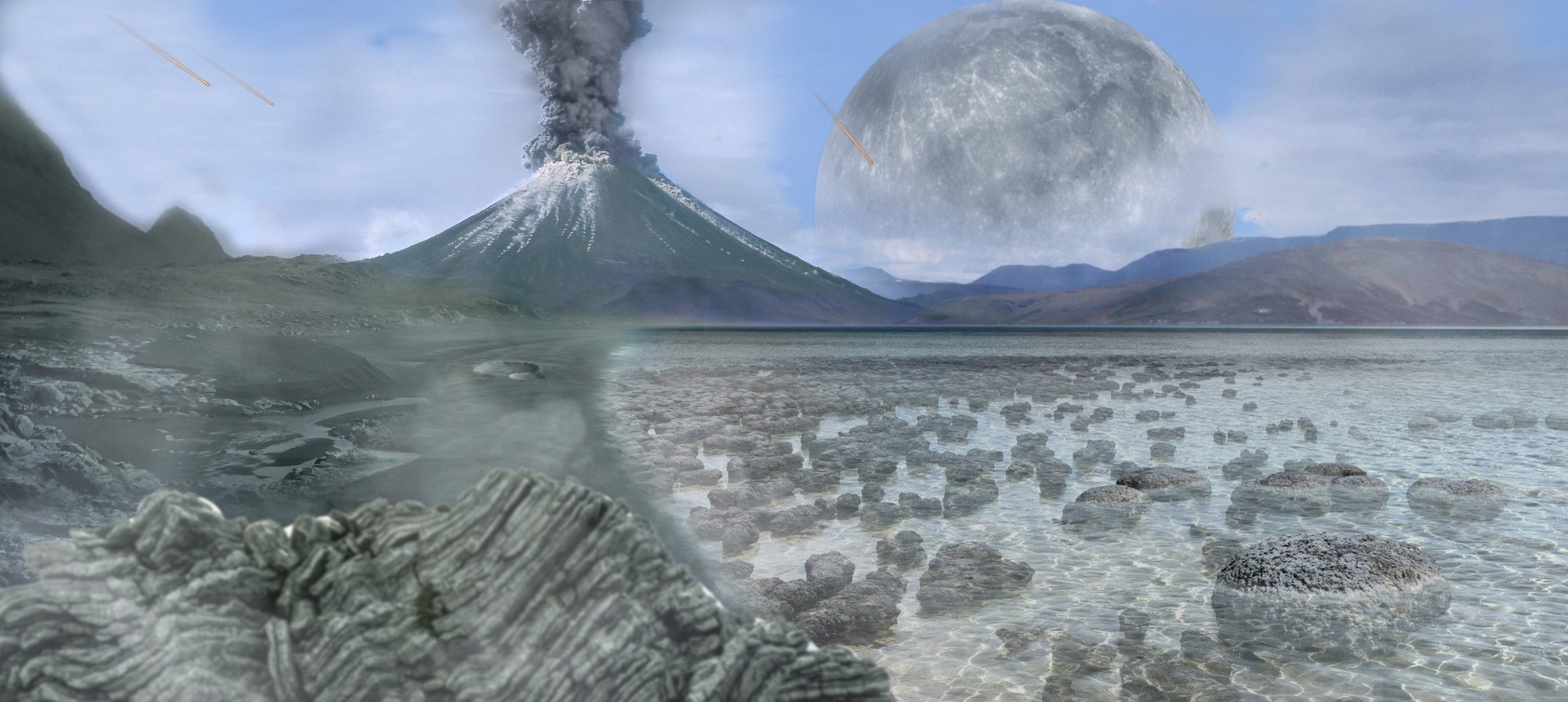
Earth’s early history also depended on this balancing act. Greenhouse gases likely helped prevent the oceans from freezing when the young Sun had only about 70% of its current luminosity. That means Earth’s ability to hold onto warmth has been crucial for a very long time.
The atmosphere: shield, blanket, and water transporter
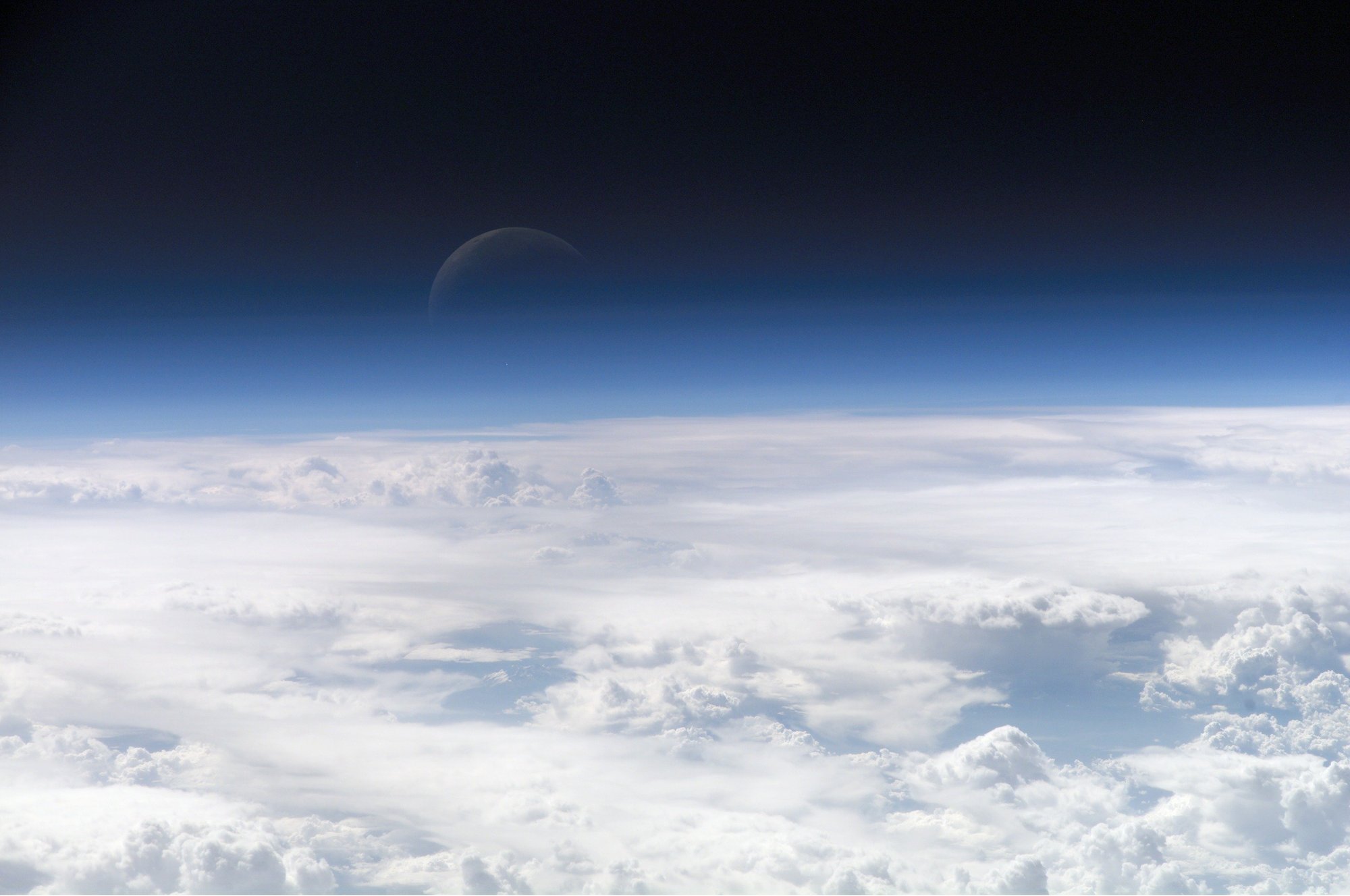
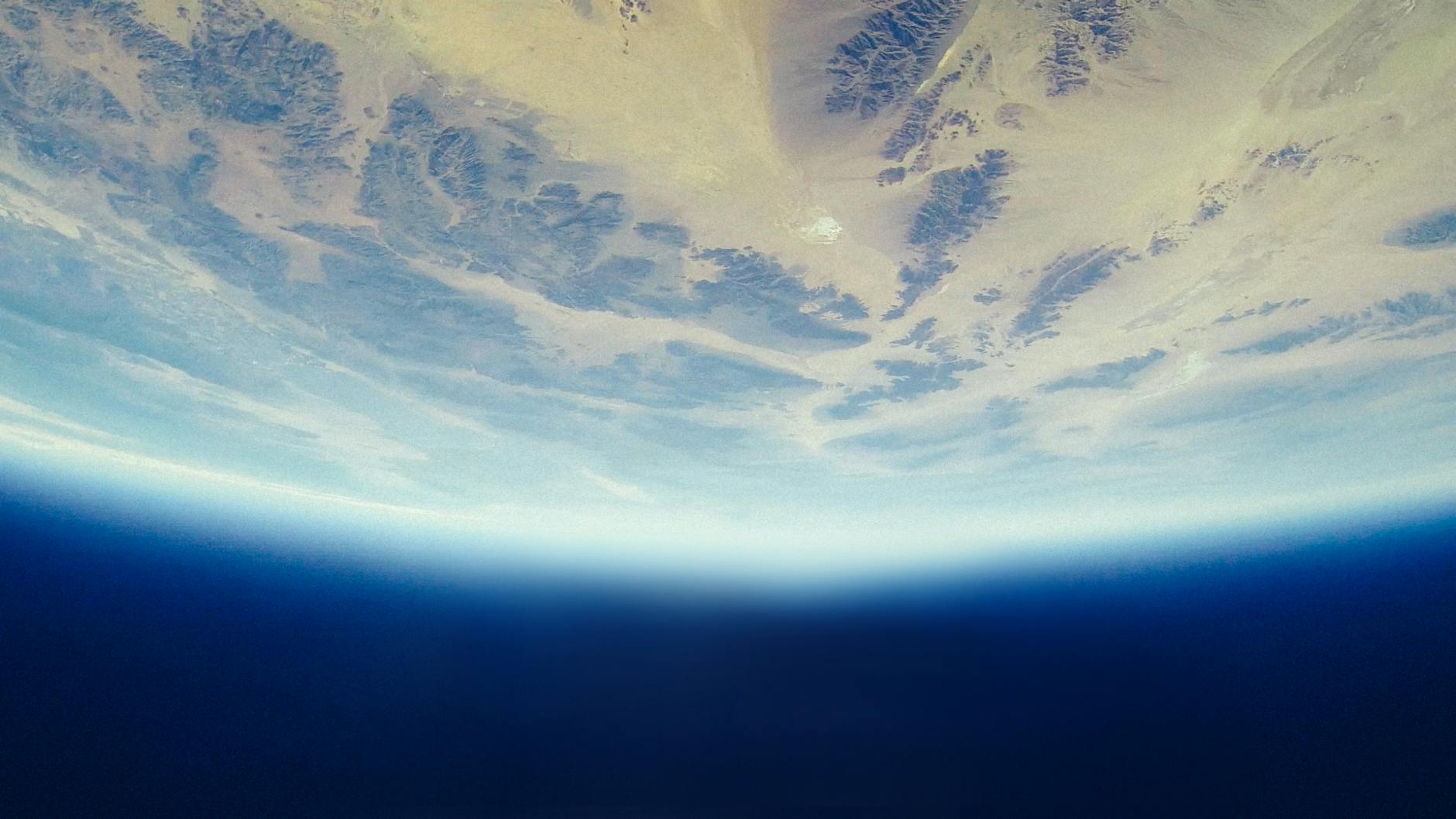
Earth’s atmosphere does several jobs at once. It protects the surface from most meteoroids and blocks much harmful ultraviolet radiation, thanks in part to the ozone layer. It also transports water vapor, forms clouds, and moderates temperature.
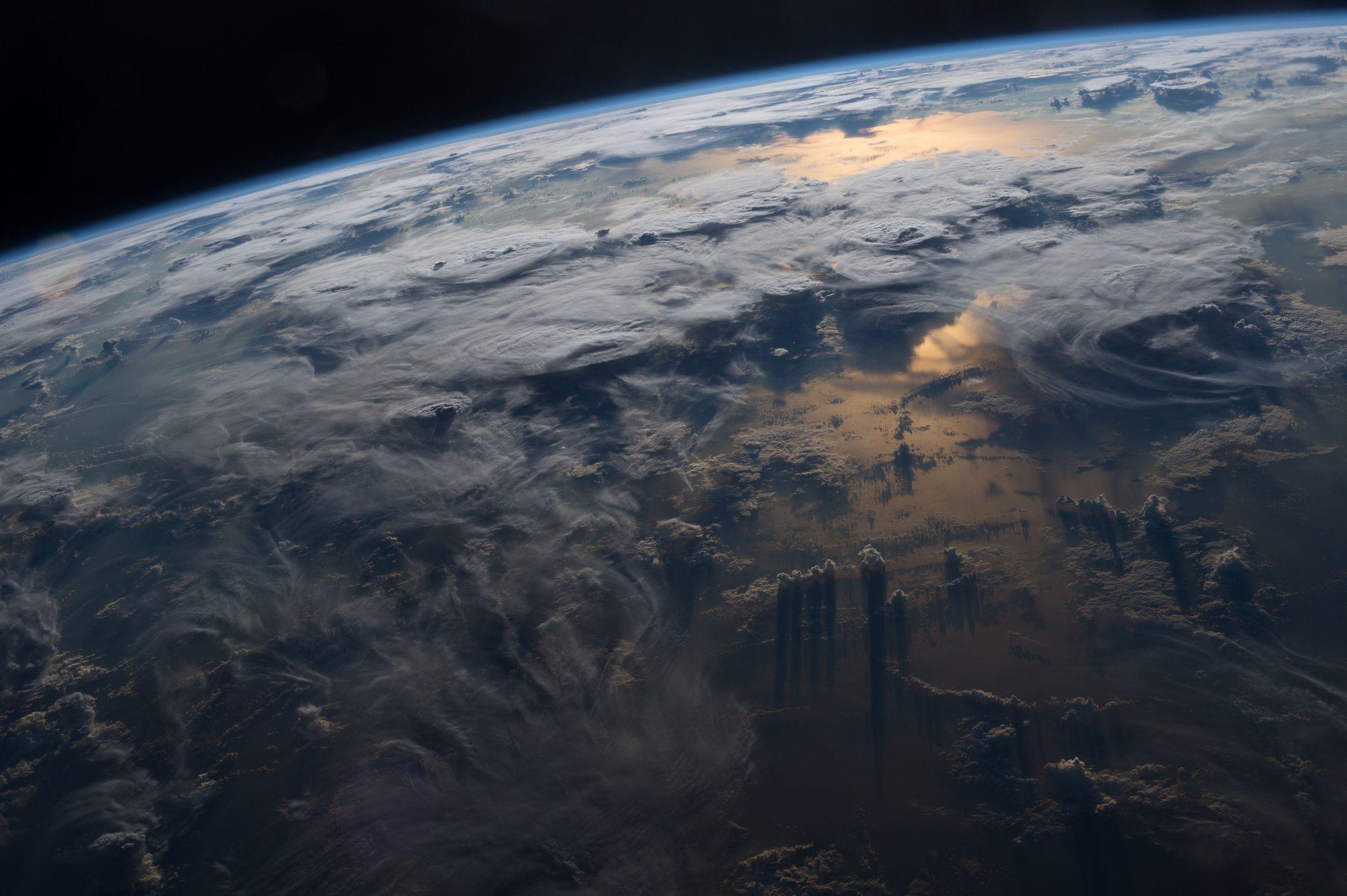
Clouds cover around two-thirds of Earth’s surface, more so over oceans than over land. They form from water vapor in the atmosphere, and they are part of the water cycle that continually moves water between ocean, air, land, and ice.
Atmospheric pressure at sea level averages 101.325 kilopascals, and the lower atmosphere, the troposphere, is where weather happens. Three-quarters of the atmosphere’s mass lies within the first 11 kilometers above the surface. This is the active zone where warm air rises, cool air sinks, and energy from the Sun is redistributed around the planet.
That constant motion is one reason Earth is not just wet, but dynamically wet.
The engine of climate: uneven sunlight
Earth does not receive the same amount of solar energy everywhere. Regions near the equator receive more sunlight than regions near the poles. This imbalance drives atmospheric circulation and ocean currents, which together form the global climate system.
In simpler terms, uneven heating is the engine that powers winds and currents.
The atmosphere has major circulation bands, including trade winds in equatorial regions and westerlies in the mid-latitudes. The oceans also move heat around the planet, acting as a giant heat reservoir. Because water can store large amounts of heat, oceans help moderate climate, especially in coastal regions.
This is why places near oceans often have cooler summers and warmer winters than inland places at similar latitudes. The ocean absorbs, stores, and releases heat more gradually than land.
Shifts in ocean temperature distribution can also produce major weather changes. One example is the El Niño–Southern Oscillation, which can alter weather patterns across large areas.
Water vapor, clouds, and the living planet
The water cycle is one of Earth’s most powerful planetary systems. Water evaporates from the surface, especially from the oceans, rises into the atmosphere, condenses into clouds, and falls back as precipitation.
That precipitation may return directly to the ocean, soak into soil, collect in lakes, freeze into ice, or move across land through river systems. Over long geological periods, this cycle also helps erode and reshape Earth’s surface.
But the water cycle is not just about moving water. It also supports life on land by supplying fresh water and helping nutrients circulate. Earth’s biosphere depends on this constant exchange between atmosphere, ocean, land, and living organisms.
The result is a planet where life and environment are closely linked. Life has altered Earth’s atmosphere and surface over time, while Earth’s ocean world conditions have allowed life to spread globally.
Oceans and habitability
Earth’s oceans do more than host marine life. They are central to habitability itself.
They act as a reservoir for dissolved atmospheric gases important to many aquatic life forms. They influence the global climate by storing and redistributing heat. They connect with the atmosphere through evaporation and cloud formation. And they are part of the broader hydrosphere—the total sum of Earth’s water, whether in oceans, air, ice, rivers, lakes, or underground.
Earth’s abundance of liquid surface water is described as a unique feature that sets it apart from other planets in the Solar System. Some other worlds may have atmospheric water vapor, and some moons may contain large volumes of liquid water beneath thick frozen shells. But Earth stands out because it has stable liquid water directly on its surface.
That simple fact changes everything.
A water world with moving pieces
Earth’s ocean world is not static. The crust beneath the oceans is part of a restless planet shaped by plate tectonics. Oceanic crust forms large basins and is continually recycled back into the mantle. At divergent boundaries, mantle material rises and creates mid-ocean ridges. At convergent boundaries, oceanic crust is subducted beneath other plates.
This internal activity helps shape seafloors, continents, mountains, volcanoes, and trenches. It also connects the ocean world to Earth’s internal heat engine.
Meanwhile, above the surface, Earth’s magnetic field helps protect the atmosphere from being stripped away by the solar wind. That protection matters because the atmosphere is essential to maintaining liquid water and a life-friendly climate.
The big picture
Earth is not just a rocky planet with some water splashed on top. It is a deeply interconnected ocean world.
Its global ocean covers most of the surface. Its atmosphere traps enough heat to keep water liquid. Its clouds, currents, and winds move energy and moisture around the globe. Its polar ice sheets hold enormous freshwater reserves. Its oceans store heat, shape weather, and help sustain life.
This combination makes Earth extraordinary. A little too cold, and the oceans freeze. A little too hot, and they evaporate. But at an average surface temperature of about 14.76 °C, with a protective atmosphere and a dynamic climate system, Earth occupies a rare and remarkable balance.
That balance is what makes the blue planet a living planet.