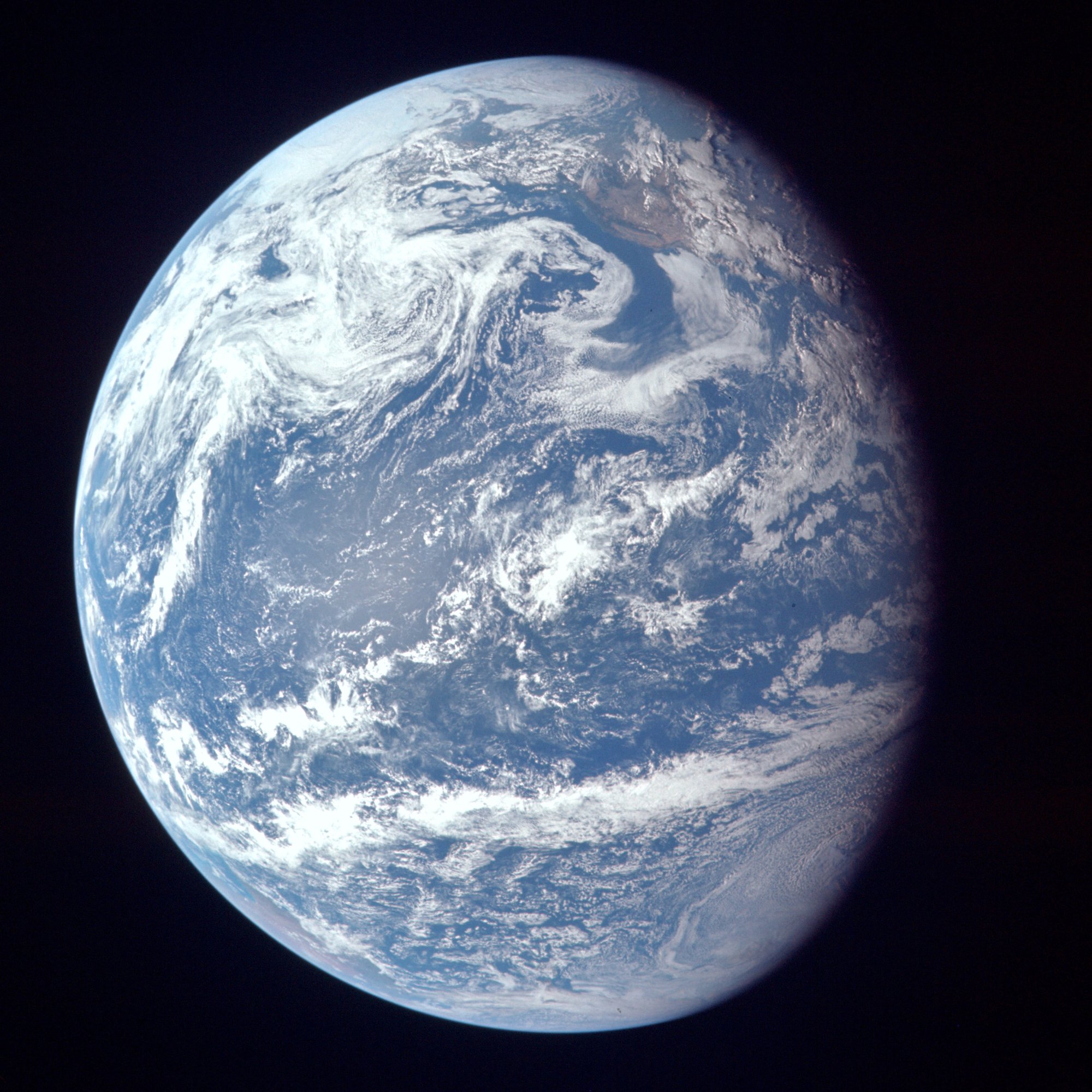
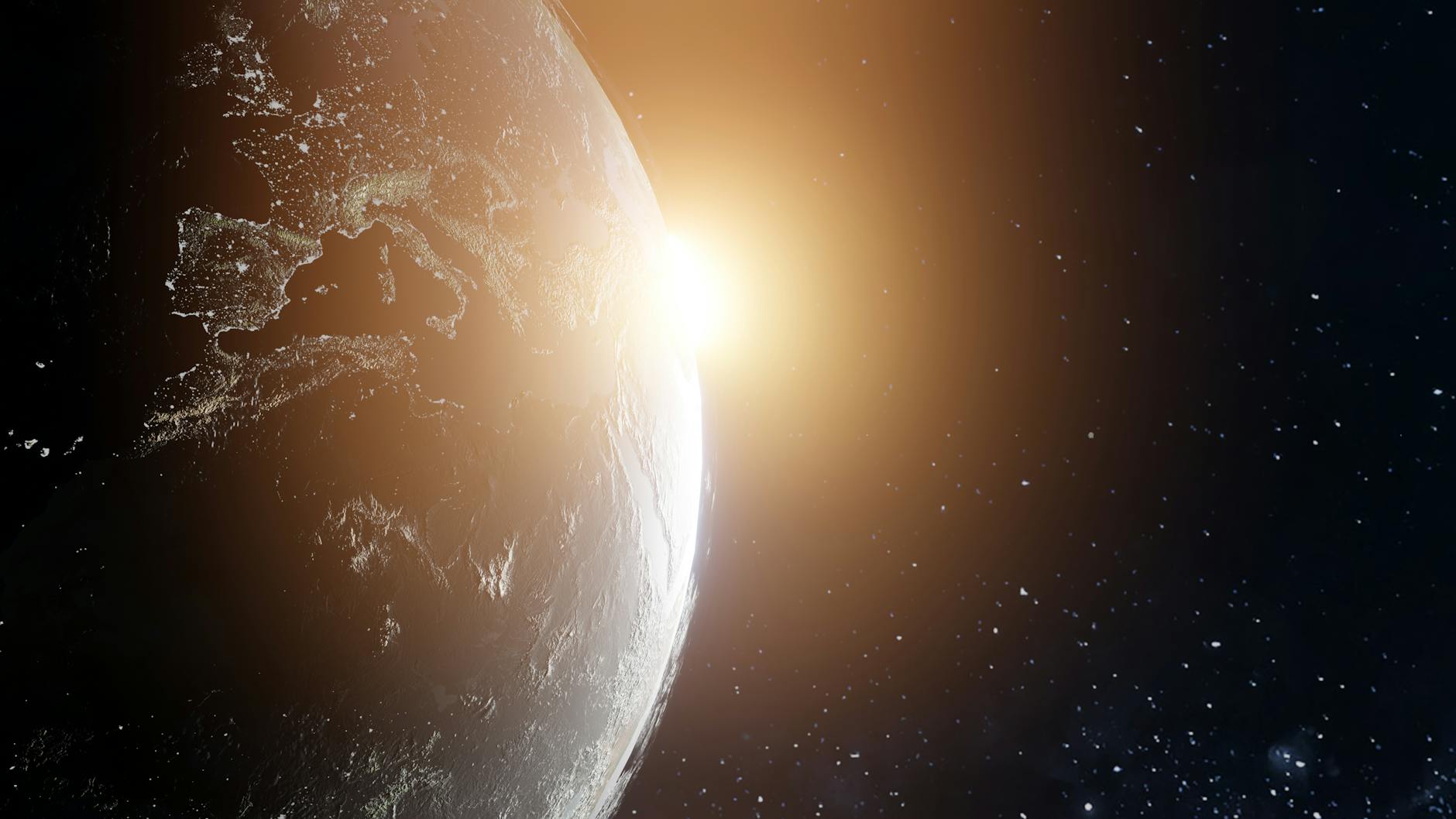
Energy Driving Earth and Weather

Earth can seem full of separate systems: sunshine, storms, mountains, earthquakes, rivers, and climate. But they are all tied together by one big idea: energy changing form.

From the atmosphere above us to the rocks deep below our feet, many of the most dramatic things on Earth happen because energy is stored, transferred, and released. Some of that energy arrives fresh from the Sun every day. Some of it has been trapped inside the planet for immense spans of time. And some of it was stored in heavy atoms long before Earth itself existed.

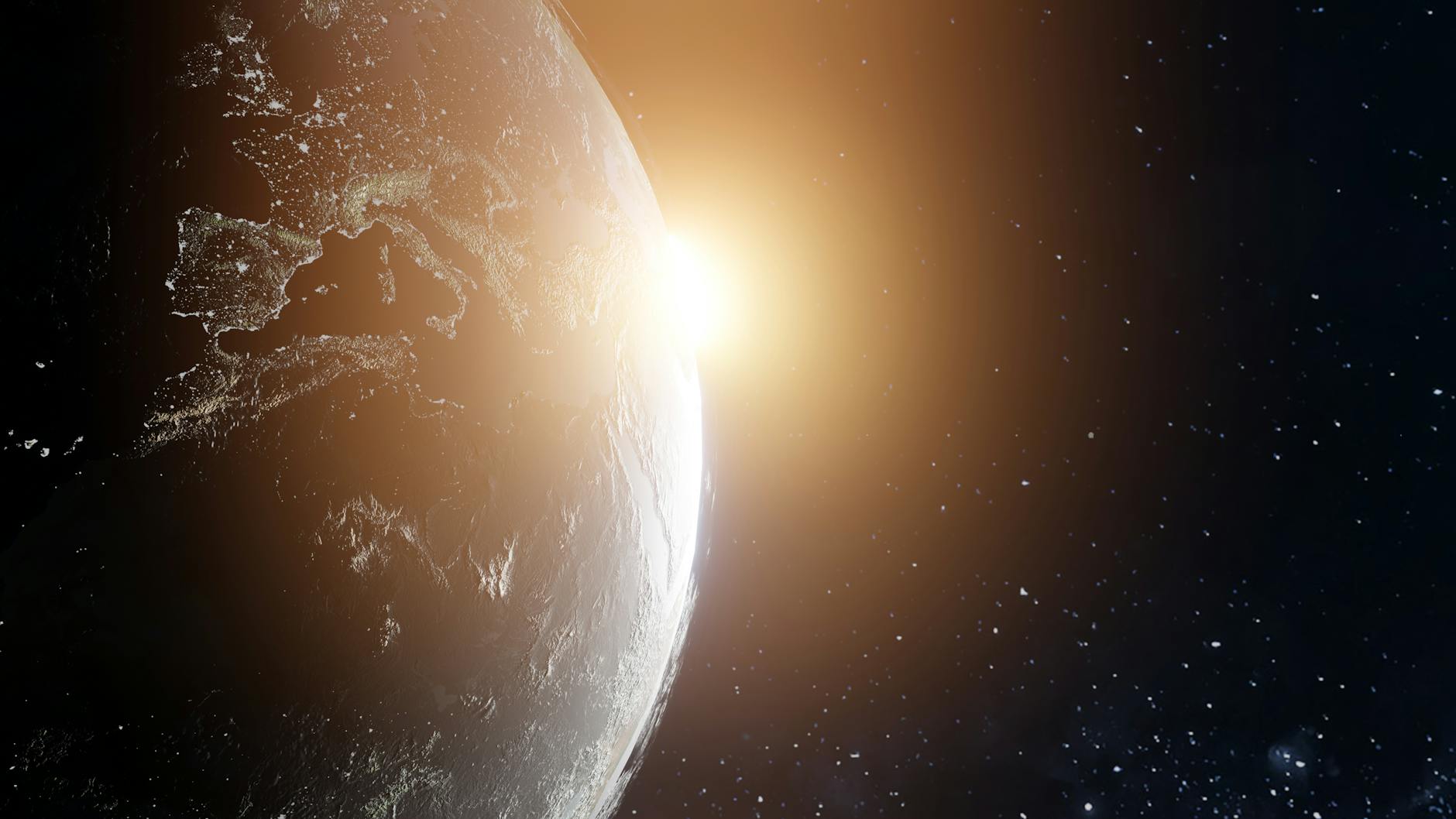
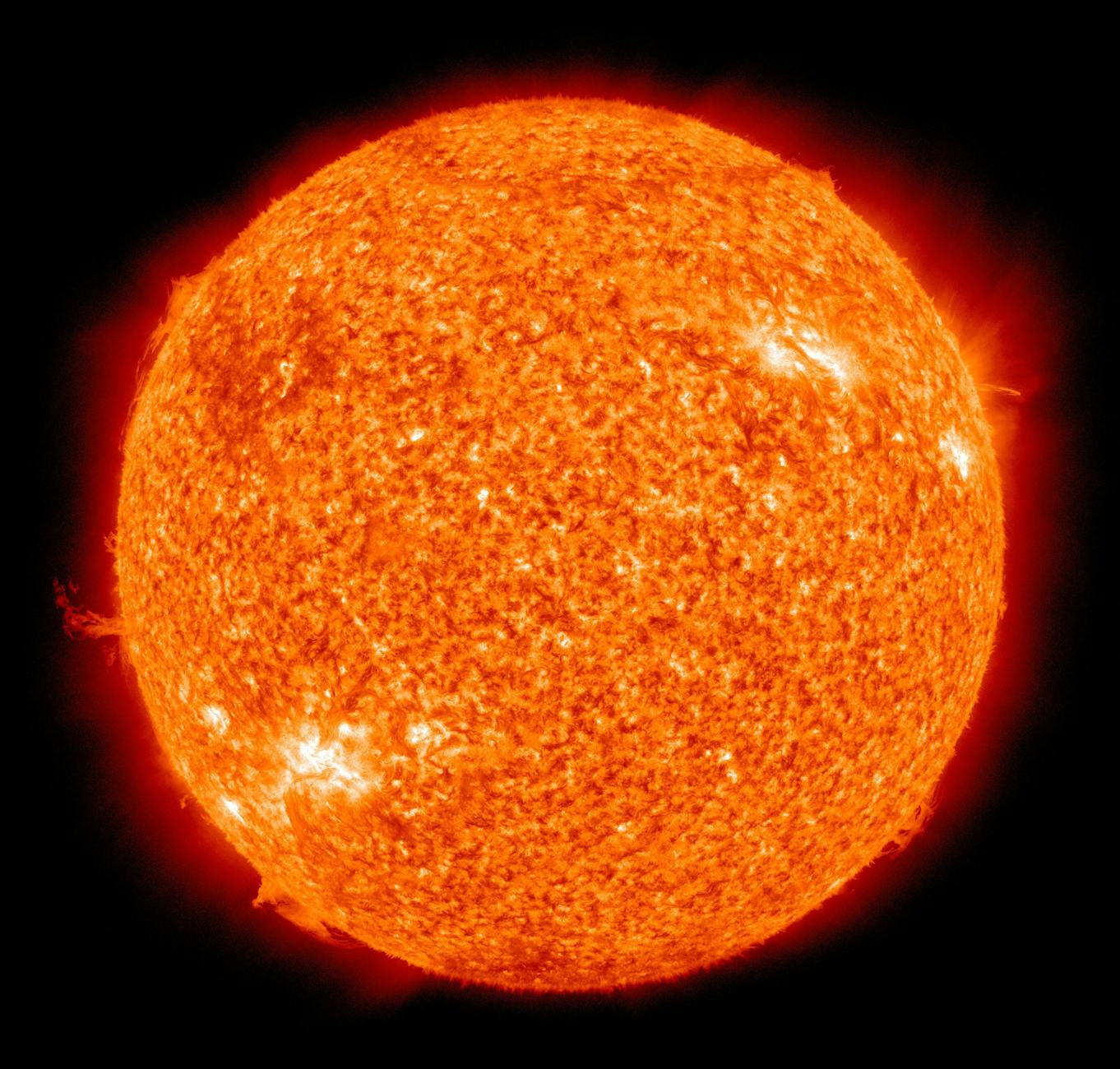
The main input to Earth's energy budget is sunlight. This radiant energy helps account for Earth's temperature and climate stability once its interactions with the atmosphere are taken into account. Radiant energy simply means energy carried by electromagnetic radiation, including sunlight.

This solar input drives Earth's climate and many ecosystem processes. In everyday terms, that means the Sun is behind a huge share of the activity we notice around us, even when the connection is not obvious. Wind, rain, snow, hail, lightning, tornadoes, and hurricanes are all linked to energy transformations in the atmosphere brought about by solar energy.

That makes the Sun much more than a source of daylight. It is the starting point for a vast chain of conversions. Energy arrives as sunlight, is absorbed unevenly across oceans, land, and air, and then gets reshuffled into motion, heat, and changes in weather.

DeepSwipe app banner

How solar energy becomes weather

Weather is full of energy transformations. The atmosphere does not just sit there warmed evenly like an oven. Solar heating produces differences and instabilities, and those differences help power movement.

Meteorological events such as wind, rain, hail, snow, lightning, tornadoes, and hurricanes are results of energy transformations in the atmosphere. In simple terms, solar energy is converted into other forms, especially the motion of air and water.

One especially striking case is the hurricane. Warm ocean water can store thermal energy over time. Thermal energy is the energy associated with heat. When large unstable areas of warm ocean have been heated over months, they may suddenly give up some of that energy. In a hurricane, that stored thermal energy powers a few days of violent air movement.

That makes a hurricane feel less like a random outburst and more like a release event. Energy is accumulated slowly, then discharged quickly. The timescale is part of what makes hurricanes so intense: months of warming can help drive only a few days of extreme atmospheric motion.

Solar energy can also be stored as height

Sunlight does more than heat air and water. It can also end up stored as gravitational potential energy. Potential energy is stored energy associated with position or configuration. Gravitational potential energy is energy stored because something has been lifted within a gravitational field.

A clear example involves water. After sunlight strikes Earth, water can evaporate from oceans and later be deposited on mountains. Once water is high above sea level, it holds gravitational potential energy. If it later flows downward, that stored energy can be released.

The article gives a practical example: when water stored at height is released at a hydroelectric dam, it can drive turbines or generators to produce electricity. So even electricity from falling water can be traced back, in part, to sunlight that helped lift the water into place through evaporation.

Earth also runs on internal heat

Not all of Earth's activity depends directly on present-day sunlight. Deep inside the planet, radioactive decay releases heat. Radioactive decay happens when unstable atoms break apart and release energy. In Earth's interior, this process supplies more than half of the planet's internal heat budget.

In the present day, this radiogenic heat production was primarily driven by the decay of Uranium-235, Potassium-40, and Thorium-232 some time in the past. This internal thermal energy powers slow but enormous geological processes.

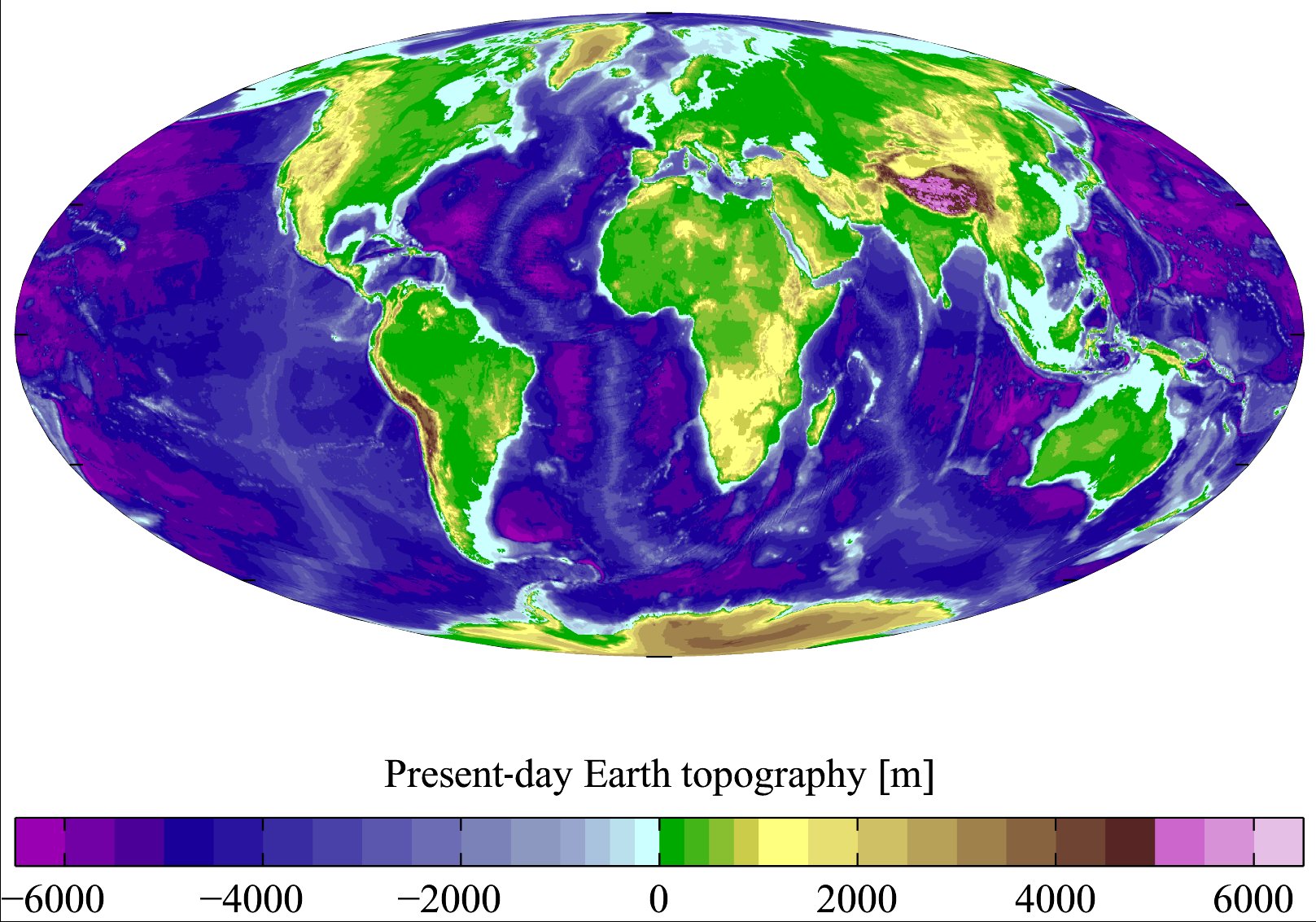
Among the most important is plate tectonics, the large-scale movement of Earth's crustal plates. This same thermal energy may also lift mountains through orogenesis, which is the process of mountain building. These are not fast events on a human timescale, but they are major examples of energy transformation inside the planet.

Mountains are energy storage systems too

A mountain is not just a pile of rock. In energy terms, lifting rock upward stores gravitational potential energy. The slow thermal processes inside Earth can therefore create a kind of long-term energy storage by raising land.

Later, that stored energy may be transformed into motion. The article notes that this can happen during landslides after a triggering event. A landslide is a release of gravitational potential energy that had been stored by elevation. Rock and soil high on a slope have energy because of their position. Once they move downward, that energy is transformed into active kinetic energy, the energy of motion.

So a mountainside can be seen as a delayed-action energy reservoir: heat in Earth's interior contributes to uplift, uplift stores gravitational energy, and a landslide releases it.

Earthquakes release elastic energy stored in rock

Earthquakes involve a different kind of stored energy. The article describes them as releases of elastic potential energy in rocks. Elastic potential energy is the energy stored when a material is strained, compressed, stretched, or bent.

Rocks in Earth can hold this strain for long periods. Eventually, that stored elastic energy is released in an earthquake. Although the shaking seems sudden, the storage phase may have lasted a very long time.

This makes earthquakes another example of energy changing form across timescales. Slow geological processes store the energy. The release can happen abruptly.

Some of Earth's energy is older than Earth

One of the most fascinating parts of the story is that some familiar Earth events are linked to energy stored before our planet formed.

The heavy atoms involved in Earth's internal heat have a deep history. According to the article, landslides and earthquakes can release energy that was stored as potential energy in Earth's gravitational field or as elastic strain in rocks. Before that, it represented energy stored in heavy atoms since the collapse of long-destroyed supernova stars, which created those atoms.

A supernova is an exploding star. The article ties heavy atoms to supernova collapse, and those atoms later became part of the Solar System and Earth. That means part of the energy budget behind geological activity today has roots in events that happened before Earth existed.

This is an extraordinary chain: ancient stellar events helped create heavy atoms, those atoms became part of Earth, radioactive decay in Earth's interior released heat, that heat helped drive tectonics and mountain building, and those processes set up later earthquakes and landslides.

A planet's early history also shaped its energy

Earth's internal energy story also includes its formation. Early in a planet's history, the accretion process provides impact energy that can partially or completely melt the body. Accretion is the growth of a planet through collisions and accumulation of material.

This early energy helped allow a planet to become differentiated by chemical element. The article also notes that chemical phase changes of minerals during formation provide additional internal heating. Over time, internal heat moves to the surface and is radiated away into space, cooling the body.

So Earth's interior is not powered by just one source. Solar energy dominates climate and weather, while internal heat comes from processes including radioactive decay and the energy history of planetary formation.

One planet, many energy transformations

What makes Earth so dynamic is not merely that it has energy, but that energy is constantly being transformed.

In the atmosphere, solar energy becomes wind and storms. In the water cycle, sunlight helps store gravitational potential energy in elevated water. Inside the planet, radioactive decay becomes heat, heat drives tectonics, tectonics can lift mountains, and mountains store energy that may later be released in landslides. Rocks under strain store elastic energy that can be released in earthquakes.

These are all examples of the same broad principle: energy can change form, but it is conserved. It is not created from nothing in a hurricane or an earthquake. Instead, it was already present in another form and then transformed.

That perspective makes Earth feel less like a collection of disconnected events and more like a single flowing system. A storm, a river dropping from a height, a mountain range, and a quake all become parts of a long energy story.

Why this matters

Understanding Earth through energy helps connect fields that often seem separate: weather, geology, climate, and even astronomy. The warmth of the Sun, the violence of a hurricane, the rise of a mountain belt, and the shock of an earthquake all fit into one framework of storage and release.

It also gives a deeper sense of scale. Some energy transformations happen over days, like hurricanes. Some unfold over geologic time, like mountain building. And some begin in events older than the planet itself.

Earth is not just a place where things happen. It is a place where energy, ancient and modern, keeps changing form in spectacular ways.

Stories About Energy

Energy Conservation in Physics

Energy Conservation in Physics

Energy in the Human Body and Cells

Energy in the Human Body and Cells

Why Heat Limits Machines and the Universe

Why Heat Limits Machines and the Universe

Otehr Stories like this

Earth: The Magnetic Shield and Auroras

Earth: The Magnetic Shield and Auroras

Earth: A Preview of the Far Future

Earth: A Preview of the Far Future

Sunspots and Solar Cycles: The Sun’s Magnetic Mood

Sunspots and Solar Cycles: The Sun’s Magnetic Mood

Sun Fusion: How the Sun Makes Its Energy

Sun Fusion: How the Sun Makes Its Energy

The Sun: The Star That Dominates Our Solar System

The Sun: The Star That Dominates Our Solar System

Earth: The Plate Tectonics Time Machine

Earth: The Plate Tectonics Time Machine

Earth's Atmosphere, Blue Skies, and Red Sunsets

Earth's Atmosphere, Blue Skies, and Red Sunsets

Earth: The Ocean World

Earth: The Ocean World

Sunlight vs Neutrinos: Two Very Different Escapes

Sunlight vs Neutrinos: Two Very Different Escapes

Sun Corona Mystery: Why the Outer Atmosphere Is Hotter

Sun Corona Mystery: Why the Outer Atmosphere Is Hotter

Earth: The Hydrogen Escape That Changed the Air

Earth: The Hydrogen Escape That Changed the Air

How Climate Models Work

How Climate Models Work

Chase the energy trail from sunlight to supernovas — download DeepSwipe and power up your brain daily.