On the morning of May 18, 1980, Mount St. Helens produced one of the most dramatic ash clouds in modern American history. The eruption itself was catastrophic, but the ash made the disaster feel far bigger than the mountain. What began in Washington quickly spread across multiple states, darkened cities in daylight, disrupted transportation, damaged machinery, and even sent fine volcanic material around the globe.
The eruption reached a volcanic explosivity index of 5 and has often been regarded as the most disastrous volcanic event in U.S. history. While the blast, landslide, and mudflows were devastating near the volcano, the ash turned a regional eruption into a continental event.
Watch the story on DeepSwipe
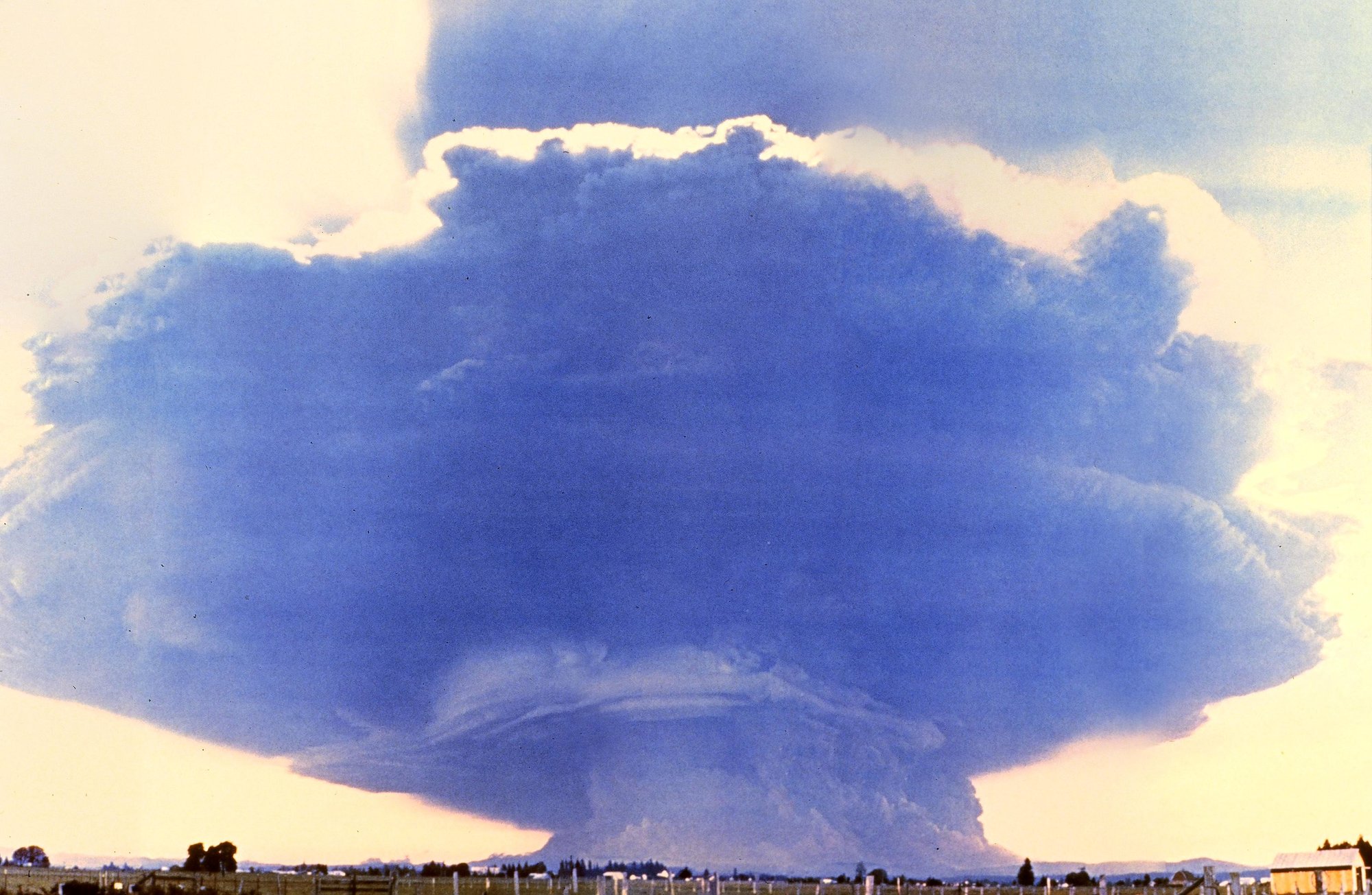
How the ash cloud formed so fast
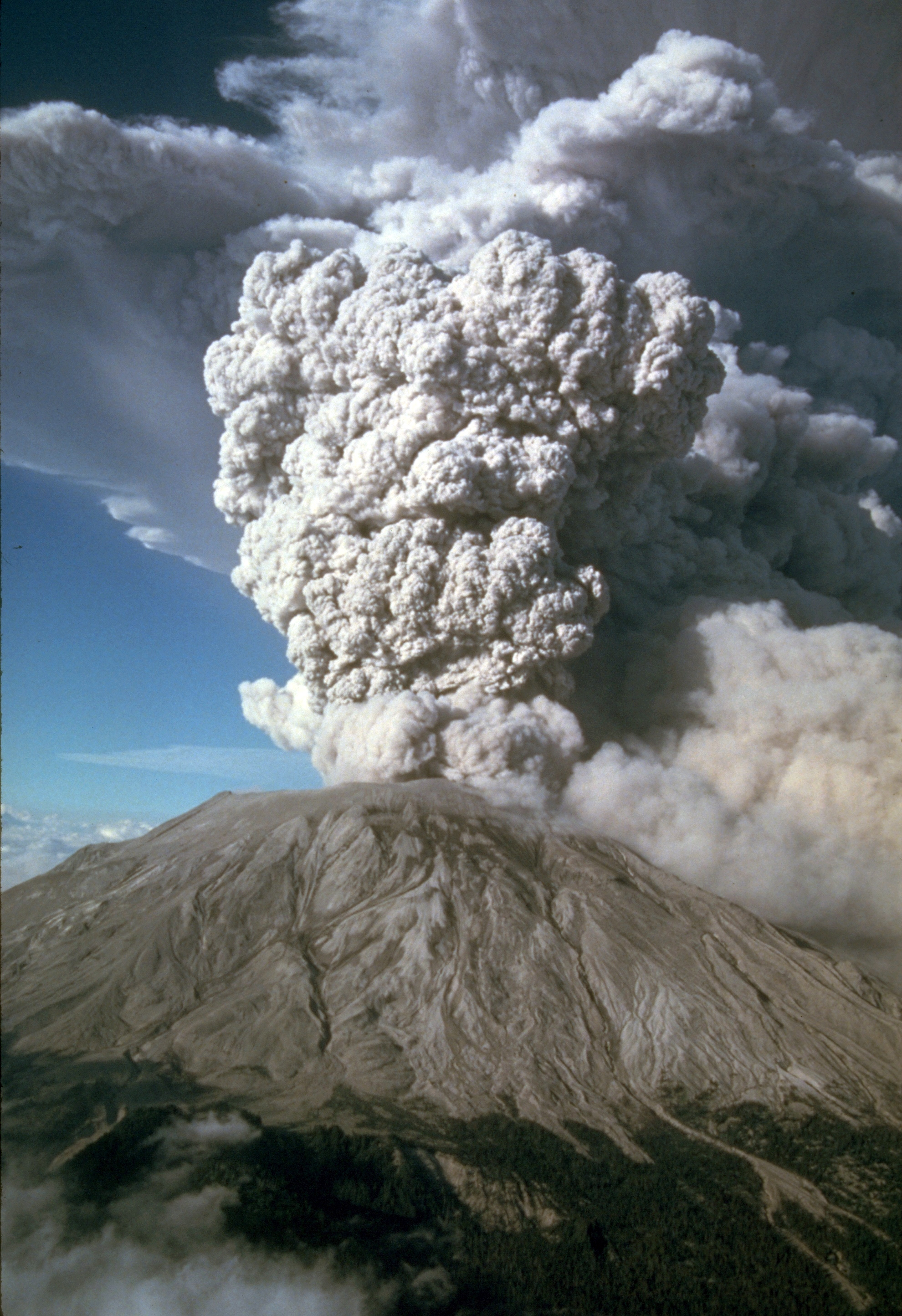
At 8:32 a.m., a magnitude 5.1 earthquake beneath Mount St. Helens triggered the collapse of the volcano’s weakened north side. That collapse exposed partly molten, gas-rich rock to a sudden drop in pressure. The result was an explosive northward blast, followed by a towering eruption column.
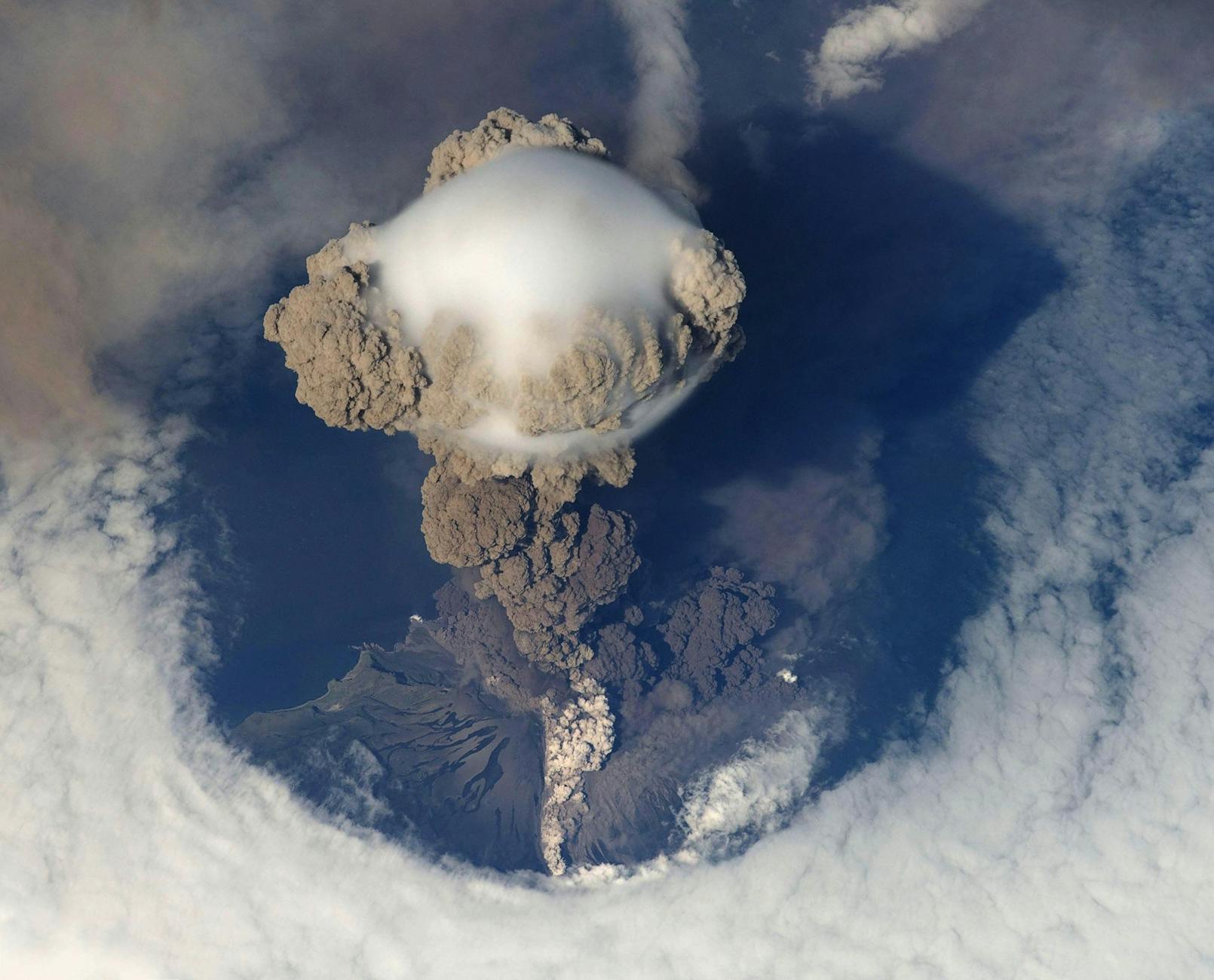
An ash column is the huge vertical plume of ash, gas, and fragmented volcanic material that rises above an erupting volcano. In this case, the column rose to 80,000 feet into the atmosphere. In less than ten minutes, it had already climbed about 12 miles above the expanding crater and continued feeding tephra into the stratosphere for ten straight hours.
Tephra is a general term for material blasted out of a volcano, including ash, pumice, and larger fragments. Volcanic ash is not soft fireplace ash. It consists of tiny, gritty fragments of rock, volcanic glass, and minerals. That harsh texture is part of why it can be so damaging.
Near the volcano, swirling ash particles also generated lightning, adding yet another frightening element to the eruption.

When daylight disappeared
The ash moved east-northeast on strong high-altitude winds averaging about 60 miles per hour. That meant communities far from the volcano quickly found themselves under an advancing gray cloud.
By 9:45 a.m., the ash had reached Yakima, about 90 miles away. By 11:45 a.m., it was over Spokane. In Yakima, 4 to 5 inches of ash fell. In Spokane, conditions became so dark by noon that visibility dropped to just 10 feet, with about half an inch of ash falling there.
That is one of the most striking details of the event: a volcano in Washington made parts of the day look like night. The ash cloud was not just dramatic to look at from a distance. It changed basic daily life in cities hundreds of miles away.
As the day went on, the ash kept traveling. It reached the western part of Yellowstone National Park by 10:15 p.m. The next day, ash was seen on the ground in Denver. Reports of ash fall eventually came from as far away as Minnesota and Oklahoma, and some of the ash drifted around the globe within about two weeks.
A staggering amount of material
During roughly nine hours of vigorous eruptive activity, about 540 million tons of ash fell over more than 22,000 square miles. Before rainfall compacted it, that ash had a volume of about 0.3 cubic miles.
This helps explain why the eruption’s effects spread so far beyond the immediate blast area. Even though the lateral blast and pyroclastic flows caused the most intense local destruction, the ash became the wider public face of the disaster. People who were nowhere near the volcano still saw it on their cars, streets, roofs, farms, and airport runways.
By 5:30 p.m. on May 18, the vertical ash column had declined, but less severe outbursts continued over the following days.
Why volcanic ash is so destructive
It is easy to hear the word ash and imagine something light and harmless. Mount St. Helens showed the opposite. Fine-grained volcanic ash created serious temporary problems for transportation, sewage disposal, and water treatment systems.
The ash greatly reduced visibility, forcing the closure of many highways and roads. Interstate 90 from Seattle to Spokane was closed for a week and a half. Air travel was disrupted for periods ranging from a few days to two weeks, and more than 1,000 commercial flights were canceled after airports in eastern Washington shut down because of ash accumulation and poor visibility.
The ash also attacked machines. It contaminated oil systems, clogged air filters, and scratched moving parts. In mechanical terms, that means engines and equipment were exposed to gritty particles that could wear down surfaces designed to move smoothly. The ash also caused short circuits in electrical transformers, contributing to power blackouts.
This is what made the Mount St. Helens ash so memorable. It was not just a cloud in the sky or a dusty inconvenience. It interfered with roads, planes, electricity, engines, and essential public systems.
Layers, chemistry, and what the ash was made of
The ash varied depending on distance from the volcano and the conditions under which it was deposited. Scientists found that Mount St. Helens ash had notable differences from place to place.
Its bulk chemical composition was found to be about 65% silicon dioxide, 18% aluminum oxide, 5% ferric oxide, 4% each calcium oxide and sodium oxide, and 2% magnesium oxide. Trace amounts of chlorine, fluorine, and sulfur were also detected.
The ash settled in three main layers on the ground:
- a bottom layer that was dark gray and rich in older rock and crystal fragments
- a middle layer made of glass shards and pumice
- a top layer made of very fine particles
Pumice is a lightweight volcanic rock full of gas bubbles, formed from frothy lava. The presence of glass shards is another clue to why volcanic ash is so abrasive. These particles are tiny, but they are sharp and hard enough to damage equipment.
Scientists also studied the ash’s index of refraction, a physics term describing how light moves through a substance. In simple terms, it helps explain how ash particles scatter and absorb light. That matters for understanding both visibility and the way ash behaves in the atmosphere.
Ash fallout was only part of the story
The ash cloud was only one piece of a much larger disaster. The eruption killed about 57 people, destroyed 200 houses, 47 bridges, 15 miles of railway, and 185 miles of highway. Hundreds of square miles were reduced to wasteland, and damage exceeded $1 billion at the time.
Still, ash was the element that connected distant places to the volcano. The lateral blast devastated a fan-shaped area near Mount St. Helens, but ash spread the consequences far beyond the blast zone. It hit farms, cities, transport networks, and infrastructure across a huge region.
In downwind areas with thick ash accumulation, agricultural crops such as wheat, apples, potatoes, and alfalfa were destroyed. That shows how ash fallout can be both immediate and economically serious, even where people are far from the volcano itself.
The cleanup challenge
Removing the ash became a major task for communities in eastern Washington. State and federal agencies estimated that more than 2.4 million cubic yards of ash were removed from highways and airports in Washington alone. That material weighed about 900,000 tons.
Yakima’s ash removal cost $2.2 million and took ten weeks. Disposal became its own challenge. Some places used old quarries and sanitary landfills, while others created dump sites wherever it was practical. To keep wind from lifting the ash again, some disposal areas were covered with topsoil and seeded with grass.
This part of the story is easy to overlook, but it matters. An eruption does not end when the ash stops falling. Fine volcanic material can continue disrupting transportation, public works, and normal life long after the sky clears.
A local eruption with global reach
Mount St. Helens was a disaster centered on one mountain in Skamania County, Washington. But the ash transformed it into something much larger. It raced east at about 60 miles per hour, plunged cities into darkness, shut down airports, damaged engines and electrical equipment, and crossed much of North America before some of it circled the globe.
That is why the 1980 eruption remains so unforgettable. The blast zone showed nature’s raw force up close. The ash showed how far that force could travel.
In just hours, Mount St. Helens proved that a volcano does not need lava flowing through city streets to disrupt life on a massive scale. Sometimes the most far-reaching part of an eruption is the cloud that keeps moving long after the mountain explodes.