For most of the human story, nobody was writing anything down.
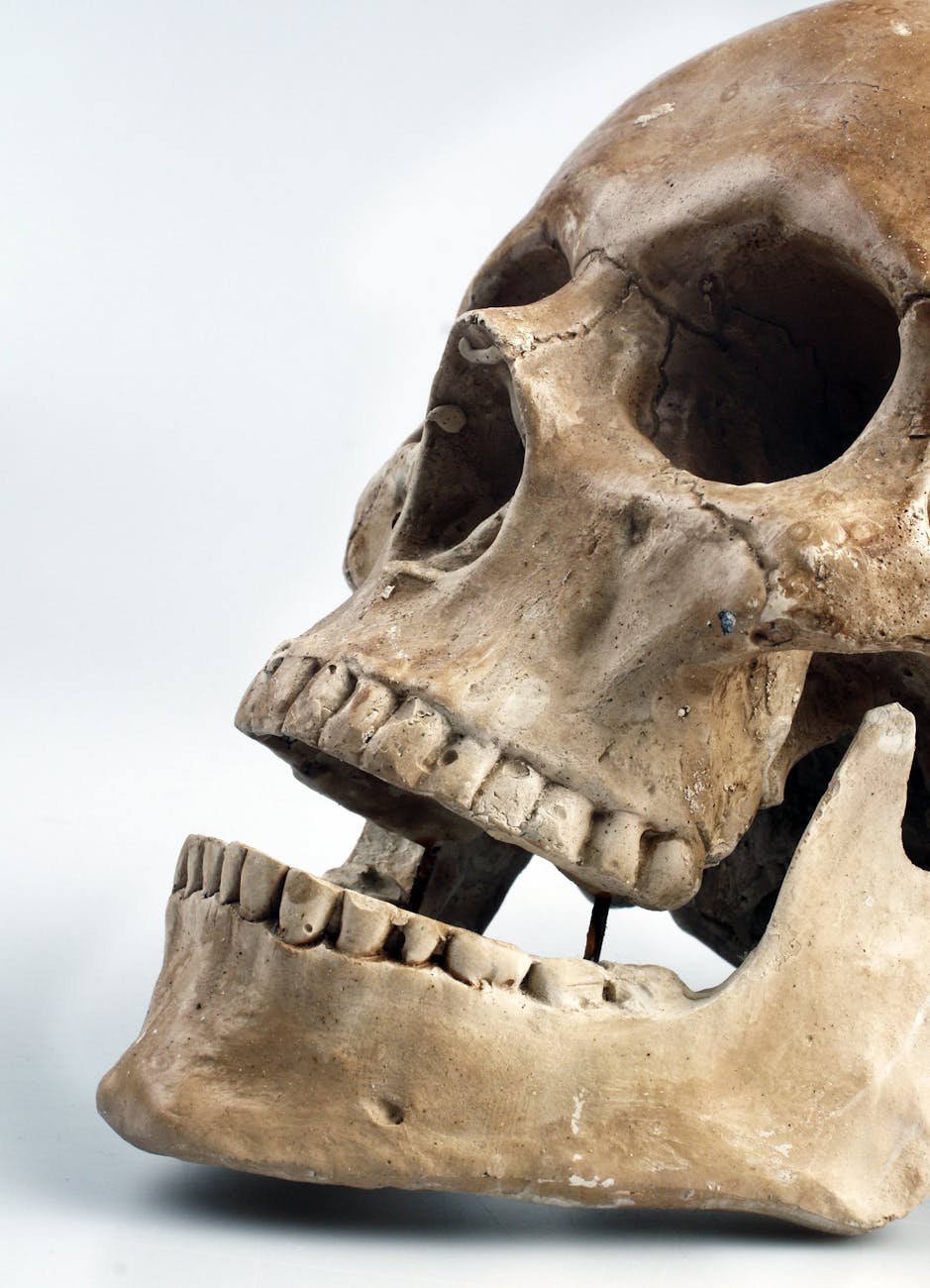
That simple fact changes how we understand the past. Prehistory is the immense span between the first known stone tools, dating to about 3.3 million years ago, and the appearance of writing systems much later. Symbols, marks, and images appeared very early, but the earliest known writing systems emerged only around 5,200 years ago. In other words, nearly all of humanity’s timeline unfolded before written records became part of everyday life.
This makes prehistory not a short prologue, but the longest chapter of human existence.
Watch the story on DeepSwipe
What “prehistory” actually means
Prehistory is the period before a society leaves behind its own written records. That does not mean nothing happened, or that people from those times were somehow less complex. It simply means the evidence is different.
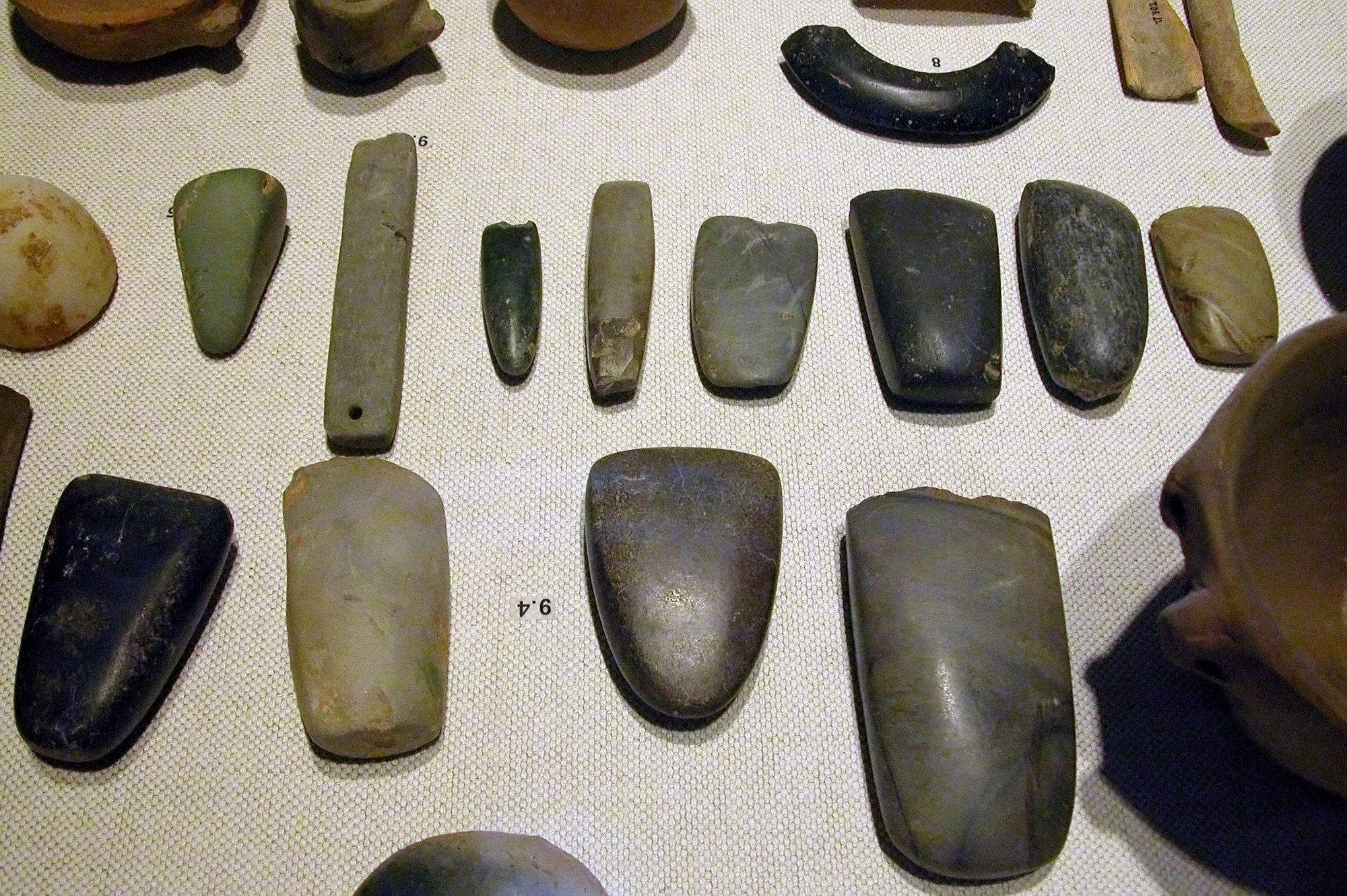
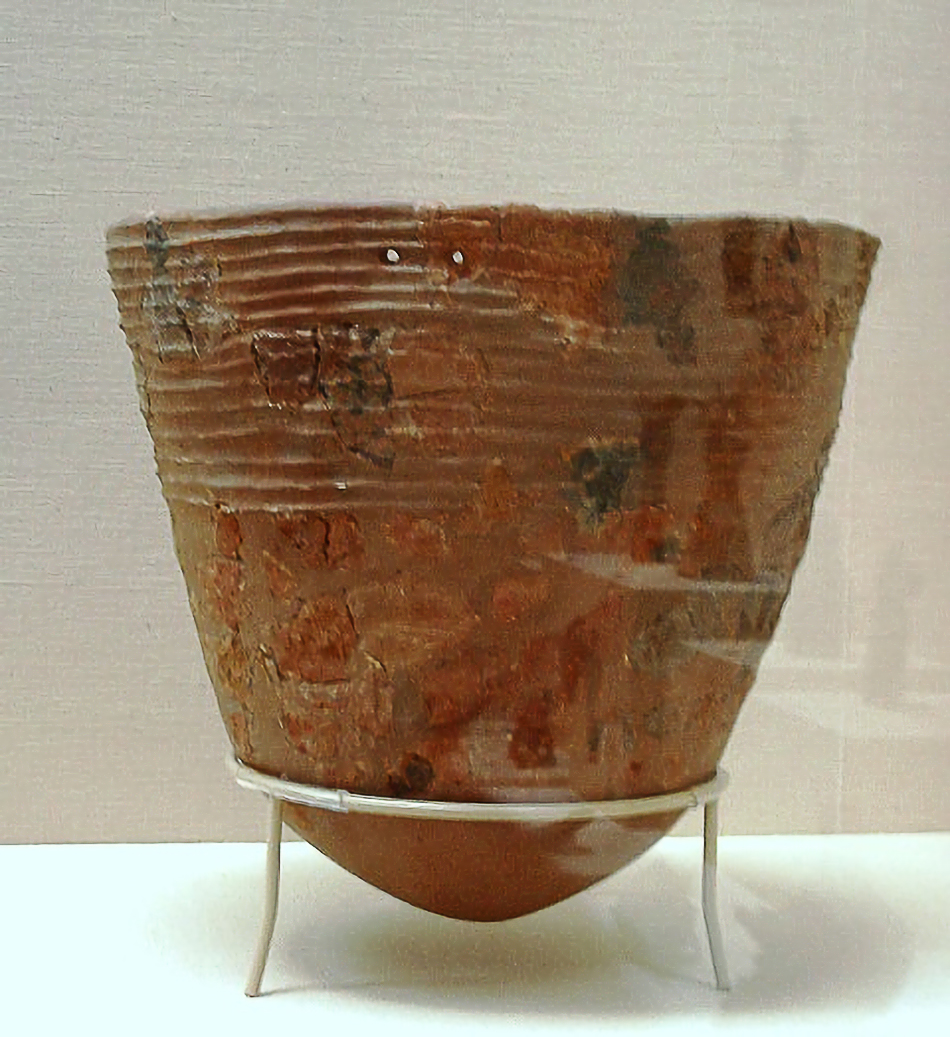
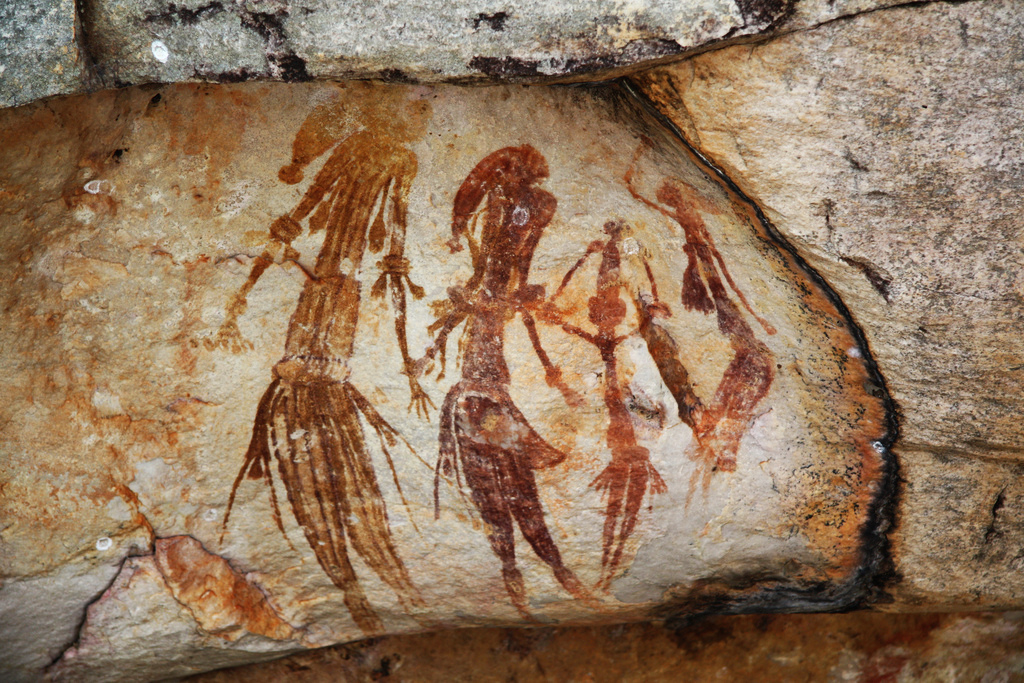
Instead of reading chronicles, laws, letters, or royal inscriptions, researchers rely on material evidence: tools, bones, dwellings, burial sites, charcoal, pottery, and countless other traces of human activity. Because of that, prehistory is often anonymous. We may know a culture by its tools, its settlement patterns, or its burial customs, but not by the names of individual rulers or authors.
Many familiar labels from prehistory are modern terms created to organize the distant past. These categories help distinguish groups and periods, even if their exact boundaries are sometimes debated.

Why writing changed everything
The invention of writing marks one of the great turning points in human history. Once people began recording information, they could preserve administrative records, events, and other details in ways that material remains alone cannot provide.
But writing did not appear everywhere at once. Its adoption spread slowly across the world, which means prehistory ended at very different times depending on the region.
In Egypt, prehistory is generally considered to have ended around 3100 BCE. In New Guinea, by contrast, the end of prehistory is placed much more recently, in the 1870s, when the anthropologist Nicholai Miklukho-Maklai lived among native peoples and described their way of life in a detailed account.
This huge time gap is one of the most surprising things about prehistory: it is not a single universal era with one neat ending date. It is a condition tied to the presence or absence of written records.
The in-between stage: protohistory
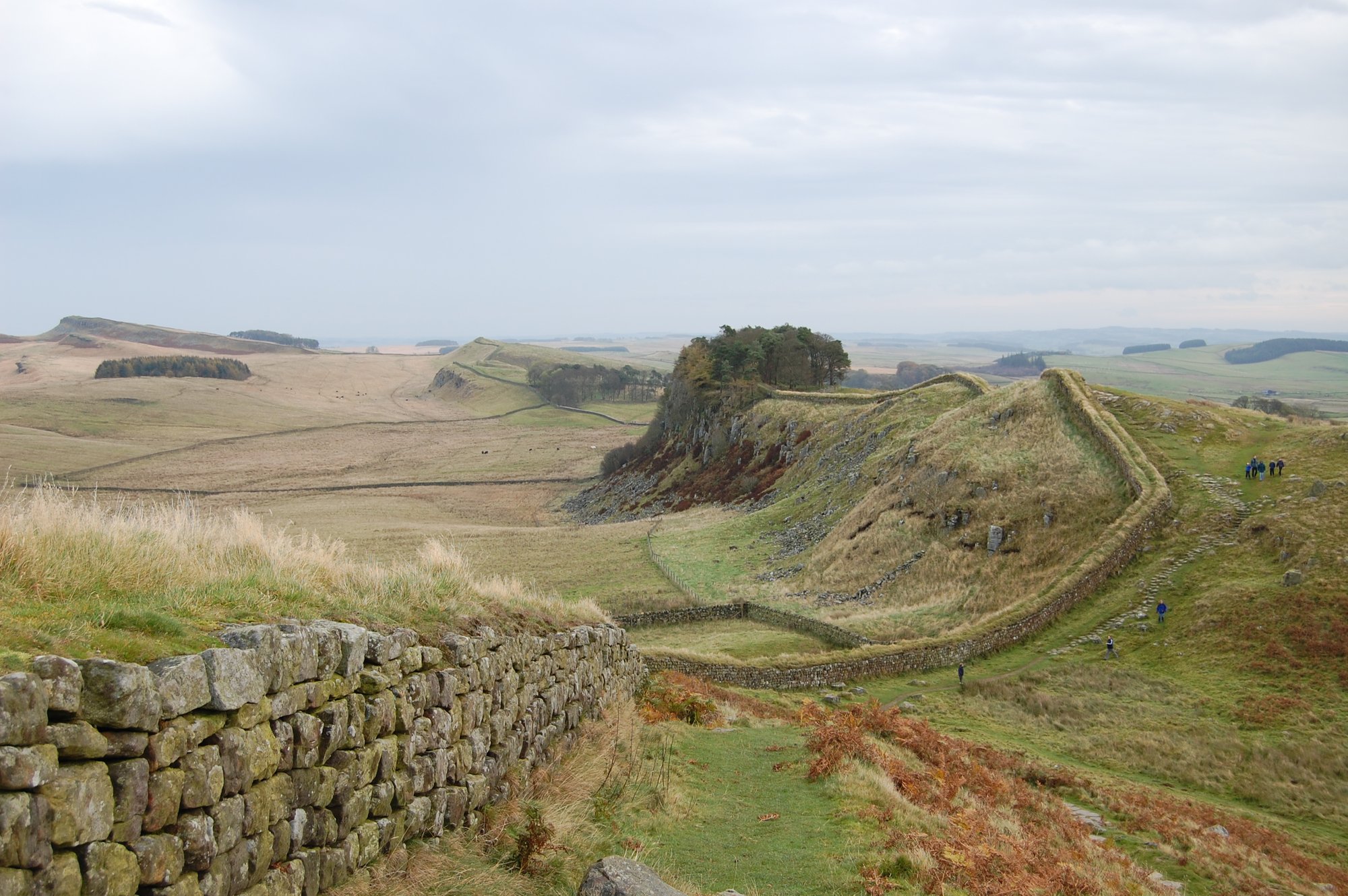
Some societies occupied a fascinating middle ground. They had not yet developed their own writing systems, but they were described by neighboring literate cultures. This stage is called protohistory.
Protohistory helps explain why the boundary between prehistory and history can be blurry. A people may appear in written sources, but only through outsiders’ eyes. That can be useful, but also tricky, because such accounts may be incomplete or biased.
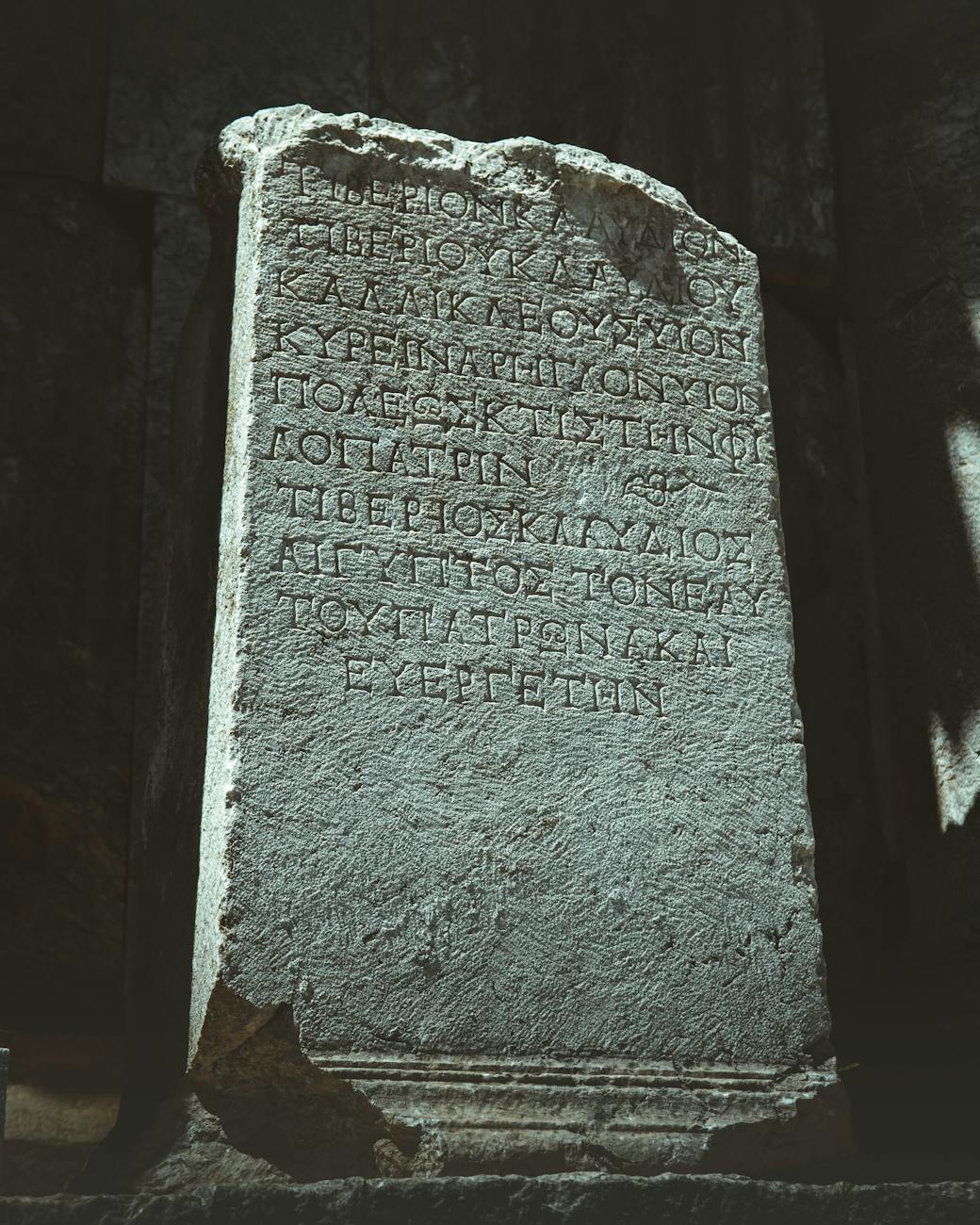
In parts of Europe, for example, cultures neighboring Ancient Greece and Ancient Rome had little writing of their own, yet they were discussed in Greek and Roman literature. Historians still debate how much weight should be given to those descriptions.
The earliest writing systems
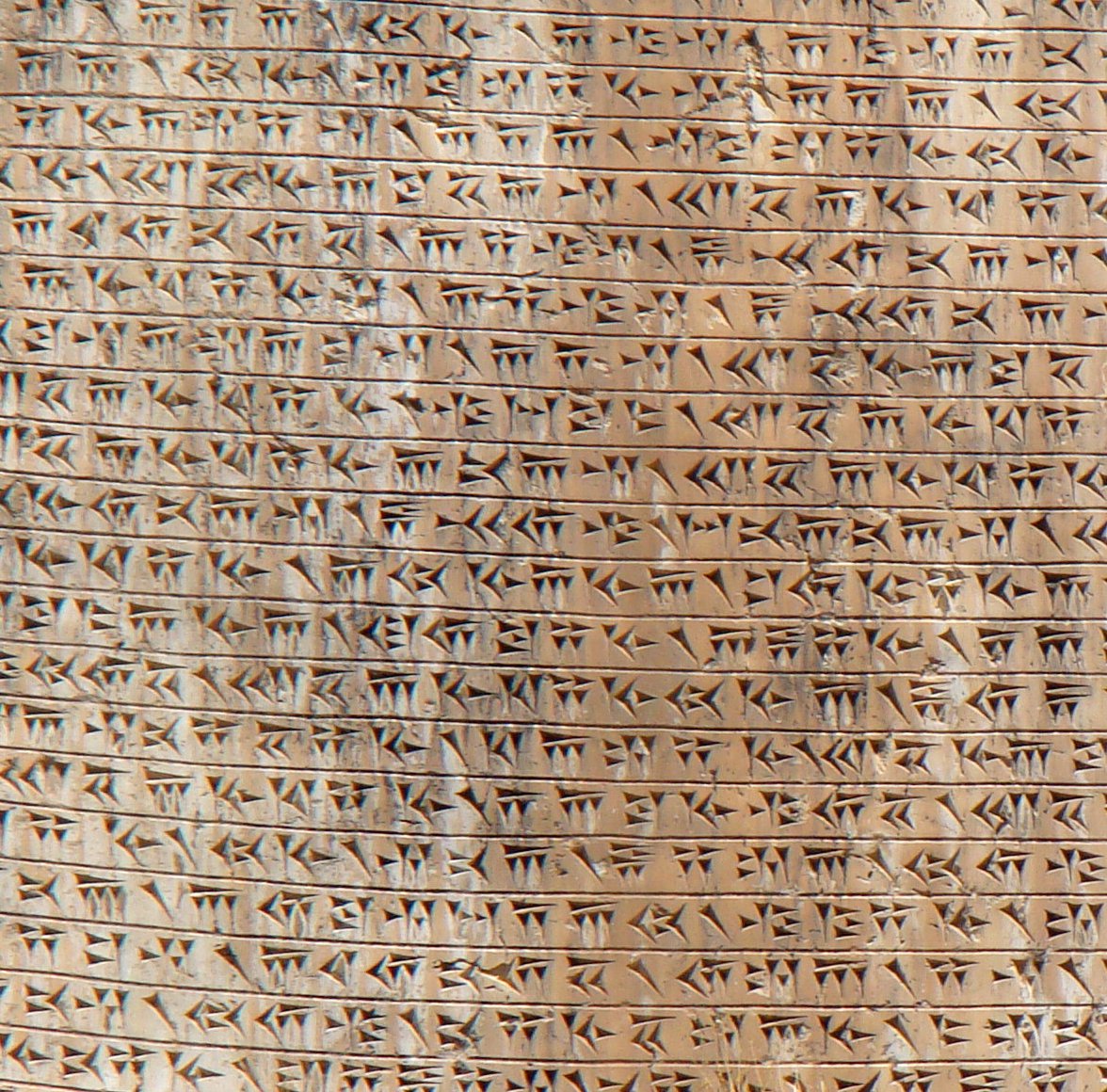
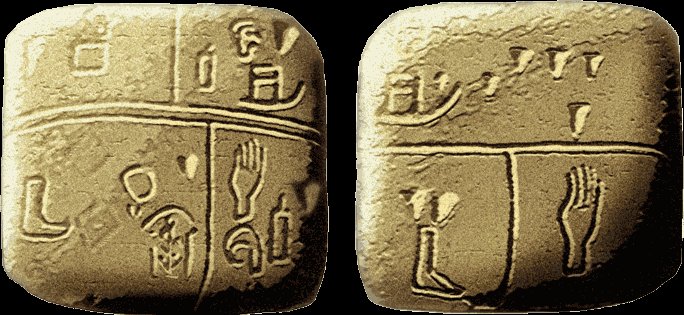
The earliest known writing systems appeared about 5,200 years ago. In the early Bronze Age, Sumer in Mesopotamia, the Indus Valley Civilisation, and ancient Egypt were the first civilizations to develop their own scripts and keep historical records, with neighboring societies following.
One early step toward writing appeared in Sumer around 3700 BCE, where pictographic proto-writing known as proto-cuneiform emerged. At that stage, it was primarily a record-keeping tool and had little connection to spoken language according to the majority of specialists.
That detail matters. Writing did not necessarily begin as literature, philosophy, or storytelling. In at least some cases, it began as a practical system for keeping records.
Why prehistory ends at different times
It is tempting to imagine that all societies moved through the same stages together, but the evidence shows otherwise. The end of prehistory depends on when written records become a useful source in a given place.
That is why one region may enter history thousands of years before another. It also explains why the word “prehistory” is used differently depending on the part of the world under discussion.
In Europe, some areas transitioned out of prehistory long before others. In Australia, 1788 is usually taken as the end of prehistory. In places with literate empires nearby, local peoples could move into protohistory before developing writing themselves.
So the shift from prehistory to history was not a global switch. It was a slow, uneven transformation.
How we know anything about prehistory at all
Without written records, reconstructing prehistory depends on scientific investigation. The main source of information is the archaeological record, studied alongside evidence from many other fields.
Researchers use excavation, geologic and geographic surveys, and scientific analysis to interpret the behavior and lifeways of pre-literate and non-literate peoples. Human population genetics, historical linguistics, and cultural anthropology also contribute important clues. Other fields involved include biology, geology, paleontology, palynology, molecular genetics, archaeoastronomy, and physical anthropology.
One especially important tool is dating. Reliable dating methods have improved steadily since the nineteenth century, and the most common is radiocarbon dating. Other methods include forensic chemical analysis to identify how materials were used and where they came from, as well as genetic analysis of bones to reveal kinship and physical characteristics.
Because prehistory leaves no written archive, every fragment matters. A charred log, a stone tool, or a burial can become part of a much larger story.
The long ages before writing
In Eurasia, prehistory is often divided using the three-age system: Stone Age, Bronze Age, and Iron Age. These periods are named after dominant tool-making technologies.
The Stone Age begins with the earliest use of stone tools and stretches across an enormous span of time. The Paleolithic, or Old Stone Age, began with the first stone tools around 3.3 million years ago and lasted until the end of the Pleistocene around 11,650 BP. During the Paleolithic, humans generally lived as nomadic hunter-gatherers.
The Mesolithic followed in many regions after the retreat of glaciers at the end of the Pleistocene. It was a time of changing environments and often of smaller composite tools such as microliths.
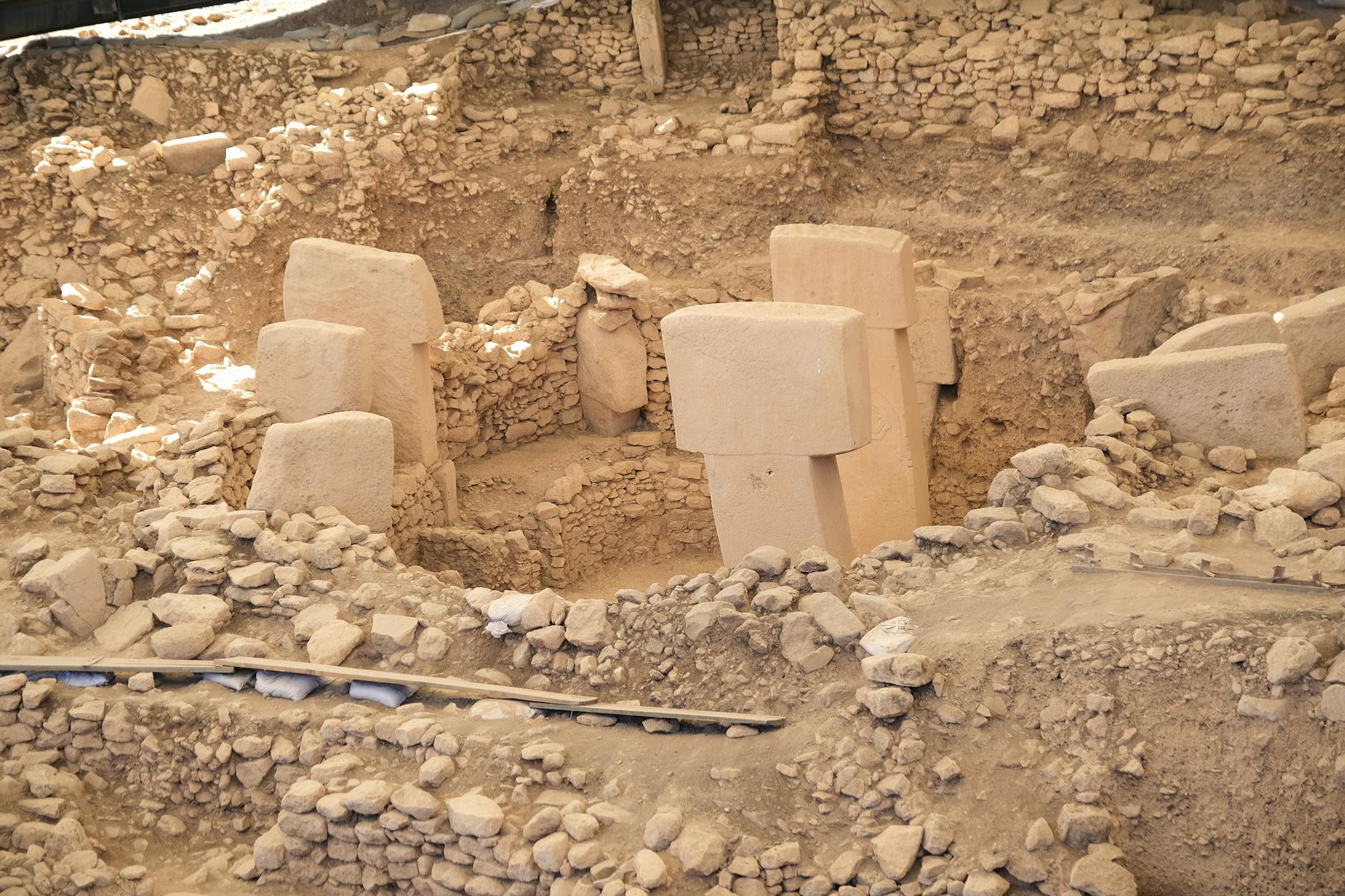
Then came the Neolithic, or New Stone Age, which began around 10,200 BCE in some parts of the Middle East, later elsewhere. This was the period of farming, animal domestication, permanent settlements, and early villages. The Neolithic established many of the basic elements later seen in historical cultures.
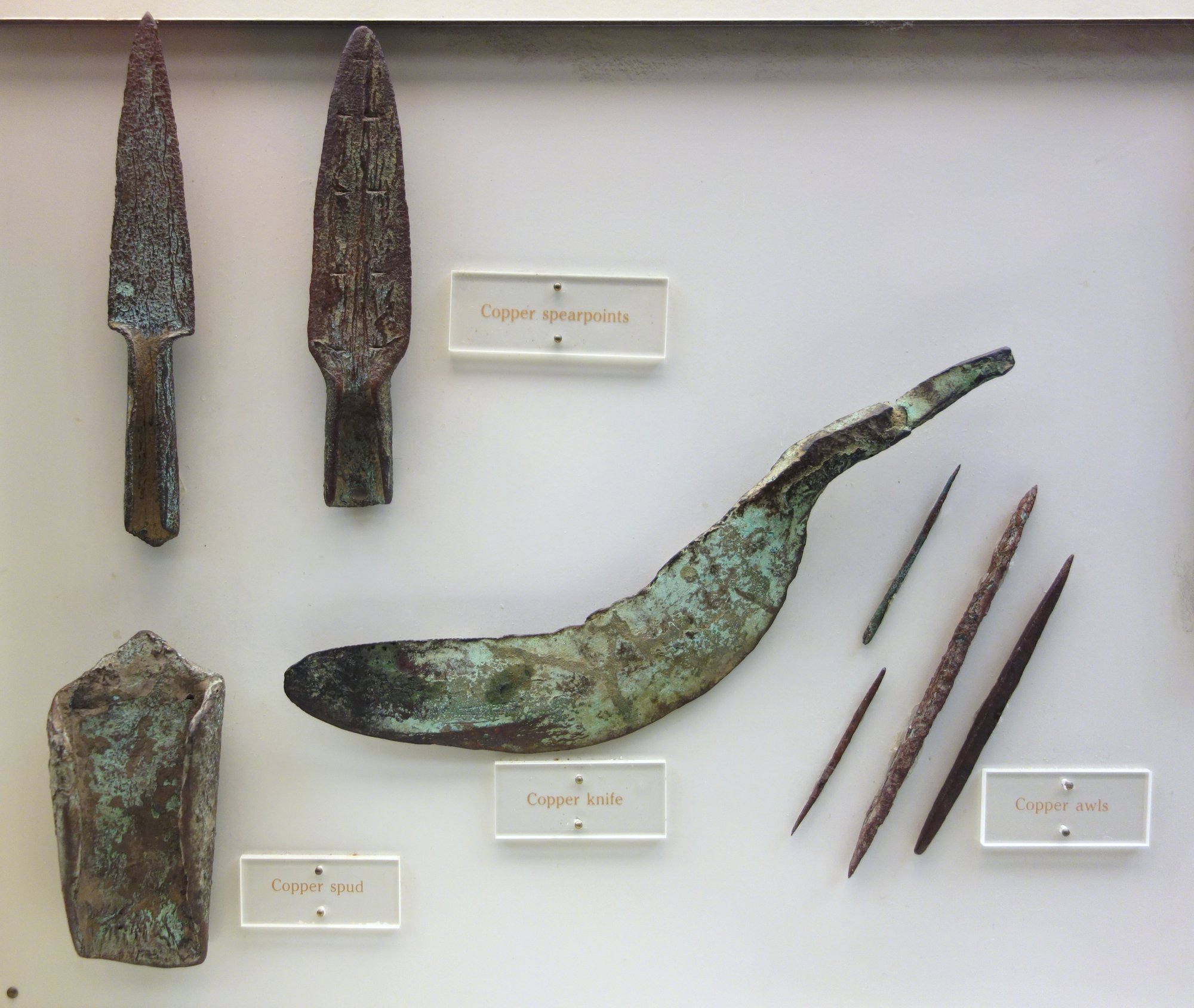
After that, some regions entered the Chalcolithic, or Copper Age, a transitional phase when early copper metallurgy appeared alongside widespread stone tool use. The Bronze Age followed, marked by systematic bronze working, and in some areas the first written records. Then came the Iron Age, when iron metallurgy spread and many societies that had not previously done so entered written history.
Writing arrived late, but human complexity did not
One of the biggest misconceptions about prehistory is that it must have been simple. The evidence says otherwise.
Long before widespread writing, people controlled fire, created increasingly sophisticated tools, buried their dead, made music, and produced prehistoric art. In the Upper Paleolithic, there is evidence for the first organized settlements and a blossoming of artistic work. During the Neolithic, people built villages, domesticated animals, cultivated crops, and established permanent settlements. Some communities built circular mudbrick houses; later ones also had rectangular homes with multiple rooms. Some settlements were protected by stone walls.
The material record shows social and technological change on a grand scale even without written documents. Prehistory is not empty time. It is dense with invention, movement, adaptation, and cultural development.
Why the idea of prehistory still matters
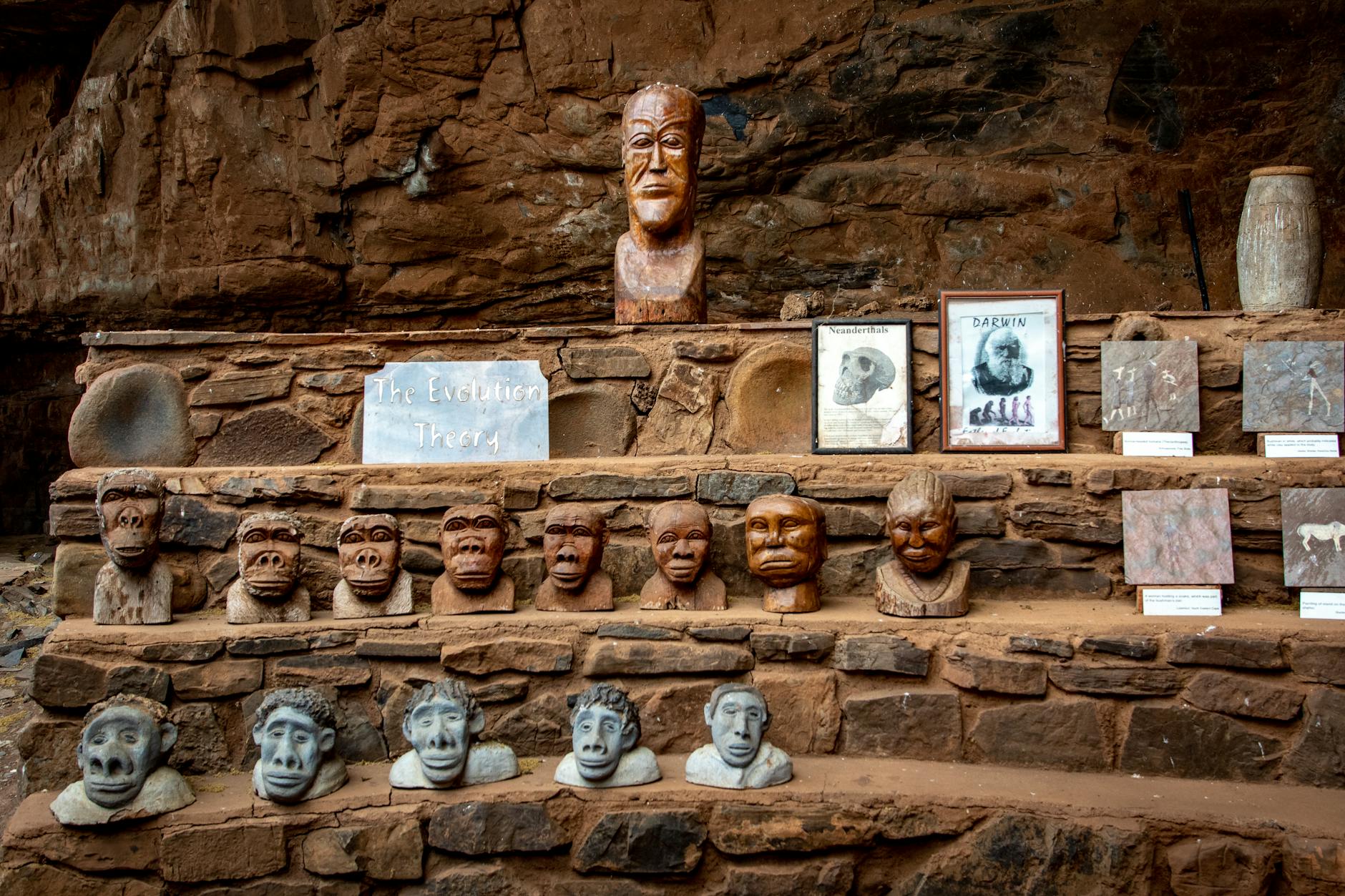
The term “prehistory” first appeared in English in 1836. Over time, scholars have debated whether it creates too sharp a divide between peoples with writing and peoples without it. Yet the concept remains useful because it describes a real difference in the kinds of evidence available.
History based on written records can often identify named rulers, places, and events. Prehistory usually cannot. Instead, it tells its stories through artifacts, landscapes, and physical remains. That distinction does not make prehistory less meaningful. If anything, it makes it one of the most remarkable detective projects in scholarship.
It asks us to imagine human lives that shaped the world long before anyone could write a date, a law, a prayer, or a king’s name.
The biggest twist in human history
If writing feels ancient, that is because it is. But compared with the full span of humanity’s past, it is also astonishingly recent.
Stone tools reach back about 3.3 million years. Writing systems reach back only about 5,200 years. That means the overwhelming majority of the human journey belongs to prehistory.
The deepest roots of human culture were laid down in a world without books, archives, or inscriptions. And yet, through archaeology and related sciences, that unwritten world is still speaking.