Full article · 7 min read
Humans: Why Childbirth Is So Risky and Parenting Is So Intensive
Human birth is a biological paradox. Our species is remarkably adaptable, capable of living in deserts, rainforests, polluted cities, high mountains, and even space. Yet one of the most ordinary events in human life—childbirth—has long been unusually dangerous.
Compared with other species, human childbirth carries a much higher risk of complications and death. And after birth, the challenge does not end: human babies arrive especially helpless, requiring prolonged care from adults. This combination of risky birth and heavy parental investment helps explain a great deal about human life, family structure, and social behavior.
Why human birth is so difficult
A central reason human childbirth is so hazardous is anatomy. The size of a human fetus’s head is more closely matched to the mother’s pelvis than in other primates. In simple terms, the baby is passing through a very tight space. This helps explain why labor is so painful and why it can last 24 hours or more.
The exact reason for this close fit is not completely understood, but the consequences are clear. Human labor is often difficult, prolonged, and physically demanding. That makes childbirth more dangerous for both mother and child than it is in many other species.
This difficulty stands out even more when humans are compared with other primates. Humans are part of the ape family, but our species differs in major ways, including obligate bipedality—meaning humans are built to walk on two legs as a normal mode of movement. Humans also have large brains relative to body size. Those broad features are part of what makes humans distinctive, but childbirth itself shows that being human comes with trade-offs.
A dangerous beginning
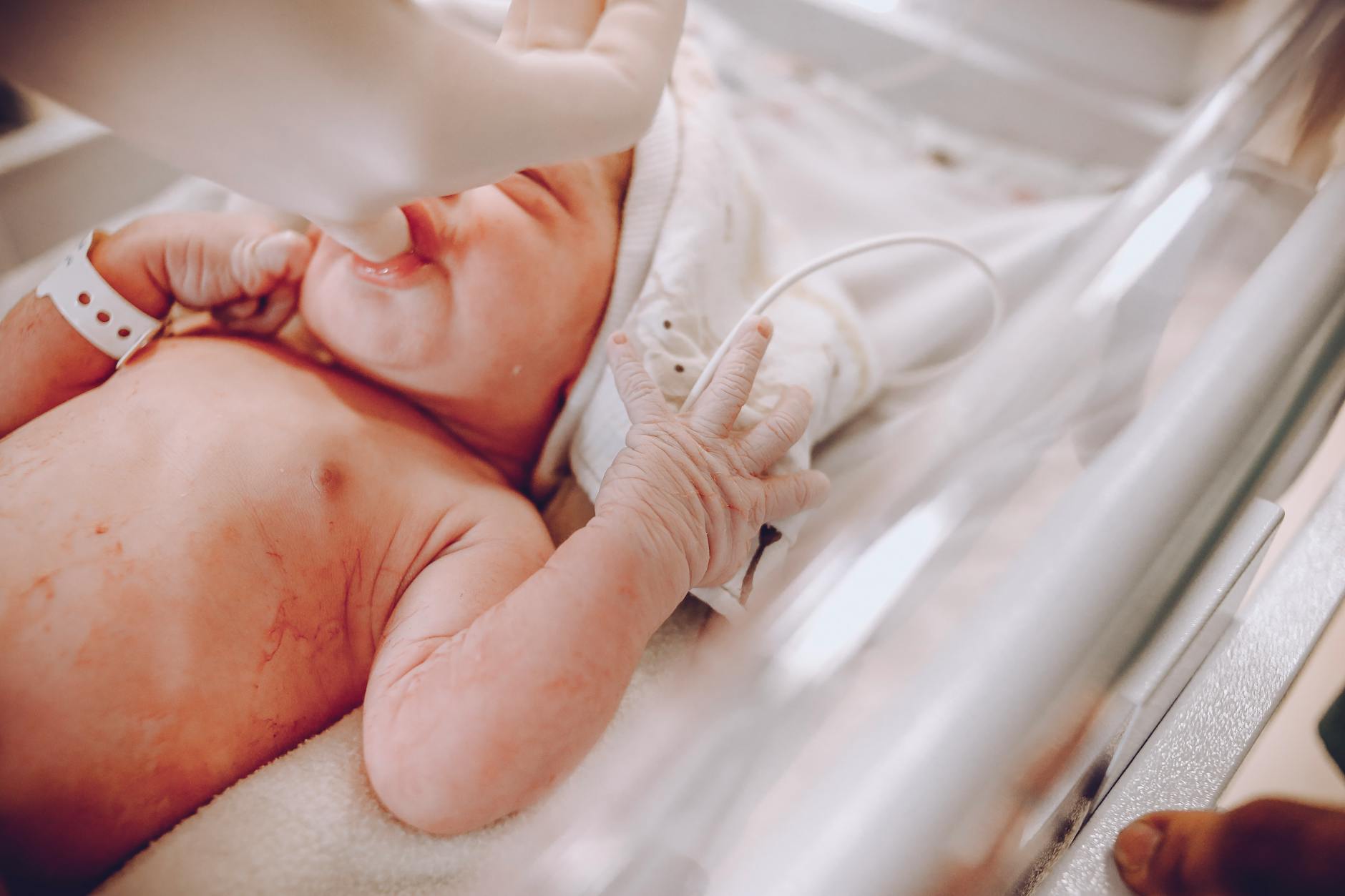
Human infants are born in a notably vulnerable condition. At birth, they are helpless and unable to care for themselves. They depend completely on adults for protection, feeding, and warmth.
That helplessness is one reason childbirth is only the beginning of a long period of care. In contrast to many animals that become mobile or independent relatively quickly, human offspring continue growing for years and typically do not reach sexual maturity until 15 to 17 years of age.
The long period of development is part of the human life cycle. It includes infancy, childhood, adolescence, adulthood, and old age. Across these stages, especially at the beginning, human survival depends heavily on social support. Birth is not just an individual biological event; it is deeply tied to family and society.
Parents both matter
Among humans, both the mother and the father often provide care for children. That is unusual among primates, where parental care is mostly done by the mother.
This shared investment makes sense when you consider how demanding human childhood is. A newborn human cannot survive without sustained care, and that dependency lasts far longer than in many other species. Feeding, carrying, protecting, and teaching all require time and energy.
Humans are highly social animals, typically living within layered social groups that range from families and peer groups to larger institutions and states. Parenting fits naturally into that larger pattern of cooperation. Human society is built not only on intelligence and language, but also on the ability to maintain long-term relationships and coordinate care.
Pregnancy and survival are not equal everywhere
One of the starkest facts about human childbirth is how unequal its risks are around the world. In wealthier countries, the chances of surviving labor improved significantly during the 20th century because of new medical technologies. These advances made successful labor much more likely.
But that improvement is not universal. In developing regions, pregnancy and natural childbirth remain hazardous ordeals. Maternal death rates there are approximately 100 times greater than in developed countries.
That contrast reveals something important about human biology: while childbirth is inherently risky, the outcome is strongly affected by environment, resources, and medical support. Human life is shaped by both genes and environment, and childbirth is one of the clearest examples.
The bigger context of human reproduction
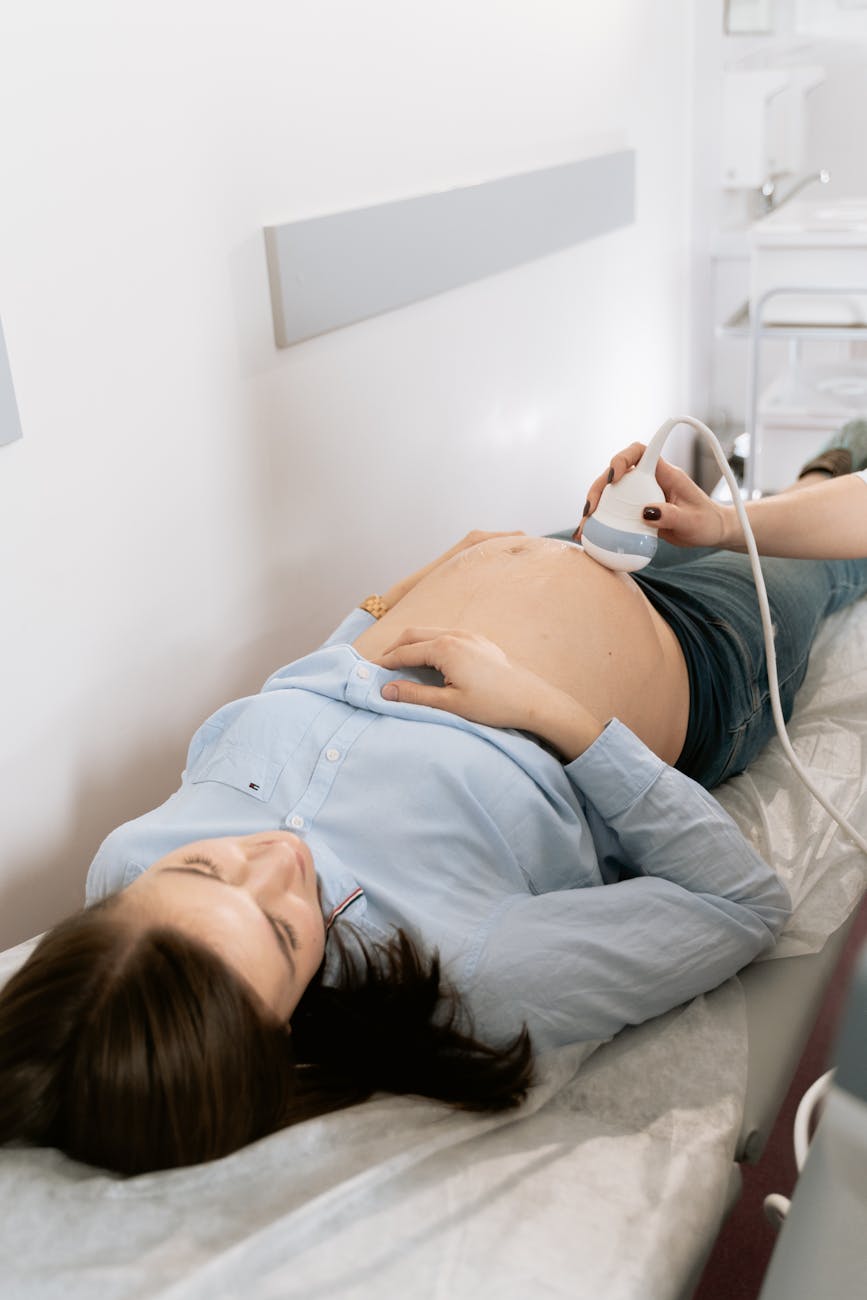
Most human reproduction happens through internal fertilization via sexual intercourse, though assisted reproductive technology also exists. The average gestation period is 38 weeks, although a normal pregnancy can vary by up to 37 days. During development, the embryo stage covers the first eight weeks; at the beginning of the ninth week, it is termed a fetus.
In developed countries, infants are typically born weighing 3 to 4 kilograms and measuring 47 to 53 centimeters in length. Low birth weight is common in developing countries and contributes to high infant mortality in those regions.
Humans can also medically induce early labor or perform a caesarean section when earlier birth is needed for medical reasons. These interventions are part of the broader medical advances that have helped improve outcomes in some parts of the world.
Why helpless babies changed human life
The helplessness of human infants likely had major consequences for human society. Because children need long-term care, humans tend to form stable social bonds and structured family systems. Kinship—how societies recognize relationships among parents, children, and other relatives—became one of the most important organizing principles in many cultures.
These systems help transmit status, inheritance, and responsibility. They also help explain why parenting is not merely personal but social. A species that gives birth under dangerous conditions and then raises highly dependent offspring for years is a species that must cooperate.
This connects to a broader human pattern. Humans are highly social and curious, living in complex networks shaped by values, norms, and institutions. The intense needs of children may help reinforce those institutions, from families to communities.
Human life history is unusually long
Another striking feature of humans is just how long life can last. As of 2018, global life expectancy at birth was estimated at 74.9 years for girls and 70.4 years for boys, though there are major geographic differences tied largely to economic development.
Women live on average about four years longer than men. Human females also undergo menopause and become infertile at around age 50. One proposal is that menopause may increase a woman’s overall reproductive success by allowing her to devote more time and resources to existing offspring and grandchildren rather than continuing childbirth into old age.
That idea fits the broader pattern of human parenting: survival and success are not only about producing children, but also about caring for them over long stretches of time.
A species of trade-offs
Humans are often described through their strengths: intelligence, language, tool use, adaptability, and civilization. But birth is a reminder that evolution does not produce perfection. It produces trade-offs.
Humans have large brains compared with body size, high intelligence, and advanced cognitive abilities linked in part to the prefrontal cortex, a brain region associated with higher-order functions. Yet the beginning of every human life comes with unusual physical danger and a long period of dependence.
That dependence may be one reason human societies became so elaborate. To raise a human child is to invest in years of care, teaching, and protection. In that sense, the story of human birth is also the story of human cooperation.
From painful labor to social bonds
Human childbirth is dangerous because the baby’s head is so closely matched to the pelvis. Labor can be intensely painful and last 24 hours or more. In many parts of the world, pregnancy and birth still carry severe risks, with maternal death rates in developing regions roughly 100 times higher than in developed countries.
And then comes the second challenge: the baby is helpless. Unlike many other primates, humans often rely on care from both mother and father. That heavy investment in offspring is one of the defining features of our species.
So while humans are famous for exploring the Moon, building civilizations, and reshaping the planet, every one of those achievements begins the same way: with a difficult birth, a vulnerable infant, and a long chain of care from other humans.
Sources
Based on information from Human.
More like this
Birth may be humanity’s toughest starting level—download DeepSwipe and make the next stage of evolution your brain.