Full article · 7 min read
The Hidden Costs of Manufacturing
Manufacturing is often described as the process of turning raw materials into finished goods with the help of labor, machines, tools, and chemical or biological processes. It is a core part of the secondary sector of the economy and sits between raw material extraction and the services that distribute products to users. But manufacturing is never only about making things. Behind the visible output lies a less visible ledger of waste, health risks, legal responsibility, and public costs.
When people think about manufacturing, they often picture factories, assembly lines, machine tools, and mass production. What is easier to miss is that every production system also creates side effects. Some of those side effects are economic, some are environmental, and some fall directly on workers and communities. In many cases, the true cost of production includes much more than the price tag of the finished product.
Hazardous waste and the environmental bill
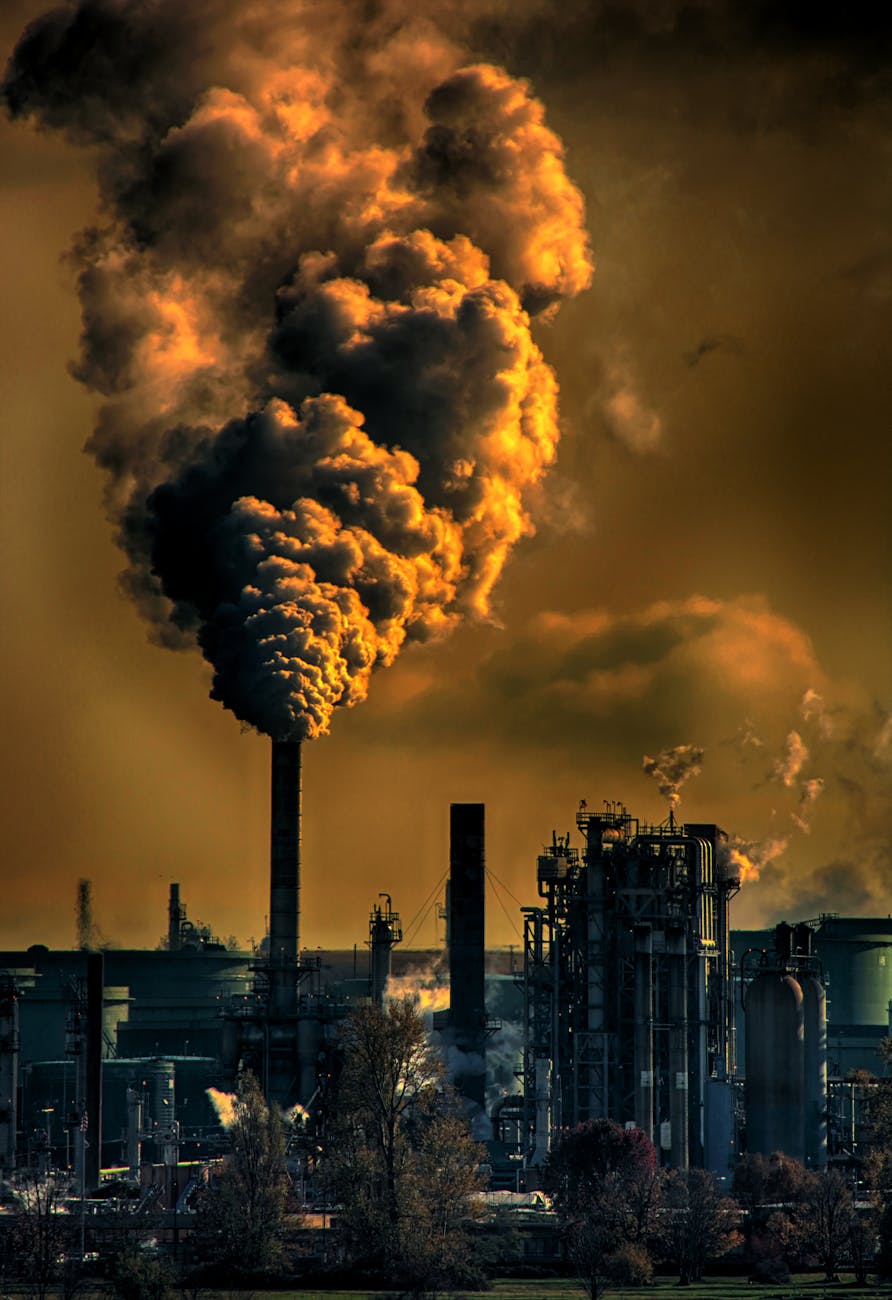
One of the clearest hidden costs in manufacturing comes from hazardous waste. Hazardous waste is dangerous leftover material produced during industrial activity that can harm people or the environment. The clean-up costs linked to this waste can be enormous. In some cases, those clean-up costs may even outweigh the benefits of the product that created the waste in the first place.
This point changes how manufacturing should be understood. A factory may appear efficient if it produces a large number of goods at low cost per unit, but that narrow view leaves out the expense of dealing with the damage left behind. Waste removal, pollution control, and environmental remediation all form part of the real cost of making goods.
These concerns are widely recognized. Efforts to reduce the negative impact of manufacturing include improving efficiency, reducing waste, using industrial symbiosis, and eliminating harmful chemicals. Industrial symbiosis refers to a system in which one industrial process makes use of materials or by-products from another, helping reduce waste overall. Even without technical expertise, the basic idea is simple: less waste and fewer dangerous substances can mean lower social and environmental costs.
Workers face risks that consumers rarely see
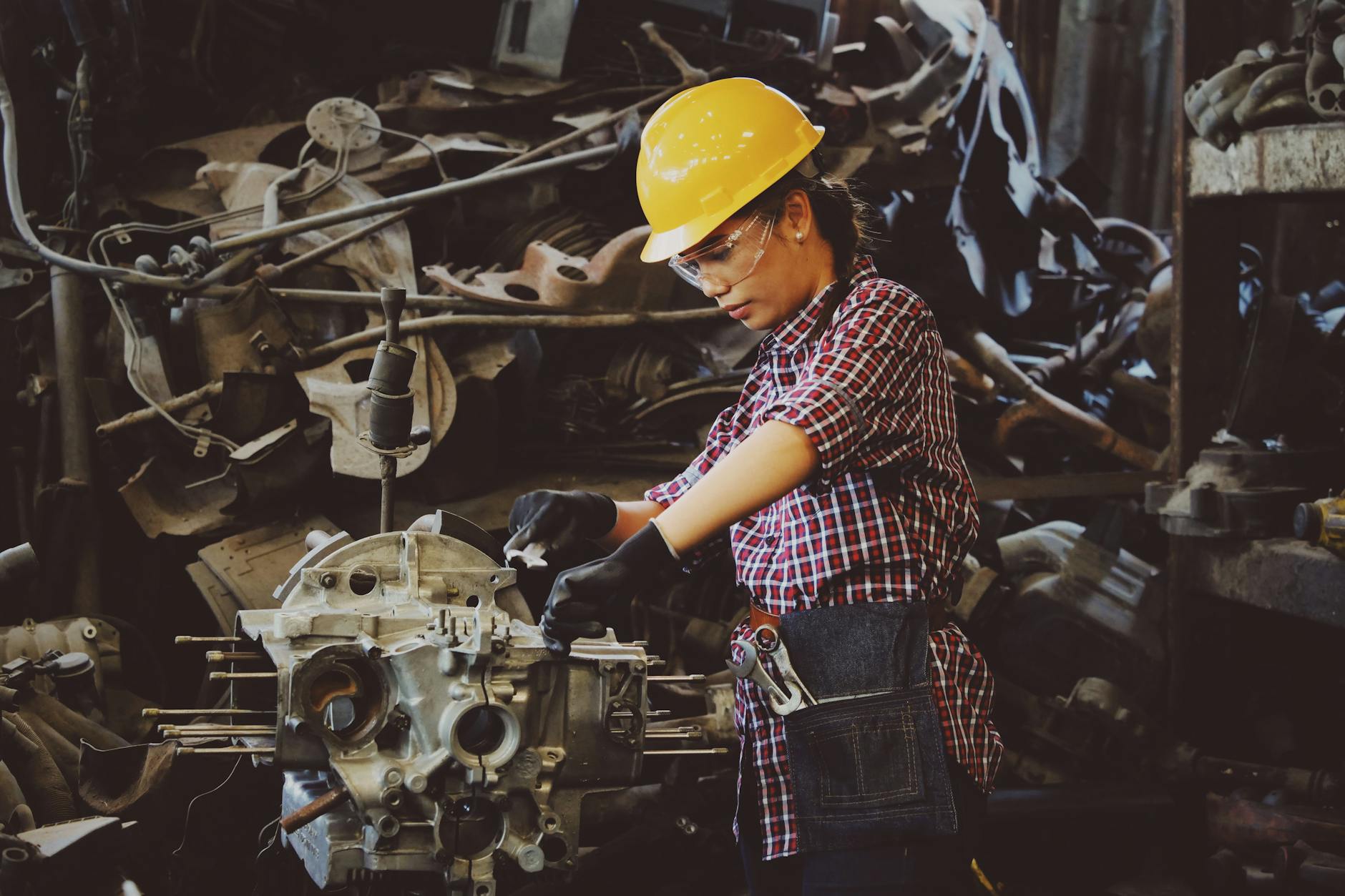
The hidden costs of manufacturing are not only environmental. They can also be personal. Hazardous materials may expose workers to health risks, making the manufacturing workplace a site of possible harm as well as production.
This is one reason the manufacturing sector has drawn sustained attention in occupational safety. In the United States, for example, the manufacturing sector has been identified as a priority industry by the National Institute for Occupational Safety and Health within the National Occupational Research Agenda. That kind of designation reflects the fact that manufacturing creates specific workplace safety and health challenges that require targeted intervention strategies.
These risks help explain why labor laws, environmental laws, and safety rules matter so much. Without such protections, the pressure to lower production costs can leave workers exposed to dangerous conditions. The price of a product in the marketplace does not automatically reflect the human toll that may be involved in making it.
Laws, liability, and the cost of doing harm
Manufacturers do not operate in a legal vacuum. In developed countries, manufacturing activity is regulated through labor laws and environmental laws. These laws are meant to address the negative costs that production can impose on workers, communities, and ecosystems.
Manufacturers may also face regulations and pollution taxes. Pollution taxes are charges intended to offset the environmental costs created by manufacturing activities. In other words, if a production process imposes a burden on the environment, the manufacturer may be required to bear at least part of that burden financially rather than leaving society to absorb it.
Additional costs can come through tort law and product liability. Tort law deals with harm caused to people or property. Product liability refers to legal responsibility when a product causes injury or damage. These legal frameworks matter because they push manufacturers to consider not only how a product is made, but also the harm it may cause during use.
From a business perspective, these costs can be significant. From a public perspective, they are part of an effort to prevent the full burden of industrial harm from being shifted onto workers, customers, or the wider public.
Why some manufacturing moves elsewhere
The hidden costs of manufacturing are closely tied to one of the biggest economic shifts of recent decades: the relocation of manufacture-based industries to developing-world economies where production costs are significantly lower than in developed-world economies.
This movement is not just about wages or factory rent. It is also shaped by regulation. Environmental laws and labor protections available in developed nations may not be available in the third world. That means some of the costs attached to safer workplaces, stronger worker rights, and tighter environmental standards can be reduced or avoided when production moves.
Labor unions and craft guilds have historically played an important role in negotiating worker rights and wages. Where such protections are strong, manufacturers may face higher direct costs. Where protections are weaker, the financial cost of production may fall, even if the human or environmental cost rises.
This creates a difficult global picture. A product may become cheaper to make in accounting terms while its broader social cost remains high or becomes harder to see. The factory floor may move, but the underlying issues of waste, risk, and responsibility do not disappear.
The tension between cost and responsibility
From a financial standpoint, the basic goal in manufacturing is often to achieve cost benefits per unit produced. Lower unit costs can reduce product prices for the market and help firms secure profit margins. This logic has driven many of the major developments in manufacturing history, including mass production, mechanized factories, and increasingly advanced machinery.
Modern manufacturing has repeatedly improved output. Electrification of factories in the early 20th century increased flexibility and reduced maintenance needs. Many factories saw output rise as electric motors replaced line shafts and belts. Mass production systems, especially those popularized by Henry Ford, arranged machine tools and production flow in highly systematic ways to increase speed and volume. Lean manufacturing later focused on reducing time within production systems and improving responsiveness.
All of these developments aimed at greater efficiency. But efficiency in production does not automatically mean fairness in outcomes. A factory can become faster, cheaper, and more productive while still generating hazardous waste, exposing workers to health risks, or shifting environmental burdens onto the public. That is why manufacturing cannot be judged by output alone.
Manufacturing and the wider world
Manufacturing provides important material support for national infrastructure and national defense. It also remains a major source of economic output and employment in leading manufacturing nations. Yet its importance to the economy does not erase its external costs.
The phrase hidden costs is useful because so much of manufacturing’s impact occurs outside the moment of purchase. Consumers usually see the finished good. They do not see the hazardous materials, the cleanup burden, the legal disputes, the health risks, or the negotiations over worker protections. The visible product is only one part of the story.
A broader view of manufacturing asks harder questions. What happens to dangerous by-products? Who carries the risk when harmful materials are involved? Who pays when a product causes injury or when pollution damages the environment? And when production shifts to lower-cost regions, are costs being reduced, or merely transferred to people with fewer protections?
Manufacturing is more than making things
Manufacturing has always been about transformation: raw materials become tools, machines, textiles, vehicles, appliances, and countless other goods. Over time, production methods evolved from stone tool making to bronze casting, iron smelting, mechanized factories, assembly lines, electrified plants, and lean systems. But alongside that long history of innovation runs another story: the challenge of managing the damage and responsibility that production can create.
To understand manufacturing fully, it helps to look past the product itself. Waste, law, worker rights, safety, and public health are not side issues. They are part of the real structure of industrial production. The hidden bill of manufacturing is often paid far from the checkout counter, but it is part of the cost all the same.
Sources
Based on information from Manufacturing.
More like this
See the hidden side of big ideas — download DeepSwipe and turn every swipe into a smarter look behind the scenes.