Full article · 7 min read
Reproduction Research: Can Offspring Come From Same-Sex Parents?
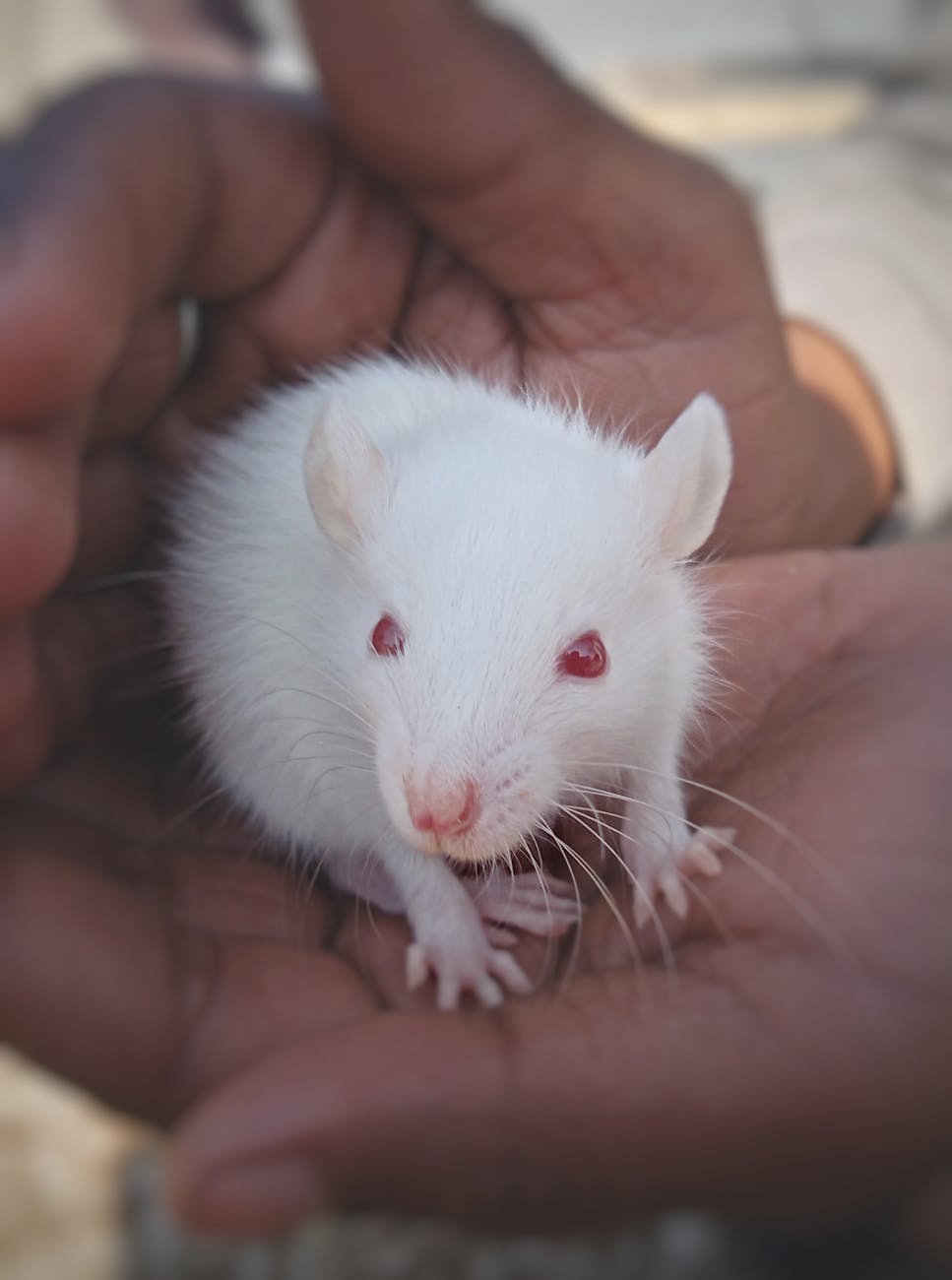
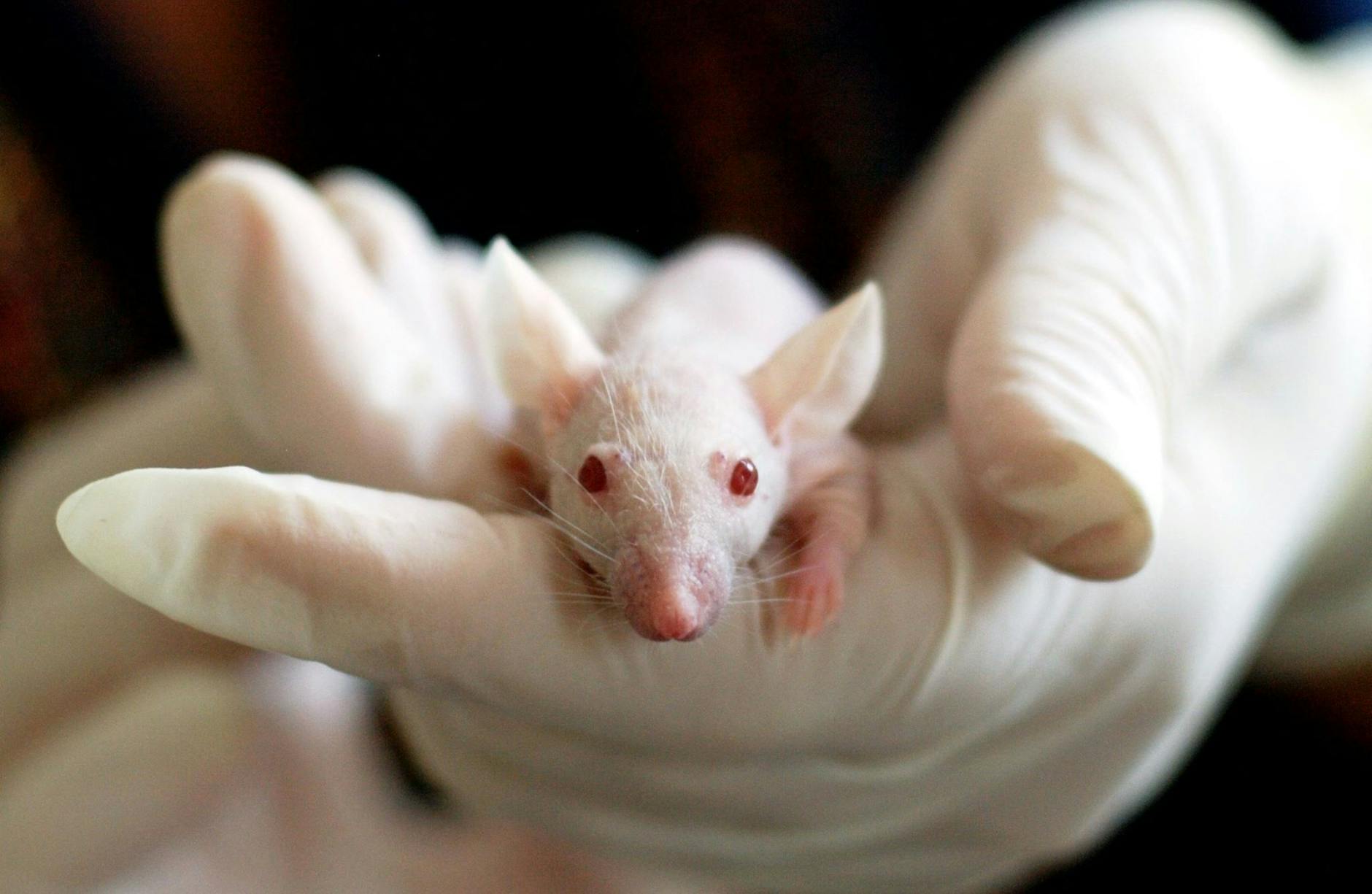
The idea sounds like science fiction: offspring created with equal genetic contributions from two mothers or two fathers. Yet in laboratory research, scientists have explored exactly that question in mice. These experiments sit within the broader biology of reproduction, the process by which new organisms are produced from parent organisms.
In the most familiar form of sexual reproduction, two specialized reproductive cells called gametes combine. These gametes contain half the number of chromosomes found in ordinary body cells, and they are produced through a specialized type of cell division called meiosis. Typically, a sperm cell fertilizes an egg cell, creating a fertilized zygote that develops into offspring with genetic characteristics derived from both parents.
Same-sex reproduction research asks whether that usual pattern can be altered so that two females or two males each make an equal genetic contribution to offspring. The experiments are remarkable, but they are also highly limited and far from human use.
What scientists actually did
Researchers have investigated whether offspring could be produced from either two female parents or two male parents.
One early milestone came in 2004, when Japanese scientists altered the function of a few genes involved with imprinting and combined two mouse eggs to produce daughter mice. In simple terms, imprinting refers to gene-related effects that matter for how parental genetic material functions in development. By changing the function of a few genes connected to imprinting, the researchers were able to make two eggs work together in a way that produced live offspring.
Another milestone came in 2010, when American scientists used genetically manipulated stem cells to produce viable mouse offspring carrying genetic contributions from two fathers. "Viable" means the offspring were alive and capable of developing, rather than only forming briefly in an early stage.
Research continued. In 2018, Chinese scientists created 29 female mice from two mouse mothers. However, they were not able to produce viable offspring from two father mice in that study. Then in 2023, Japanese scientists created mouse pups from two mouse fathers that grew into adulthood.
Taken together, these results show that same-sex procreation has moved from speculation into real experimental biology in mice. But they also show how difficult and uneven the process still is.
Why this is so unusual in biology
Sexual reproduction normally works through the combination of two gametes. Each parent contributes half of the offspring’s genetic makeup by creating haploid gametes. "Haploid" means a cell contains half the number of chromosomes found in diploid cells, which are the cells that carry paired sets of chromosomes.
In many species, the two kinds of gametes are different. These species are called anisogamous. In anisogamous species, the male produces sperm and the female produces ova, or egg cells. This difference is the standard pattern in animals, including mammals.
Because of that structure, producing offspring from two females or two males is not simply a matter of combining any two cells. Researchers must work around the usual biological roles of sperm and egg cells and the developmental rules linked to them. That is one reason same-sex reproduction research is technically challenging.
The role of meiosis, gametes, and development
To understand why these experiments are complex, it helps to know a few basic biological terms.
Meiosis is a specialized type of cell division involved in sexual reproduction. It produces gametes with half the number of chromosomes present in the parent cell. A diploid cell duplicates itself and then undergoes two divisions, ultimately forming four haploid cells. This process happens in two phases known as meiosis I and meiosis II.
Mitosis is a different kind of cell division. It occurs in somatic cells, meaning ordinary body cells rather than reproductive cells. In mitosis, the resulting cells keep the same number of chromosomes as the parent cell.
Gametogenesis is the process by which animals produce gametes. In mammals, this happens in the gonads: testicles in males and ovaries in females. Sperm are produced by spermatogenesis, and eggs are produced by oogenesis.
These are not trivial background details. Same-sex reproduction research depends on manipulating the ordinary reproductive pathway, which is normally built around the production of sperm and eggs through meiosis and their union in fertilization.
Why mice matter in this research
The reported successes described here were achieved in mice, not humans. That distinction is crucial.
Mice are often used in biological research because they allow scientists to test fundamental questions about development, inheritance, and reproduction. In this case, researchers were able to explore whether genetic material from two females or two males could be combined in ways that still supported development.
The results were mixed. Some experiments produced living offspring. Some produced offspring that reached adulthood. Other approaches failed, especially in the case of attempts involving two fathers in earlier work. That uneven record shows that the biology involved is delicate and difficult to control.
Why imprinting keeps coming up
One of the most important ideas in this area is imprinting. In the mouse experiment using two eggs, scientists altered the function of a few genes involved with imprinting before producing daughter mice.
While the underlying genetics are complex, the key point is simple: not all parental genetic contributions behave in identical ways during development. That helps explain why creating offspring from two maternal or two paternal sources is not as straightforward as mixing equal amounts of DNA.
This is part of what makes same-sex procreation a serious scientific challenge rather than a routine extension of existing reproductive biology.
Are humans anywhere close?
No. Researchers have said there is little chance these techniques will be applied to humans in the near future.
That is the clearest takeaway for anyone tempted to see these mouse studies as a preview of imminent human reproduction technology. The research is striking, but it remains very limited. It involves specialized experimental methods, has been demonstrated in mice rather than humans, and has not produced a realistic path to near-term human application.
So while the phrase "offspring from two mothers" or "offspring from two fathers" grabs attention, the reality is much narrower: carefully controlled animal experiments, partial success, and major limitations.
Where this fits in the bigger picture of reproduction
Reproduction across life takes many forms. Some organisms reproduce asexually, creating genetically similar or identical copies of themselves without genetic contribution from another organism. Bacteria divide by binary fission, hydras and yeasts can reproduce by budding, and some species can use parthenogenesis, where an embryo or seed develops without fertilization.
Sexual reproduction, by contrast, combines genetic material from two organisms. This tends to produce fewer offspring than some asexual strategies, but it also creates genetic variation. That variation can make populations less susceptible to disease and better able to survive environmental change.
Same-sex reproduction research belongs within this wider story. It is not a new basic category replacing sexual reproduction. Instead, it is an attempt to test how flexible the biological mechanisms of sexual reproduction might be under laboratory conditions.
A scientific milestone, not a practical technology
The most accurate way to view this field is as a research frontier. Scientists have shown that, in mice, offspring with equal genetic contributions from either two females or two males can sometimes be produced. Important milestones include daughter mice from two eggs, viable offspring carrying contributions from two fathers, and mouse pups from two fathers that grew into adulthood.
At the same time, the work remains limited, technically difficult, and distant from any human application. The experiments reveal how powerful reproductive biology research can be, but they also highlight how tightly development is tied to the normal processes of gamete formation, fertilization, and gene regulation.
That tension is what makes the topic so fascinating: it challenges expectations about how reproduction works, while also reminding us how complex life’s usual rules really are.
Sources
Based on information from Reproduction.
More like this
Two moms, two dads, one wild science story — download DeepSwipe and breed a daily habit of smarter scrolling.