Full article · 7 min read
Ancient Climate Clues: How Scientists Reconstruct Earth’s Past
How can anyone know what climate was like long before thermometers, satellites, and weather stations existed? That question sits at the heart of paleoclimatology, the study of past climates across vast stretches of Earth’s history.
Because there were very few direct climate observations before the 19th century, scientists have had to look elsewhere for evidence. The remarkable answer is that Earth has preserved its own climate archive. Ice, wood, mud, coral, pollen, and even rock formations can hold traces of past environmental conditions. By studying these natural records, researchers can piece together how climate changed over time, from decades to millennia and beyond.
What paleoclimatology actually studies
Paleoclimatology focuses on climate in the distant past, covering periods far older than the modern instrumental record. Climate itself is more than just day-to-day weather. It refers to the long-term pattern of weather in a region, commonly averaged over 30 years, and also includes how much conditions vary from year to year.
That distinction matters. A hot day or a storm is weather. A persistent pattern of temperature, precipitation, wind, and other conditions over long spans of time is climate. To study ancient climate, scientists need evidence that lasts far longer than a daily forecast.
Paleoclimatologists work to explain climate variations in all parts of Earth during different geologic periods, going back to the planet’s early history. Since direct measurements are scarce for most of that timeline, they rely on proxy evidence. A proxy is an indirect clue: something preserved in nature that reflects past climate conditions.
Earth’s natural climate archive
The planet stores climate information in many different materials, each preserving evidence on different timescales.
Ice cores
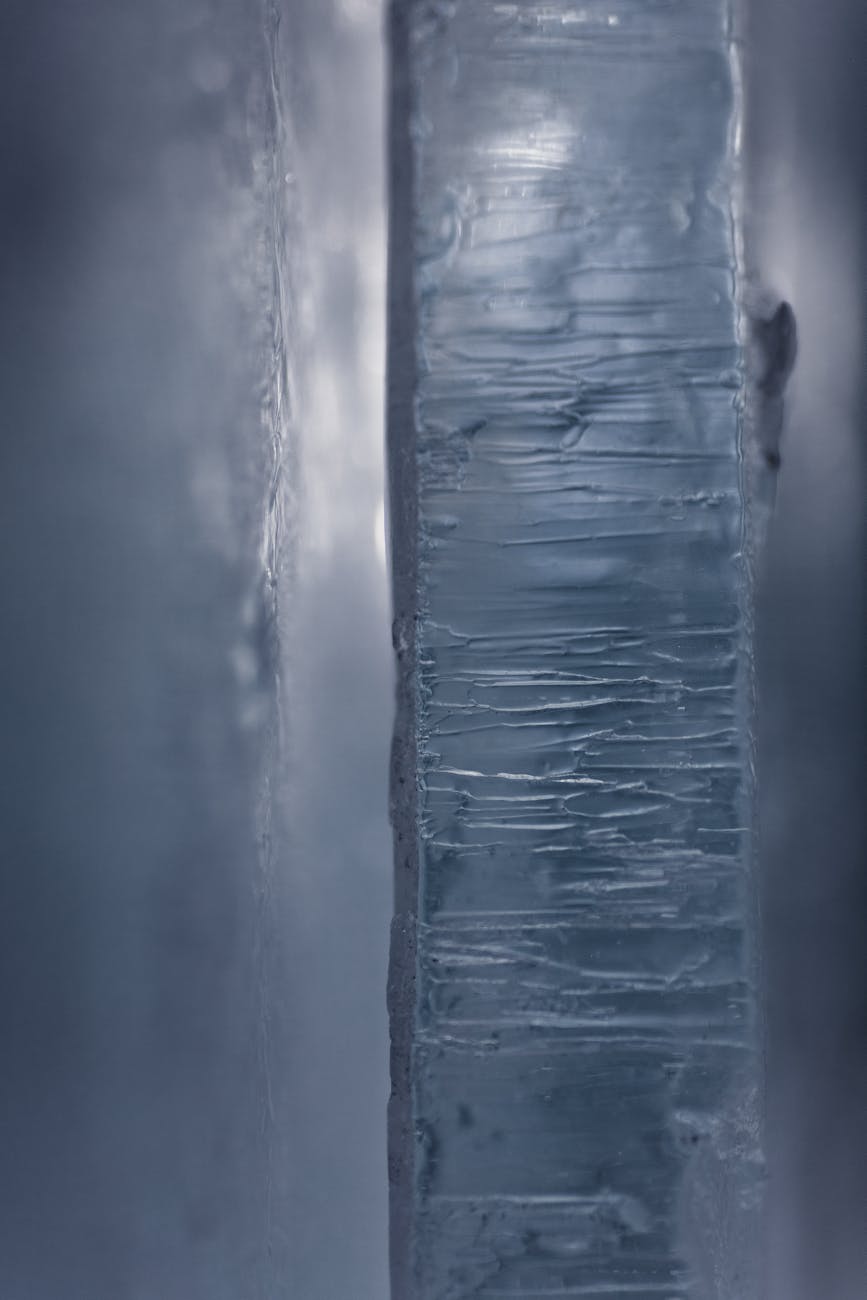
Ice sheets can preserve layered records of past conditions. In paleoclimatology, ice cores are among the key forms of non-biotic evidence, meaning evidence that does not come from living organisms. These records can help scientists investigate climate over long intervals.
Tree rings
Tree rings are a classic example of biotic evidence, meaning evidence that comes from living things. Their patterns can preserve signals from past environmental conditions. Because they can be examined year by year, tree rings are especially useful for tracking changes over time.
Sediments
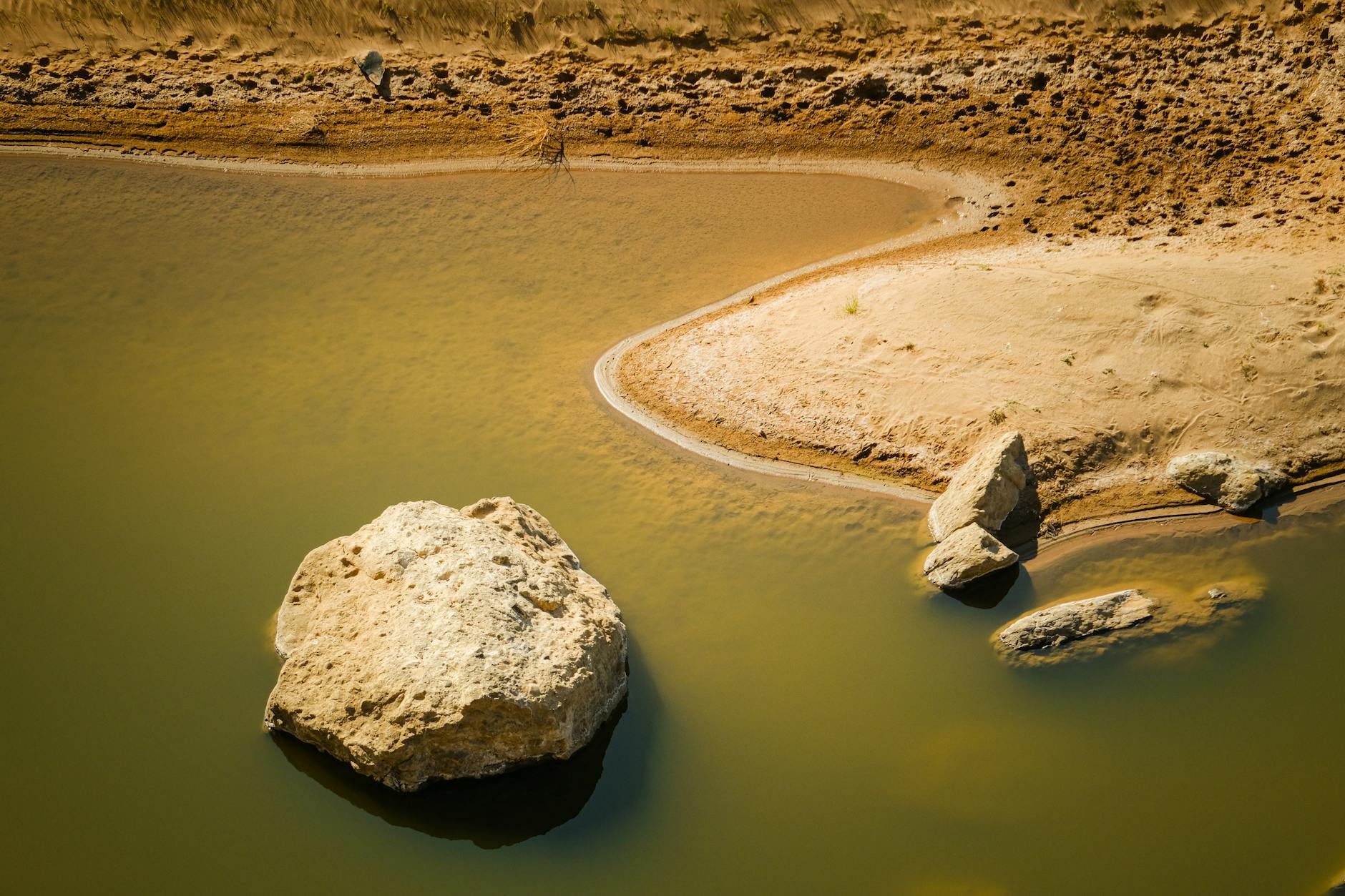
Sediments found in places like lake beds are another major source of ancient climate evidence. Layers of deposited material can build up over long periods, preserving clues that researchers can study later.
Pollen
Pollen can survive in the record and help reveal what environments were like in the past. Since climate strongly influences ecosystems, preserved pollen can contribute to reconstructing earlier climate conditions.
Coral
Coral is another form of biotic evidence used in paleoclimatology. It can help scientists infer past climate states, especially when combined with other kinds of records.
Rocks
Rock records can also provide evidence about ancient climates. In combination with other proxies, they help extend climate reconstruction deep into Earth’s history.
From decades to millennia
One reason these natural records are so powerful is that they cover different spans of time. Paleoclimatology uses evidence with time scales ranging from decades to millennia. A millennium means one thousand years, so these archives can reveal climate behavior far beyond a human lifetime.
That broad reach helps scientists detect both short-lived and long-term patterns. Some intervals appear relatively stable, while others show significant changes. These records can even indicate whether climate shifts follow recognizable patterns, such as regular cycles.
This is one of the most fascinating parts of ancient climate research: the past is not a flat, unchanging backdrop. Earth’s climate has experienced periods of stability and periods of change, and the clues left behind allow scientists to trace those swings.
Why indirect evidence is necessary
Modern climate records are built from instruments such as thermometers, barometers, and anemometers. Those measurements have become especially powerful since the 1960s, when satellites began collecting data on a global scale, including remote regions such as the Arctic and the oceans.
But that modern record only stretches back a few centuries in detail, and direct observations become very limited further into the past. That is why proxy evidence is essential. Without it, our picture of earlier climates would be fragmentary at best.
Natural archives fill in the gaps left by the absence of direct measurement. They allow scientists to reconstruct climate before the age of modern instruments and to compare ancient patterns with more recent changes.
What ancient climate records can reveal
These records do more than tell us whether a place was warmer or cooler. They help scientists identify climate variability, meaning changes in the average state of climate or in other characteristics over time, beyond individual weather events.
Some climate variability appears random, while some occurs more regularly in distinct modes or patterns. Paleoclimatic evidence helps researchers determine whether ancient changes were isolated, cyclical, or part of broader shifts.
The long view also shows that Earth has undergone major climate changes in the past. The planet experienced periodic climate shifts, including four major ice ages. These included glacial periods, when conditions were colder than normal, and interglacial periods between them.
Ancient records are crucial for identifying such transitions. They show that climate can change dramatically over geological time and provide evidence for studying what may have driven those changes.
Clues to causes, not just conditions
Paleoclimatology is not only about describing old climates. It also helps scientists investigate why climate changed.
Climate change can be caused by internal Earth processes, external forces such as variations in sunlight intensity, or human activities in recent times. For earlier periods, suggested causes of major climate shifts include the positions of continents, changes in Earth’s orbit, changes in solar output, and volcanism.
For example, glacial and interglacial periods are linked to processes that affect temperature and energy balance. During glacial periods, accumulating snow and ice increase surface albedo, which means more of the Sun’s energy is reflected back into space. That helps maintain cooler atmospheric temperatures. In contrast, increases in greenhouse gases such as those produced by volcanic activity can raise global temperature and contribute to interglacial conditions.
Ancient climate evidence gives scientists a way to test these ideas against the physical record left in nature.
Reading patterns in a changing climate system
Climate is shaped by interactions among many parts of the climate system, including the atmosphere, hydrosphere, cryosphere, lithosphere, and biosphere. In simpler terms, that means air, water, ice, land, and living things all play a role, and they influence one another.
This complexity is one reason ancient climate clues are so valuable. A single record may capture only part of the picture, but taken together, multiple proxies can reveal broader patterns in how the climate system behaved.
Scientists can then compare those findings with climate models, which are mathematical tools used to simulate past, present, and future climates. These models help researchers study interactions between the atmosphere, oceans, land surface, and ice, and they are used to understand the dynamics of the climate system.
In that sense, paleoclimatology turns Earth itself into a record keeper, while climate models help interpret the story.
Why ancient climate clues matter today
Studying ancient climate is not just about curiosity. The past provides context for understanding climate variability and climate change in the present.
By reconstructing earlier climates, scientists can see how stable climate can be, how abruptly it can shift, and whether certain changes tend to follow recurring patterns. They can compare long-term natural variability with modern changes and improve understanding of the climate system as a whole.
That makes ancient climate archives one of the most powerful tools in climate science. Long before weather stations existed, Earth was already recording its own history—in ice, rings, sediments, pollen, coral, and stone. The challenge is learning how to read it.
Sources
Based on information from Climate.
More like this
Dig into Earth’s hidden record — download DeepSwipe and uncover bite-sized knowledge layers every day.