Full article · 8 min read
What Makes Music Sound Different Even When the Notes Stay the Same?
Two pieces of music can use the same note and still sound nothing alike. A single melody can feel intimate in one performance, powerful in another, and completely transformed when played by different instruments. That difference is part of what makes music so endlessly fascinating.
Music is built from elements such as pitch, melody, harmony, rhythm, texture, timbre, and expression. When people notice that one instrument sounds bright while another sounds warm, or that one performance feels delicate while another feels dramatic, they are hearing these elements at work. Three of the most important for this question are timbre, texture, and expression.
Timbre: why the same note never really sounds the same
Timbre, sometimes called tone color, is the quality that makes one voice or instrument sound different from another, even when they are producing the same pitch at the same loudness. In simple terms, it is what lets your ear tell an oboe from a piano, a violin from an electric guitar, or one singer from another.
A 440 Hz A note is still an A no matter which instrument plays it. But it does not sound identical across instruments. That is because timbre is shaped by the physical characteristics of sound, including the spectrum, envelope, and overtones of a note or musical sound. These are the features that give sound its particular character rather than its musical identity as high or low.
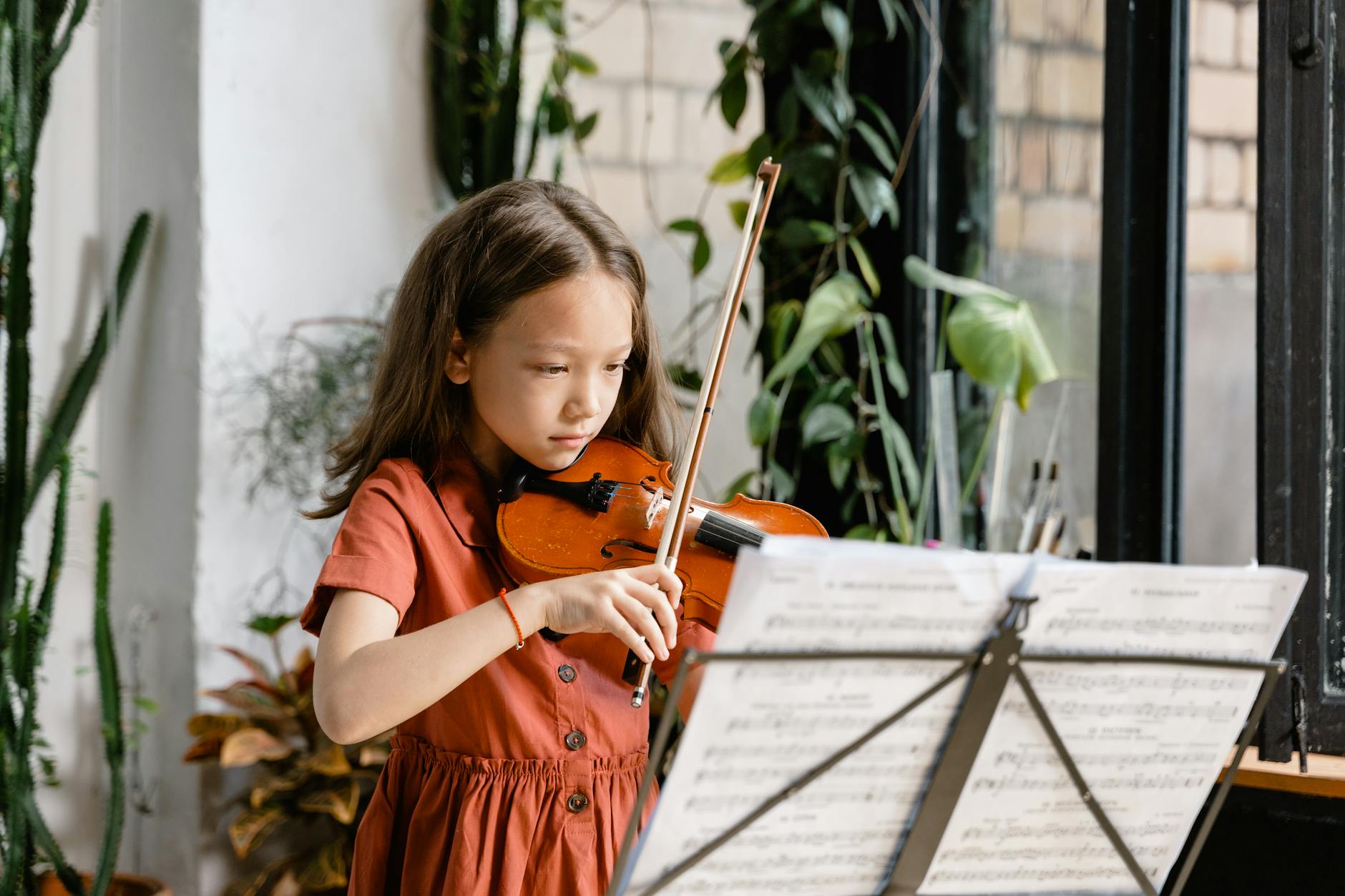
Timbre can also differ between players using the same instrument. Two violinists playing the same note may still sound different because of differences in technique. The same idea applies across music: a brass player may use a different mouthpiece, an oboe or bassoon player may use different reeds, and string players may use strings made from different materials. Even the way a player physically handles the instrument can affect the resulting tone.
For electric instruments, timbre becomes even more flexible. On electric guitar, electric bass, and electric piano, performers can shape tone through equalizer controls, tone controls, and electronic effects units such as distortion pedals. On the electric Hammond organ, tone is controlled by adjusting drawbars. This means the instrument itself is only part of the story; the musician can actively redesign its sound.
That is why the first slide’s idea is so strikingly true: the same note can sound completely different. Pitch tells you what note is being played. Timbre tells you what kind of sound-world that note belongs to.
Texture: the shape and thickness of sound
If timbre helps explain why one sound feels different from another, texture explains why a whole piece of music feels thin, rich, open, crowded, intimate, or massive.
Musical texture is the overall sound of a piece or song. It is shaped by how melodic, rhythmic, and harmonic materials are combined. Texture is often described in terms of density or thickness, and by the distance between the lowest and highest sounds.
A piece with only one line can feel exposed and direct. A piece with many layers can feel full and dense. That difference has a huge effect on emotion, even if the core musical material stays similar.
There are several common texture types:
Monophony: one line alone
Monophony means a single melody with no accompaniment and no harmony part. A mother singing a lullaby to her baby is a clear example. This kind of texture can feel pure, simple, and personal.
Because there is only one line to follow, the listener’s attention is focused entirely on the tune itself. That often creates a strong sense of clarity.
Heterophony: one melody, many variations
Heterophony happens when two or more performers play or sing the same melody, but each one slightly varies the rhythm, speed, or ornamentation. The article gives the example of two bluegrass fiddlers playing the same traditional fiddle tune while each adds their own ornaments.
This creates a texture that feels unified and varied at the same time. Everyone is working with the same basic musical idea, but no two versions are exactly alike.
Polyphony: many independent lines at once
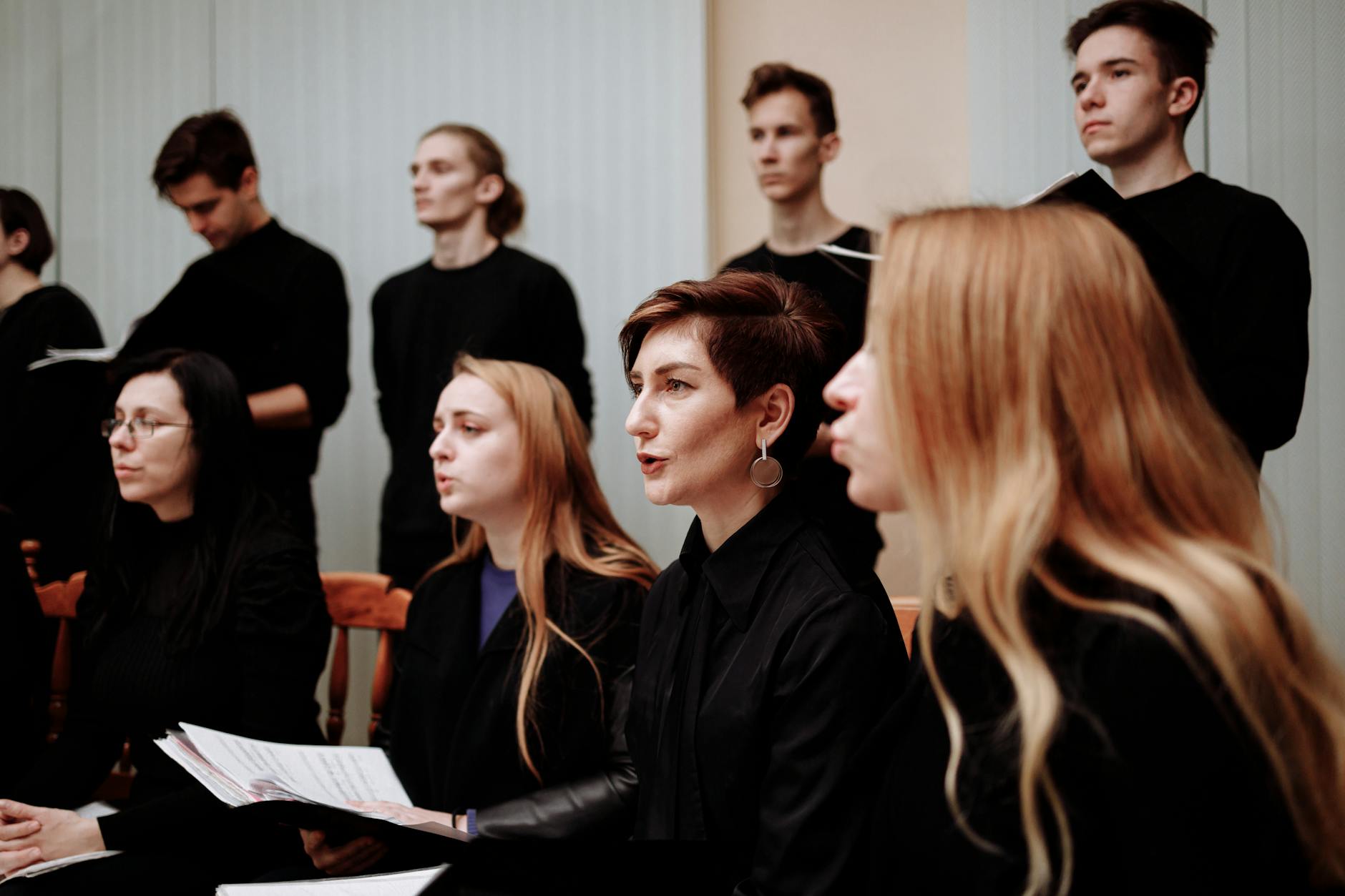
Polyphony is made of multiple independent melody lines woven together at the same time. Renaissance choral music often used this style. A round such as “Row, Row, Row Your Boat,” where different singers begin at different times, is a familiar example.
Polyphony can make music sound intricate and alive. Instead of one main tune with support underneath, several lines share attention. The result can feel layered, active, and intellectually rich.
Homophony: melody with chord support
Homophony features a clear melody supported by chordal accompaniment. This is one of the most common textures in Western popular music from the 19th century onward.
In this texture, the melody usually takes center stage while the accompanying chords create depth and support. This is often the texture people hear in songs where a singer carries the main tune while instruments provide harmony underneath.
Why texture changes feeling so dramatically
Texture is one of the fastest ways to alter the emotional effect of music. A single unaccompanied line can feel vulnerable or calm. Add more voices, more instruments, and more simultaneous parts, and the same musical idea may begin to feel grand, thick, or overwhelming.
Music with many independent parts is usually described as thicker or denser than music with only a few parts. A double concerto accompanied by a large orchestra will naturally feel more crowded and layered than a solo flute melody accompanied by a single cello. This is not just a matter of volume. It is about musical architecture: how many lines there are, what roles they play, and how they interact.
Expression: changing the emotion without changing the notes
A melody on paper is only part of the music. The rest comes alive in performance.
Expression in music includes the features that create change in feeling without substantially changing the main pitches or the basic rhythms of the melody and accompaniment. A performer can reshape the emotional impact of a piece while technically keeping the same song intact.
This is where performance becomes powerful. The process of deciding how to perform previously composed and notated music is called interpretation. Different performers may choose different tempos, phrasing, and playing or singing styles, and those choices can make the same work sound completely different.
The tools performers use to shape feeling
One expressive tool is vibrato, a small variation in pitch used by voices and some instruments including guitar, violin, brass, and woodwinds. Vibrato can add intensity, warmth, or emotional color.
Another is dynamics, meaning how loud or soft the music is. A quiet passage can feel restrained, intimate, or fragile. A louder one can feel urgent or triumphant.
Tempo also matters. Performers may slow down with a ritardando or speed up with an accelerando. Even small tempo fluctuations can change tension, release, and emotional direction.
Articulation is equally important. Notes can be made smoother and more connected, which is called legato, or shorter and more detached. A phrase played smoothly may feel lyrical, while a more sharply articulated version may feel energetic or severe.
Performers can also add pauses or fermatas at important moments, stretch or relax phrasing, and shape the sound in ways that suggest mood, spirit, and character.
Expression can be understood as the manipulation of many musical elements at once: pitch inflection, volume, duration, timbre, and sometimes even texture. That is why two performers can present the same composition and leave listeners with completely different emotional impressions.
Why performance matters as much as composition
In classical music, notation can be quite precise, but it still does not specify every element of performance. That leaves room for interpretation. In popular and traditional music, performers often have even more freedom to change a song’s form, add an introduction, or insert a solo.
This means that music is never just the notes themselves. It is also the act of performance: the physical expression of a song, melody, symphony, drum beat, or musical part. A work can evolve as it is performed again and again, with phrasing and tempo shifting over time.
That is a big reason why music feels alive. The written or remembered framework may stay recognizable, but timbre, texture, and expression keep remaking the experience.
The deeper answer: music is more than pitch
When people ask why music sounds different, they often think first about notes. But pitch is only one aspect of sound. It tells us whether a note is higher or lower than another. It does not explain why one version feels haunting, another feels joyful, and a third feels raw or cinematic.
That richer answer lies in the other elements of music. Timbre gives sound its identity. Texture gives music its shape and density. Expression gives performance its emotional force.
Together, they explain how the same note, the same melody, or even the same whole song can become something entirely different in another voice, another arrangement, or another performance. That transformation is not a side effect of music. It is one of music’s greatest powers.
Sources
Based on information from Music.
More like this
Tune into the hidden colors of sound — download DeepSwipe and let your curiosity play in full timbre.