Full article · 7 min read
Performance Art Breaks the Stage
Performance art is one of the clearest examples of how the arts refuse to stay inside neat borders. Instead of presenting a finished object like a painting, sculpture, or photograph, performance art unfolds in time. The artwork is the action itself: a live event shaped by bodies, objects, sounds, movement, and sometimes the audience.
That makes it feel different from many other art forms. A painting can hang on a wall. A sculpture can stand in a room. But performance art happens, and then it is gone, except in memory, documentation, and its effect on the people who witnessed it. This time-based quality is what gives performance art its special charge. It can feel immediate, unpredictable, and hard to pin down.
What performance art actually is
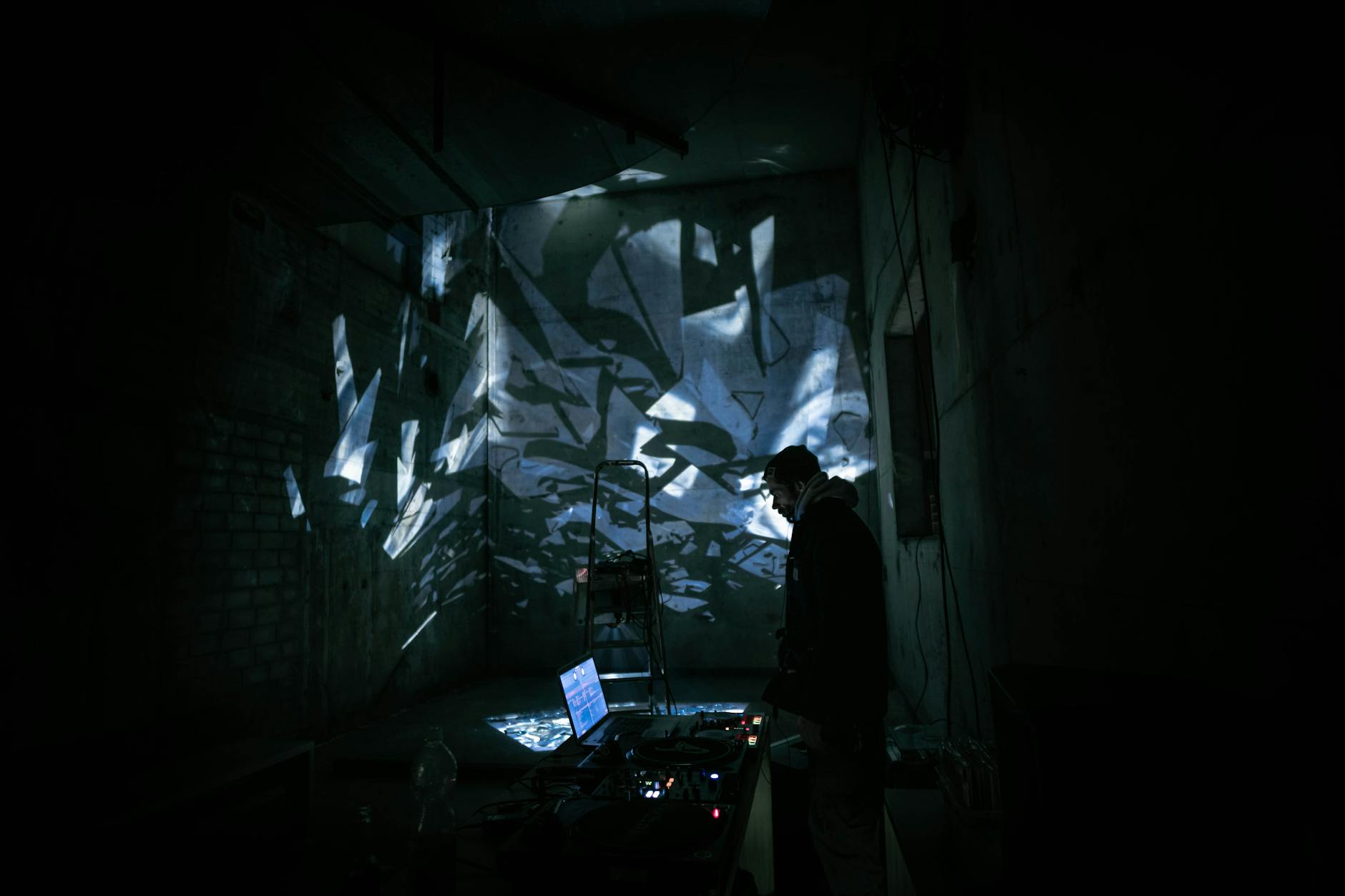
Performance art is a performance over time that can combine any number of instruments, objects, and art within a structure that may be clearly defined or only loosely organized. In some cases, it is carefully planned. In others, it may be partly improvised, unscripted, or even random.
This openness is a big part of the appeal. Performance art does not have to follow the expectations of theatre, music, or dance on their own. It can borrow from all of them while still remaining something harder to classify. A performer may speak, move, handle objects, produce sounds, or create an environment that is itself part of the work.
Because of that freedom, performance art often feels like a challenge to the traditional idea that art must be a stable object made with familiar materials. It asks a different question: what if the artwork is an event rather than a thing?
Why “over time” matters
The phrase “over time” is essential. In the performing arts, the work is temporal, meaning it is experienced across a duration rather than all at once. You do not simply look at it in a single glance. You go through it.
That can change how people pay attention. A time-based artwork can build suspense, repetition, surprise, discomfort, or participation. It can also make the audience more aware of process instead of just outcome. Rather than seeing only a final polished result, viewers experience unfolding decisions, actions, and reactions.
This also helps explain why performance art can blur roles. When a work is happening live, the performer, the materials, the space, and the audience may all affect one another in real time. The boundaries between creator, interpreter, and observer can start to loosen.
Scripted, unscripted, and open to chance
One of the most intriguing features of performance art is how flexible its structure can be. It may be scripted, with actions arranged in advance. It may be unscripted, allowing the performer to respond in the moment. It may even include random elements.
That range matters because it shifts the focus from perfection to possibility. In more traditional forms, audiences may expect a repeatable work guided by a script or score. Performance art does not always promise that kind of stability. Instead, it may welcome uncertainty.
This can make each presentation feel unique. If part of the work is improvised, then no two performances are exactly the same. If chance is involved, unexpected results are not mistakes but part of the artistic experience.
When the audience becomes part of the work
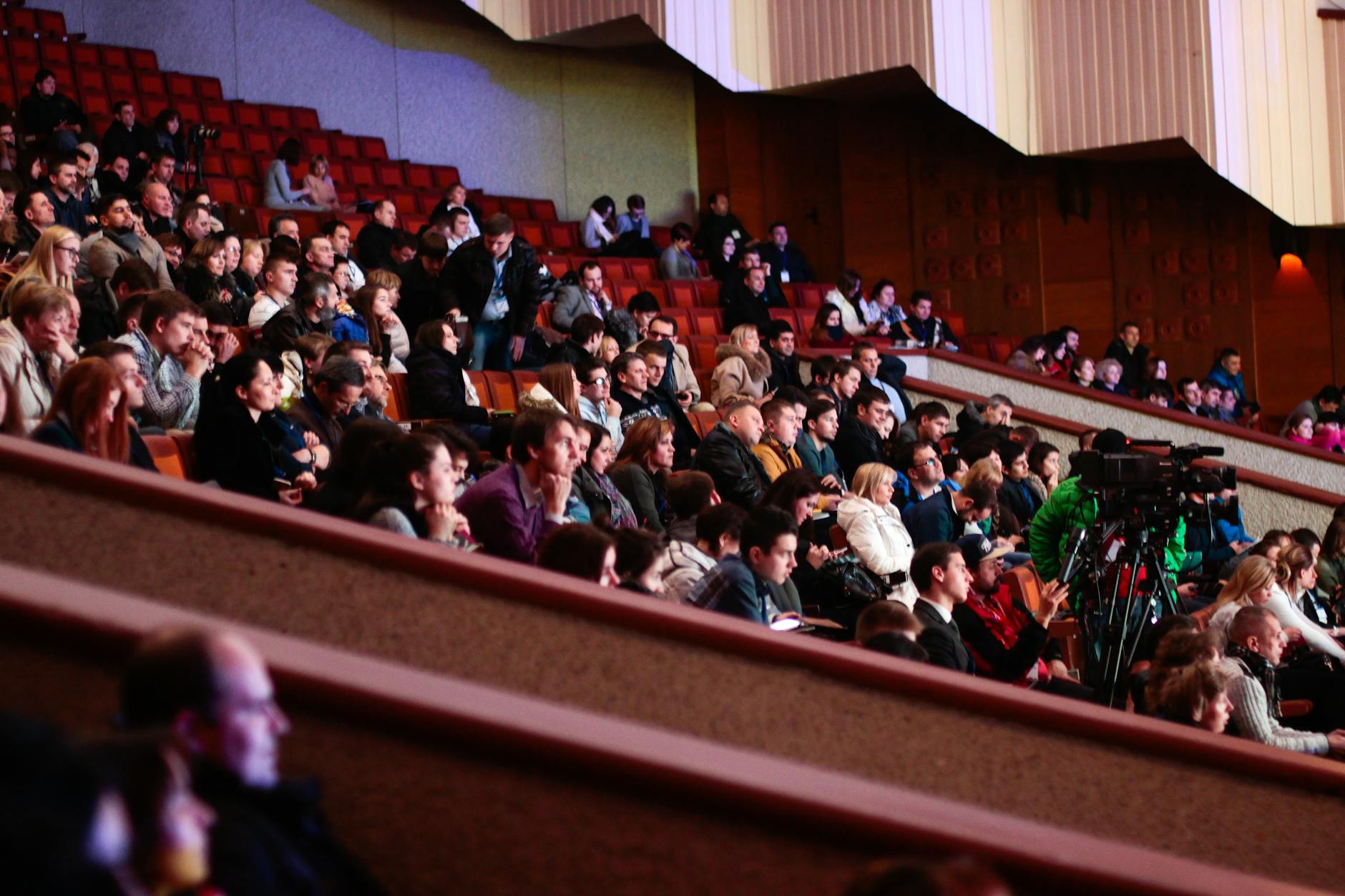
Performance art can even include audience participation. That possibility transforms the usual relationship between art and viewer. Instead of remaining passive observers, audience members may become contributors to what the work becomes.
This is one reason performance art can feel so alive. The artwork is not always delivered to an audience in a one-way stream. It may depend on response, presence, and interaction. The people in the room are no longer outside the work. They may help complete it.
That participation also complicates familiar categories. If the audience helps shape the event, then who exactly is performing, and who is witnessing? Performance art thrives in that uncertainty.
A multidisciplinary art form
The arts often overlap, and performance art is a vivid example of that overlap. It can fuse objects, sound, movement, spoken language, visual design, and improvisation into one experience. In that sense, it belongs to a larger tradition of multidisciplinary artistic works, where different artistic fields are combined into a single event.
Opera, for example, brings together sets, costumes, acting, a libretto, singers, and an orchestra. Classical ballet combines orchestral music and dance. Performance art pushes this spirit of combination in a different direction. Its structure may be less fixed, its materials less conventional, and its goals less tied to traditional categories like concert, play, or exhibition.
That freedom makes performance art a natural home for experimentation. It can feel like visual art becoming live, music becoming theatrical, or theatre shedding the normal expectations of plot and character.
John Cage and the art of everyday sound
Few examples capture this boundary-breaking spirit better than John Cage’s composition Living Room Music. Cage is regarded by many as a performance artist rather than a composer, though he preferred the latter term. That tension alone says a lot about how difficult it can be to sort experimental work into tidy boxes.
Living Room Music, composed in 1940, is a quartet. A quartet is a work for four performers. But this is not a standard piece written for a conventional group of instruments. Instead, it is for unspecified instruments that are really non-melodic objects found in the living room of a typical house.
That detail is striking. “Non-melodic” means the objects are not chosen for producing a traditional tune or melody. They are ordinary things, not specialized musical instruments designed for harmonic beauty in the usual sense. The title points directly to that domestic setting: the living room itself becomes a source of sound.
By doing this, Cage challenged assumptions about music, performance, and artistic material. If everyday household objects can function as instruments, then the line between art and ordinary life suddenly looks much thinner.
When objects stop being just objects
In many art forms, materials are carefully selected for a known purpose: oil paint for painting, marble for sculpture, violin for music. Performance art and works like Living Room Music open that system up.
An object from daily life can become part of an artwork not because it was originally designed for art, but because an artist places it within a live structure of action and attention. The meaning of the object changes. A chair, table, book, or other household item may remain physically ordinary while becoming artistically charged.
This is part of why performance art can feel so surprising. It does not always need rare materials or elaborate equipment. It can reframe what is already around us. The built environment, the room, the props, and the sounds produced by contact with them may all become active elements.
The blur between composer, performer, and viewer
Performance art often dissolves neat distinctions between artistic roles. In a more conventional setting, the composer writes, the performer interprets, and the audience watches. But once the work depends on live action, found objects, improvisation, or audience participation, those boundaries become less stable.
If the sounds come from everyday objects, then the setting itself helps make the piece. If the work changes according to chance or participation, then the audience affects the result. If the performer is activating objects rather than simply executing a fixed script, then performance becomes part exploration, part composition.
That is the blur at the center of performance art. The artwork is not just a product delivered from artist to audience. It is a situation in which creation, execution, and reception are happening together.
Why performance art still feels radical
The arts are continually redefined, and performance art is one of the strongest examples of that process. It questions what counts as artistic material, what counts as a performance, and whether an artwork must leave behind a permanent object.
Its power lies in that refusal to stay put. It can be structured or loose, serious or playful, planned or responsive. It can use instruments, objects, bodies, or spaces in ways that break expectations. And it can turn viewers into participants, making the experience feel less like watching a finished thing and more like entering a live field of possibilities.
That is why performance art continues to fascinate. It does not just step onto the stage. It breaks the stage, spreads into the room, and asks everyone present to reconsider where art begins and ends.
Sources
Based on information from The arts.
More like this
Turn your living room into a launchpad for ideas — download DeepSwipe and let knowledge perform live in your hands.