5 Bizarre Historical Events You Were Never Taught in School
History class usually gives you kings, wars, and treaties. It rarely gives you weaponized emus, parachuting beavers, or a city swallowed by molasses. Here are five true historical events so strange they sound invented.
1. Idaho Solved a Problem by Dropping Beavers from the Sky
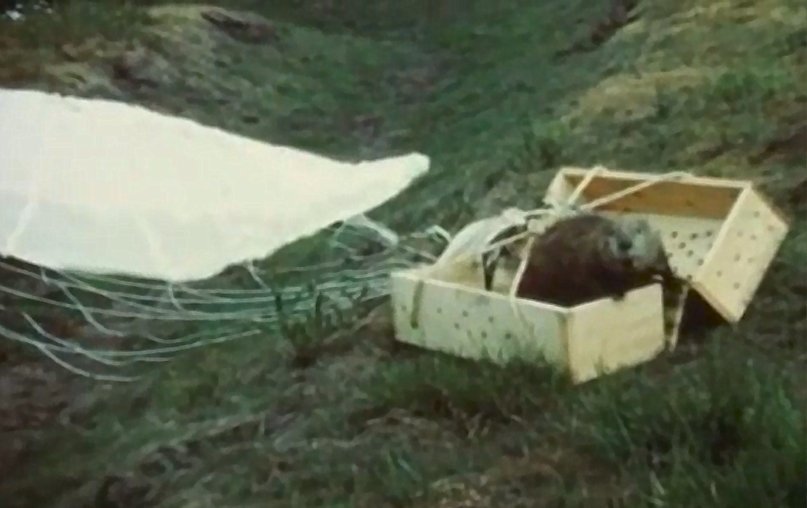
In 1948, Idaho wildlife officials came up with a solution that sounds like a prank: they parachuted beavers into remote wetlands. The animals were causing trouble near towns, but they were also vital ecosystem engineers, helping reduce erosion, improve water quality, and create habitats for other species. Traditional relocation by truck was costly, stressful, and often deadly, so officials tried something bolder. Using leftover WWII parachutes and wooden crates that popped open on landing, they air-dropped 76 beavers into the Chamberlain Basin. Amazingly, 75 survived, and the relocated beavers soon settled in. Weird? Absolutely. Effective? Also yes.
2. Australia Fought Emus With Machine Guns and Lost
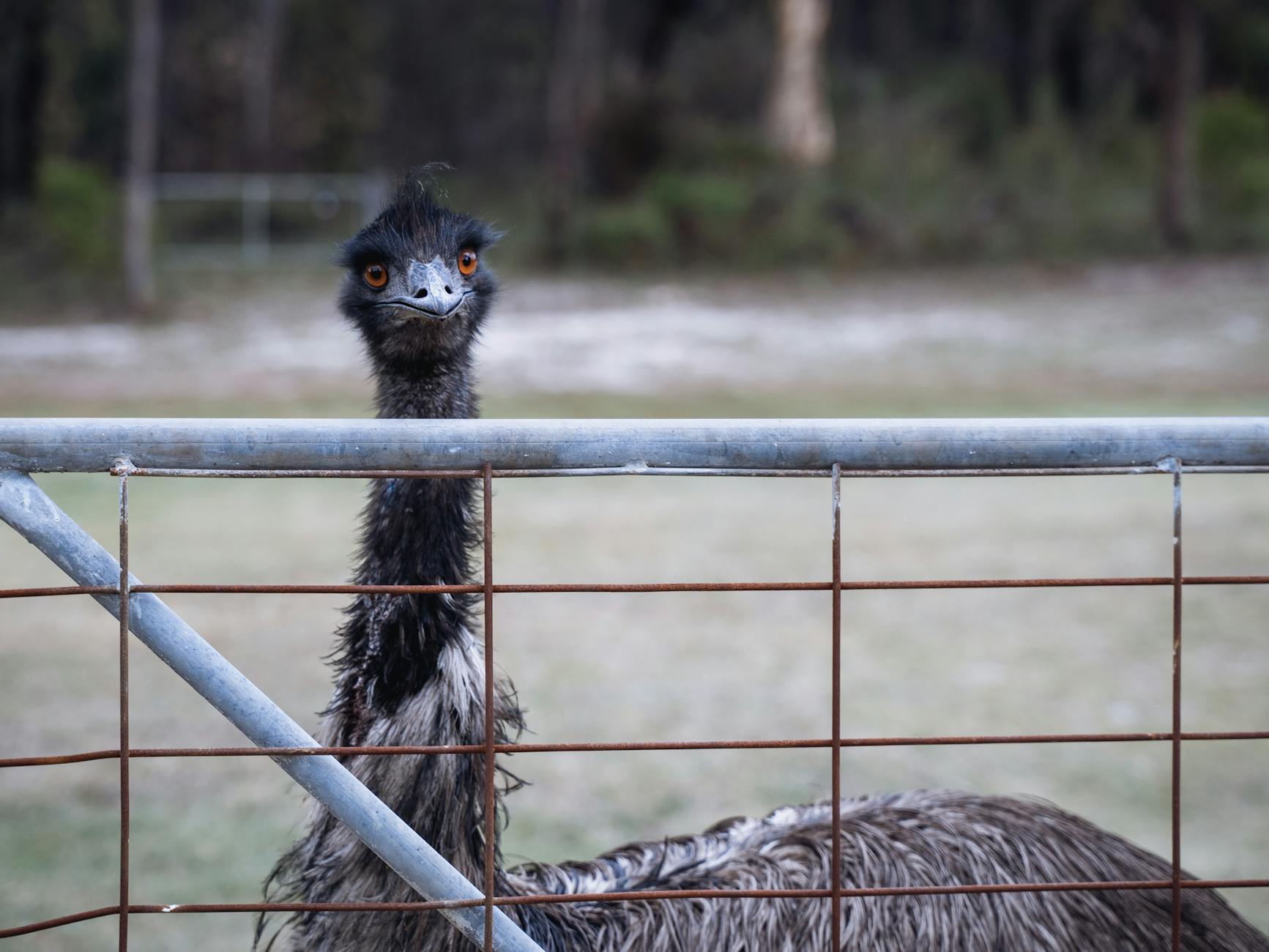
In 1932, Western Australian farmers were already under pressure from falling wheat prices when roughly 20,000 emus stormed their fields, trampling crops and wrecking fences. The government’s answer? Send in soldiers with machine guns. What followed became the famously absurd Emu War. The plan looked simple on paper, but the birds kept splitting into smaller groups and outrunning the troops. One big ambush failed when a gun jammed almost immediately. Even mounting a weapon on a truck didn’t help. In the end, the army walked away with no human casualties and one major loss: its dignity.
3. Boston Was Hit by a Syrup Tsunami
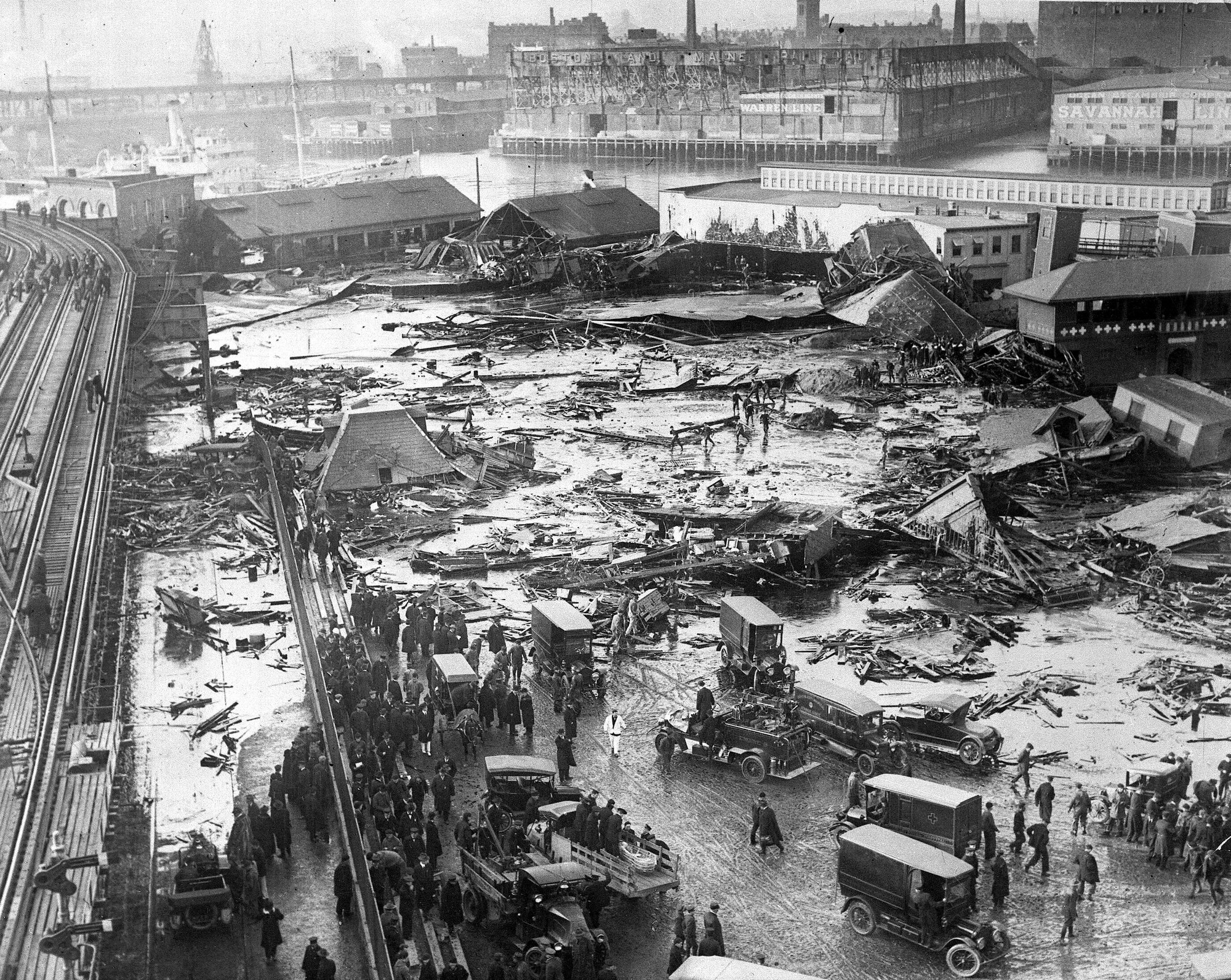
In 1919, Boston’s North End was struck by one of the weirdest disasters in American history: a giant tank burst and unleashed 2.3 million gallons of molasses. This wasn’t a slow ooze. The wave reportedly raced through the streets at about 35 miles per hour and rose as high as 25 feet, ripping buildings apart and tossing debris through the neighborhood. Then came the nightmare twist: the cold air made the molasses thicken, turning it into a sticky trap for people, horses, and wreckage. Twenty-one people died, and locals claimed the area smelled faintly of molasses for decades.
4. A Bear Was Enlisted in the Army and Fought In WW2
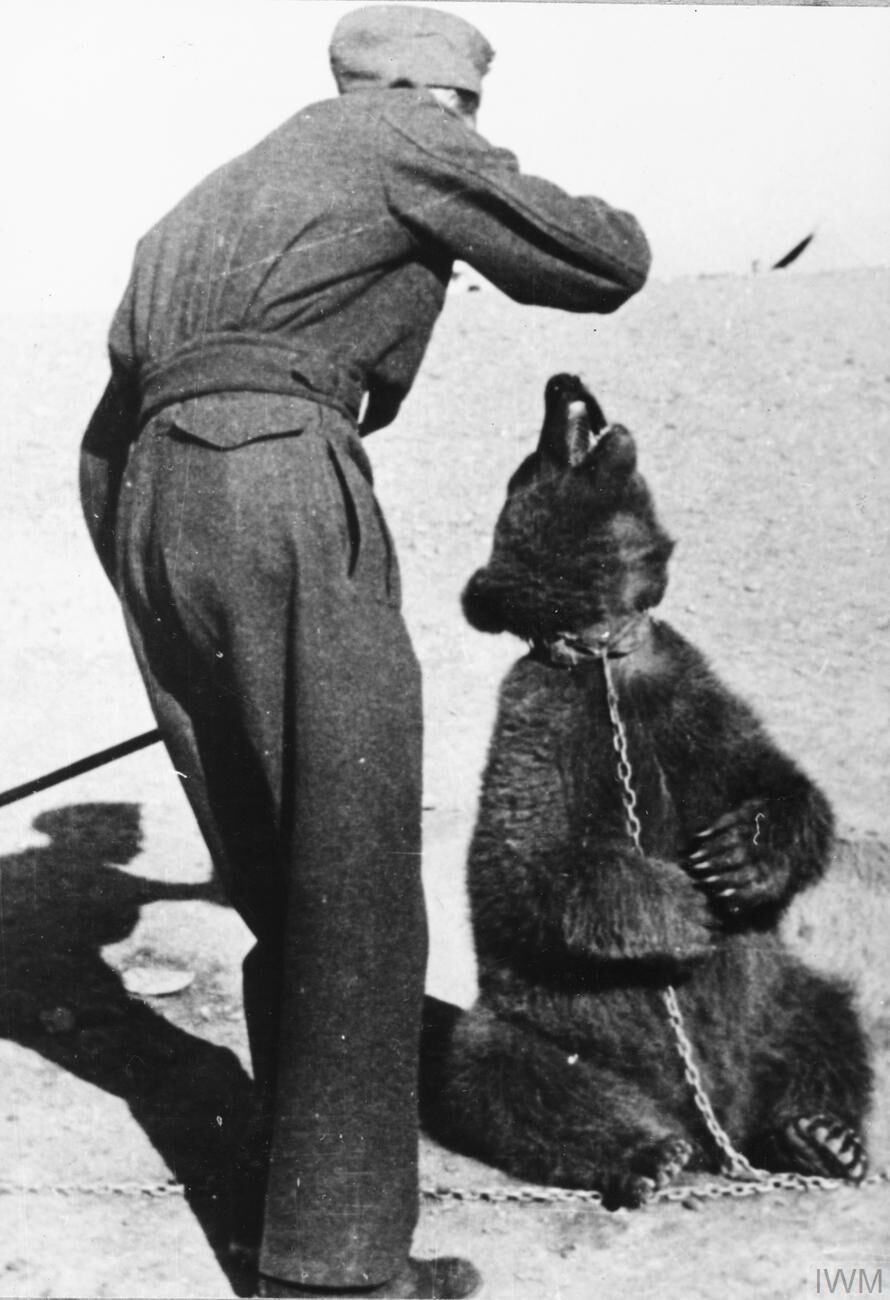
During World War II, a Syrian brown bear named Wojtek went from rescued cub to official member of the Polish Army. This wasn’t just a mascot with a cute backstory — he was formally enlisted as a private, complete with a serial number and paybook, so he could travel with the troops. Then he did something even more unbelievable. At Monte Cassino in 1944, Wojtek reportedly carried heavy ammunition crates alongside the soldiers, helping turn him into a legend. He was eventually promoted to corporal, and his unit even adopted a bear-carrying-shell emblem. It’s one of war history’s strangest and most endearing stories.
5. The Dutch Killed and Ate Their Own Prime Minister
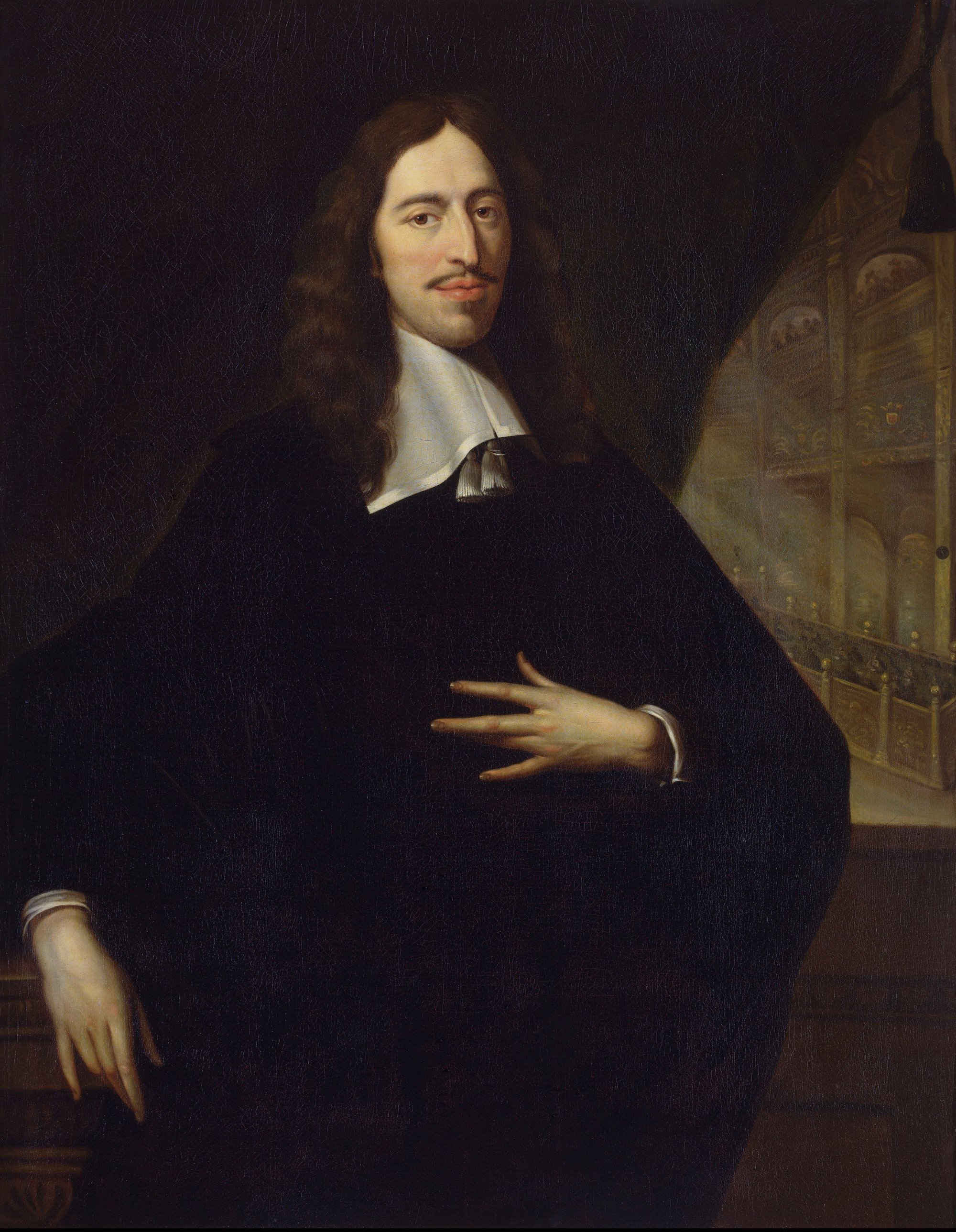
In 1672, during the Dutch Republic’s chaotic Disaster Year, fear and political fury turned into something horrifying. Dutch leader Johan de Witt and his brother Cornelis became targets as the country faced invasion and internal blame spiraled out of control. After Cornelis was jailed on dubious charges, Johan came to help him — only for a crowd to gather and attack them both outside a prison gate in The Hague. The brothers were murdered, mutilated, and displayed publicly. Most shocking of all, witnesses claimed parts of their bodies were roasted and eaten. It’s a chilling example of how quickly politics can collapse into ritualized violence.
Enjoy bite-sized learning? Try DeepSwipe.