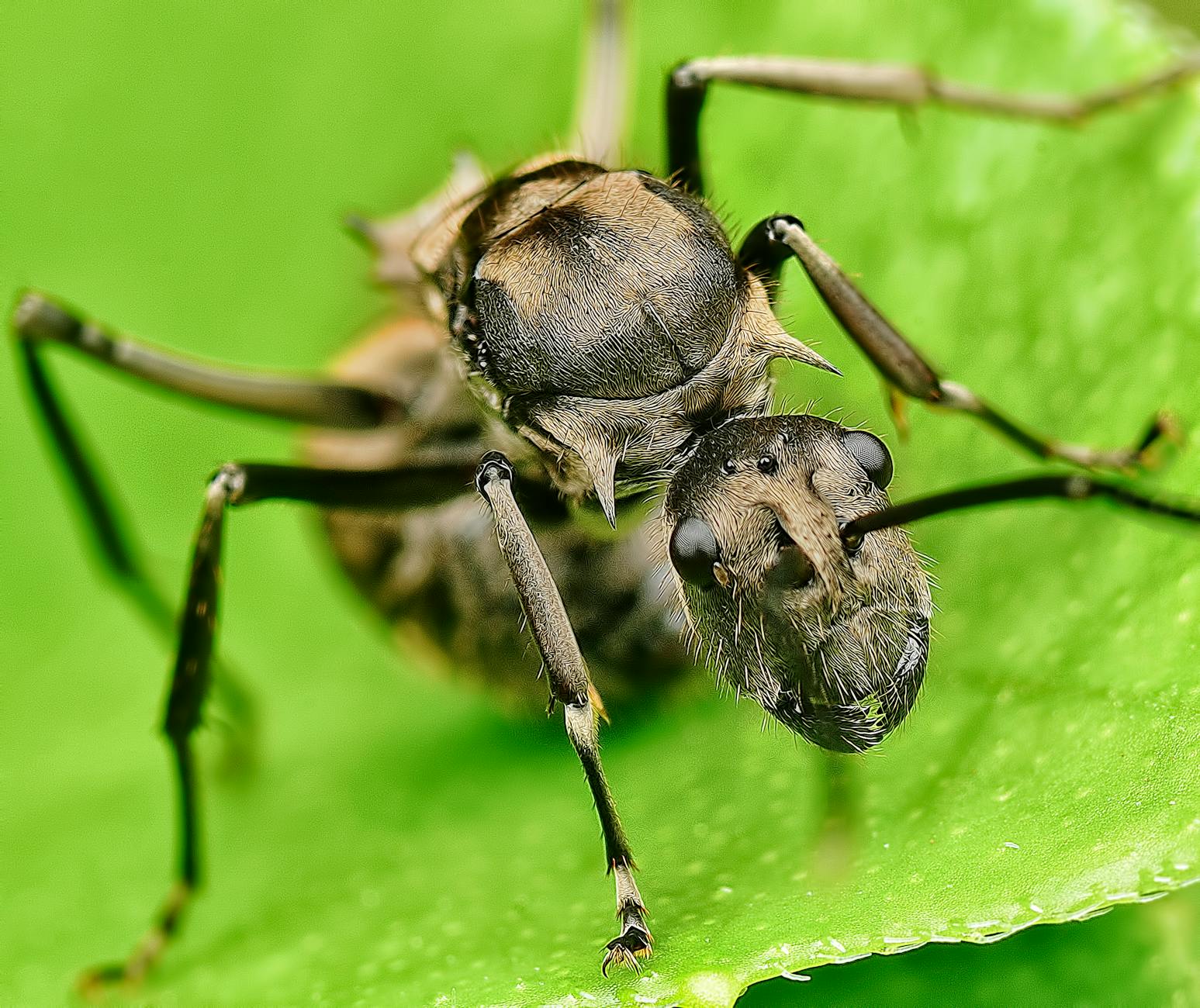
Citronella Ants: The Sweet-Smelling Underground
Imagine disturbing an ant nest and being met not with a sharp, acrid odor, but a soft, lemony scent. That’s the unexpected signature of certain Lasius ants.
A Scent You Can Name
Within the Lasius genus, species in the subgenus Acanthomyops are particularly known for this distinctive smell. Lasius interjectus and Lasius claviger are so closely associated with it that they’re commonly called citronella ants.
When these ants are crushed or disturbed, they release chemicals that to the human nose resemble citronella—the same scent many people recognize from mosquito-repelling candles.

Life Below the Surface
Though the text does not detail their full lifestyle, these citronella ants belong to a broader cast of Lasius species that often live in soil, rotting wood, or other hidden places. Some Acanthomyops species are also part of the moisture ant group, quietly nesting in damp, decayed material.
Despite their fragrant fame, they are generally inconspicuous. Most encounters happen when winged males and females emerge in swarms during their reproductive flights, suddenly drawing attention to a colony that might have been underground and unnoticed for years.
A Fragrance With a Function
For ants, scent is language. They rely heavily on chemical signals to mark trails, recognize nestmates, and defend themselves. The citronella-like odor likely comes from compounds released by their glands, which may serve as a form of defense, communication, or both.
To us, it’s a pleasant surprise. To them, it’s survival.
A Gentle Reminder Underground
Citronella ants show that even in the soil beneath our feet, life is more complex and nuanced than it looks. An insect we might dismiss as just another tiny brown ant turns out to carry a perfume that humans can name and recognize.
They are a scented reminder that the underground world hums along with its own chemistry, its own dramas, and its own quiet wonders.