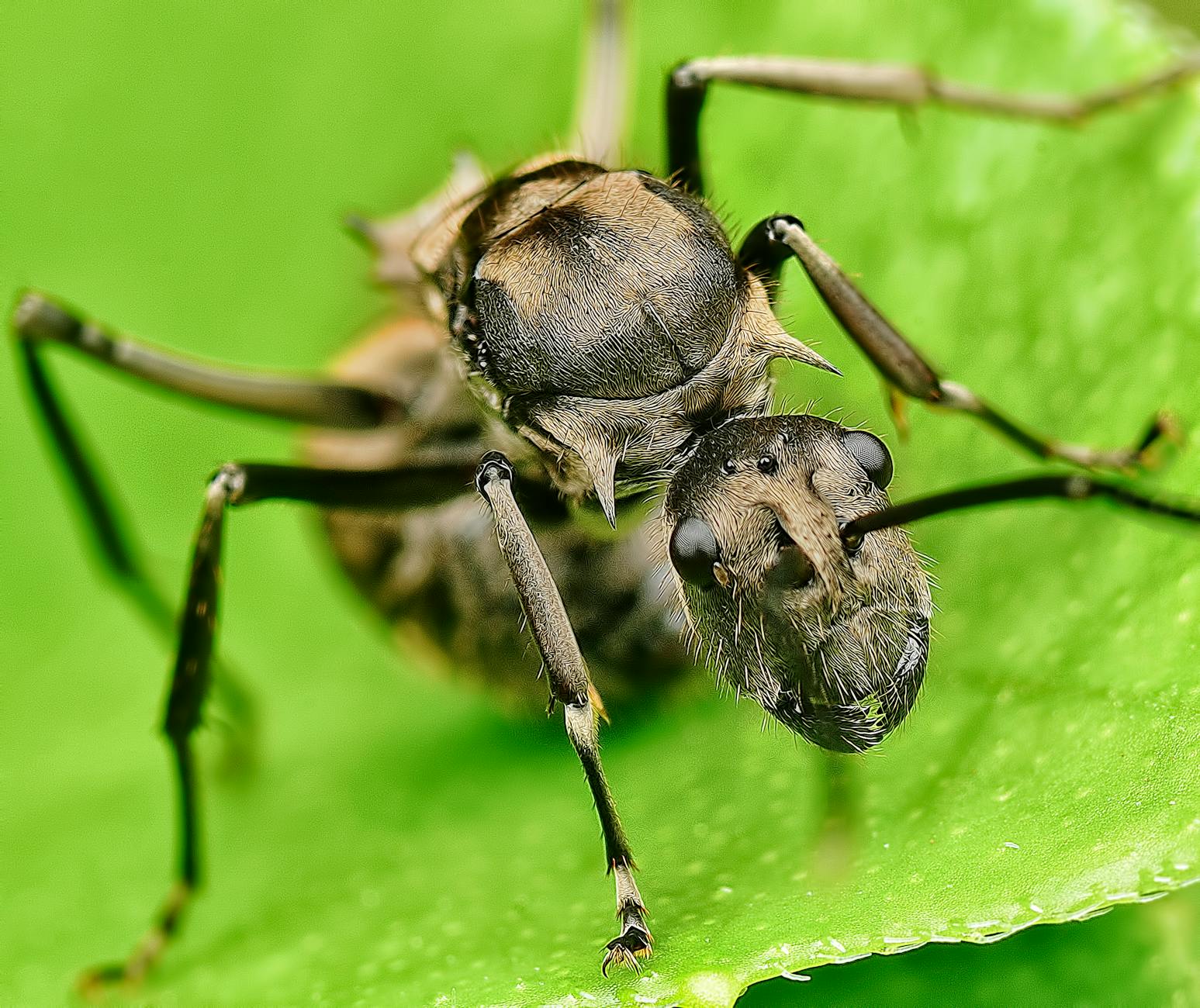
Ant Queens That Steal Kingdoms
In a quiet summer dusk, a single winged queen drops from the sky onto a bustling ant city that is not her own. By dawn, the reigning queen will be dead—and the workers will be loyally serving her murderer.
Welcome to the world of social parasitism in Lasius ants.
The Infiltrators
Several Lasius species have abandoned the hard work of building a colony from scratch. Instead, species such as Lasius latipes and Lasius murphyi time their mating flights for mid to late summer, then send newly fertilized queens searching for established nests, often those of Lasius neoniger.
These queens don’t knock politely. They invade.

Warfare by Chemistry
The most stunning trick belongs to queens like Lasius orientalis and Lasius umbratus. They use chemical signals—odors and surface chemicals that ants rely on to recognize nestmates—to fool the defending workers.
Inside the crowded tunnels of a foreign colony, the invading queen somehow convinces the resident workers that their own queen is the enemy. The workers turn on their rightful monarch, kill her, and then, incredibly, accept the intruder as their new queen.
The colony’s population, food stores, and defenses are all instantly transferred to the invader. A thriving state has changed rulers without a single loyal worker realizing they’ve been duped.
Patience as a Strategy
Other parasitic Lasius species, such as Lasius claviger, play a longer game. These queens overwinter after mating, waiting out the cold. Only in spring—when colonies are active but perhaps less vigilant—do they invade.
The result is the same: a quiet coup, a dead queen, and a colony that never understands that it has been conquered from within.
A Different Path to Success
Most ants spread by founding new nests: a lone queen, a risky start, and a high chance of failure. Socially parasitic Lasius queens skip the vulnerable phase. They gamble instead on their ability to manipulate the social rules that hold ant societies together.
It’s a reminder that in nature, power doesn’t always belong to the strongest builder or the bravest fighter. Sometimes, it belongs to the one who can rewrite the rules of loyalty with a whiff of the right scent.