Wiki Summaries · Odyssey

Xenia: Sacred Hospitality and Deadly Violations

In the Odyssey, offering a meal to a stranger can please the gods—or provoke a massacre. The code of xenia, or guest-friendship, becomes a moral yardstick that separates civilised hosts from monsters and marks out who deserves to live or die.

culturepoliticsliterature
XFacebook

When a Stranger Knocks, the Gods Are Watching

In Odysseus’s world, no act is more revealing than how you treat a guest. Xenia—guest-friendship—is not mere politeness; it is a sacred social contract overseen by the gods. To feed, shelter, and gift a stranger is to uphold civilisation itself.

Throughout the Odyssey, the way characters welcome or abuse guests quietly decides their fate.

The Gold Standard: The Phaeacians

Shipwrecked, naked, and nameless, Odysseus washes up in Phaeacia. Princess Nausicaä, prompted by Athena, finds him and sees past his ragged state. Her parents, Arete and King Alcinous, follow the classic pattern of proper xenia:

  1. Reception: They welcome the stranger before demanding his name.
  2. Care: He is bathed and clothed.
  3. Feast and Entertainment: They feed him and have the bard Demodocus sing.
  4. Questions and Story: Only then do they ask who he is.
  5. Gifts and Safe Passage: They load him with treasure and sail him home.

They are the hosts the gods smile upon: generous, curious, and willing to let their guest go when he wishes.

The Horror of Bad Hospitality

Elsewhere, the ritual breaks down with terrifying results.

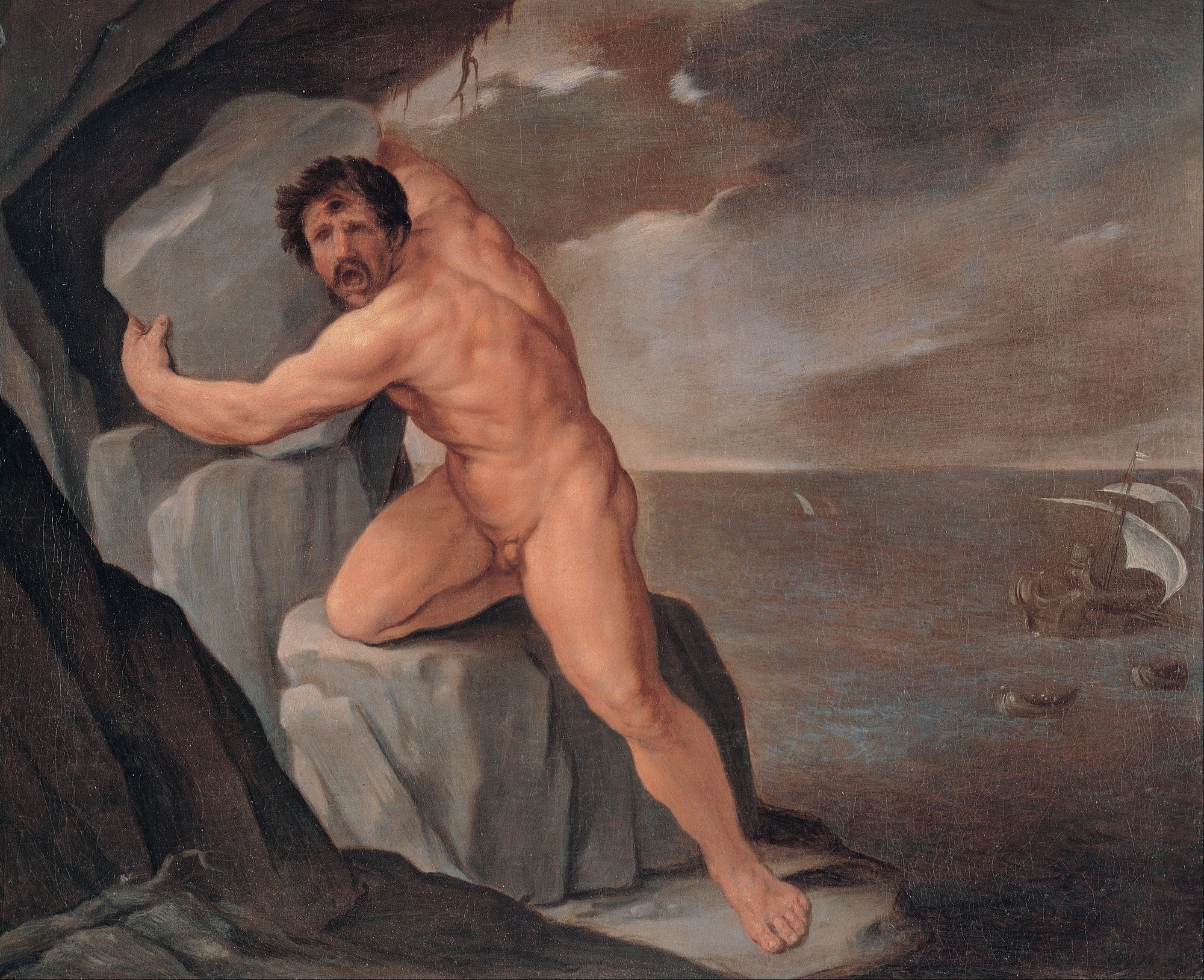
  • Polyphemus the Cyclops mocks the very idea of guest-friendship. Instead of feeding his visitors, he eats them. His only “gift” is a promise to eat Odysseus last. The violation is so extreme that Odysseus’s cunning revenge—blinding him and escaping—feels like rough justice.

  • Calypso, though not violent, also fails the test. She keeps Odysseus on her island against his will, offering comfort but not freedom. To withhold a guest’s onward journey is another breach of xenia.

  • In Ithaca, the suitors are a slow-motion disaster of hospitality. They invade Odysseus’s home, consume his food, insult the disguised king when he begs, and plot against Telemachus. Antinous in particular, though princely in appearance, is exposed as no true king because he is profoundly ungenerous.

Hospitality as Political Power

Kingship in the Odyssey is measured by generosity. A true king has the resources—and the heart—to be lavish with them. When Antinous refuses even a scrap of bread to the supposed beggar, Odysseus condemns him: a man may look royal, but without generosity, he is nothing.

This makes the slaughter of the suitors more than personal revenge. They have violated a divine and social order. By killing them, Odysseus and Telemachus “purge” the house, restoring a world in which guests are protected, not preyed upon.

The Unspoken Rule: Let Them Go

One last rule underlies good xenia: a host must never detain a guest longer than they wish and must guarantee their safety on departure. Those who honour this—like the Phaeacians—become bridges between worlds. Those who don’t, from Calypso to the suitors, stand in the way of human freedom and invite destruction.

In a story full of gods and monsters, the Odyssey suggests that the most revealing test of anyone’s character is still disarmingly simple: what do you do when a stranger needs a place at your table?
Based on Odyssey on Wikipedia.

XFacebook

Summarize another article

More topics in Odyssey

Odysseus’s Long Road Home: The Epic of Nostos

Ten years of war are followed by ten years of wandering as Odysseus fights monsters, gods, and his own pride just to reach the doorway of home. This is the story of nostos—homecoming—as a test of memory, loyalty, and what it costs to return the same person you once were.

historycultureliterature
Read →

Monsters, Goddesses, and the Art of Wandering

The Odyssey’s wanderings hurl Odysseus into a world of lotus-eaters, cannibal giants, and shape-shifting sorceresses where the laws of the gods matter more than maps. His journey turns geography into a dreamlike test of cunning, desire, and human limits.

mythologycultureliterature
Read →

Who Wears the Mask? Identity and Testing in Ithaca

The Odyssey turns home into a stage where everyone is lying to someone. Through disguises, riddles, and clever traps, the poem explores how identity is proved, tested, and finally believed.

culturepsychologyliterature
Read →

Reading the Sky: Omens, Birds, and the Will of Zeus

In the Odyssey, a sneeze, a thunderclap, or a pair of fighting eagles can rewrite a person’s fate. The poem’s world is one where the gods speak in signs—and only those who read them correctly can hope to survive.

religioncultureliterature
Read →

From Oral Song to Sacred Text: Making the Odyssey

Before it was a book on a shelf, the Odyssey was a living performance shaped by illiterate singers, audience feedback, and centuries of retelling. Its journey from sung story to canonised text is almost as winding as Odysseus’s own.

historyliteratureculture
Read →

From Alexandria to PTSD: The Odyssey’s Evolving Readings

Over 2,000 years, readers have turned the Odyssey into a mirror for everything from cosmology to combat trauma. Each age has found a different story hidden inside Odysseus’s voyage.

historyscienceliterature
Read →

Rewriting Homer: Translations and the Power to Shape a Classic

Each translator of the Odyssey doesn’t just carry the poem into a new language—they quietly reinvent what the epic means. From Roman schoolrooms to modern Chinese editions, translation has been one of the Odyssey’s most radical adventures.

literaturehistoryculture
Read →

Odysseus in Fiction: From Dante to Science Fiction Epics

The Odyssey has seeded everything from medieval visions of hell to modernist stream-of-consciousness novels and space-age adventures. Its core story keeps returning in new guises, asking each era what a journey—and a homecoming—really mean.

literatureculturescience
Read →

Enjoy bite-sized learning? Try DeepSwipe.