A Map That Can’t Be Drawn
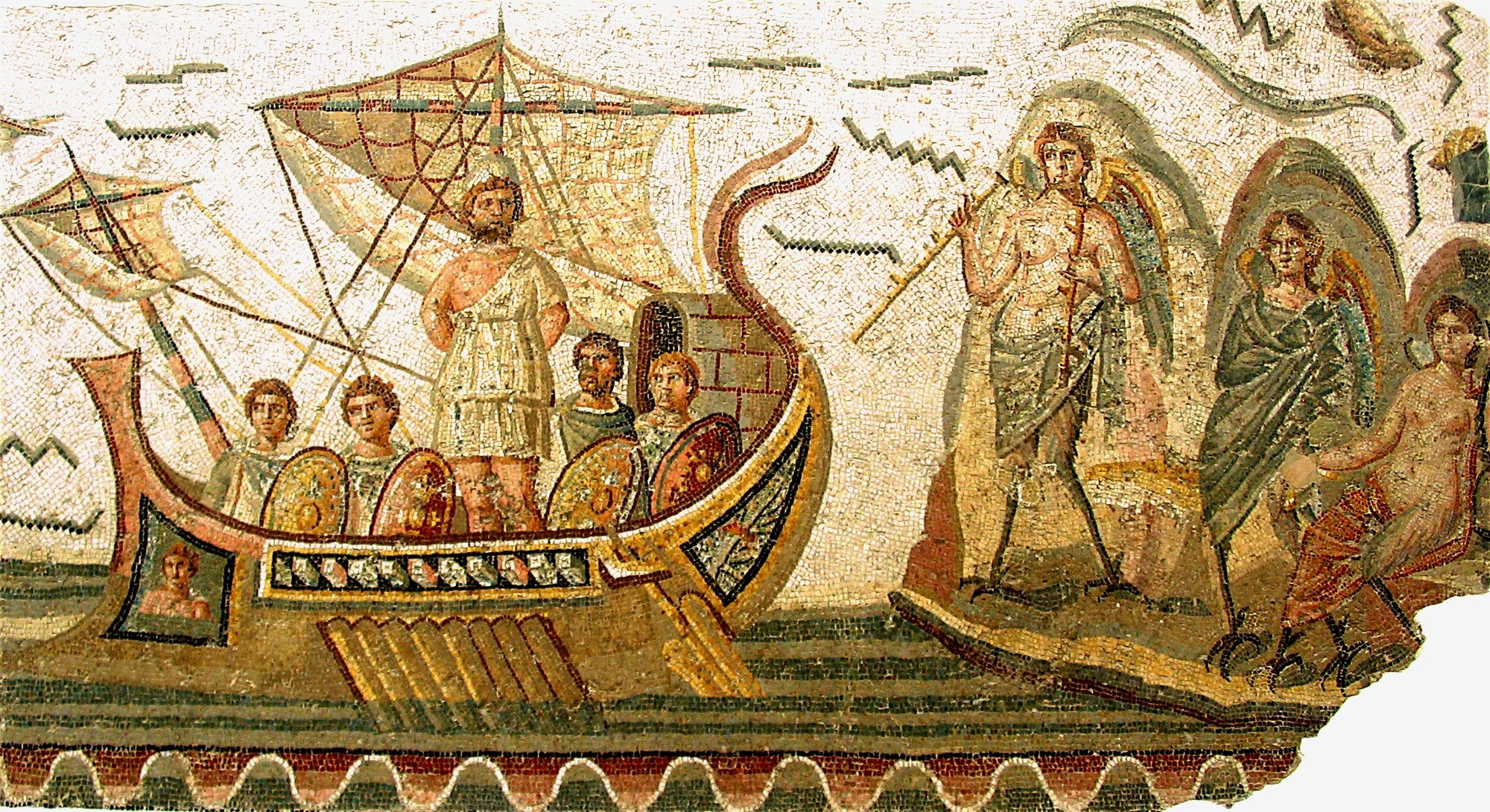
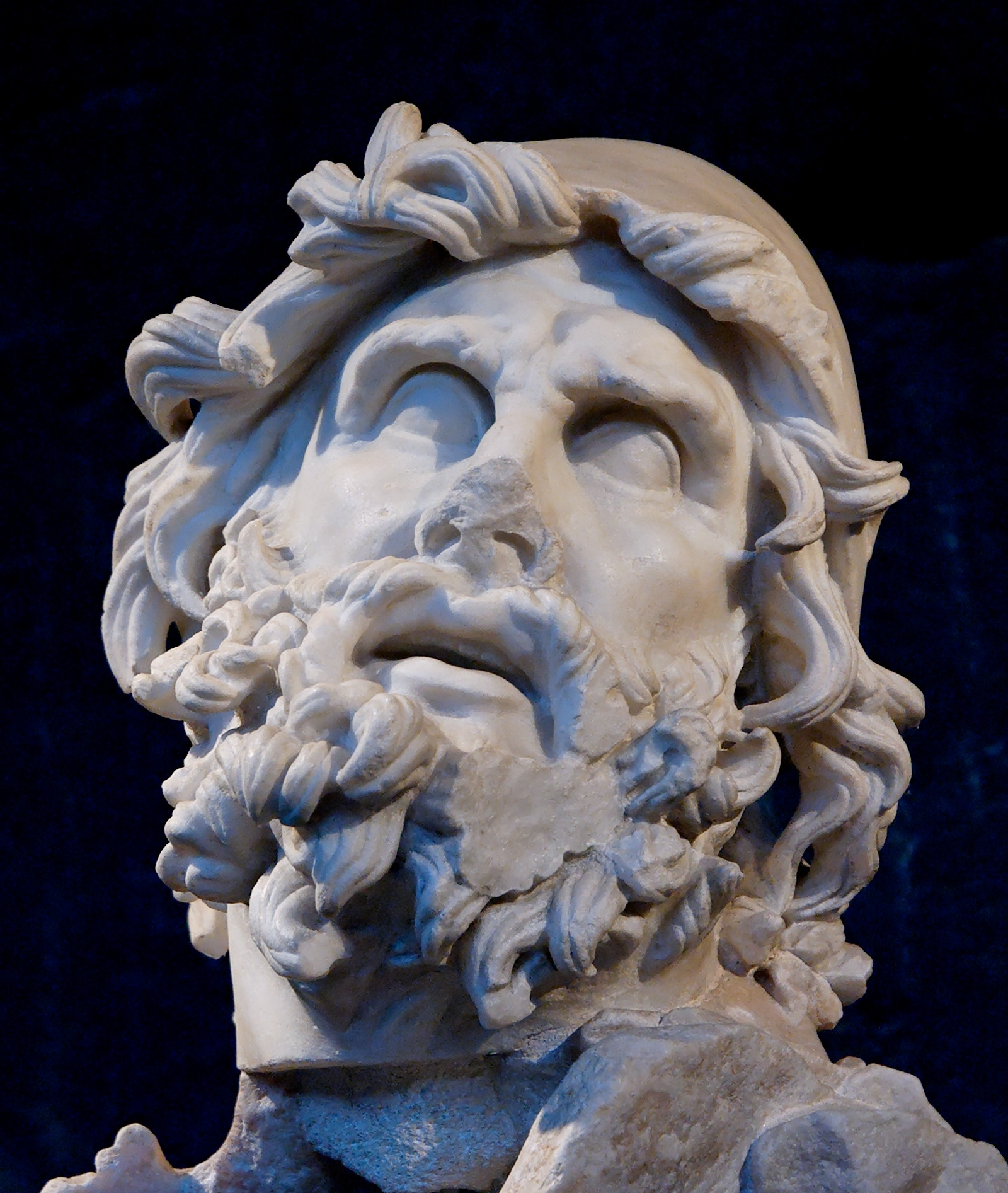
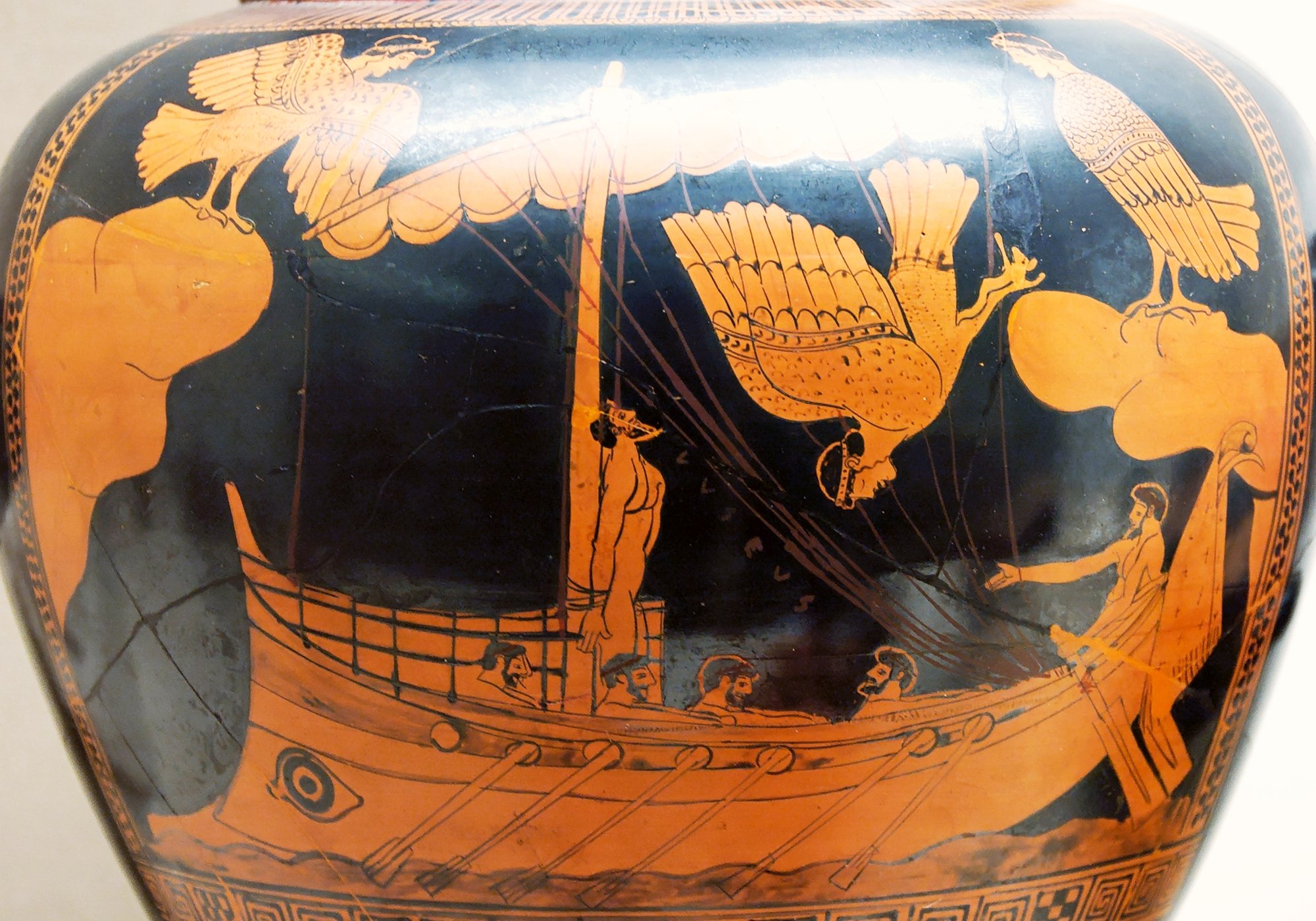
Odysseus’s journey home has tempted readers for centuries to pull out a map. Yet the further his ship sails from Troy, the more the world slips loose from geography into myth. Scholars largely agree: much of the landscape—especially the dazzling episodes in Books 9 to 11—is not mappable in any ordinary sense.
British classicist Peter Jones notes that generations of oral storytellers probably updated the tale before it was ever written down, making it "virtually impossible" to say how it reflects real geography. Modern interpreters are less interested in where Odysseus went than in what his wanderings mean.
Calypso’s Island: Being Hidden from the World
When the poem’s main narrative begins, Odysseus is not sailing but stuck. The nymph Calypso keeps him on her remote island as her reluctant lover. Her very name, from kalúptō—“to cover” or “conceal”—captures his condition. He is alive, preserved, but erased from human society and from his own story of home.
Only when the gods intervene does the sea open to him again. The departure from Calypso marks a shift from being hidden to becoming visible—vulnerable to storms, gods, and history once more.

Phaeacia: The Threshold of Home
Shipwrecked, Odysseus washes up in Scheria, land of the Phaeacians. They live near the Cyclopes and trace their royal line back to giants and Poseidon himself. These are people close to the gods, yet crucially, they “convoy without hurt to all men.”
Here the wandering hero pauses between two worlds. In the palace of Alcinous and Arete, amidst games and songs, he finally reveals his name and recounts his adventures—from the Lotus-Eaters and the Cyclops to Circe and the underworld. The Phaeacians embody safe passage; their ship will finally deliver him to Ithaca’s shore.
A World Crowded with Almost-Gods
Along the way, Odysseus meets beings who blur the line between divine and mortal:
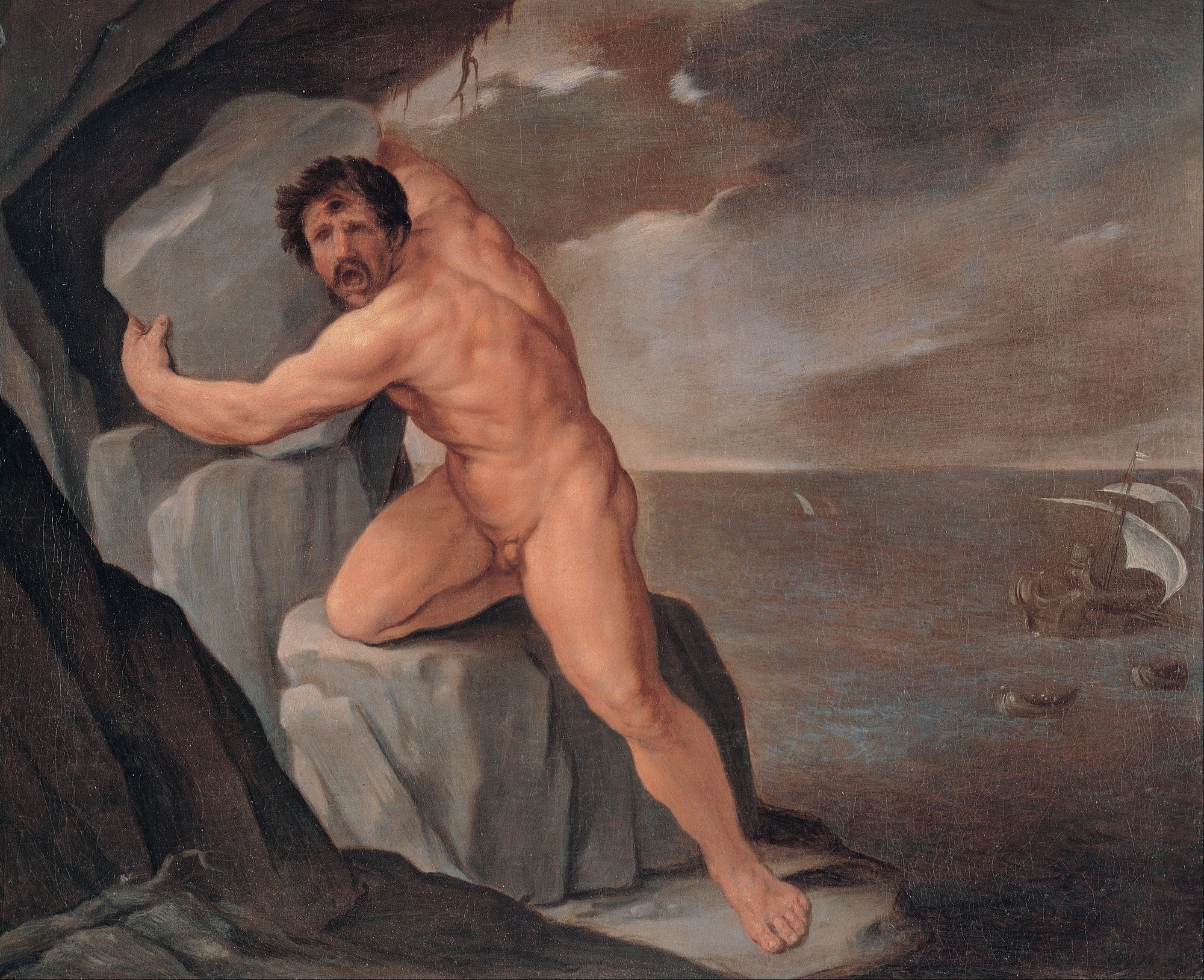
- Polyphemus, the Cyclops, is a one-eyed giant and son of Poseidon. His island cave becomes a deadly trap until Odysseus blinds him.
- Circe, a sorceress, turns his crew into pigs, only to become his lover and hostess for a year once Hermes helps Odysseus resist her magic.
- The Laestrygonians, cannibalistic giants, destroy all but one of his ships.
These encounters show Odysseus moving in a zone “beyond man,” where social rules fail and survival demands both courage and guile.
Wandering as a Spiritual Axis
The journey even pierces the boundary between life and death. At the edge of Oceanus, Odysseus speaks with the dead: the prophet Tiresias, his mother Anticleia, and former comrades like Agamemnon and Achilles. Tiresias foretells not only his homecoming but another journey still to come.
Wandering, then, is not aimless. It is the axis on which his fate turns—a movement through temptation, grief, and revelation until he is finally ready to be not just a survivor, but a ruler, husband, and father again.
In the end, the Odyssey invites us to see wandering less as being lost, and more as the strange, dangerous path by which a person becomes fully themselves.