A Homecoming That Takes Twenty Years
Victory at Troy should have been the end of Odysseus’s story. Instead, it becomes the beginning of a second, more intimate war: the struggle to get home. For the king of Ithaca, nostos—homecoming—is not a straight sail but a maze of temptations, losses, and second chances.
Home as Prize and Obsession
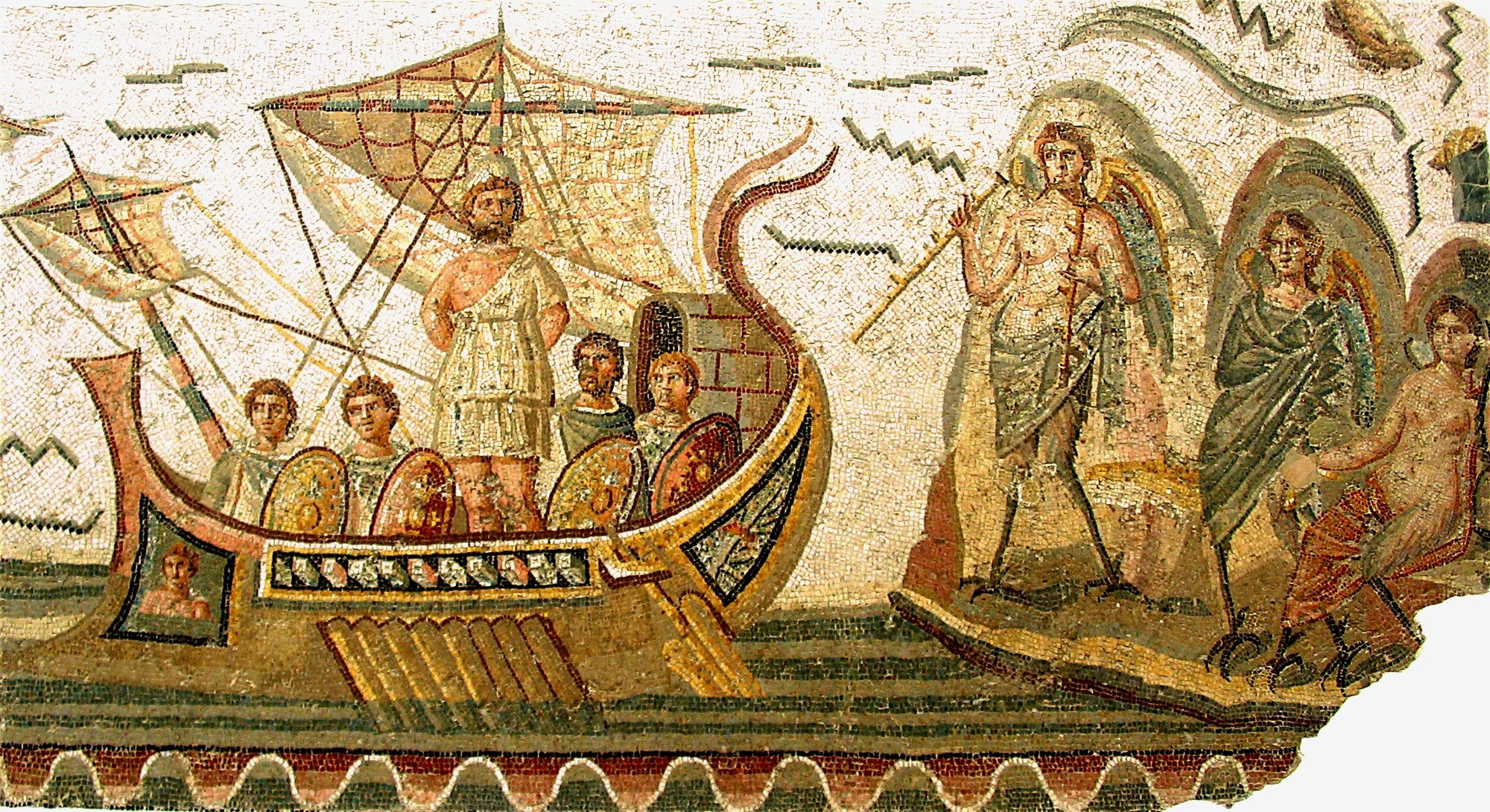
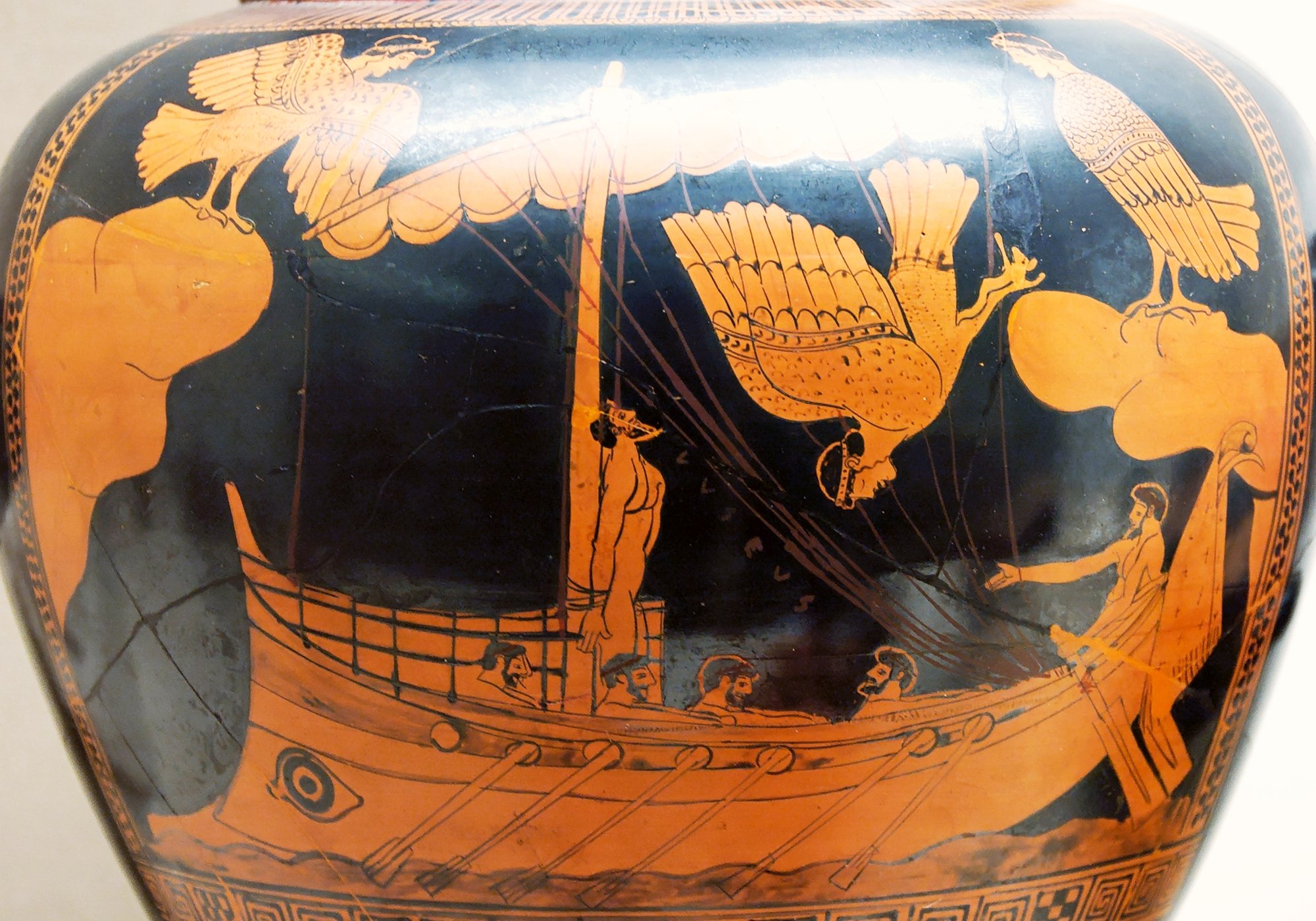
Odysseus spends ten more years at sea after the Trojan War. Storms, monsters, and divine grudges tear away every shipmate until he alone survives. Yet the epic insistently measures these wonders against a simple image: a man who wants to sit again at his own hearth beside his wife and son.
At home, absence has its own violence. Penelope and Telemachus endure a house overrun by 108 arrogant suitors, consuming Odysseus’s wealth and pressuring Penelope to remarry. She resists by weaving a shawl by day and secretly unweaving it by night, turning the very idea of “finishing” into a weapon. Home is not waiting unchanged; it, too, is under siege.

The Shadow of Failed Homecomings
Odysseus’s nostos is haunted by other, darker returns. Agamemnon, commander at Troy, comes home only to be murdered by his wife Clytemnestra and her lover Aegisthus. Their son Orestes kills Aegisthus, winning grim fame as an avenger.
Athena and Nestor hold up Orestes as a model for young Telemachus, warning that a passive son can doom a family. In the underworld, Agamemnon praises Penelope precisely because she did not become another Clytemnestra. His failed homecoming sharpens the stakes of Odysseus’s: the wrong kind of return can be worse than never coming home at all.
Achilles, too, looms in contrast. He chose battlefield glory over safe return and dies at Troy, gaining fame but no nostos. Odysseus’s story asks whether survival, love, and obscurer happiness might matter more than immortal renown.
Testing the Home You Return To
When Odysseus finally reaches Ithaca, Athena disguises him as a beggar. Instead of bursting through the door, he watches. Who has remained loyal? Who has betrayed him to the suitors? The home he longs for must itself be tested.
He finds faithfulness in unexpected places: the swineherd Eumaeus, who offers food and shelter to the ragged stranger; the old nurse Eurycleia, who recognises a scar on his leg; and even his dog Argos, who, neglected and near death, still wags at his master before quietly dying. These recognitions show that nostos is not just arrival—it is recognition, proof that the bonds of the past have endured.
A Homecoming with Blood on Its Hands
The climax of nostos is violent. Odysseus strings his great bow, wins Penelope’s archery contest, and slaughters the suitors. Telemachus hangs the enslaved women who slept with them. Restoration of the household order comes at the cost of human lives.
When the dead suitors’ families gather for revenge, only Athena’s intervention prevents an endless vendetta. Homecoming, the poem suggests, is not a gentle return to normalcy. It reshapes the world and leaves scars—in the land, in the family, and in the man who finally, after twenty years, crosses his own threshold again.