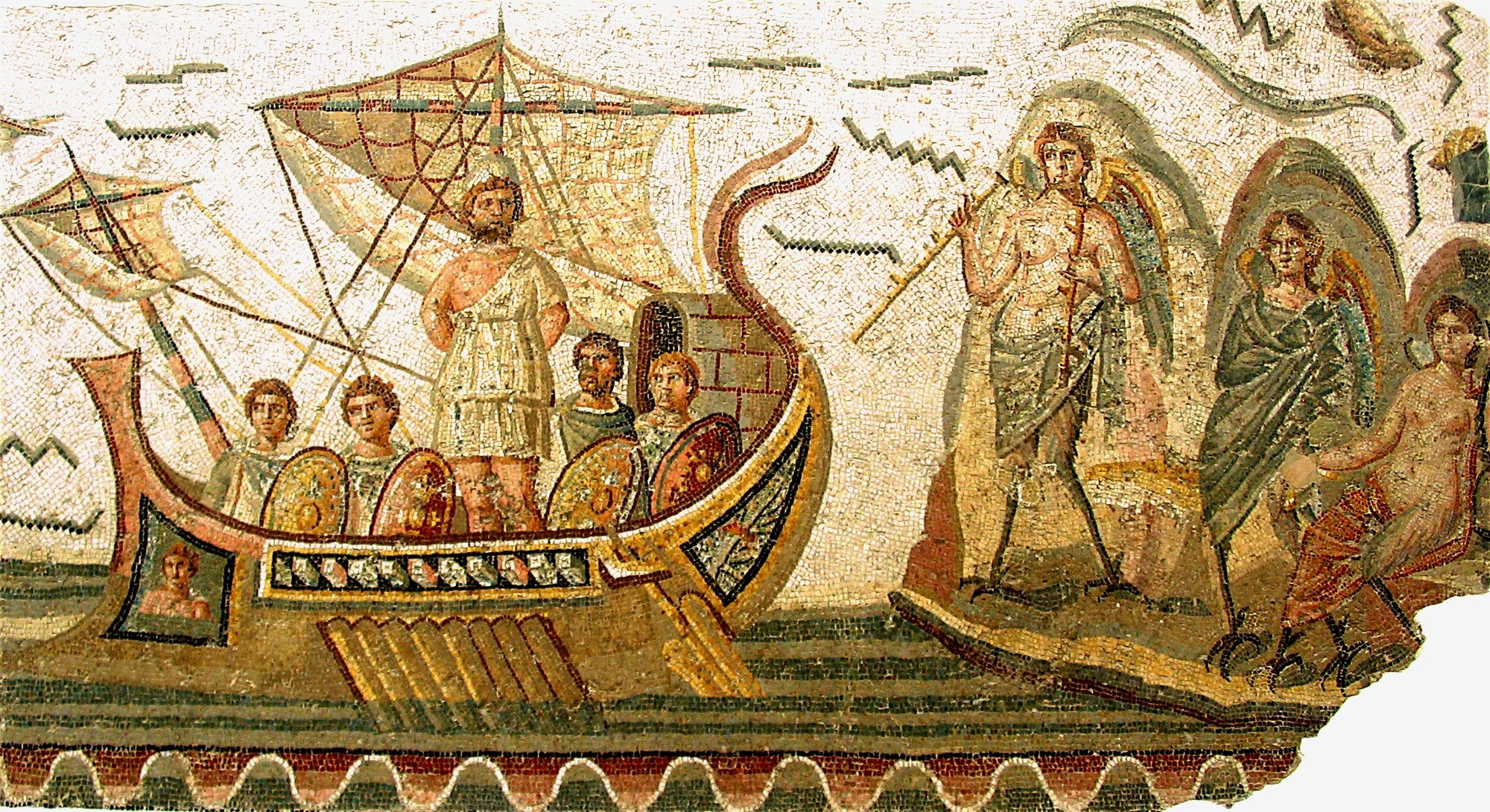
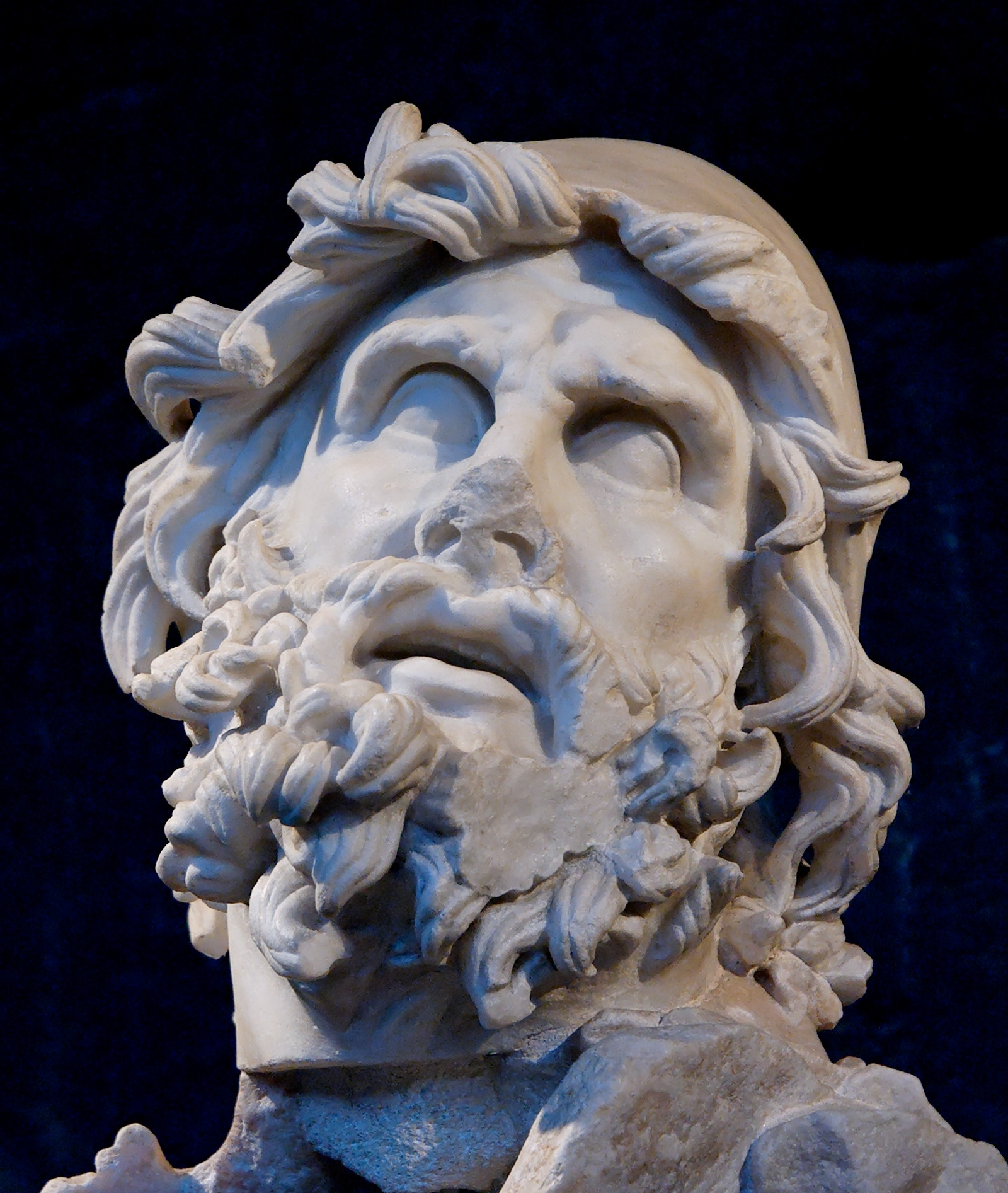
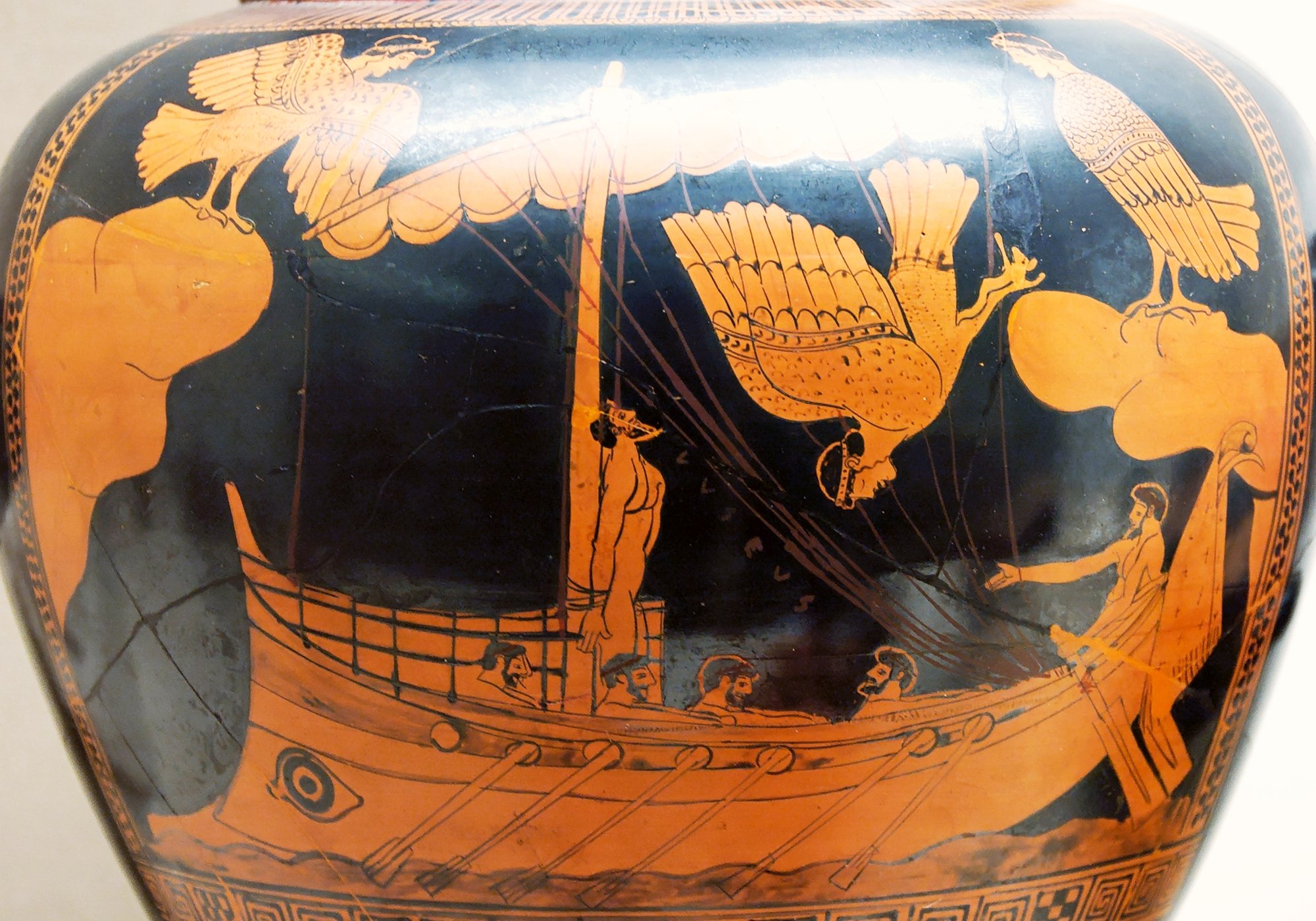
The Odyssey is an ancient Greek epic attributed to Homer that follows Odysseus’s perilous ten‑year journey home from the Trojan War and explores enduring themes of homecoming, wandering, hospitality, identity, and fate, while tracing the poem’s vast influence on literature, scholarship, and culture from antiquity to the present day.
9 topics
Ten years of war are followed by ten years of wandering as Odysseus fights monsters, gods, and his own pride just to reach the doorway of home. This is the story of nostos—homecoming—as a test of memory, loyalty, and what it costs to return the same person you once were.
The Odyssey’s wanderings hurl Odysseus into a world of lotus-eaters, cannibal giants, and shape-shifting sorceresses where the laws of the gods matter more than maps. His journey turns geography into a dreamlike test of cunning, desire, and human limits.
In the Odyssey, offering a meal to a stranger can please the gods—or provoke a massacre. The code of xenia, or guest-friendship, becomes a moral yardstick that separates civilised hosts from monsters and marks out who deserves to live or die.
The Odyssey turns home into a stage where everyone is lying to someone. Through disguises, riddles, and clever traps, the poem explores how identity is proved, tested, and finally believed.
In the Odyssey, a sneeze, a thunderclap, or a pair of fighting eagles can rewrite a person’s fate. The poem’s world is one where the gods speak in signs—and only those who read them correctly can hope to survive.
Before it was a book on a shelf, the Odyssey was a living performance shaped by illiterate singers, audience feedback, and centuries of retelling. Its journey from sung story to canonised text is almost as winding as Odysseus’s own.
Over 2,000 years, readers have turned the Odyssey into a mirror for everything from cosmology to combat trauma. Each age has found a different story hidden inside Odysseus’s voyage.
Each translator of the Odyssey doesn’t just carry the poem into a new language—they quietly reinvent what the epic means. From Roman schoolrooms to modern Chinese editions, translation has been one of the Odyssey’s most radical adventures.
The Odyssey has seeded everything from medieval visions of hell to modernist stream-of-consciousness novels and space-age adventures. Its core story keeps returning in new guises, asking each era what a journey—and a homecoming—really mean.
Summarize another article
Enjoy bite-sized learning? Try DeepSwipe.