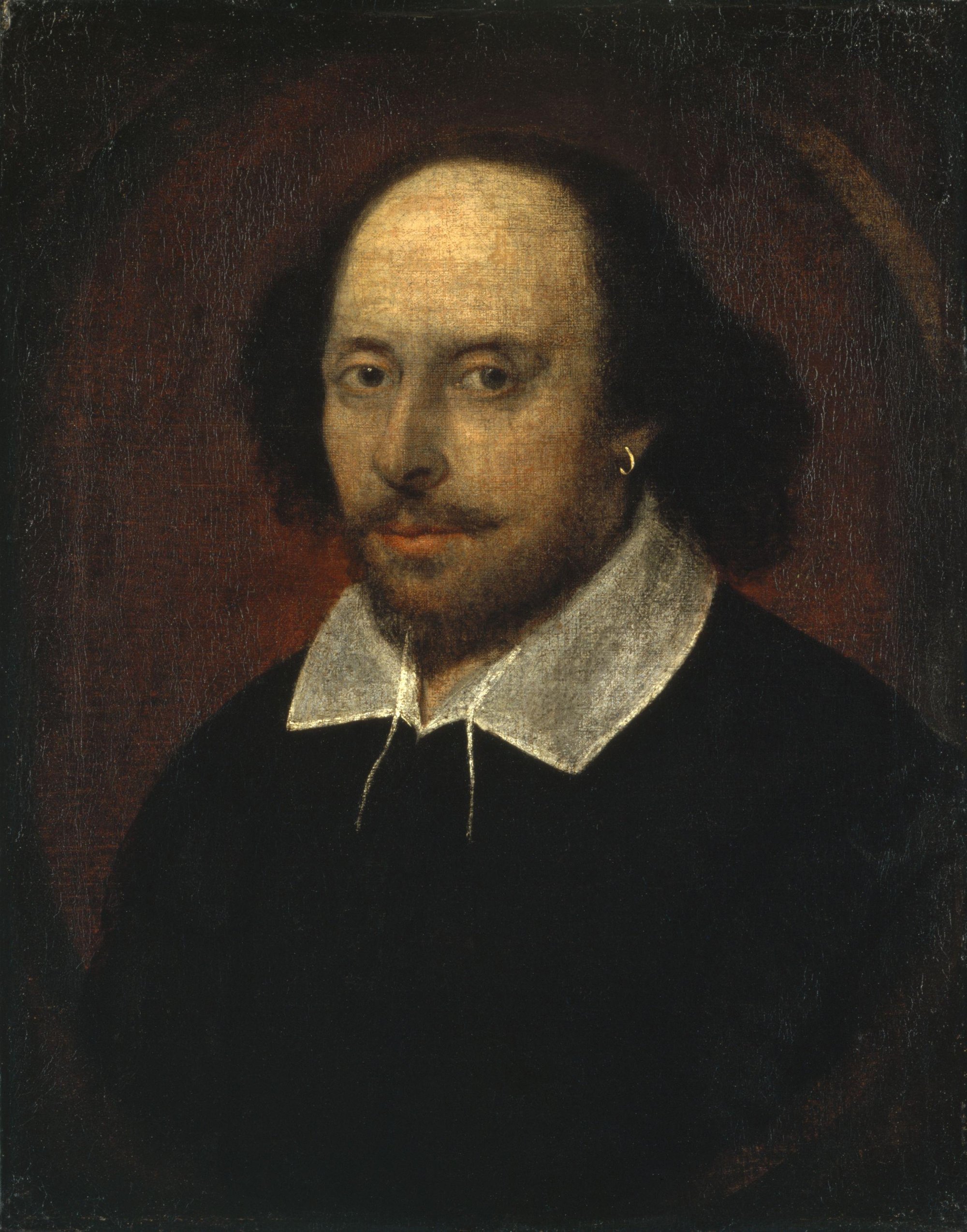
優れた作家は、すばらしい物語を遺す。ウィリアム・シェイクスピアは、日常のことばそのものを遺した。
彼の戯曲や詩の中の名台詞の多くが、舞台や本の世界からこぼれ落ちて、ふつうの会話に紛れ込んでいる。そこでいまでは、もはや芝居じみたセリフというより、実践的な人生アドバイスのように響いている。「光るもの必ずしも金ならず(all that glitters isn’t gold)」「真の恋の道はいつも平坦とは限らない(the course of true love never did run smooth)」「簡潔こそ機知の真髄(brevity is the soul of wit)」「汝自身に誠実であれ(to thine own self be true)」といったフレーズは、あまりにも頻繁に引用されるため、もともとは劇中の台詞だったことを忘れてしまう人も多い。
こうしたことばの「生命力」の強さこそ、シェイクスピアの英語への影響を圧倒的なものにしている理由のひとつだ。戯曲、ソネット、物語詩を合わせると、彼は17,677語を用い、そのうち1,700語はシェイクスピアが初めて使った語だと、ウォーレン・キングは指摘している。また彼は、外国語や古典文学から語を借りてきて、名詞を動詞に、動詞を形容詞に変えたり、既存の語を新しい組み合わせでつなぎ合わせたり、接頭辞や接尾辞を足したり、まったくの新語を作り出したりと、自在にことばを作り替えたことで知られている。
とはいえ、伝説よりは少し話が複雑なのも事実だ。シェイクスピアが多くの新語を生み出した可能性は高いが、後世の研究者の中には、オックスフォード英語辞典の初版を編む際にシェイクスピアの作品がとりわけ綿密に読まれたがゆえに、彼に「初出」を与えすぎた者もいた。歴史家ジョナサン・ホープは、同じ語や意味が他の作家にも見られるにもかかわらず、最初の使用例としてシェイクスピアにクレジットが与えられることが多いと指摘している。つまり、すべての有名な「初出」が彼ひとりの手柄というわけではないにせよ、シェイクスピアが英語を形作った巨人であることに変わりはない、ということだ。
DeepSwipe でストーリーを見る
なぜこれらの台詞は生き残ったのか
いまも使われているフレーズには、ある共通点がある。短く、印象的で、応用が利く、という3つだ。
『ハムレット』の「簡潔こそ機知の真髄(brevity is the soul of wit)」自体が、その好例だ。この一行はコンパクトで覚えやすく、その意味も日常生活にそのまま持ち込める。「賢い伝え方は、えてして簡潔な伝え方だ」ということだ。『マクベス』の「たとえ何が起ころうとも(come what may)」も同じ構造をしている。短く、リズムがあり、覚悟が必要な場面ならたいていどこででも使える。
ほかの表現は、厳しい真実を一つのイメージにぎゅっと凝縮しているからこそ生き残った。「光るもの必ずしも金ならず(all that glitters isn’t gold)」は『ヴェニスの商人』に登場し、外側の輝きにだまされるなと戒める。「真の恋の道はいつも平坦とは限らない(the course of true love never did run smooth)」は、『夏の夜の夢』で語られ、恋の悩みを普遍的な法則にまで引き上げている。そこに描かれている状況がいまもまったく古びていないからこそ、これらのフレーズも現代的に聞こえるのだろう。
おそらく、それこそが秘密だ。これらは鑑賞するための引用句であるだけでなく、人が何度でも使い回せる「道具」なのだ。

記憶に残るワンフレーズの名手としてのシェイクスピア
近代の広告スローガンが生まれるずっと前から、シェイクスピアは、頭にこびりつくように設計されたかのような一行を書いていた。
『ハムレット』の「汝自身に誠実であれ(to thine own self be true)」は、いまや「自分に正直に」という個人の誠実さの代名詞だ。『終わりよければすべてよし(All’s Well That Ends Well)』の「みなを愛し、少数を信じ、誰にも害をなすな(Love all, trust a few, do wrong to none)」は、一文で完結した道徳律のように響く。これも『ハムレット』の「貸すなかれ借りるなかれ(Neither a borrower nor a lender be)」は、率直な金銭アドバイスとして生き延びている。『ウィンザーの陽気な女房たち』の「三時間早すぎるほうが一分遅れるよりまし(Better three hours too soon than a minute too late)」は、「早め行動」を格言にしてしまった。
これらの台詞は、持ち運びできる感じがする。戯曲からそのまま抜き取って、日常生活に置き換えても、力が失われない。その「携帯性」は重要だ。食卓でも、口論でも、ラブレターでも、ひどい一日の終わりに小声でも、どんな場面でも口にできるフレーズこそ、長く残る。
『ハムレット』の「親切であろうとしてあえて残酷であれ(be cruel to be kind)」でさえ、長く生き残った。それは、よく知られたジレンマに名前を与えているからだ――本当の親切が、ときに相手を不快にさせることを伴う、というジレンマに。シェイクスピアは、緊張や葛藤を、どこか均衡が取れていて避けようのない響きをもったフレーズに圧縮する天才だった。
比喩として包まれたアドバイス
多くのシェイクスピア的な言い回しが残っているのは、それが抽象的ではないからだ。ことごとく、生きたイメージを背負っている。
『マクベス』の「一撃のもとに(at one fell swoop)」は好例だ。swoopとは、鳥などが急降下して襲うような、突然の猛スピードの動きのことだ。この表現ひとつで、ある出来事が、素早く、全面的で、どこか暴力的なものとして感じられるようになる。『ヴェニスの商人』に出てくる「一ポンドの肉(a pound of flesh)」は、苛烈な支払い義務を、肉体的で不穏なイメージに変えてしまうからこそ記憶に残る。『ジュリアス・シーザー』の「戦争という犬どもを解き放て(let slip the dogs of war)」は、戦争を、解き放たれた獣のように、荒々しく制御しがたいものとして描き出す。
これらは、素っ気ない説明文ではない。ことばで描かれた「絵」だ。そして、絵は、説明よりずっと覚えやすい。
『オセロ』に出る「心を袖に付ける(wear your heart on your sleeve)」も同じだ。誰の目にも丸見えになるように、感情をむき出しで身に付けている様子を示している。『ヘンリー五世』の「黄金の心(heart of gold)」は、善良さを、貴重で固いものとして表現する。『オセロ』の「緑眼の怪物(green-eyed monster)」は、嫉妬心を、心の中をつけ狙う怪物に変えてしまう。
鮮やかな比喩は、最初に用いられた場面を飛び越えて長生きする。人々が、そのたびごとに新しい使いどころを見つけてくるからだ。
ドラマが日常会話になるとき
シェイクスピアのもっとも劇的な台詞のいくつかは、いまや王や殺人、嵐や裏切りとはまるで関係のない日常場面で使われている。
『じゃじゃ馬ならし』の「氷を砕く(break the ice)」は、よそよそしい空気を和らげようとするときに使われる。『オセロ』の「決まりきった結末(foregone conclusion)」は、結果が見えきっていると感じるときに使われる。「せいせいした(good riddance)」は『トロイラスとクレシダ』に由来し、いまではあっさりとした別れのひと言になった。『から騒ぎ』の「身を伏せる(lie low)」は、しばらく目立たぬようにしたほうがいい、という気軽な助言として口にされる。
きわめて芝居がかった台詞でさえ、いまや普通のことばだ。『マクベス』の「してしまったことは、もうどうにもならぬ(What’s done is done)」は、現実を受け入れる実務的な言い回しのように響く。『お気に召すまま』の「われらもよき日を見しものなり(We have seen better days)」は、控えめな本音として自然に使える。「恋は盲目(Love is blind)」は『ヴェニスの商人』由来で、恋愛についてのもっとも簡潔で息の長い観察のひとつとして今も生きている。
これこそ、シェイクスピアのことばの驚くべきところだ。特定の場面で俳優が口にするために書かれた一行が、やがて誰もが使える日常会話のフレーズになってしまったのだ。
名台詞が一般的な知恵になるとき
シェイクスピアのよく知られた表現の中には、いまやほとんどことわざのように感じられるものが多い。
『お気に召すまま』の「この世はすべて一つの舞台、人間はみな役者にすぎぬ(All the world’s a stage. And all the men and women merely players)」は、人生そのものを舞台上の演技として捉える見方を示している。『ジュリアス・シーザー』の「人事には潮時というものがある(There is a tide in the affairs of men)」は、人のチャンスを満ち引きする潮にたとえ、そのときどきに乗り遅れてはならないと教える。『お気に召すまま』の「逆境もまた甘きかな(Sweet are the uses of adversity)」は、困難が学びの機会になりうると説く。
さらに、冷徹な現実感を凝縮したようなフレーズもある。『リア王』の「無からは何も生まれぬ(Nothing will come of nothing)」、「勇気の大半は慎重さなり(the better part of valour is discretion)」と語られる『ヘンリー四世・第一部』、『ハムレット』の「備えあればすべてよし(the readiness is all)」。いずれも、より大きな葛藤を、鋭く引用しやすい真理にまで削り込んでいるからこそ、「助言」の形に聞こえる。
同じ理由で、「たとえ何が起ころうとも(come what may)」や「終わりよければすべてよし(all’s well that ends well)」といったフレーズも、ごく自然に言い回され続けている。物語や人物についての予備知識をまったく必要とせず、その場で即座に意味が通じるからだ。
なぜシェイクスピアは英語の中で今も生きているのか
これらの表現が残ったのは、古いからでも、シェイクスピアが有名だからでもない。いまも「使える」からだ。
役に立つことばは、何度も繰り返される。繰り返されることばは、やがて聞き慣れたものになる。聞き慣れたことばは、時間を超えたものに感じられるようになる。
シェイクスピアの英語への影響は、珍しい語彙や文学的権威だけの話ではない。人が、賢く聞こえたいとき、あきらめを表したいとき、希望を口にしたいとき、恋愛感情を語りたいとき、皮肉を言いたいとき、勇気を振り絞りたいときに、つい口をついて出てくるフレーズの話でもある。『ロミオとジュリエット』の「別れとは、かくも甘き悲しみ(parting is such sweet sorrow)」のような一行は、ありきたりな表現ではなかなか言い当てにくい、入り混じった感情を言葉にしてくれる。『マクベス』の「騒音と激情(sound and fury)」は、混沌を持ち運びできる表現に変えてしまう。「名前に何の意味があるのか(What’s in a name?)」という『ロミオとジュリエット』の台詞はいまも、レッテルや外見への疑いとして働いている。
ある言い回しは励ましを与え、ある言い回しは警告を発する。あるものは、人がすでに抱いていた感情を、ぴたりと言語化して鋭くしてくれる。その「感情や経験を、言葉にしやすくしてくれる力」こそ、シェイクスピアのことばが時代と場所を超えて旅を続けている大きな理由なのだ。
シェイクスピアの言い回しが教えてくれる、たったひとつのこと
これらの熟語や決まり文句が、いま聞いても新鮮なのだとすれば、それは単に会話を飾っているからではない。私たちの経験そのものの「かたち」を与えてくれるからだ。
彼らは私たちに、「光るもの必ずしも金ならず(all that glitters isn’t gold)」と警告する。「真の恋の道はいつも平坦とは限らない(the course of true love never did run smooth)」と教えてくれる。「簡潔こそ機知の真髄(brevity is the soul of wit)」で言葉の節度を、「汝自身に誠実であれ(to thine own self be true)」で自分への正直さを促す。そして、人生が不確かに揺らぎはじめたとき、「たとえ何が起ころうとも(come what may)」という一言はいまなお、意外なほどの重みをもって胸に落ちてくる。
それこそ、真の業績だ。シェイクスピアは舞台のために書いた。だが、その多くの台詞は、舞台から完全に抜け出してしまった。ことわざになり、人生訓になり、人々が互いを理解しようとしてことばを選ぶとき、自然と手を伸ばすフレーズになったのだ。
こうして文学は、本棚に静かに置かれたままではいられなくなる。日常の会話のなかで、いまも生きているのだ。