For most of human history, copying a text was slow, expensive, and intensely manual. Books had to be reproduced by hand, usually by scribes. That meant every additional copy demanded more labor, more time, and more cost. Then printing transformed the equation.
One of the most striking ways to grasp that change is this: within a single lifetime after printing took hold in Europe, about eight million books had been produced. That astonishing figure was said to exceed the total output of Europe’s scribes since Constantine founded Constantinople in A.D. 330. It was a true publishing shockwave, and it changed the scale on which literature, knowledge, and ideas could circulate.
Watch the story on DeepSwipe
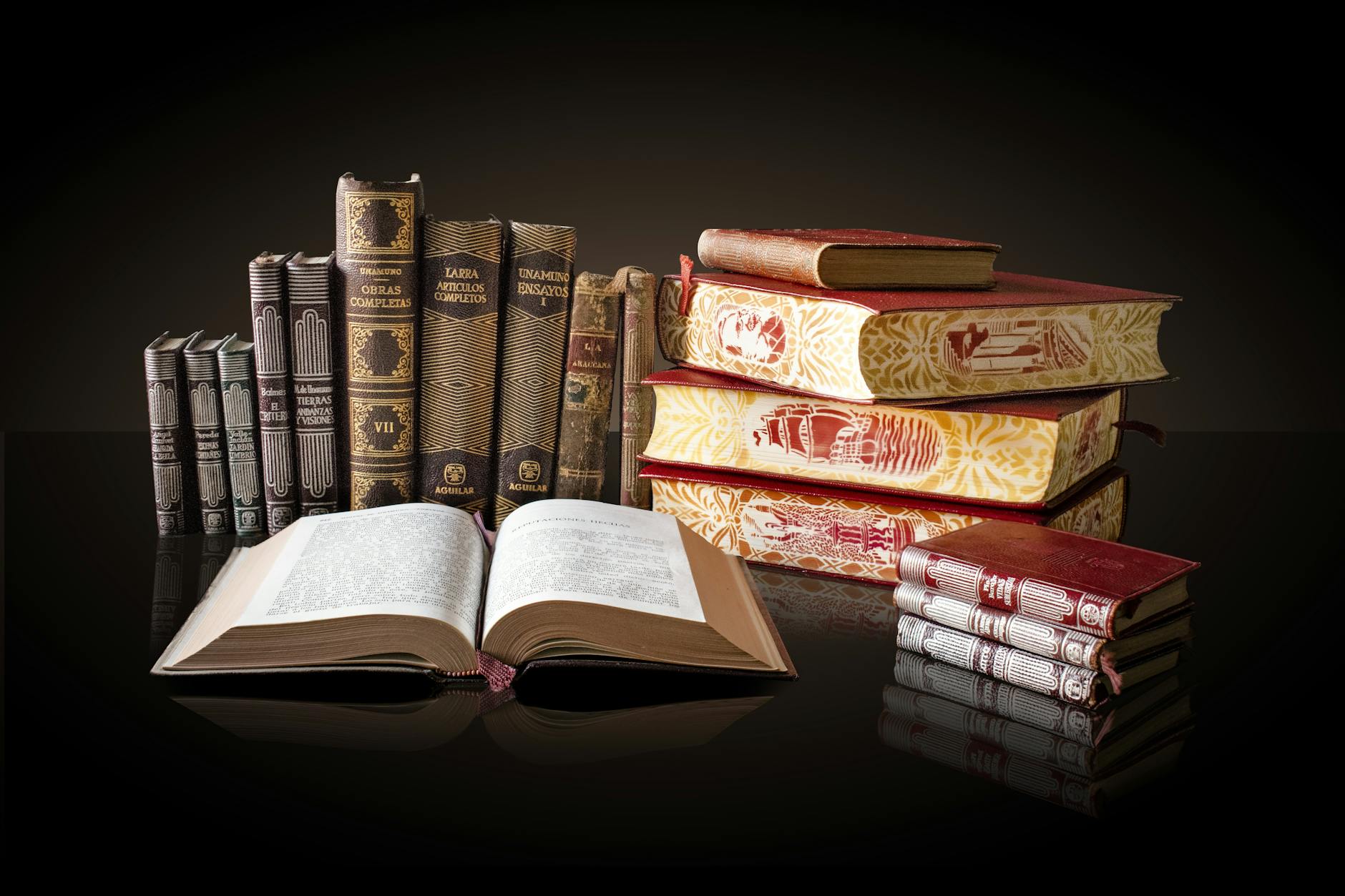
Before the boom: when copying meant scribes
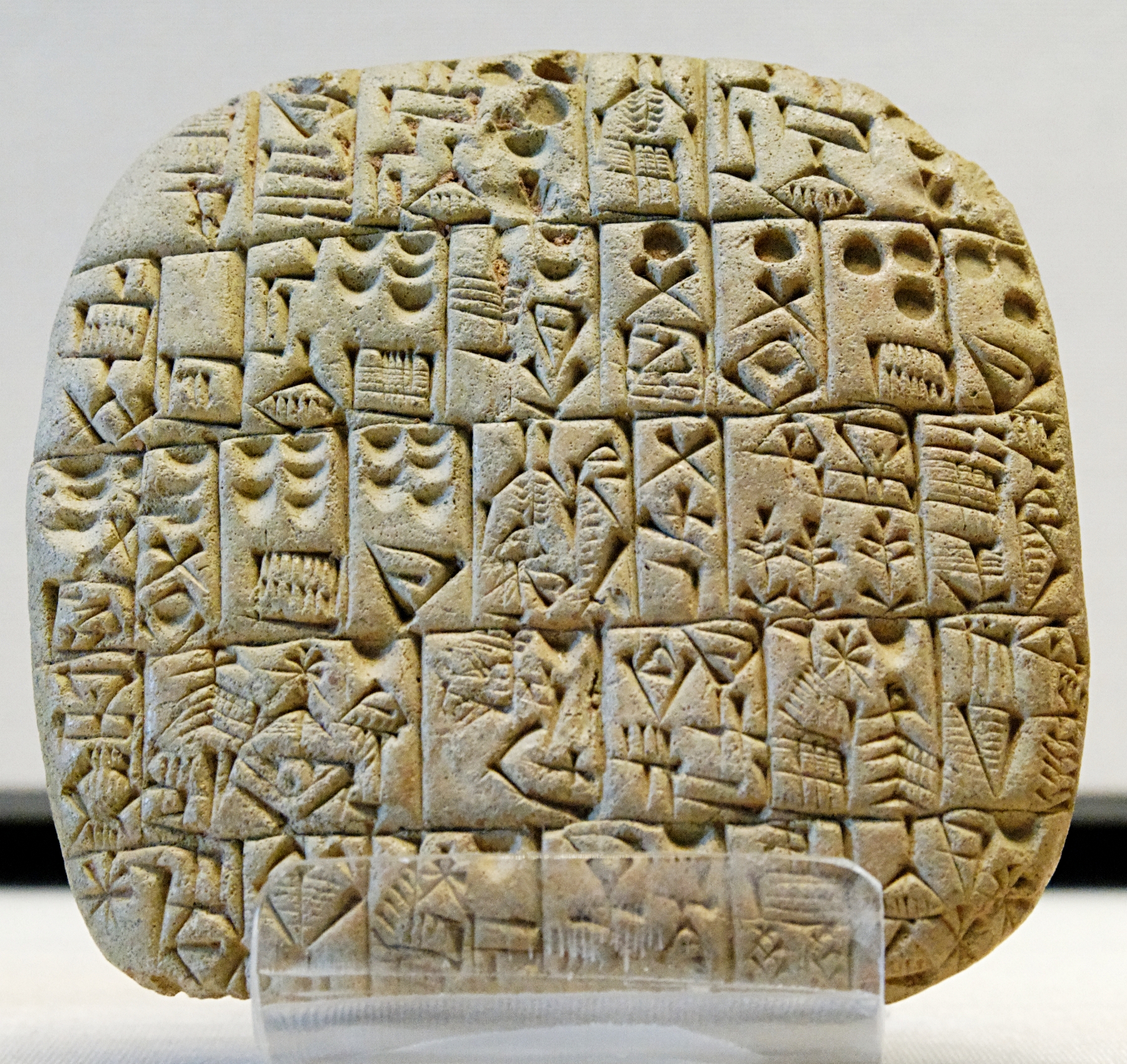
Publishing became possible once writing existed, but it only became truly practical with printing. Before that, distributed works were copied manually. A scribe was a professional copyist, someone who reproduced texts by hand. In a world of scribes, every book was a major undertaking.
This older system mattered enormously for preserving literature, religion, law, and learning. But it also imposed strict limits. If each copy required manual labor, then books remained relatively scarce and expensive. Circulation was naturally slower, and access to written culture was narrower.
That is why printing was not just a technical improvement. It was a shift in how culture itself could move.

Movable type: the reusable idea that changed everything
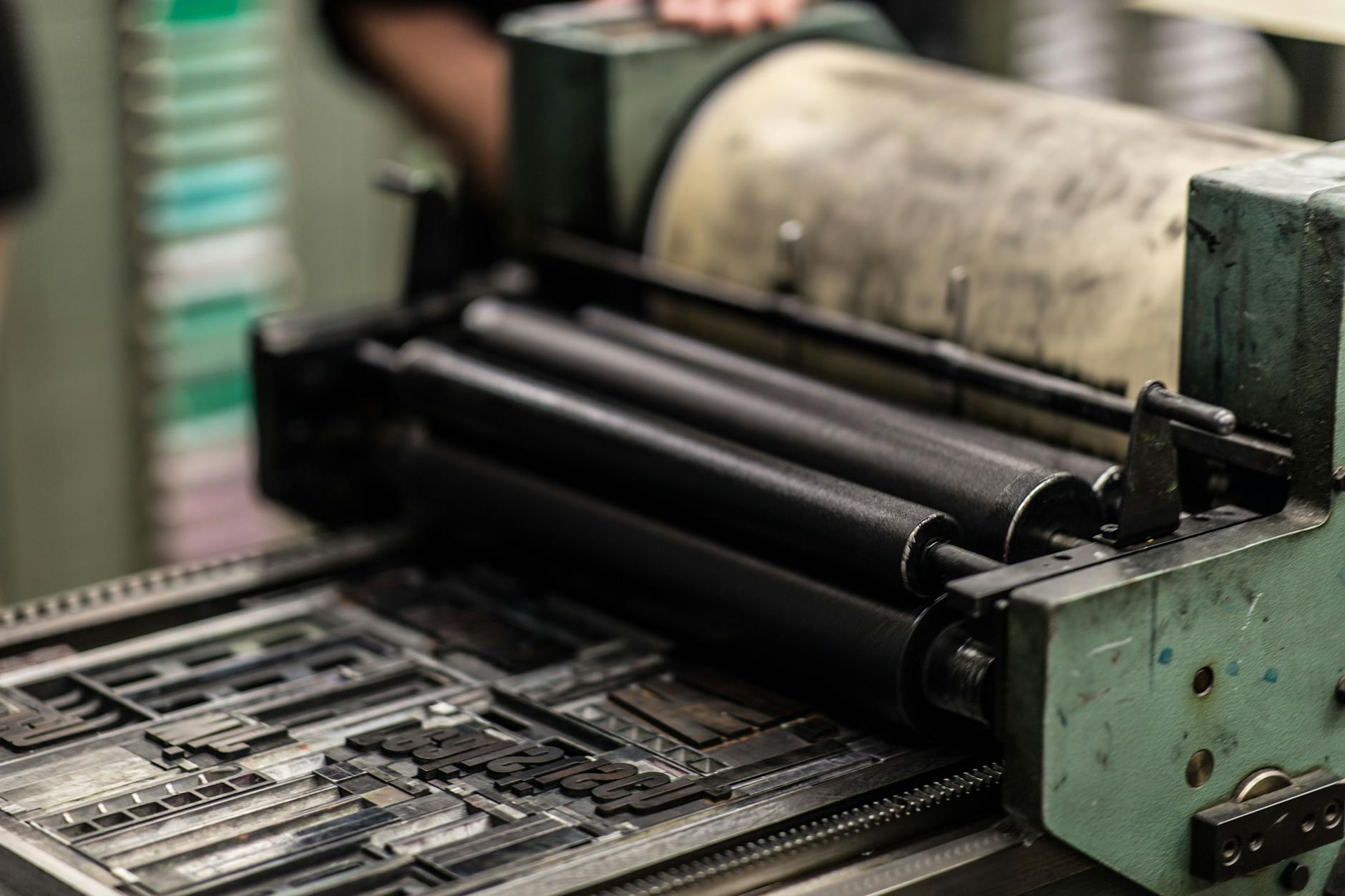
At the heart of this transformation was movable type. In simple terms, movable type uses individual reusable characters that can be arranged, inked, and pressed onto a surface to print text. Instead of carving a whole page each time or copying line by line by hand, printers could rearrange the same pieces to produce many pages far more efficiently.
The story did not begin in Europe. Around 1045, the Chinese inventor Bi Sheng made movable type from earthenware. Later, this printing method spread to Korea. Around 1230, Koreans invented metal type movable printing, an important development because metal type could be especially durable and practical for repeated use.
East metal movable type then spread to Europe between the late 14th century and early 15th century. In Europe, around 1450, Johannes Gutenberg invented movable type there, and this invention made books less expensive to produce and therefore more widely available.
That last effect is the key. Cheaper books meant broader access. Broader access meant more readers, more distribution, and more opportunities for literature and information to spread.
Gutenberg and the European print surge
Johannes Gutenberg’s role in Europe marks one of the great turning points in literary history. Around 1440, his printing press helped trigger a dramatic expansion in the production of written works. Once books could be manufactured more cheaply and in larger numbers, the old bottleneck of hand-copying began to loosen.
The result was explosive growth. Early printed books, single sheets, and images created before 1501 in Europe are known as incunables or incunabula. The term refers to the earliest age of printing in Europe, a kind of infancy of printed books.
And that infancy was extraordinarily productive. A person born in 1453 could, by age fifty, have looked back on a world in which about eight million books had been printed. That number captures the scale of disruption: printing did not merely add to literary culture, it multiplied it.
Why cheaper books mattered so much
When books become less expensive to produce, several things happen at once.
First, written works can circulate more widely. Literature is, among other things, a method of recording, preserving, and transmitting knowledge and entertainment. Printing made those functions far easier to perform at scale.
Second, the number of available texts expands. Instead of a relatively limited manuscript culture, readers could encounter a rapidly growing body of writing.
Third, entirely new forms of publishing become easier to sustain. Once printing infrastructure exists, it supports more than just books.
This is why the printing revolution is best understood not simply as a book story, but as a media story.
Reading explodes beyond books
Printing eventually enabled other forms of publishing besides books. The history of newspaper publishing began in Germany in 1609. Magazine publishing followed in 1663.
That means the print revolution did more than increase literary output. It widened the channels through which information and ideas moved. News, commentary, instruction, controversy, religion, politics, and entertainment could all travel through print in forms designed for different audiences and different rhythms of reading.
A newspaper, for instance, is not the same kind of object as a poem, a sacred text, or a long prose narrative. A magazine works differently from a play or a history. But all of them benefited from the same fundamental breakthrough: text could now be reproduced more easily and distributed more broadly.
In that sense, printing accelerated communication. Ideas could move farther, faster, and in greater quantity than they could in a manuscript-only world.
Printing and the rise of new literary culture
The spread of printing had cultural consequences far beyond production numbers. During the European Renaissance, controversial, religious, political, and instructional literature proliferated as a result of Gutenberg’s invention of the printing press around 1440.
The word proliferated is important here. It means these kinds of texts multiplied and spread. Print gave writers, readers, and institutions a much larger platform. Debates could intensify because more people could access the same texts. Instructional works could reach more learners. Religious literature could be distributed more widely. Political writing could circulate beyond narrow local circles.
The article also notes that the Medieval romance developed into the novel. While literary forms always evolve through many causes, the print environment helped create the conditions in which new forms could grow, circulate, and find readers.
The deeper meaning of the printing shockwave
It is easy to focus on the machine itself, but the bigger story is about access and scale. Literature includes novels, plays, poems, essays, histories, letters, journalism, and many other kinds of writing. Printing increased the ability of all of these forms to survive, spread, and shape society.
That matters because literature does more than entertain. It can preserve knowledge, transmit cultural memory, and play social, psychological, spiritual, or political roles. A technology that drastically increases the circulation of writing also increases the circulation of those roles.
Printing changed who could encounter texts, how many texts existed, and how quickly ideas could move through a society. It helped turn written culture from something relatively constrained by hand labor into something capable of mass reproduction.
From manuscript scarcity to media abundance
The contrast is dramatic.
In the scribal world, copying was manual. In the print world, text became reproducible at scale. In the scribal world, distribution was limited by labor. In the print world, books became less expensive and more widely available. In the scribal world, literary transmission was slower. In the print world, books, newspapers, and magazines expanded the public reach of writing.
That is why the phrase “printing shockwave” feels so apt. It captures a rapid, far-reaching transformation in literary culture. What had once been difficult to duplicate became easier to multiply. What had once moved slowly could begin to move much faster. And what had once been relatively scarce could become dramatically more abundant.
A revolution still visible in literature today
Even in a world that now includes digital writing, the print revolution remains one of the defining turning points in the history of literature. It reshaped publishing, widened readership, and helped create the modern landscape in which written works can circulate across huge audiences.
The numbers alone are unforgettable: about eight million books within a single lifetime after printing reached Europe. But the real significance lies in what those books represent. They mark the moment when literature, information, and public communication entered a new age of scale.
Printing did not invent literature. It supercharged it.