If someone asks for the coldest place on Earth, most people imagine Antarctica, a mountaintop, or a frozen polar night. But the coldest region linked to Earth is actually far above the surface, in a little-known atmospheric layer called the mesosphere.
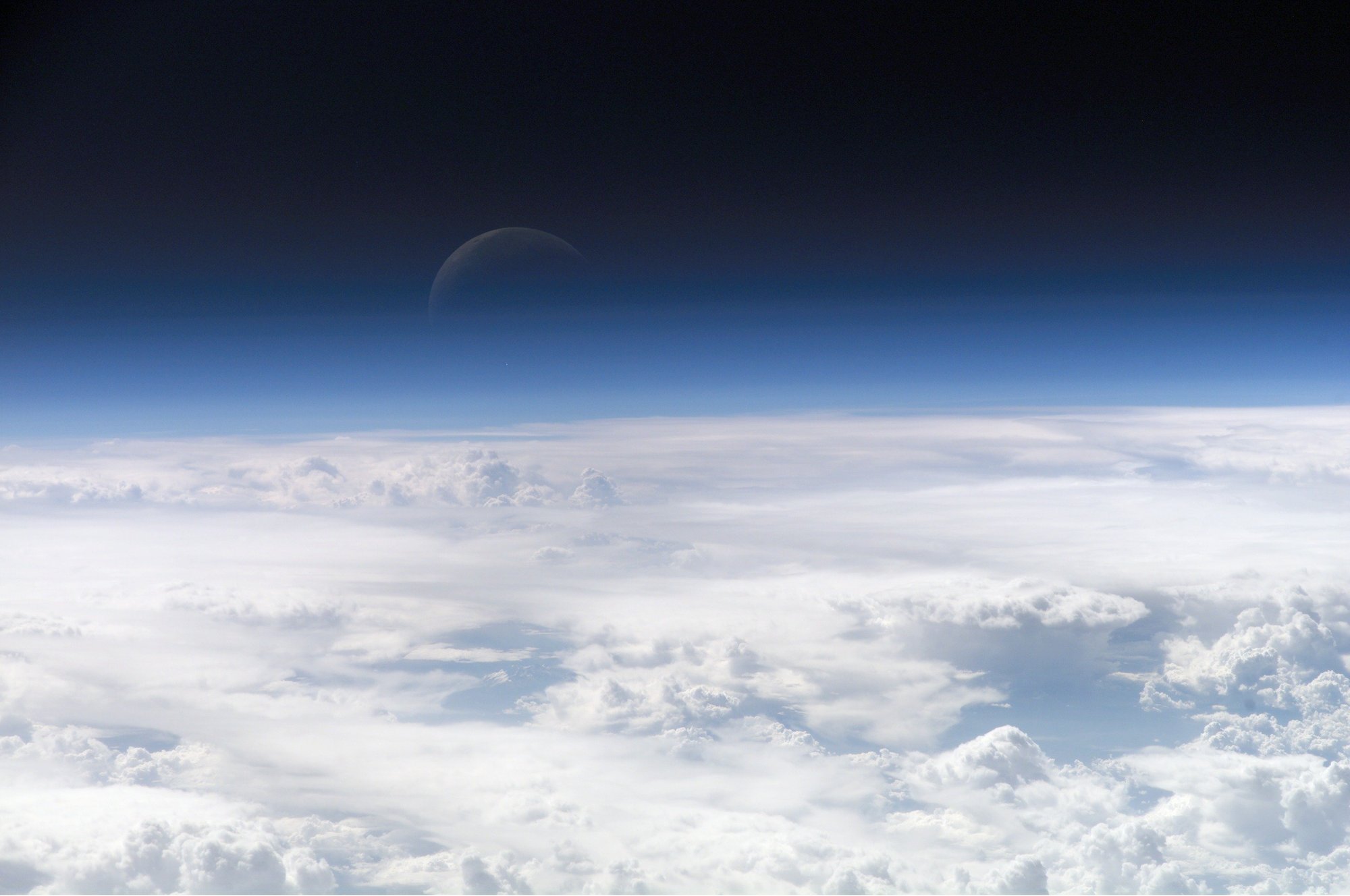
The mesosphere sits above the stratosphere and below the thermosphere. It begins at about 50 km above sea level and extends to around 80–85 km. Near its upper boundary, called the mesopause, temperatures fall to an average of about −85 °C, making it the coldest place in Earth’s atmosphere.
This region is remote, difficult to study, and almost completely out of everyday experience. Yet it is where some of the atmosphere’s strangest events happen: the highest clouds on Earth can form there, lightning-related flashes can appear above thunderclouds, and most meteors burn up as they plunge into the atmosphere.
Watch the story on DeepSwipe
Where the mesosphere fits in the atmosphere
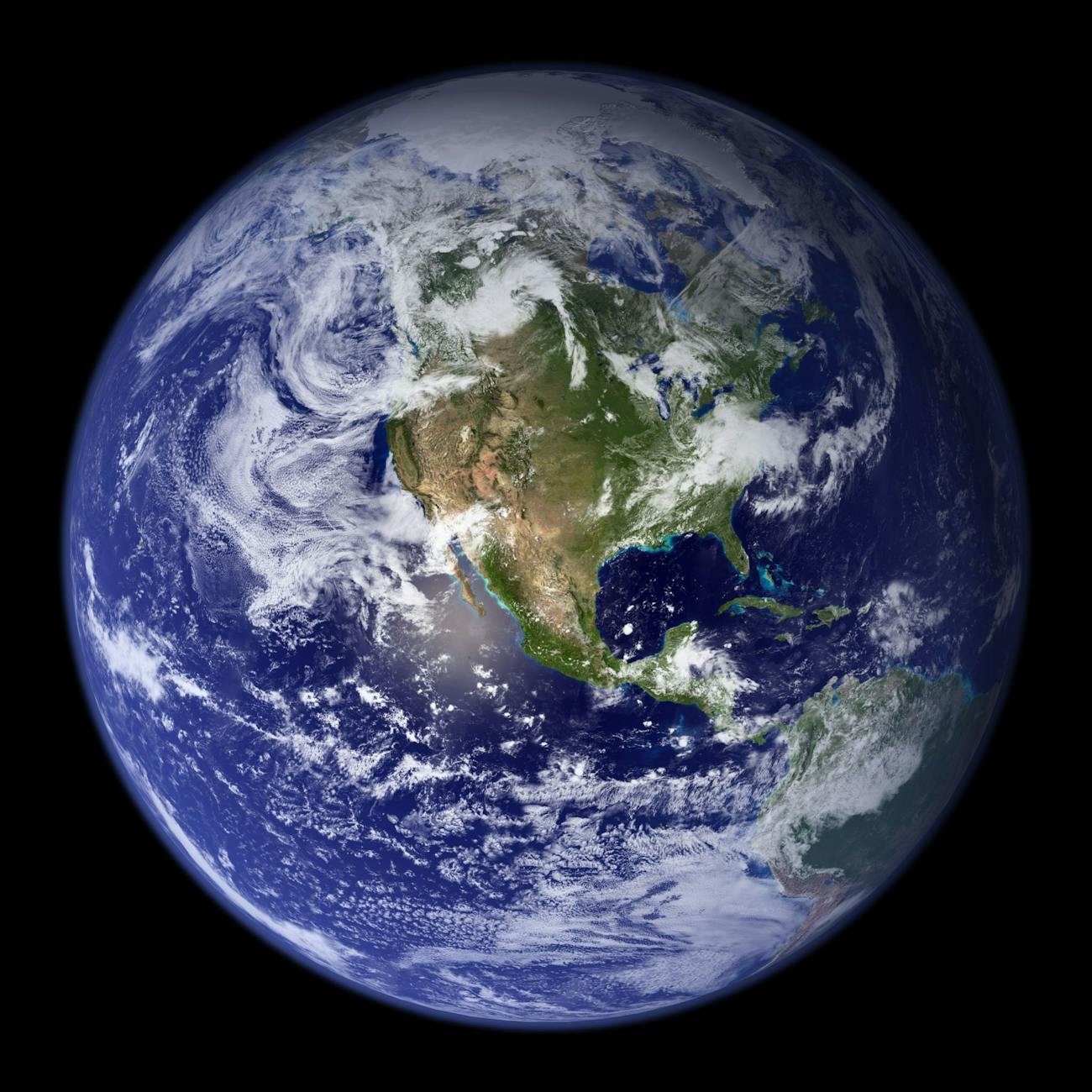
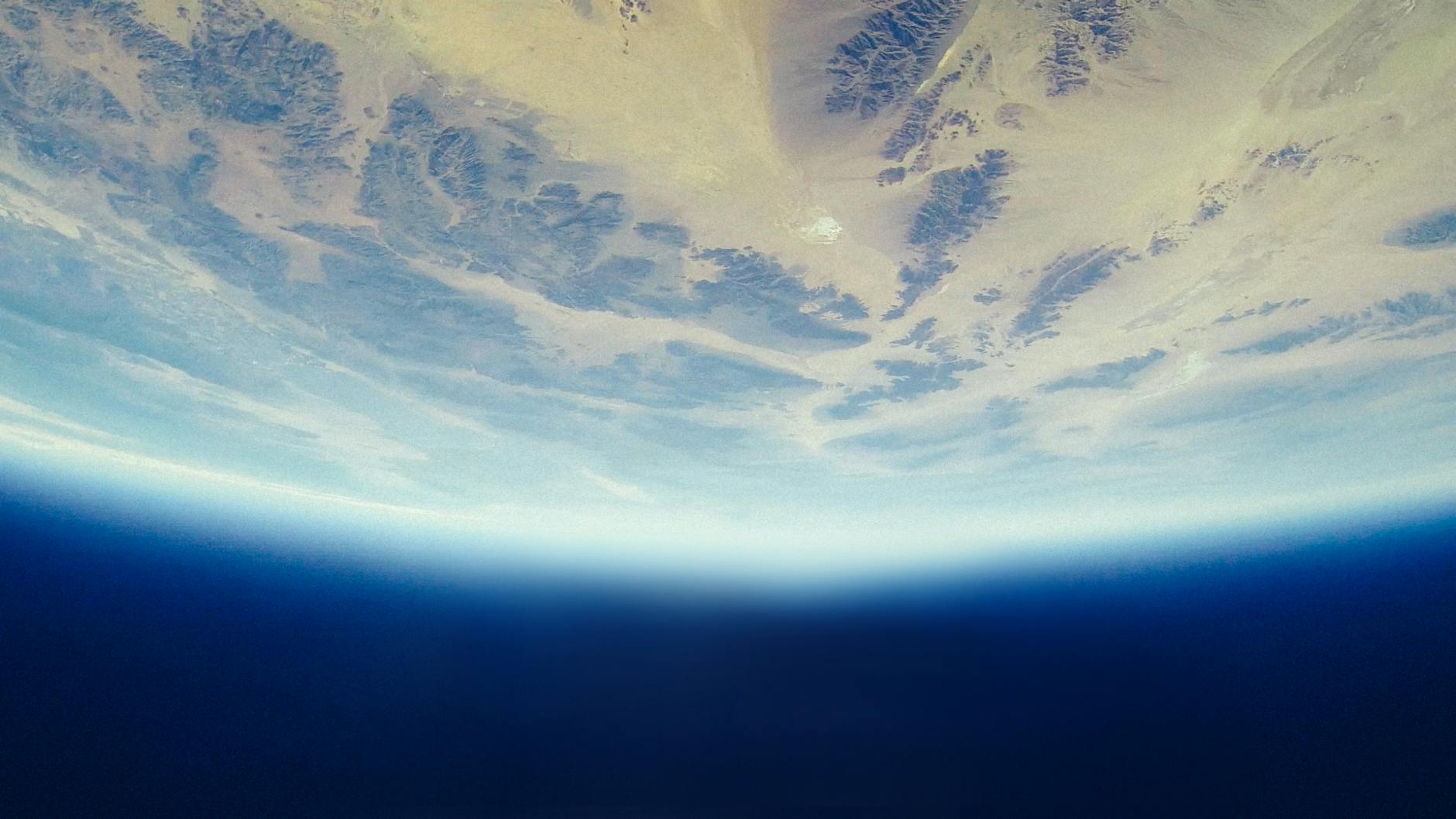
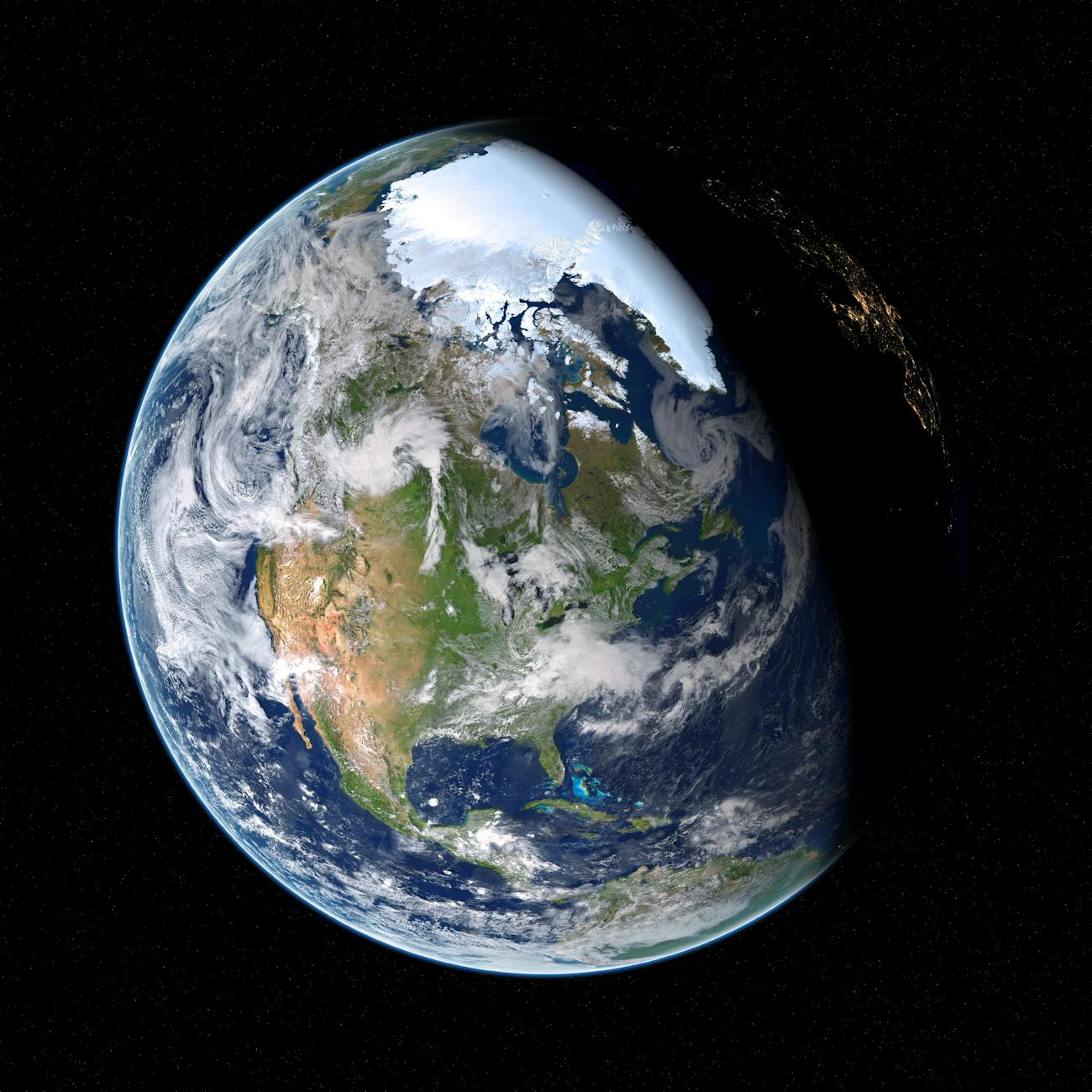
Earth’s atmosphere is divided into layers based largely on how temperature changes with altitude. From the ground upward, the main layers are the troposphere, stratosphere, mesosphere, thermosphere, and exosphere.
The mesosphere is the third highest of these major layers. It lies directly above the stratosphere, which reaches up to about 50 km, and below the thermosphere, which starts around 80 km. Its top boundary, the mesopause, marks the transition to the thermosphere.
Unlike the stratosphere, where temperature rises with altitude, the mesosphere gets colder as you go higher. That steady temperature drop is what leads to the extreme cold near the mesopause.

Why it is so cold
The mesosphere is notable because temperatures decrease with increasing altitude all the way up to the mesopause. The result is an average temperature around −85 °C at the top of the layer.
That is colder than conditions found at Earth’s surface. In fact, this makes the mesopause the coldest place associated with Earth’s atmosphere.
The mesosphere is also a place where sound from the ground does not travel in the ordinary way. The atmosphere there absorbs sound waves at a rate proportional to the square of the frequency, so audible sounds from the surface do not reach the mesosphere. Infrasonic waves can get there, but they are difficult to emit at high power.
The highest clouds on Earth
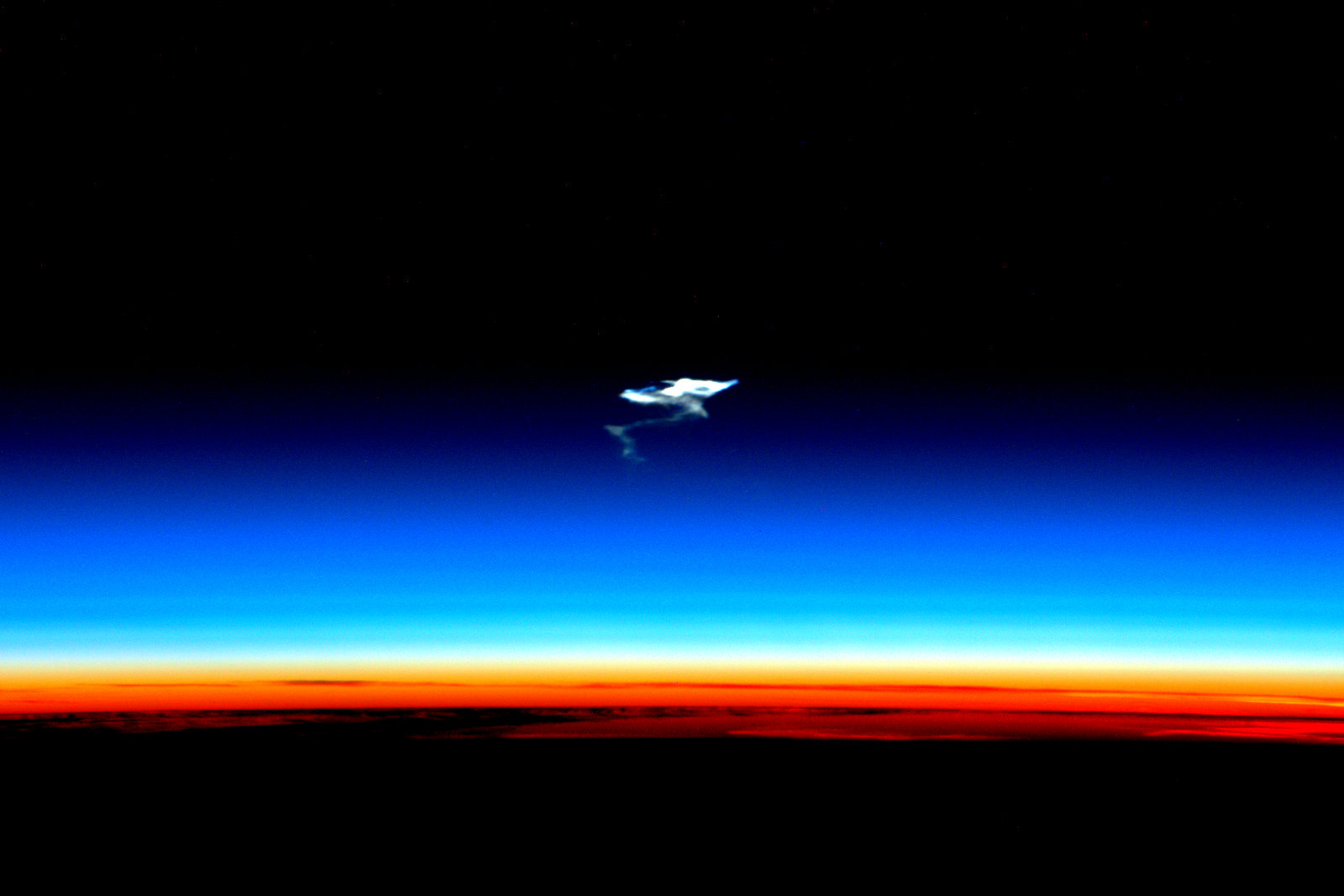
One of the most beautiful features of the mesosphere is the formation of noctilucent clouds. These clouds appear just below the mesopause, where the air is so cold that even the very small amount of water vapor present at that altitude can condense into ice particles.
Noctilucent means “night-shining.” These clouds can sometimes be seen with the naked eye when sunlight reflects off them about an hour or two after sunset, or similarly before sunrise. They are most visible when the Sun is around 4 to 16 degrees below the horizon.
Because they form so high up, noctilucent clouds are the highest clouds in the atmosphere. They are very different from the weather clouds people usually know, which form much lower down in the troposphere, where nearly all atmospheric water vapor and weather are found.
This contrast is part of what makes noctilucent clouds so striking: they can glow in the darkening sky even when the lower atmosphere is already in shadow.
The burn-up zone for meteors
The mesosphere is also Earth’s great atmospheric burn-up zone. Most meteors and satellites burn up upon atmospheric entrance in this layer.
That gives the mesosphere an important protective role. Earth’s atmosphere as a whole shields the surface from most meteoroids, and the mesosphere is one of the key regions where that protection becomes visible. When a meteor streaks across the sky, the dramatic glowing trail is often connected to processes happening in this part of the atmosphere.
Even though the mesosphere is extremely thin compared with the lower atmosphere, it is still dense enough to affect incoming objects from space. That makes it a transition region between the lower atmosphere and the more rarefied upper layers.
Too high for planes, too low for orbit
The mesosphere occupies an awkward middle ground. It is too high above Earth to be accessible to jet-powered aircraft and balloons, but too low to permit orbital spacecraft.
That makes it one of the least directly accessible layers of the atmosphere. It cannot be reached by ordinary aviation, and it is not where satellites remain in stable orbit. Instead, it is mainly accessed by sounding rockets and rocket-powered aircraft.
This in-between position is one reason the mesosphere is less familiar to the public than the troposphere, where weather happens, or the stratosphere, home to the ozone layer. Yet it is one of the most dynamic and fascinating layers in the atmosphere.
Strange flashes above storms
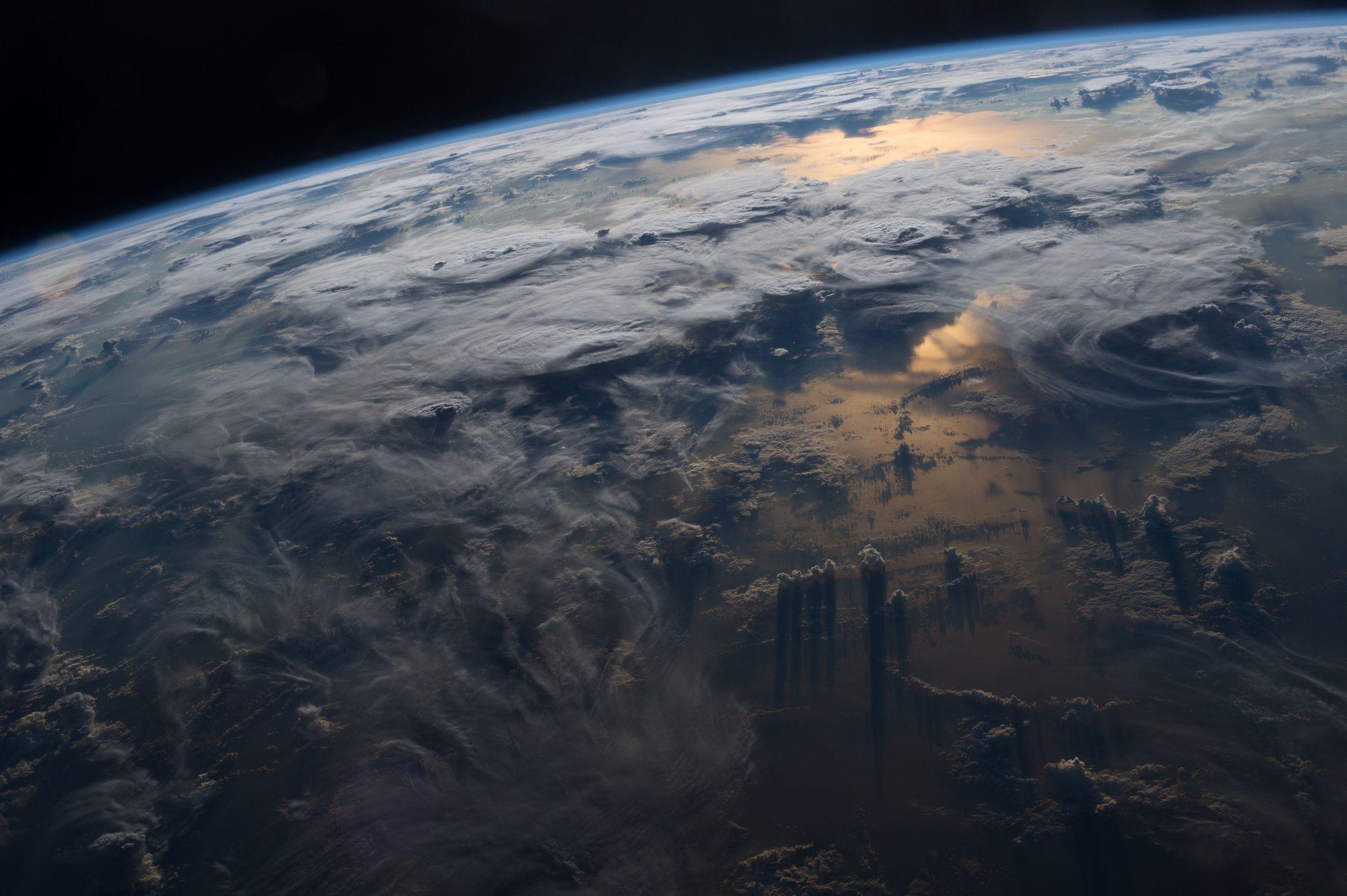
The mesosphere is not entirely quiet. Lightning-induced discharges known as transient luminous events sometimes form there above tropospheric thunderclouds.
These are not ordinary lightning bolts inside storm clouds. They occur higher up, linking dramatic weather below with the upper atmosphere above. Their presence shows that the mesosphere, despite being far above everyday weather, is still connected to activity lower in the atmosphere.
A layer beyond weather, but not beyond change
Most of Earth’s weather takes place in the troposphere, the lowest layer of the atmosphere. That is where nearly all atmospheric moisture is found and where most cloud types form. The stratosphere above it is relatively stable and lacks the weather-producing turbulence common below.
The mesosphere sits even higher still. It is not the home of everyday weather systems, but it is far from empty or inactive. It is a cold, high-altitude region where ice clouds can appear, incoming meteors are destroyed, and rare luminous phenomena can flash into view.
Its location also highlights how quickly the atmosphere changes with height. About 99.99997% of the total mass of the atmosphere lies below 100 km, which is just above the mesosphere’s upper reaches. In other words, this layer sits near the edge of the vast bulk of the air that surrounds Earth.
Why the mesosphere matters
The mesosphere helps reveal how layered and complex Earth’s atmosphere really is. The atmosphere is not just “air” stretching upward in a uniform blanket. It is a structured system with regions that behave very differently from one another.
Closer to the ground, the atmosphere supports breathing, photosynthesis, clouds, and weather. Higher up, the stratosphere contains the ozone layer, which absorbs ultraviolet radiation from the Sun. In the thermosphere above the mesosphere, temperatures can rise very high, auroras can appear, and the International Space Station orbits. Between these very different zones lies the mesosphere: cold, thin, and hard to reach.
It is the place where temperatures bottom out, where rare ice clouds glow after sunset, and where many objects from space meet their fiery end.
For a layer so far removed from daily life, the mesosphere offers some of the most memorable facts in atmospheric science. The coldest air on Earth is not on the ground at all. It is tens of kilometers overhead, in a region most people never think about, quietly shaping what falls from space and producing some of the highest and strangest sights in the sky.