Full article · 7 min read
Earth’s Snowball Planet Era and the Burst of Complex Life
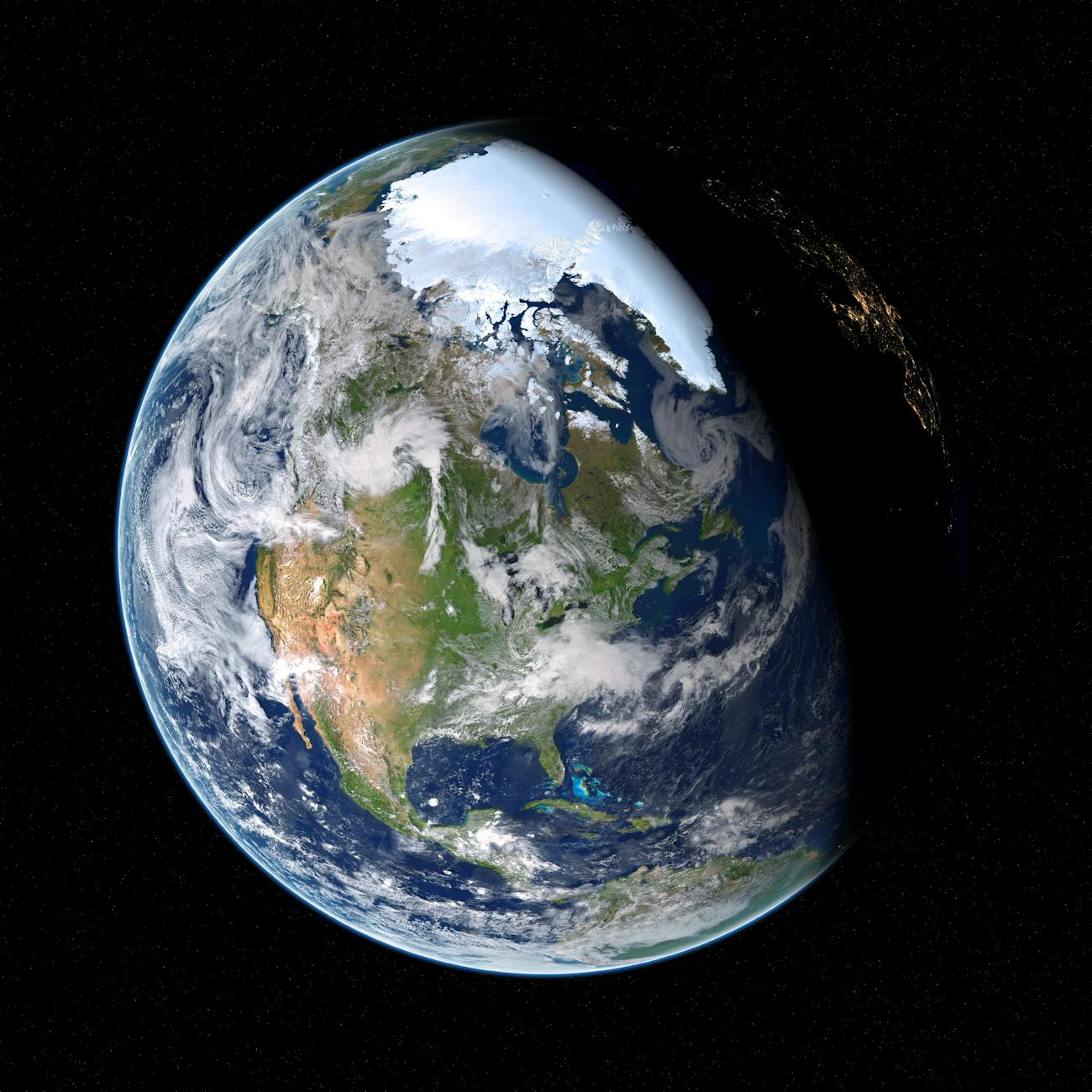
Earth has not always looked like the blue, cloud-covered world we know today. At one point in the distant past, during the Neoproterozoic, much of the planet may have been covered in ice. This idea is known as Snowball Earth: the hypothesis that Earth became so extensively frozen that ice spread across most or even all of the globe.
What makes this possibility especially fascinating is its timing. This deep-freeze world appears just before one of the most dramatic turning points in the history of life: the Cambrian explosion, when multicellular life forms significantly increased in complexity. That sequence has inspired a big scientific question: did a nearly frozen planet somehow help prepare the world for life’s next great leap?
What was Snowball Earth?
The term Snowball Earth refers to the idea that, in the Neoproterozoic, from about 1,000 to 539 million years ago, much of Earth might have been covered in ice. This was not just a matter of colder winters or larger glaciers. The hypothesis suggests an extreme global glaciation, with ice extending across huge portions of the planet.
Earth today still holds enormous quantities of frozen water at its polar deserts, in ice sheets, glaciers, and sea ice. But Snowball Earth imagines something far more severe than the modern poles. It points to a world where freezing conditions may have dominated on a planetary scale.
That possibility stands out because Earth is otherwise an ocean world, with liquid surface water covering most of its crust. The presence of long-lasting liquid water is one of the central features that makes Earth habitable. So the idea that the same planet may once have been locked in an extreme icy state is both startling and important.
Why the Neoproterozoic matters
The Neoproterozoic sits late in Earth’s long history. Earth formed about 4.5 billion years ago, life appeared in Earth’s early bodies of water roughly 4 billion years ago, and over vast spans of time life reshaped the atmosphere and surface. By the Neoproterozoic, the planet had already undergone immense geological and biological change.
This era is especially interesting because it comes immediately before the Cambrian explosion. In geology and paleontology, “Cambrian” refers to a period beginning around 541 million years ago. The phrase Cambrian explosion does not mean a literal blast. It describes a relatively rapid evolutionary expansion in which multicellular life forms became much more complex.
That makes the Neoproterozoic a kind of prelude. If Earth really did pass through a near-global freeze during that time, then one of the harshest environmental episodes in planetary history may have happened right before one of life’s most creative phases.
The Cambrian explosion: life’s complexity surges
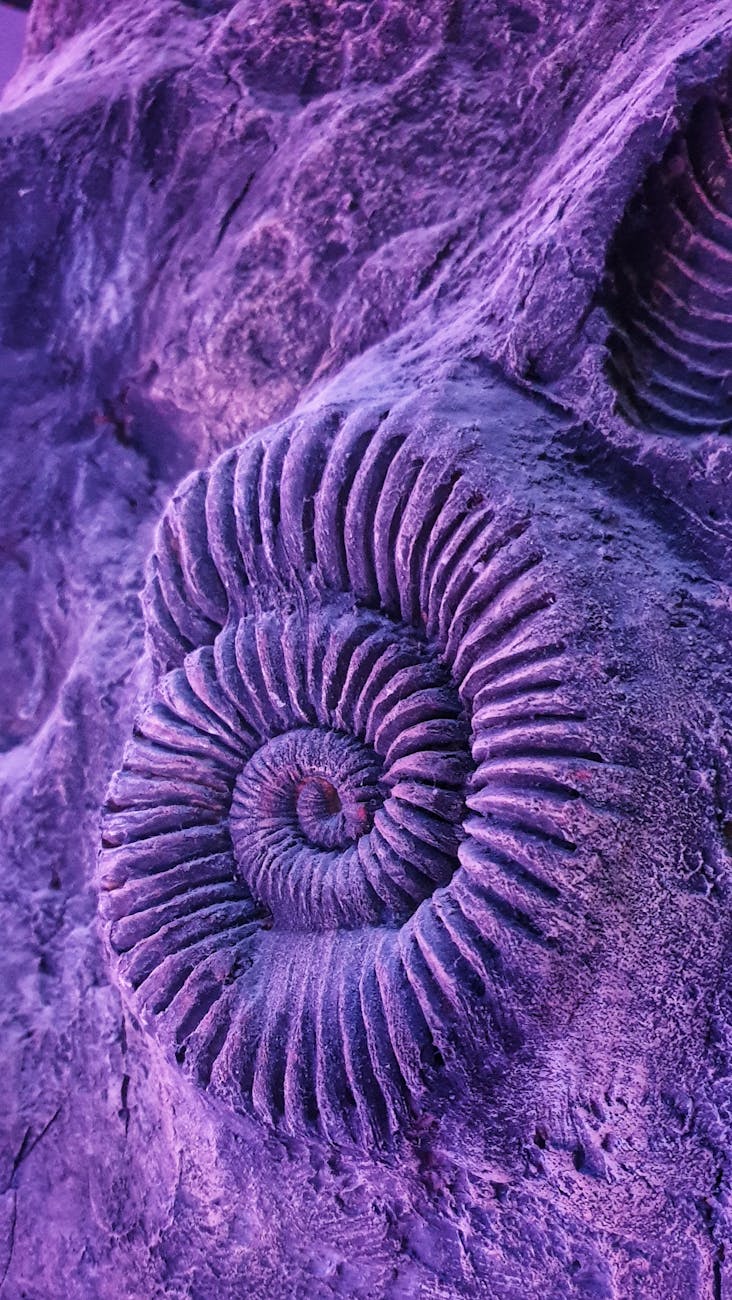
The Cambrian explosion marks a major increase in the complexity of multicellular life. Complexity here means that life forms developed more specialized structures and a wider range of body plans than before. In the fossil record, it appears as a dramatic expansion in the variety and sophistication of life.
This event is one reason Snowball Earth attracts so much attention. The contrast is irresistible: first a world that may have been buried in ice, then a burst of biological innovation.
Earth had already hosted life for billions of years before the Cambrian. Chemical reactions had led to the first self-replicating molecules about four billion years ago. Later, photosynthesis transformed the atmosphere by helping oxygen accumulate. The ozone layer formed in the upper atmosphere, shielding the surface from harmful ultraviolet radiation and permitting life on land. True multicellular organisms eventually arose as cells within colonies became increasingly specialized.
The Cambrian explosion came after all of that groundwork, but it still stands out as a remarkable jump in visible complexity.
Did the freeze help trigger the boom?
This is the big open question. Because Snowball Earth appears to have happened before the Cambrian explosion, it is tempting to imagine a cause-and-effect relationship. Maybe an extreme planetary crisis changed the environment in a way that opened the door to new forms of life.
But this remains an open scientific problem. Researchers are still testing the links. The timing is suggestive, not definitive.
That distinction matters. In science, two events happening one after the other does not automatically prove that one caused the other. The fact that a global glaciation may have preceded a major evolutionary surge makes the connection worth studying, but it does not settle the issue on its own.
Why an icy Earth would be such a profound challenge
A largely frozen Earth would place enormous stress on the systems that support life. Earth’s modern habitability depends on a balance involving the atmosphere, the ocean, liquid water, climate circulation, and the recycling of important elements such as carbon and nitrogen.
Today, greenhouse gases in the atmosphere help keep Earth warm enough for liquid water to persist. Water vapor and carbon dioxide are especially important in capturing thermal energy and maintaining surface temperatures where water can remain liquid under normal atmospheric pressure. Without this heat-retention effect, the average surface temperature would be far below freezing.
Life also depends on the movement of water through the atmosphere and across the surface. Water evaporates, condenses into clouds, falls as precipitation, and returns through rivers and other pathways. This water cycle supports life on land and shapes the planet over geological time.
If much of Earth were ice-covered, that would radically alter surface conditions. It would affect oceans, climate patterns, and the environments where organisms live. Yet life on Earth has proven astonishingly resilient. It began early, diversified over time, and persisted through repeated planetary upheavals, including mass extinctions and severe environmental change.
Earth as a planet of extremes
Snowball Earth fits into a broader truth about our planet: Earth is dynamic, not static. Its crust is broken into tectonic plates that move slowly, producing mountain ranges, volcanoes, earthquakes, and ocean trenches. Its climate system shifts over time. Ice ages have advanced and retreated. The atmosphere itself was transformed by life.
The geologic record shows that Earth has experienced repeated cycles of dramatic change. The most recent pattern of ice ages began about 40 million years ago and intensified during the Pleistocene about 3 million years ago, with repeated cycles of glaciation and thaw. The Last Glacial Period ended only about 11,700 years ago.
Against that backdrop, Snowball Earth represents one of the most extreme climate scenarios ever proposed for the planet. It is a reminder that the habitable world we know now emerged through a long history of instability, adaptation, and transformation.
Why this moment in history still captivates scientists
Snowball Earth is compelling because it connects planetary science, climate history, geology, and evolution in one dramatic story. It asks how far Earth’s climate can swing. It asks how life endures under severe stress. And it asks whether catastrophe can sometimes be followed by innovation.
The idea also highlights how deeply connected Earth’s systems are. The planet’s oceans, atmosphere, ice, rocks, and living organisms do not operate independently. Changes in one part of the system can ripple through the rest. Earth’s history includes volcanic outgassing, plate tectonics, ocean formation, atmospheric transformation, and biological change all interacting over immense spans of time.
That is why the possible link between Snowball Earth and the Cambrian explosion remains so intriguing. It is not just a story about ice. It is a story about whether a global environmental crisis helped shape the path of life itself.
A frozen world before life’s great expansion
The basic outline is simple and powerful. During the Neoproterozoic, much of Earth may have been covered in ice. Soon afterward came the Cambrian explosion, when multicellular life forms significantly increased in complexity. Whether those two events are deeply connected is still being investigated.
What is already clear is that Earth’s past was far more dramatic than it can seem from the surface today. The same world that now supports forests, oceans, clouds, soils, and billions of humans may once have looked like a near-global ice sphere. And from that ancient world came one of the most important expansions of complex life in planetary history.
That is part of what makes Earth extraordinary: it is not only a living planet, but a planet whose life story includes frozen extremes, sweeping transitions, and evolutionary leaps that still raise big questions today.
Sources
Based on information from Earth.
More like this
From Snowball Earth to life’s big leap, planet history gets wild fast — download DeepSwipe and keep your curiosity in orbit.