Full article · 5 min read
When Oxygen Was a Poison: How Microbes Helped Transform Life on Earth
It is easy to think of oxygen as the gas of life. Animals breathe it, and it is a familiar part of the air around us. But on the early Earth, oxygen was not a universal blessing. For much of life’s history, it was a dangerous new chemical in a world dominated by microorganisms.
One of the most dramatic turning points in the history of life came when cyanobacteria began releasing molecular oxygen through photosynthesis. That change did not just alter the atmosphere. It reshaped Earth’s physical and chemical environment and created new evolutionary pressures that helped open the way to the major animal and plant species seen later.
Cyanobacteria and the rise of oxygen
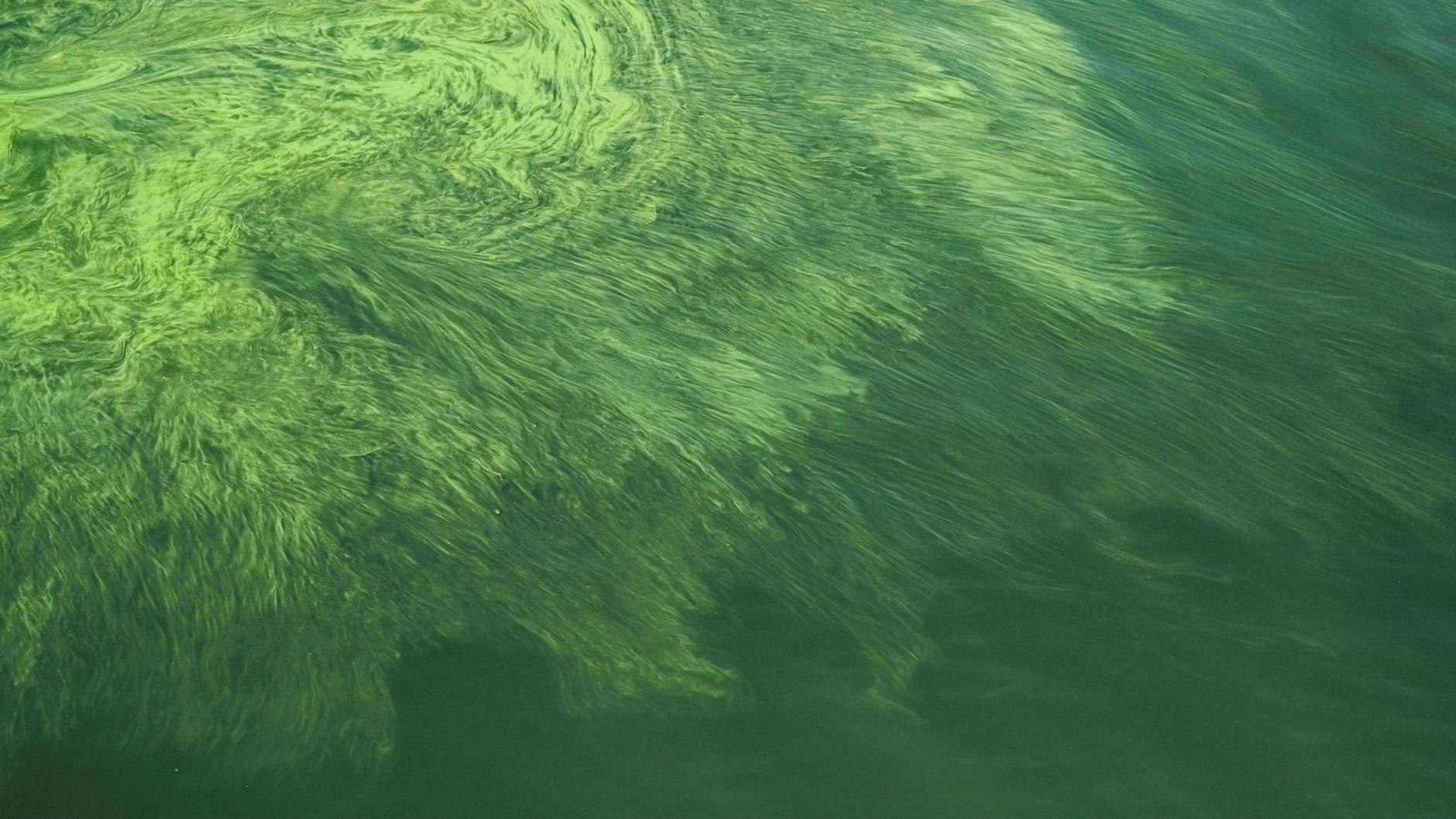
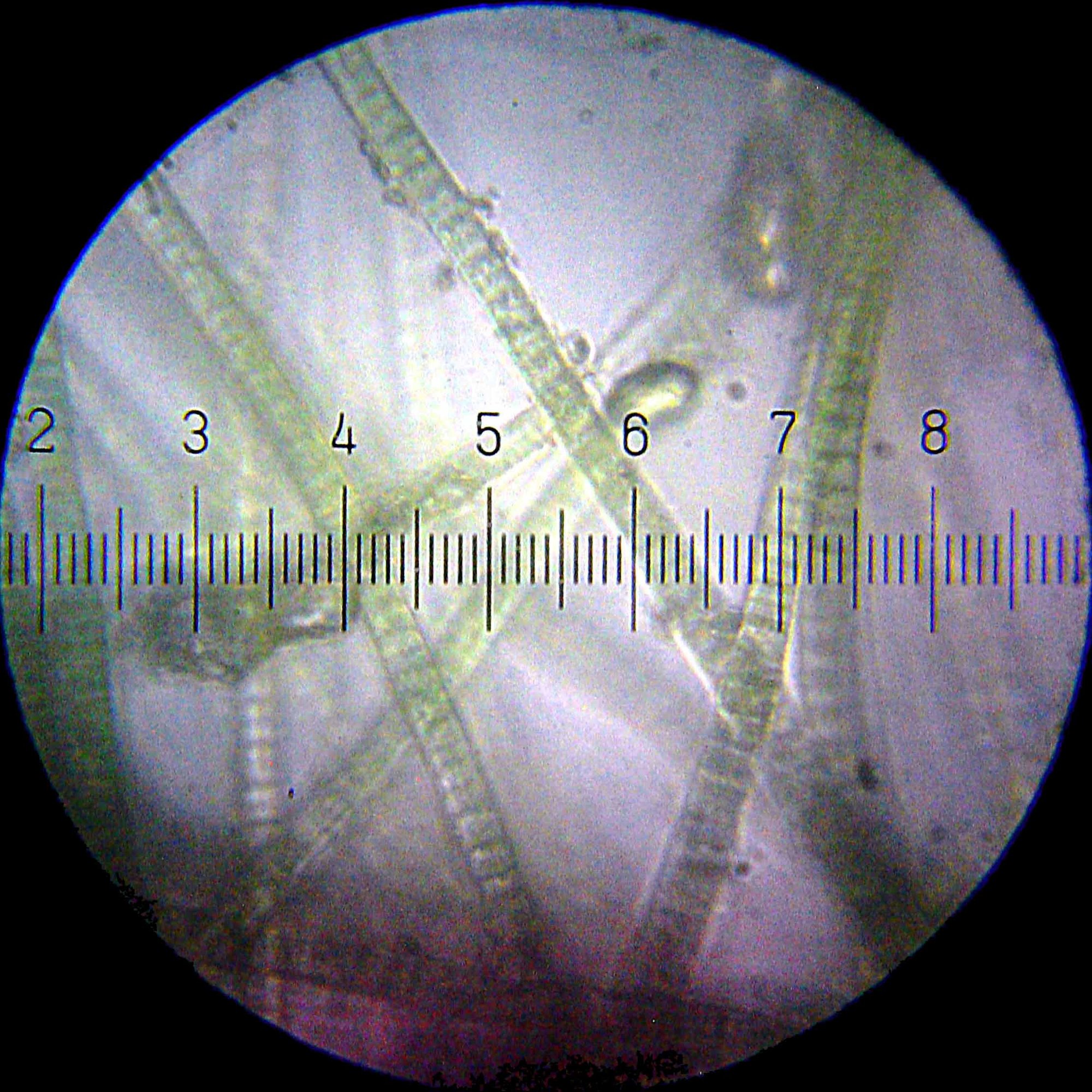
Cyanobacteria are microorganisms that use sunlight to make food. In the process, they release molecular oxygen, the gas known as O2. This may sound ordinary now, but at the time it was revolutionary.
For most of Earth’s existence, its habitable environment was dominated by microorganisms and shaped by their metabolism and evolution. Metabolism means the chemical processes living things use to transform energy and matter. In cyanobacteria, photosynthesis was one of those planet-changing processes.
As cyanobacteria released oxygen as a by-product of photosynthesis, the environment began to change on a geologic time scale. In other words, the effects were not brief or local. They accumulated over immense spans of time and altered the conditions under which life existed.
Why oxygen was toxic to early life
The arrival of oxygen created a crisis because oxygen was toxic to most life on Earth at the time. That means many organisms that had evolved under earlier conditions were not suited to survive in an oxygen-rich world.
This highlights an important truth about life: living systems depend on their environment, but they also modify it. Life is not separate from the planet it inhabits. Organisms interact constantly with air, water, soil, temperature, energy sources, and chemical conditions. When one group of organisms changes those conditions, every other organism may be affected.
The oxygen released by cyanobacteria is a striking example. A waste product from one kind of metabolism became a global environmental force. What was useful or harmless to one group of organisms became a threat to others.
How environmental crisis can drive evolution
That oxygen shift posed novel evolutionary challenges. Evolution is the change in heritable characteristics of biological populations over generations. When environmental conditions change, organisms face new pressures. Some may fail to survive. Others may persist because certain characteristics become more favorable in the new conditions.
In this case, the changing atmosphere affected the path of evolution of subsequent life. The spread of oxygen did not merely eliminate possibilities; it also created opportunities. According to the record summarized here, those changes ultimately resulted in the formation of Earth’s major animal and plant species.
This is one of the most powerful ideas in biology: a crisis can become an opening. New conditions may be harsh, even deadly, but they can also produce new forms of life and greater biological diversity over time.
Life changes its planet
The relationship between organisms and environment is not one-way. It is an inherent feature of living systems that they interact with and alter their surroundings.
Earth’s biosphere, the global sum of all ecosystems, shows this clearly. Life exists across air, water, and soil, and even in extreme settings such as hot springs, deep underground, deep ocean environments, and high in the atmosphere. Some organisms, called extremophiles, can withstand freezing, starvation, desiccation, radiation, and other severe conditions. Life is remarkably adaptable, but it is also transformative.
Microorganisms especially have had an outsized role in shaping the planet. For most of Earth’s history, microbes were the dominant forms of life, and their collective activities changed the chemistry of the world. The oxygenation caused by cyanobacteria is one of the clearest examples of tiny organisms having planet-scale consequences.
What this says about the meaning of life
The oxygen story also connects to deeper questions about what life is. Biologists often describe life through traits such as homeostasis, organization, metabolism, growth, adaptation, response to stimuli, and reproduction.
Several of those traits are visible in this ancient planetary transformation:
- Metabolism, because cyanobacteria used photosynthesis and released oxygen.
- Adaptation, because life had to cope with changing conditions.
- Response to stimuli and environmental pressures, because organisms did not exist in isolation from the chemistry around them.
- Reproduction and evolution, because populations changed over generations as some characteristics became more or less favorable.
From a broader perspective, life can be viewed as a self-sustained chemical system capable of Darwinian evolution. The oxygen revolution shows how chemistry and evolution are tightly linked. A new chemical by-product in the environment altered which kinds of life could thrive.
From microbes to major species
All life on Earth traces back to a universal common ancestor in the deep past, with life existing for at least 3.5 billion years. Over time, evolution produced the biodiversity seen at every level of biological organization.
The oxygen released by cyanobacteria did not instantly create animals and plants, but it helped change the environmental stage on which later evolution unfolded. The article connects this oxygen release to the eventual formation of Earth’s major animal and plant species, showing that the history of life is also a history of environmental transformation.
This helps explain why studying microorganisms matters so much. Even when they are invisible to the naked eye, they can influence the fate of the biosphere. Microbes are not just background life. They are among the principal engineers of planetary change.
A lesson from deep time
The story of oxygen is a reminder that what seems essential now may once have been catastrophic. Molecular oxygen is central to much life today, yet in an earlier era it posed a lethal challenge to most organisms.
That reversal makes the history of life especially fascinating. Earth’s environment was not fixed, and neither was life. Through metabolism, adaptation, and evolution, living systems and planetary conditions changed together.
In that sense, the rise of oxygen is more than a chemistry story. It is a story about feedback between life and planet, danger turning into opportunity, and microorganisms setting the course for the future of the biosphere.
If you want to understand why Earth looks the way it does today, start with the microbes that changed the air—and changed the possibilities for life itself.
Sources
Based on information from Life.
More like this
Breathe in a wild fact: oxygen was once bad news. Download DeepSwipe and keep evolving your brain one swipe at a time.