Full article · 8 min read
Biology’s Hidden Majority: Viruses, Archaea, and the Microbial World All Around Us
When people think of life, they usually picture animals, plants, maybe fungi, and a few familiar microbes like bacteria. But biology tells a far stranger story. Much of the living world is microscopic, and some of its most abundant members are so unusual that scientists describe them as being at the edge of life.
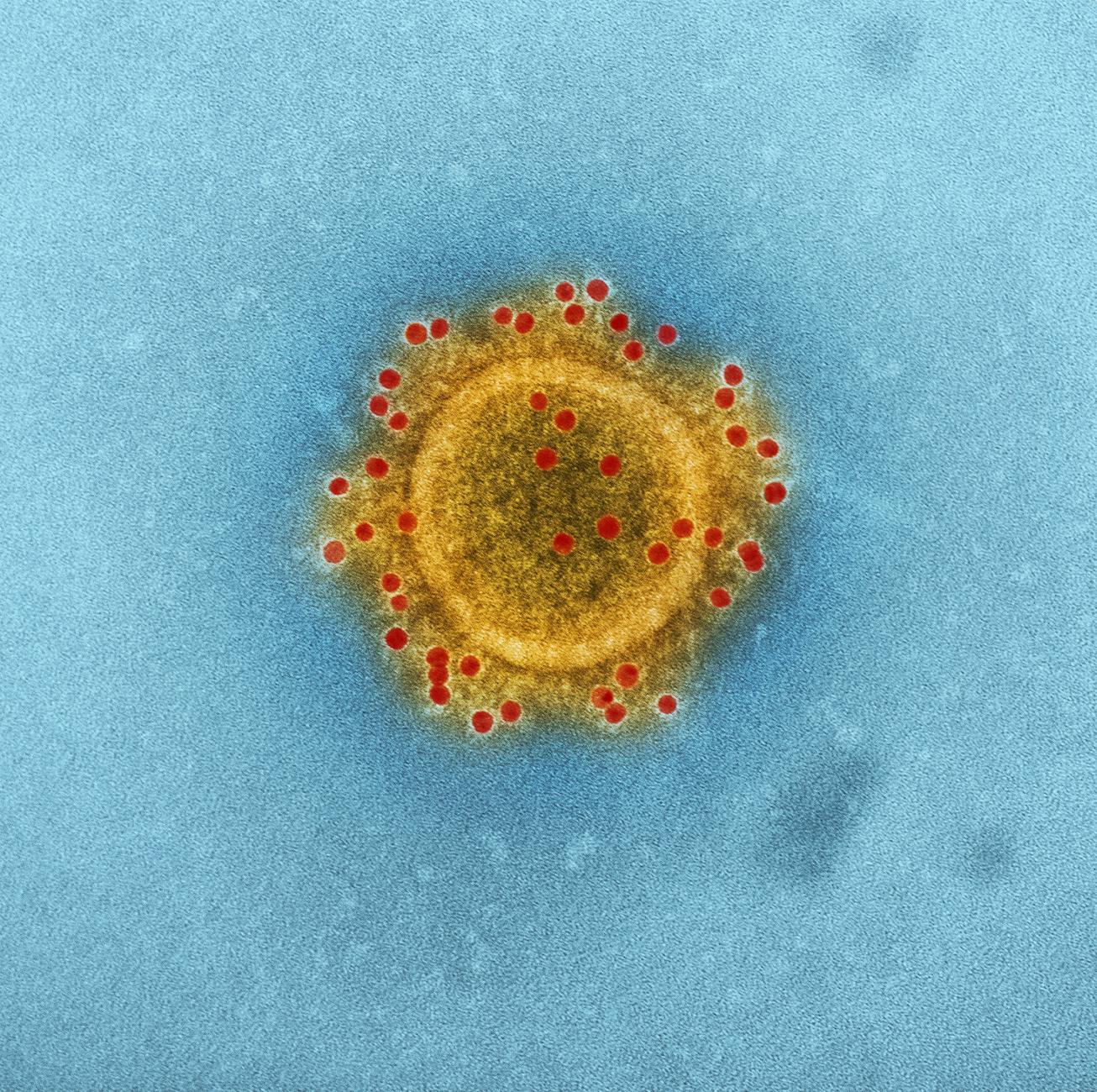
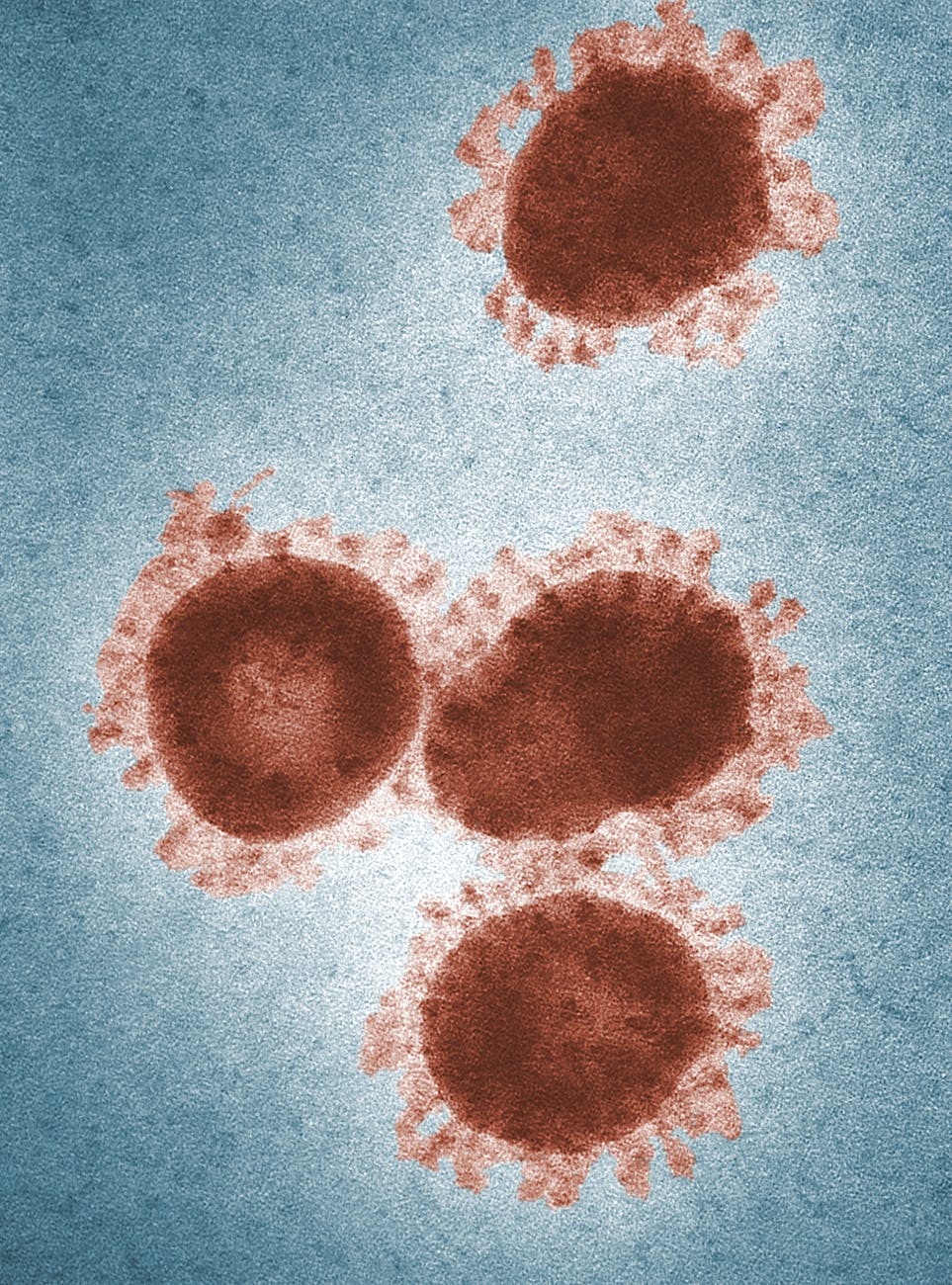
Viruses are found in almost every ecosystem on Earth and are the most numerous biological entities known. At the same time, they cannot replicate on their own. They must reproduce inside the cells of organisms they infect. That strange combination makes them both everywhere and deeply dependent on other life.
Alongside viruses is another astonishing realm: the prokaryotes, especially archaea and bacteria. These tiny organisms may be small, but they dominate habitats across the planet and reveal just how limited the everyday human view of life really is.
Why viruses are so unusual
Viruses are submicroscopic infectious agents, meaning they are smaller than what can be seen with the naked eye and infect living cells. They replicate inside the cells of organisms and can infect all types of life forms, including animals, plants, bacteria, and archaea. More than 6,000 virus species have been described in detail, and viruses occur in almost every ecosystem on Earth.
Their odd status comes from the fact that they possess some but not all characteristics of life. Because of that, they have been described as “organisms at the edge of life,” and also as self-replicators. In simple terms, that means viruses can copy themselves, but only by taking over the machinery of a host cell.
This is what makes them biologically fascinating. A cell is considered the fundamental unit of life. Cells carry out metabolism, maintain internal conditions, and divide from preexisting cells. Viruses do not fit neatly into that cellular framework. They are deeply tied to life, but they do not operate like cells such as bacteria, archaea, plants, or animals.
The most numerous biological entities on Earth
Calling viruses the most numerous biological entities is not just a dramatic phrase. It points to something important about the biological world: the visible organisms humans notice most are not necessarily the most common.
Viruses are present in nearly every ecosystem, which means they are woven into the fabric of life across Earth. They infect organisms from every major branch of the biological world, from plants and animals to microorganisms. That enormous reach helps explain why they matter so much in biology, evolution, and ecology.
Their evolutionary origin is still unclear. Some may have evolved from plasmids, which are pieces of DNA that can move between cells, while others may have evolved from bacteria. Even with this uncertainty, viruses are recognized as important in evolution because they can act as a means of horizontal gene transfer. That process increases genetic diversity in a way analogous to sexual reproduction.
The three domains of life
Biologists classify organisms using systems based on shared characteristics and evolutionary relationships. At the broadest level, all organisms are placed into one of three domains: Archaea, Bacteria, and Eukarya.
Bacteria and archaea are both prokaryotic, meaning their cells do not contain a nucleus. Eukaryotes do have a nucleus, and this domain includes fungi, plants, and animals. That means humans, oak trees, mushrooms, and single-celled protists all belong to Eukarya.
This three-domain view can be surprising because many people learn early on to think mostly in terms of plants and animals. But those are only part of the full picture. Biology examines life from molecules and cells all the way to ecosystems, and once that broader view is taken seriously, the microbial world becomes impossible to ignore.
Archaea: the microbes that changed the picture of life
Archaea were initially classified as bacteria and once went by the name archaebacteria, but that term has fallen out of use. Although archaea and bacteria are generally similar in size and shape, archaeal cells have unique properties that separate them from both Bacteria and Eukaryota.
This is where classification becomes especially interesting. Archaea may resemble bacteria in appearance, yet some of their genes and several metabolic pathways are more closely related to those of eukaryotes, especially for enzymes involved in transcription and translation.
Transcription is the process by which information in DNA is copied into RNA, and translation is the process by which RNA information is used to build proteins. These are central steps in gene expression, the flow of information from DNA to RNA to protein. So when archaea share important machinery with eukaryotes in these processes, it reveals that outward appearance can be misleading.
Other aspects of archaeal biochemistry are unique. Their cell membranes rely on ether lipids, including archaeols. A cell membrane is the boundary that separates a cell’s interior from the outside world, and its chemical makeup is crucial for how the cell functions. That means archaea are not just bacteria with a different label; they represent a distinct and remarkable domain of life.
A world powered by strange energy sources
One of the most striking facts about archaea is how varied their energy sources can be. Archaea use more energy sources than eukaryotes. Some use organic compounds such as sugars. Others can use ammonia, metal ions, or even hydrogen gas.
That is a reminder that metabolism, the set of chemical reactions that sustain life, can take forms far beyond everyday human experience. In all organisms, metabolism is how energy is obtained and used to maintain structure, grow, reproduce, and respond to the environment. But archaea stretch the imagination by showing how many different chemical routes life can exploit.
Some salt-tolerant archaea, called Haloarchaea, use sunlight as an energy source. Other archaea fix carbon. However, no known species of archaea does both of those things in the way plants and cyanobacteria are described as doing. This diversity of energy use helps explain how archaea can inhabit such a wide variety of environments.
From extreme environments to ordinary ones
Archaea were first observed among extremophiles, organisms living in extreme environments such as hot springs and salt lakes. That early discovery gave them a reputation as exotic specialists. But improved molecular detection tools later revealed archaea in almost every habitat, including soil, oceans, and marshlands.
They are particularly numerous in the oceans, and archaeal plankton may be one of the most abundant groups of organisms on the planet. In other words, some of the planet’s most common organisms were once thought to belong only to unusual and harsh environments.
Archaea are also part of the microbiota of all organisms. In the human microbiome, they are important in the gut, mouth, and on the skin. Their diversity in form, metabolism, and geographic distribution allows them to play multiple ecological roles, including carbon fixation, nitrogen cycling, organic compound turnover, and maintaining microbial symbiotic and syntrophic communities.
The microbial majority of life
Microbial life includes bacteria, archaea, and many microscopic eukaryotes. Biology makes clear that life on Earth began long before animals and plants appeared. Life is believed to have originated over 3.7 billion years ago, and early Earth was dominated by microbial forms.
Microbial mats of coexisting bacteria and archaea were the dominant form of life in the early Archean eon, and many major steps in early evolution are thought to have taken place in that environment. The earliest evidence of eukaryotes dates from 1.85 billion years ago, and multicellular organisms with differentiated cells began appearing later, around 1.7 billion years ago.
That timeline puts familiar large organisms in perspective. For most of Earth’s history, life was microbial. Even today, microbes remain central to ecosystems, nutrient cycling, and the basic functioning of the biosphere.
Why microbes matter in ecology
Ecology is the study of the distribution and abundance of life and the interactions between organisms and their environment. In ecosystems, living organisms interact with nonliving components such as water, temperature, soil, and light through nutrient cycles and energy flows.
Microorganisms are essential in these systems. Decomposers break down dead organic matter, releasing carbon back to the atmosphere and helping return nutrients to forms that can be used by plants and other microbes. Archaea contribute to processes such as nitrogen cycling and carbon fixation, which are major parts of Earth’s biogeochemical cycles.
A biogeochemical cycle is the pathway by which elements such as nitrogen, carbon, and water move through living and nonliving parts of Earth. The hidden microbial world is not a side note in these cycles. It is a major engine of them.
Life is broader than it looks
Biology is often introduced as the study of plants, animals, and the human body. But the deeper you go, the more that view expands. The science of life includes cells, genes, metabolism, evolution, ecosystems, and an immense diversity of organisms, many of them microscopic.
Viruses challenge the definition of life by existing at its edge. Archaea challenge simple assumptions about classification by looking like bacteria while sharing important molecular features with eukaryotes. And the broader microbial world challenges the idea that the most important forms of life are the ones we can easily see.
The hidden majority of life is not hidden because it is unimportant. It is hidden because human senses were never built to notice it. Biology gives us the tools to see that the world is full of entities stranger, smaller, and more abundant than everyday experience suggests.
Sources
Based on information from Biology.
More like this
Go beyond the visible world — download DeepSwipe and discover the hidden majority of life, one fascinating swipe at a time.