Full article · 7 min read
Animals Invented Farming First
Humans often treat agriculture as one of our defining inventions. It helped make cities possible, supported larger populations, and transformed human history. But in a wider biological sense, farming did not begin with us at all.
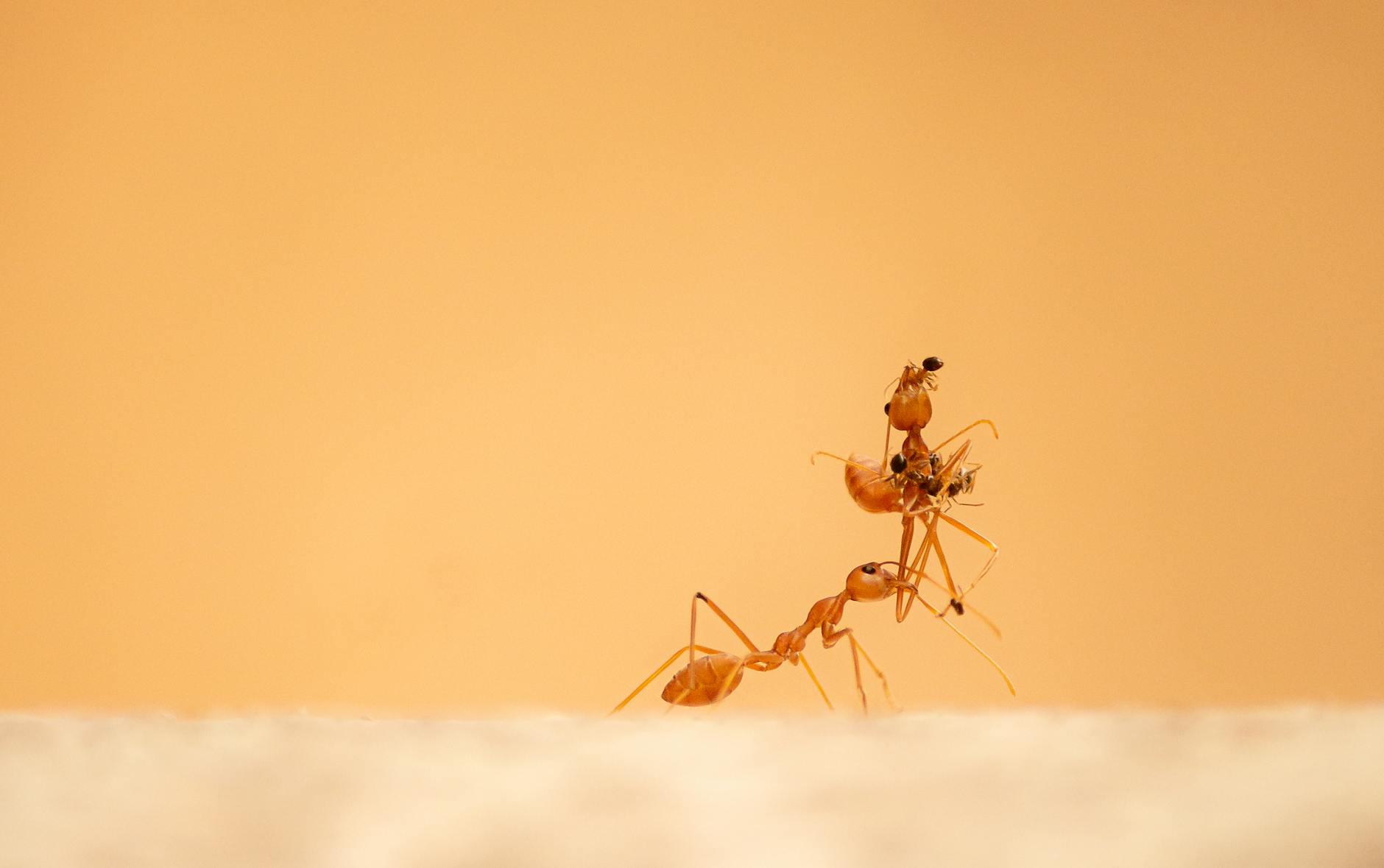
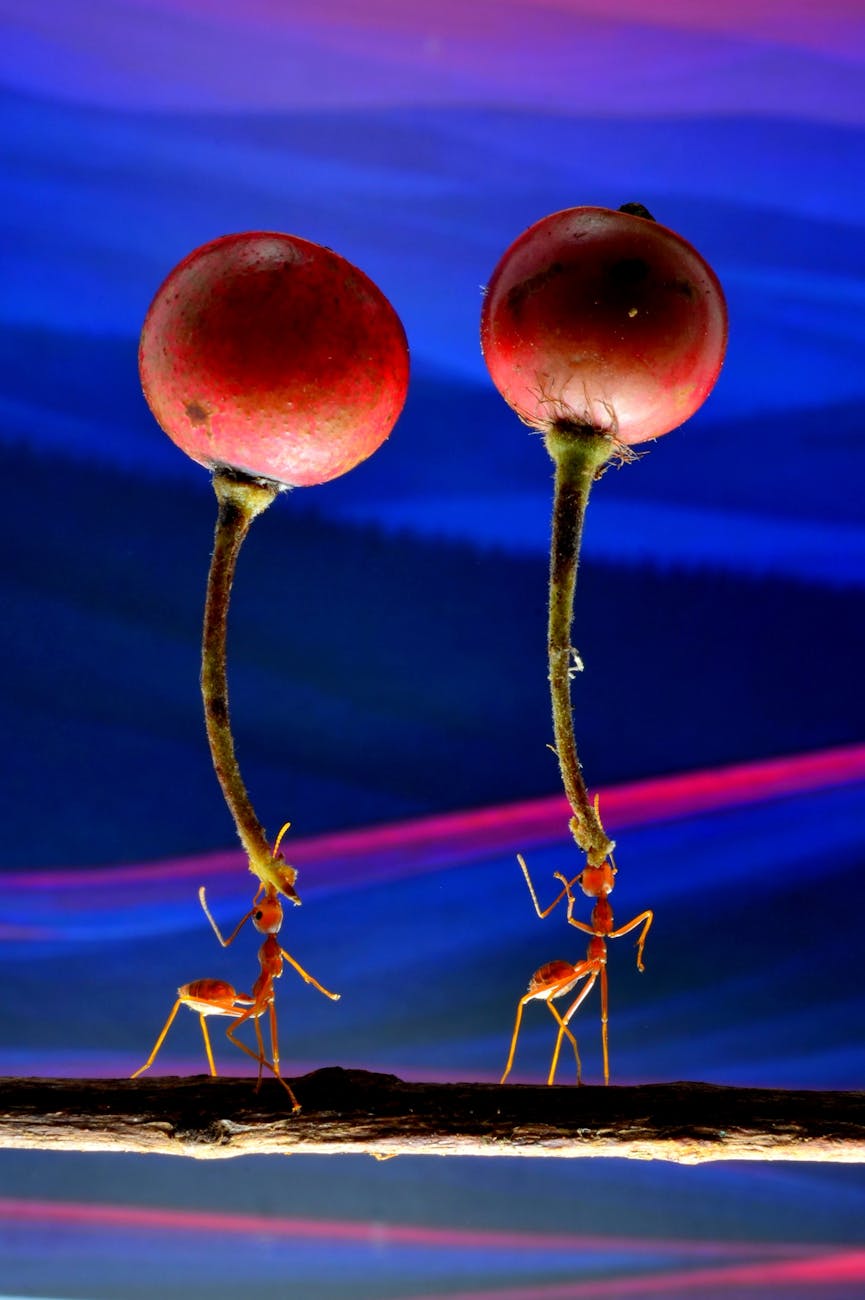
Some ants, termites, and beetles have been cultivating crops for up to 60 million years. That means these animals were practicing a form of agriculture vastly earlier than humans, who only began planting gathered grains around 11,500 years ago. Seen from that perspective, farming is not just a human breakthrough. It is a much older strategy for producing food.
Agriculture is broader than many people think
Agriculture is commonly understood as cultivating soil, planting crops, and raising livestock. In a broader sense, it is the use of natural resources to produce things that maintain life, including food and fiber. It can be divided into plant agriculture, which focuses on growing useful plants, and animal agriculture, which focuses on raising animals.
That definition makes the idea of animal farming easier to understand. Agriculture is not limited to tractors, fields, or even humans. At its core, it is about deliberately managing living resources for a reliable return.
This is why the behavior of ants, termites, and beetles is so striking. These species are described as cultivating crops, showing that agriculture can exist outside human civilization altogether.
Animal farmers came first by an astonishing margin
The timeline is what really changes the way we think about farming.
Humans were gathering wild grains at least 105,000 years ago. But gathering is not the same thing as planting. The shift toward actually sowing and cultivating those grains came much later, around 11,500 years ago. Not long after, animals such as sheep, goats, pigs, and cattle were domesticated around 10,000 years ago.
Now compare that with animal agriculture. Some ant, termite, and beetle lineages have been cultivating crops for up to 60 million years. That is not just earlier than human farming. It is earlier by a timespan so large that human agriculture looks like a very recent development.
This perspective makes farming seem less like a sudden human invention and more like a recurring solution to a common problem: how to secure food more reliably than simple foraging allows.
Why agriculture matters so much
Agriculture changed human life because it helped create food surpluses. A surplus is extra food beyond immediate daily needs. Once people could produce more food than they consumed right away, larger settled communities became possible. That helped support sedentary civilization, meaning people could live in permanent places rather than moving constantly as hunter-gatherers.
The growth of villages and cities depended on this shift. Agriculture allowed the human population to grow far beyond what hunting and gathering alone could sustain.
That makes the comparison with animals even more fascinating. If other species also cultivate food, then agriculture is not simply tied to human culture or technology. It can be understood as a powerful ecological strategy: invest effort now to make food production steadier later.
Humans were late starters
The human path to agriculture was gradual, not instantaneous.
Wild grains were collected for a very long time before they were planted. Scholars describe a transition from hunter-gatherer societies toward agriculture that included intensification and increasing sedentism. In simpler terms, people began relying more heavily on certain food sources and living more permanently in one place. Over time, wild stands that had previously been harvested started to be planted, and gradually those plants became domesticated.
Domestication means changing plants or animals over generations through human selection so that they become better suited to human use. In crops, this can mean bigger seeds, easier harvests, or improved resistance to drought and disease.
This long transition highlights a useful contrast. Human farming was not the immediate start of civilization, but the result of many small changes in behavior and food management. Animal farming, as described for ants, termites, and beetles, suggests that cultivation itself can emerge wherever it offers an advantage.
Agriculture evolved in many human societies too
Even within human history, farming was not invented once in a single place and then copied everywhere. Plants were independently cultivated in at least 11 regions of the world.
Different societies domesticated different species. Rice was domesticated in China. Sheep were domesticated in Mesopotamia. Cattle were domesticated from wild aurochs in areas of modern Turkey and Pakistan. Pig production emerged across parts of Eurasia. In South America, the potato was domesticated in the Andes. Sugarcane and some root vegetables were domesticated in New Guinea. Sorghum was domesticated in the Sahel region of Africa. Cotton was domesticated in Peru and also independently in Eurasia. In Mesoamerica, wild teosinte was bred into maize.
This repeated pattern matters. It suggests that when conditions are right, cultivation appears again and again. That makes the existence of animal farmers seem less like a biological oddity and more like part of a broader pattern in life: useful food sources tend to be managed.
Farming is a strategy, not just a technology
When people picture agriculture, they often imagine ploughs, irrigation canals, fertilizers, or modern machinery. Those tools matter, but they are not the essence of farming.
The deeper idea is management. Agriculture means shaping an environment to make useful organisms more productive. Human history offers countless versions of this. Ancient societies developed irrigation systems, terraced hillsides, canal systems, granaries, ploughs, and crop rotations. In different regions, people farmed grains, beans, squash, cacao, fruits, and livestock using methods adapted to local environments.
Seen this way, agriculture is less about one specific method and more about a repeatable principle: cultivate what feeds you.
That is why the animal examples are so powerful. They challenge the habit of treating farming as proof of human uniqueness. Instead, agriculture begins to look like a natural strategy that evolution has reached more than once.
A humbling place in a much older story
Human agriculture is still extraordinary in scale. Global agricultural production reaches roughly 11 billion tonnes of food, along with natural fibers and wood. Agriculture shapes rural economies, employs hundreds of millions of people, and influences land use across the planet. In 2021, agriculture employed 873 million people, or 27% of the global workforce.
Yet the biological story is older than the human one. Long before people domesticated sheep, planted barley, or built irrigation systems, some animals were already cultivating food.
That does not make human farming less important. It makes it more interesting. Our agriculture is one chapter in a much larger history of life finding ways to turn uncertain food supplies into managed ones.
What this perspective changes
Thinking of ants, termites, and beetles as ancient farmers invites a different view of agriculture.
First, it makes human exceptionalism look smaller. We are not the first species to cultivate food.
Second, it reframes agriculture as a natural strategy rather than a purely cultural invention. If multiple species farm, then cultivation may be one of the recurring ways life solves the challenge of feeding itself.
Third, it puts our own timeline in perspective. Humans gathered grains for tens of thousands of years before planting them. Compared with animal farmers that may date back 60 million years, our agricultural era is remarkably recent.
And finally, it adds wonder to an everyday act. Every field of wheat, every rice paddy, and every managed pasture belongs to a much older pattern than human history alone can explain.
We are not the first farmers
Agriculture remains one of the great turning points in human civilization. It enabled surpluses, permanent settlements, and eventually cities. But if we widen the lens, farming stops looking like a uniquely human leap and starts looking like an ancient, successful way of life.
Some animals were farming tens of millions of years before our species began planting grains. That single fact is enough to shift the story.
Humans did not invent the idea of agriculture from scratch. We joined it late.
Sources
Based on information from Agriculture.
More like this
Join the late-blooming farmers of knowledge — download DeepSwipe and cultivate a fresh crop of fascinating facts every day.