Full article · 7 min read
Plant Evolution on Land: From Watery Origins to Mysterious Flowers
The story of plants on land is one of the biggest transformations in Earth’s history. Long before forests, flowers, or even grass existed, the ancestors of land plants lived in water. Over immense spans of time, plants developed the structures that now seem ordinary to us—roots, leaves, wood, and seeds—and in doing so reshaped landscapes across the planet.
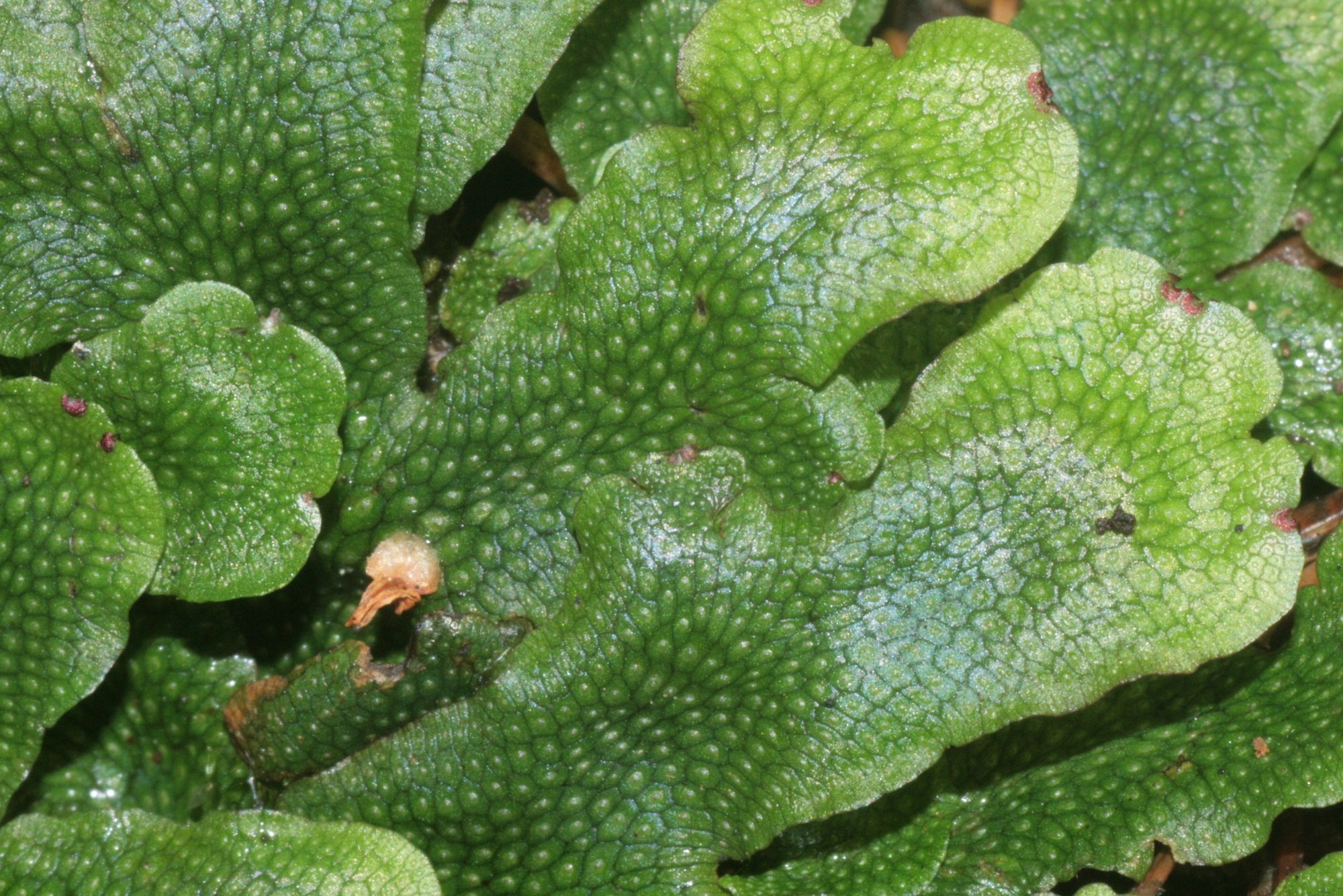
This journey began around 450 million years ago, when the first land plants appeared. They were probably similar in organization to bryophytes, a group that includes mosses, liverworts, and hornworts. These are simple land plants compared with trees or flowering plants. They do not have the same kind of true roots or woody tissues that later plants evolved, but they represent an important early stage in the conquest of land.
Before forests, there was water
Land plants did not appear out of nowhere. Their ancestors evolved in aquatic environments. Even before the earliest true land plants, multicellular freshwater eukaryotes may already have existed more than 1,000 million years ago, and algal growth was present on land around 1,200 million years ago. But the major shift to recognizable land plants came much later, in the Ordovician period.
That move onto land was revolutionary. Water had supported the ancestors of plants, but life on land posed new challenges. Plants would need ways to support themselves, obtain water and minerals, and survive changing physical conditions. Over time, they evolved structures and tissues that made terrestrial life possible.
Plant cells already had some of the key machinery for this success. They contain chloroplasts, the structures where photosynthesis happens, and chlorophyll, the green pigment that captures light energy. Through photosynthesis, plants use light to produce sugars from carbon dioxide and water, releasing oxygen in the process. This ability made green plants a major source of the world’s molecular oxygen and the energetic foundation of most ecosystems.
The first land plants were likely bryophyte-like
The earliest land plants are thought to have had a level of organization like bryophytes. Bryophytes are small and relatively simple compared with later vascular plants. Vascular tissue is the internal transport system that moves water, minerals, and food through a plant. In more advanced land plants, this includes xylem, which helps transport water and minerals, and phloem, which transports synthesized molecules such as sugars.
Early bryophyte-like plants would not yet have had the towering stature of later forests. But their arrival on land marked the beginning of a new biological era. In the late Silurian, around 420 million years ago, land plants began to diversify more strongly. Bryophytes, club mosses, and ferns then appear in the fossil record.
Some remarkable evidence of these early plants comes from the Rhynie chert, an early Devonian fossil assemblage. There, plant anatomy was preserved in cellular detail because the plants were petrified in chert formed in silica-rich volcanic hot springs. That kind of preservation gives an unusually close look at how early land plants were built.
How plants became more complex
By the end of the Devonian period, most of the basic features familiar in plants today were already present. These included roots, leaves, and secondary wood.
Roots allowed plants to absorb water and minerals from the soil. Leaves increased the surface area available for photosynthesis, helping plants capture more light energy. Secondary wood provided support and made larger growth possible, especially in tree-like forms. A tree such as Archaeopteris already showed these important features.
These innovations mattered because life on land rewards both stability and reach. A plant that can anchor itself, draw resources upward, and spread its leaves into the light gains a major advantage. Plant structure became increasingly specialized, with tissues and organs taking on distinct functions. Roots absorbed water and minerals, stems supported the plant and transported materials, and leaves became key centers of photosynthesis.
The Carboniferous: when forests took over
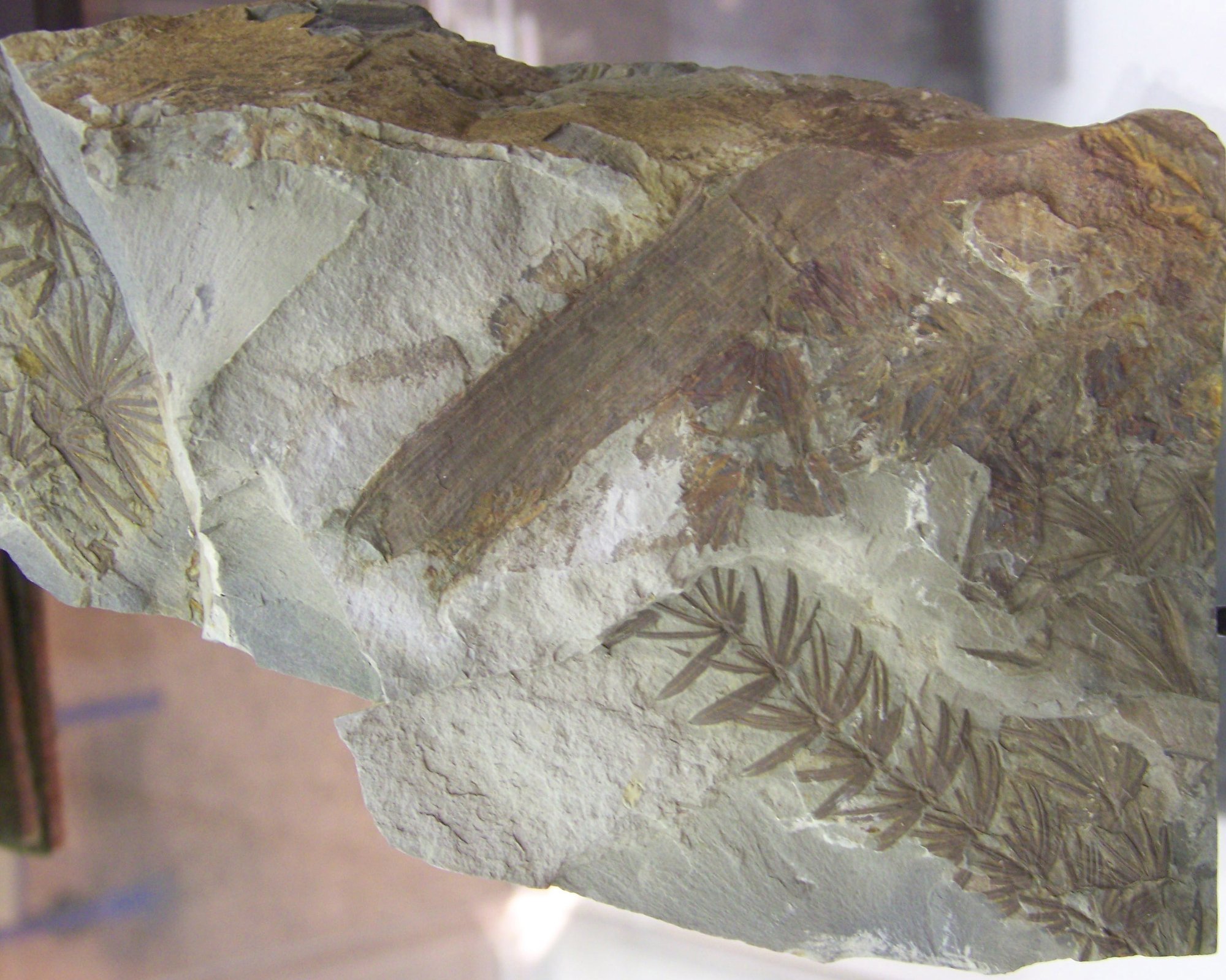
If the first land plants were modest pioneers, the Carboniferous period was the age of expansion. During this period, forests developed in swampy environments and were dominated by clubmosses and horsetails, including some as large as trees.
This is one of the most striking chapters in plant evolution. Clubmosses and horsetails may sound small and humble today, but in those swamp forests some lineages reached tree-like size. These forests would have looked very different from many modern woodlands, yet they were already large, structurally complex plant communities.
Plants are often the dominant physical part of a habitat, and the Carboniferous forests are a dramatic example of that power. Once plants became abundant, they shaped the environment around them. They formed the basis of food webs, influenced local conditions, and created new ecological opportunities.
The rise of forests also depended on the growing sophistication of plant bodies. Large plants need systems to transport water upward and distribute the sugars made by photosynthesis. That is where vascular tissues become crucial. With stronger support and better transport systems, plants could become taller and compete more effectively for sunlight.
Competition for light is one of the most important pressures in plant life. Because photosynthesis depends on light, plants often grow quickly and use their leaves to shade competitors. The ability to grow tall would have been especially valuable in dense swampy forests.
Seeds and the changing plant world
Another major step in plant history was the appearance of early gymnosperms, the first seed plants. Gymnosperms are seed-producing plants that include conifers and other non-flowering seed plants. The rise of seeds was a powerful innovation because seeds protect and nourish the young plant embryo.
This was not the end of change. The Permo-Triassic extinction event radically altered the structure of plant communities. Later, flowering plants appear to have evolved in the Triassic, around 200 million years ago.
Conifers diversified from the Late Triassic onward and became a dominant part of floras in the Jurassic. This means that long before flowering plants came to dominate much of the modern world, other seed plants were already highly successful and ecologically important.
Darwin’s “abominable mystery”
Few phrases in evolutionary history are as memorable as Darwin’s description of flowering plants as an “abominable mystery.” The phrase captures how startling their rise appeared. In the Cretaceous, flowering plants underwent an adaptive radiation so rapid that it seemed puzzling even to Darwin.
An adaptive radiation is a relatively rapid diversification into many forms. In practical terms, it means flowering plants spread and diversified quickly enough to stand out as a major evolutionary puzzle.
Flowering plants reproduce sexually using flowers, which contain the structures involved in making pollen and receiving it. Fertilization takes place within carpels or ovaries, which then develop into fruits containing seeds. That combination of flowers, seeds, and fruits helped flowering plants become extraordinarily successful.
Flowering plants also formed close ecological relationships with animals. Many animals, especially insects and birds, act as pollinators. They visit flowers for food such as pollen or nectar and accidentally transfer pollen between flowers. Seeds can also be dispersed by animals, sometimes because fruits provide attractive outer layers while the seeds survive passage through the gut.
These relationships help explain why flowering plants could become so diverse and widespread. Their evolution was not just about internal plant structures, but also about interactions with other organisms.
Why the rise of land plants mattered so much
The evolution of land plants was not simply a botanical milestone. It changed Earth itself. Photosynthesis by land plants and algae is the ultimate source of energy and organic material in nearly all ecosystems. Plants are the primary producers in most terrestrial ecosystems, meaning they form the base of the food web.
Plants also provide a substantial proportion of the world’s molecular oxygen. Their success on land helped create the green world that supports animals and countless other organisms today.
Even now, plants dominate many of Earth’s biomes, from grasslands to tropical rainforests. They make up about 80% of the world biomass. In other words, plant evolution is not some narrow side story in life’s history—it is one of the main events.
A long transformation, still astonishing
From watery ancestors to bryophyte-like pioneers, from Devonian innovations to Carboniferous swamp forests, and from early seed plants to the rapid spread of flowers, plant evolution on land is a story of gradual invention mixed with dramatic turning points.
The first land plants were small and simple compared with the giants and blooms that came later. Yet those early pioneers began a chain of changes that would eventually produce forests, seeds, flowers, fruits, and the plant-dominated landscapes that now cover much of the world.
And perhaps that is why the rise of flowering plants still feels so striking. Even in a history full of deep time and slow change, some moments remain startling enough to earn a name like “abominable mystery.”
Sources
Based on information from Plant.
More like this
Root yourself in fascinating facts — download DeepSwipe and let your curiosity branch out daily.