Full article · 6 min read
Plant Partnerships: How Plants Team Up With Ants, Fungi, and Bacteria
Plants may look still and solitary, but many of them survive by forming remarkably active partnerships. Some recruit defenders, some trade food for nutrients, and some rely on microscopic helpers to access one of life’s most important ingredients: nitrogen.
These alliances help explain how plants thrive in competitive environments where sunlight, water, and minerals are constantly contested. They also reveal that a plant is not always an isolated organism. In many cases, it is part of a living network involving insects, fungi, and bacteria.
Plants that hire bodyguards
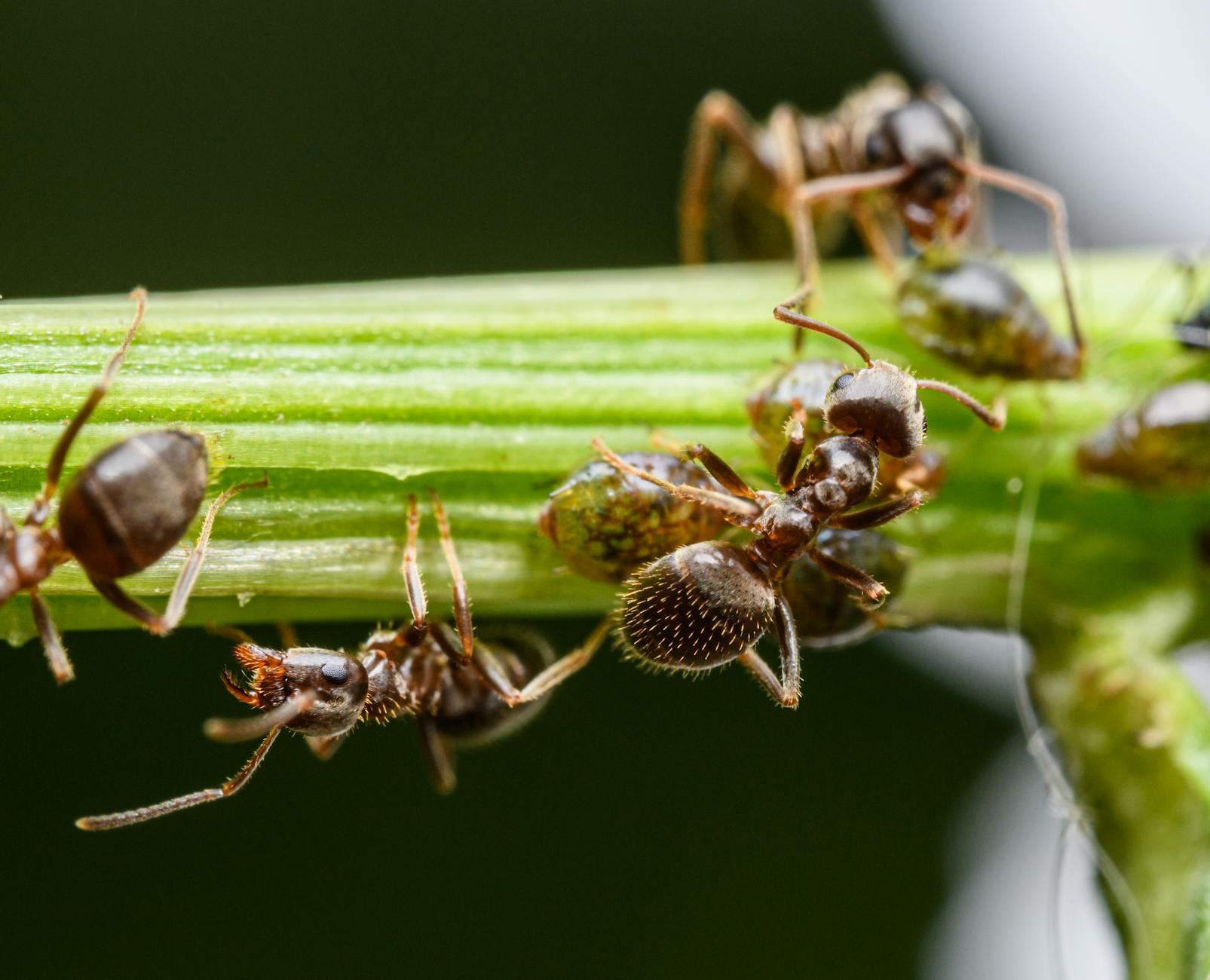
Some plants have coevolved with ants. In these relationships, the plant provides the ants with a home and sometimes food. In exchange, the ants defend the plant from herbivores, meaning animals that eat plants. They may also protect the plant from competing plants.
This kind of plant is called a myrmecophyte. The partnership works as a trade: shelter and food in return for defense. Ant wastes can even serve as organic fertilizer, adding another benefit for the plant.
For a plant, this is a clever strategy. Herbivores can do serious damage by eating leaves, stems, or other tissues needed for growth and reproduction. Competition from nearby plants can also reduce access to light, water, and nutrients. By aligning with ants, a plant gains living protectors that can help it keep precious resources.
The underground trade network at plant roots
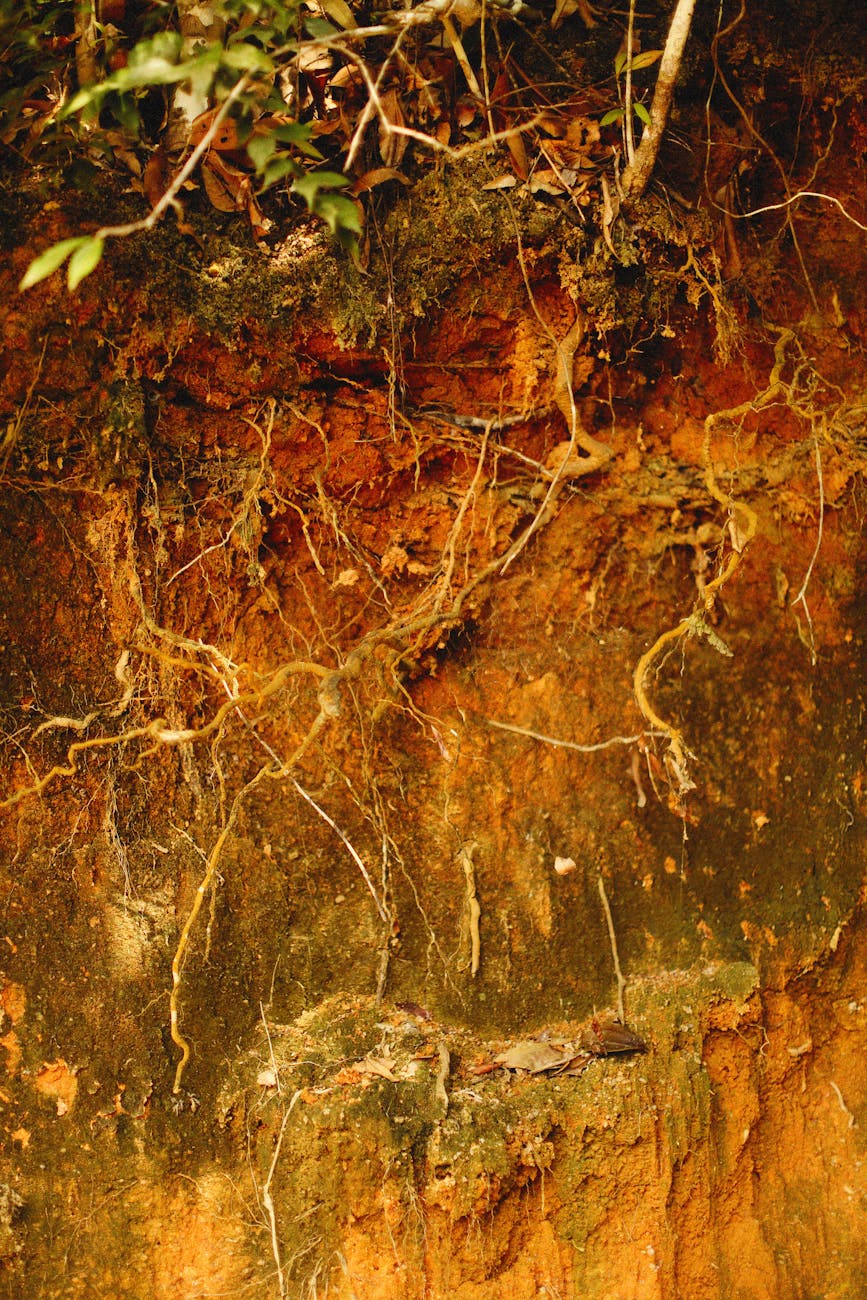
One of the most important plant partnerships happens out of sight, in the soil. The majority of plant species have fungi associated with their root systems in a mutualistic symbiosis called mycorrhiza.
A mutualistic symbiosis is a close relationship in which both partners benefit. In mycorrhiza, the fungi help plants gain water and mineral nutrients from the soil. In return, the plant supplies the fungi with carbohydrates made during photosynthesis.
Carbohydrates are sugars and related food molecules that plants manufacture using light energy. In photosynthesis, plants use carbon dioxide and water, capture light with chlorophyll in chloroplasts, and produce sugars. Those sugars are valuable currency. Rather than keeping all of them, plants can exchange some of that energy-rich food with fungal partners that are better at exploring the soil.
This matters because minerals and water are often limited. Plants compete for shared resources such as sunlight, water, and nutrients. Roots help absorb water and minerals, but fungal partnerships can make that process more effective. In simple terms, fungi help extend the plant’s reach underground.
Why fungi are such useful partners
Plants need mineral nutrients for growth and development. The article identifies nitrogen, phosphorus, and potassium as common nutrients competed for among plants. Water is also essential for photosynthesis, and access to it can strongly influence plant success.
Fungi associated with roots help with this challenge by improving the plant’s ability to obtain water and mineral nutrients from the soil. In exchange, they receive carbohydrates that the plant has manufactured above ground using sunlight.
This partnership is a strong example of how plants connect their above-ground and below-ground lives. Leaves capture light and make sugars. Roots and fungi work together to gather raw materials from the soil. The result is a cooperative system that supports plant growth in habitats where resources are limited or unevenly distributed.
Plants that outsource nitrogen
Some plants go even further and partner with bacteria. Many legumes have Rhizobium nitrogen-fixing bacteria in nodules on their roots. These bacteria fix nitrogen from the air so the plant can use it. In return, the plants provide sugars to the bacteria.
Nitrogen is an essential nutrient for plant growth. Although it is present in the air, plants cannot simply take it directly from the atmosphere in a usable form. Rhizobium bacteria solve that problem by converting atmospheric nitrogen into a form the plant can use.
Root nodules are structures on roots where these bacteria live. This arrangement creates a built-in nutrient partnership: the plant supplies energy in the form of sugars, and the bacteria supply usable nitrogen.
This relationship matters beyond the individual plant. Nitrogen fixed in this way can become available to other plants, and it is important in agriculture. One example given is crop rotation: farmers may grow a legume such as beans, followed by a cereal such as wheat, to reduce the need for nitrogen fertilizer.
Why these partnerships are so important
Plant partnerships are not just biological curiosities. They help plants solve some of the biggest problems of life on land.
Plants must deal with herbivores, competition, and limited resources. They also need to grow, reproduce, and survive environmental stresses. A plant’s growth is affected by its genome and by abiotic factors such as temperature, water, light, carbon dioxide, and soil nutrients, as well as biotic factors such as crowding, grazing, beneficial symbiotic bacteria and fungi, insects, and plant diseases.
Partnerships with ants, fungi, and bacteria help plants respond to several of these pressures at once:
- Ants can reduce damage from herbivores and even suppress competing plants.
- Fungi can help plants gain water and minerals.
- Nitrogen-fixing bacteria can provide a crucial nutrient that often limits growth.
In a world of constant competition, cooperation can be one of a plant’s best survival tools.
Cooperation is common in plant ecology
These examples fit into a much bigger pattern in plant ecology. Plants are primary producers in most terrestrial ecosystems, forming the base of the food web. Through photosynthesis, they create sugars that supply energy to ecosystems, and they release a substantial proportion of the world’s molecular oxygen.
But plants do not operate alone. Numerous animals have coevolved with plants. Many flowering plants have evolved pollination syndromes, combinations of flower traits that favor reproduction by attracting pollinators such as insects and birds. Many animals also disperse seeds. Some plants provide homes for endophytic fungi that protect them from herbivores by producing toxins.
Seen together, these relationships show that plant life is deeply interconnected. A plant can be food producer, habitat, trading partner, and defended host all at once.
The hidden social life of plants
It is easy to think of plants as passive organisms, rooted in place and left to endure whatever happens around them. Yet their partnerships suggest something more dynamic. Plants can exchange resources, host defenders, and cooperate with microbes in highly specific ways.
A legume with Rhizobium in its root nodules is not simply growing; it is running a nutrient deal. A plant with mycorrhizal fungi is participating in a steady exchange of sugars for water and minerals. A myrmecophyte protected by ants is, in effect, maintaining a defense pact.
These partnerships help explain how plants succeed across the world’s biomes, from grasslands and savannas to forests and rainforests. Even though plants cannot move in search of better conditions, they can form relationships that improve their access to nutrients, protection, and survival.
A smarter way to look at plants
When you look at a plant, you may actually be looking at the center of a small living alliance. Above ground, insects may defend it. Below ground, fungi may be extending its reach through the soil, while bacteria in its roots make key nutrients available.
That perspective makes plant life even more impressive. Plants do not just grow from sunlight, water, and air. Many also thrive because they cooperate with other organisms in ways that are subtle, efficient, and essential.
The next time you see roots, leaves, or flowers, remember: some of the most important action is happening in the partnerships you cannot see.
Sources
Based on information from Plant.
More like this
Dig into hidden connections like a mycorrhizal network — download DeepSwipe and grow your knowledge daily.