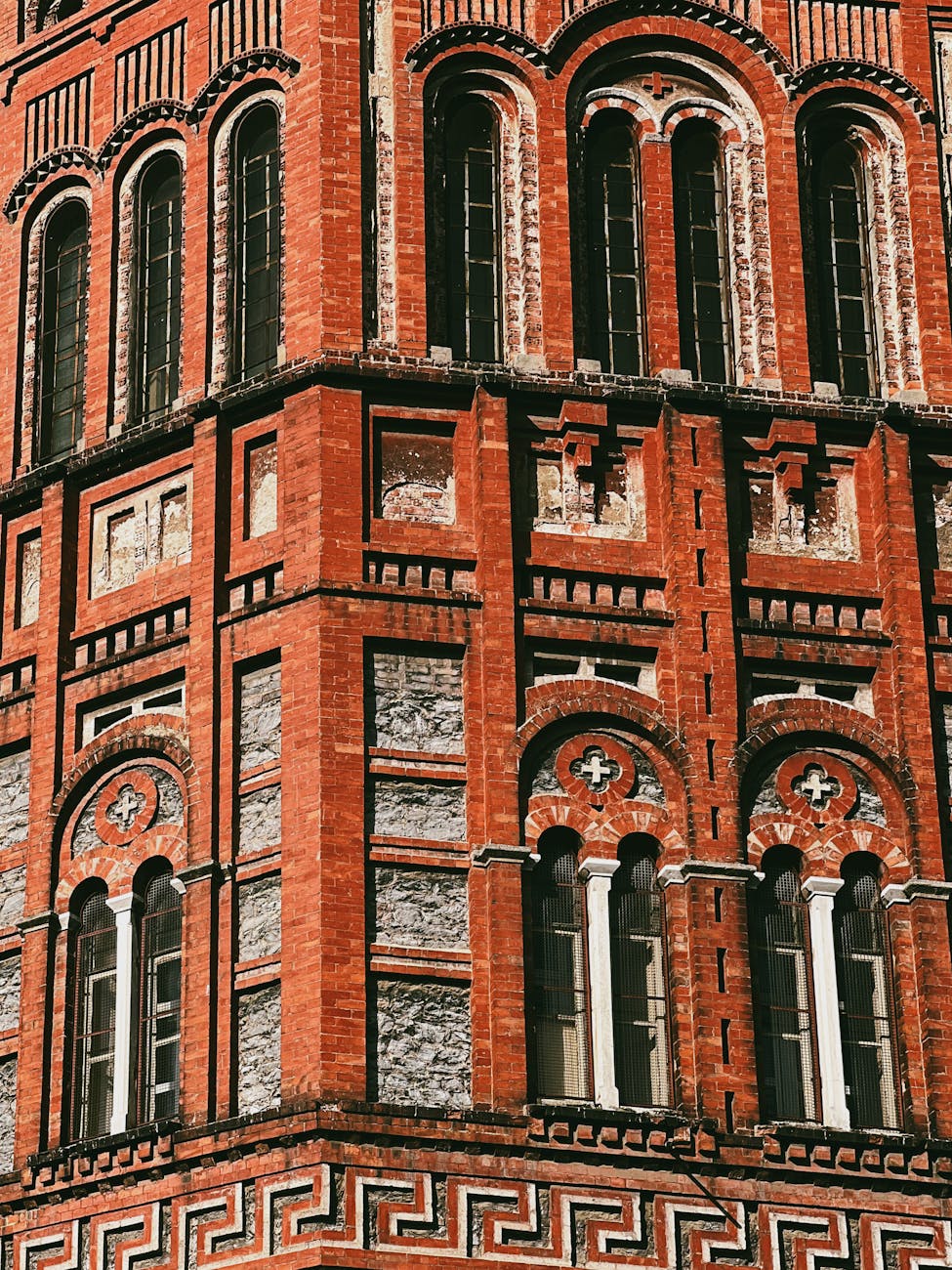
Full article · 6 min read
Visual Arts: Why Architecture Counts as Art
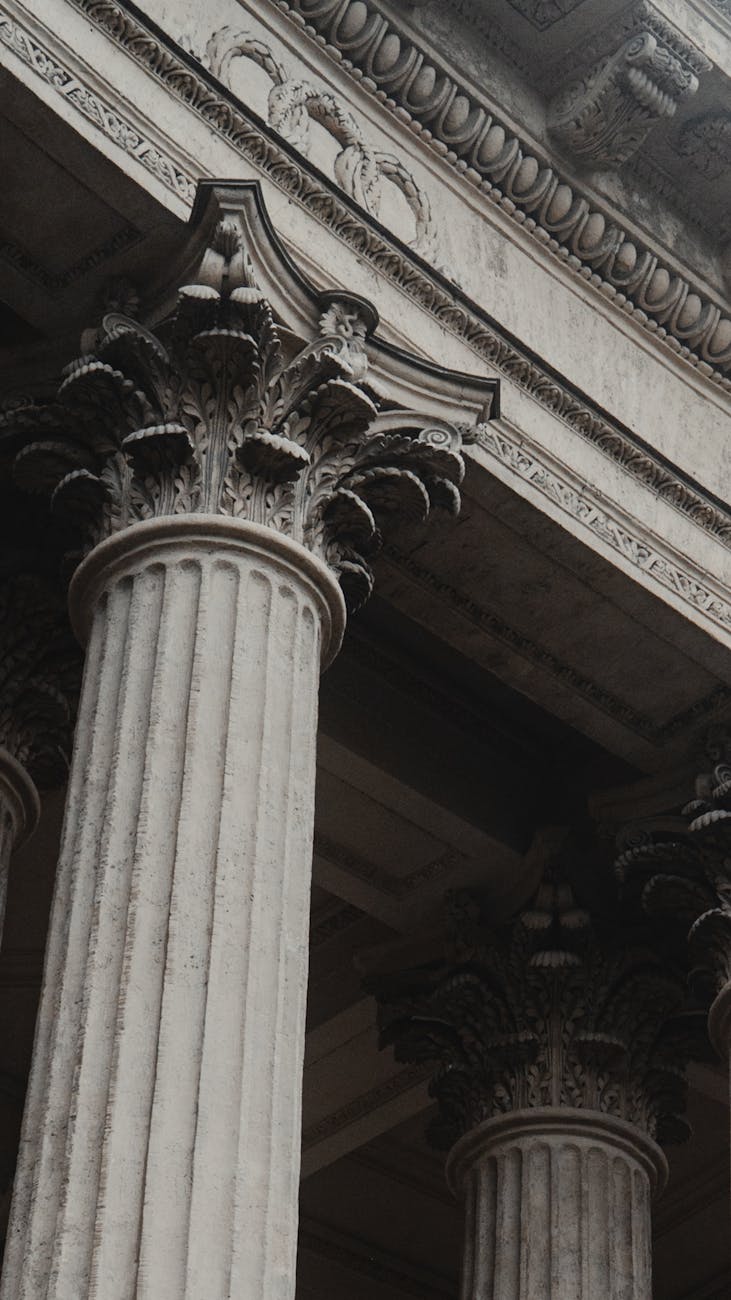
Architecture is sometimes treated as separate from painting or sculpture because it must also solve practical problems. A building has to stand up, protect people, and serve a purpose. But that is exactly why architecture belongs within the visual arts: it joins usefulness with visual expression.
In the broad family of visual arts, architecture sits alongside forms such as painting, drawing, sculpture, photography, design, and filmmaking. What makes it especially fascinating is that it is both a process and a finished creation. It begins with planning, designing, and constructing, yet it also ends as something people see, use, and remember. Many civilizations are recognized through the buildings they leave behind, which shows how deeply architecture can function as both cultural symbol and artwork.
Architecture is both functional and artistic
Architecture can be understood as the process and product of planning, designing, and constructing buildings or other structures. That definition already hints at why it counts as art. It is not just about putting materials together. It involves intention, form, and visual impact.
Architectural works, in the material form of buildings, are often perceived as cultural symbols and works of art. A temple, palace, civic building, or even a house can communicate values far beyond its practical use. It can suggest power, stability, belief, identity, or beauty. This is one reason historical civilizations are so often identified by their surviving architecture. Long after other traces have faded, buildings can continue to represent an entire culture.
Within the visual arts, this makes architecture unique. A painting hangs on a wall; a building can become part of a city’s identity. A sculpture may shape a square; architecture shapes the spaces where daily life happens.
The ancient idea: firmness, utility, and beauty
One of the clearest explanations of architecture as an art comes from the Roman architect Vitruvius. The earliest surviving written work on architecture is his text, De architectura, written in the early 1st century AD. In it, he argued that a good building should satisfy three principles: firmitas, utilitas, venustas.
These Latin terms are often translated as firmness, commodity, and delight. In more modern English, they mean:
- Durability: a building should stand up robustly and remain in good condition
- Utility: it should be suitable for the purposes for which it is used
- Beauty: it should be aesthetically pleasing
This three-part test is a powerful way to understand why architecture belongs in the arts. If a structure is only useful but visually careless, it falls short. If it is beautiful but unstable, it also fails. Architecture aims to bring all three together.
The word “commodity” here can sound confusing to modern readers. In this context, it does not mean something bought and sold on a market. It means practical suitability: the building works well for the life happening inside it. “Venustas,” meanwhile, points to beauty or delight, the idea that a building should give aesthetic pleasure rather than merely shelter a function.
How building became architecture
Architecture did not begin as an abstract theory. It grew out of human need. Building first evolved from the relationship between needs and means. People needed shelter, security, and places for worship. At the same time, they had to work with the materials available to them and the skills they possessed.
That simple origin is important. Architecture began in necessity, but it did not remain there. As cultures developed, knowledge became more formalized through oral traditions and practices. Building became a craft, and “architecture” became the name for the most highly formalized versions of that craft.
This shift from basic building to architecture is what moves the subject firmly into the realm of visual art. A craft solves problems through skill. Architecture still does that, but it also organizes space, shape, proportion, and appearance in a deliberate way. It turns construction into cultural expression.
Why surviving buildings matter so much
Entire civilizations are often remembered through their surviving architectural achievements. This is not just because buildings are large or long-lasting. It is because architecture captures a society’s priorities in visible form.
A surviving structure can reveal what a culture considered important enough to build for: protection, worship, governance, or everyday life. It can also show the level of formal knowledge a society had developed about materials, design, and construction. Because architecture exists in a public, physical form, it often becomes one of the clearest records of a civilization’s identity.
That is why architecture has such a strong claim within the visual arts. It is visual on a grand scale. It is art that people move through, gather within, and inherit across generations.
Architecture within the wider visual arts
The visual arts include many forms: painting, drawing, printmaking, sculpture, ceramics, photography, video, design, crafts, and architecture. Some people instinctively think of art as something framed, painted, or displayed in a museum. But the category is wider than that.
Architecture fits naturally in this broader view because visual arts are not limited to one material or one method. Some are flat, like drawing and printmaking. Some are three-dimensional, like sculpture. Architecture adds another dimension still: inhabitable space.
That helps explain why architecture can feel different from other arts while still belonging to the same family. It shares with them the shaping of form and appearance, but it also must handle structure, use, and permanence.
The connection between architecture and craft
The history of visual arts includes a long tension between fine arts and crafts. For centuries, the term “artist” was often restricted to someone working in fine arts such as painting, sculpture, or printmaking, rather than in decorative arts, crafts, or applied visual arts. Over time, that distinction was challenged, especially by movements that valued vernacular art forms as much as elite ones.
Architecture sits right at the center of this debate. It clearly involves craft: materials, techniques, construction, and skilled making. But reducing it to craft alone misses its formal, symbolic, and aesthetic dimensions. Architecture demonstrates that usefulness and artistry are not opposites. In fact, some of the most admired visual works are those that combine both.
This is one reason architecture is so important in discussions of art. It refuses the easy split between practical and beautiful. A building can be both.
A visual art you can enter
Painting and sculpture are often privileged in discussions of art, but architecture offers a different kind of encounter. You do not only look at architecture; you move through it. It shapes your sense of scale, light, enclosure, and openness. Even without using specialized vocabulary, most people can feel the difference between a cramped room and a spacious hall, or between a harsh structure and one that feels harmonious.
This experiential quality strengthens architecture’s place among the visual arts. It is visual, but not only visual. It combines what is seen with what is lived. That makes its artistic effect especially powerful.
Why architecture still matters as art
To call architecture an art form is not to ignore its practical side. It is to recognize that practical needs can be answered with imagination, formal discipline, and beauty. Architecture plans and constructs, but it also symbolizes and inspires.
A good building, in the classical sense, must endure, serve, and delight. Those three ideas remain a strong argument for architecture’s status as art. It is not art despite being useful. It is art partly because it transforms use into something meaningful and aesthetically powerful.
When a civilization is remembered by its buildings, that is more than engineering success. It is evidence that architecture can preserve values, identity, and visual imagination across time. In that sense, architecture does exactly what great art does: it outlasts its moment and continues to speak.
Sources
Based on information from Visual arts.
More like this
Build your knowledge on firmness, utility, and delight — download DeepSwipe and explore smarter every day.


