Full article · 7 min read
Mount Vesuvius in 79 AD: How One Eruption Switched Styles and Devastated Entire Cities
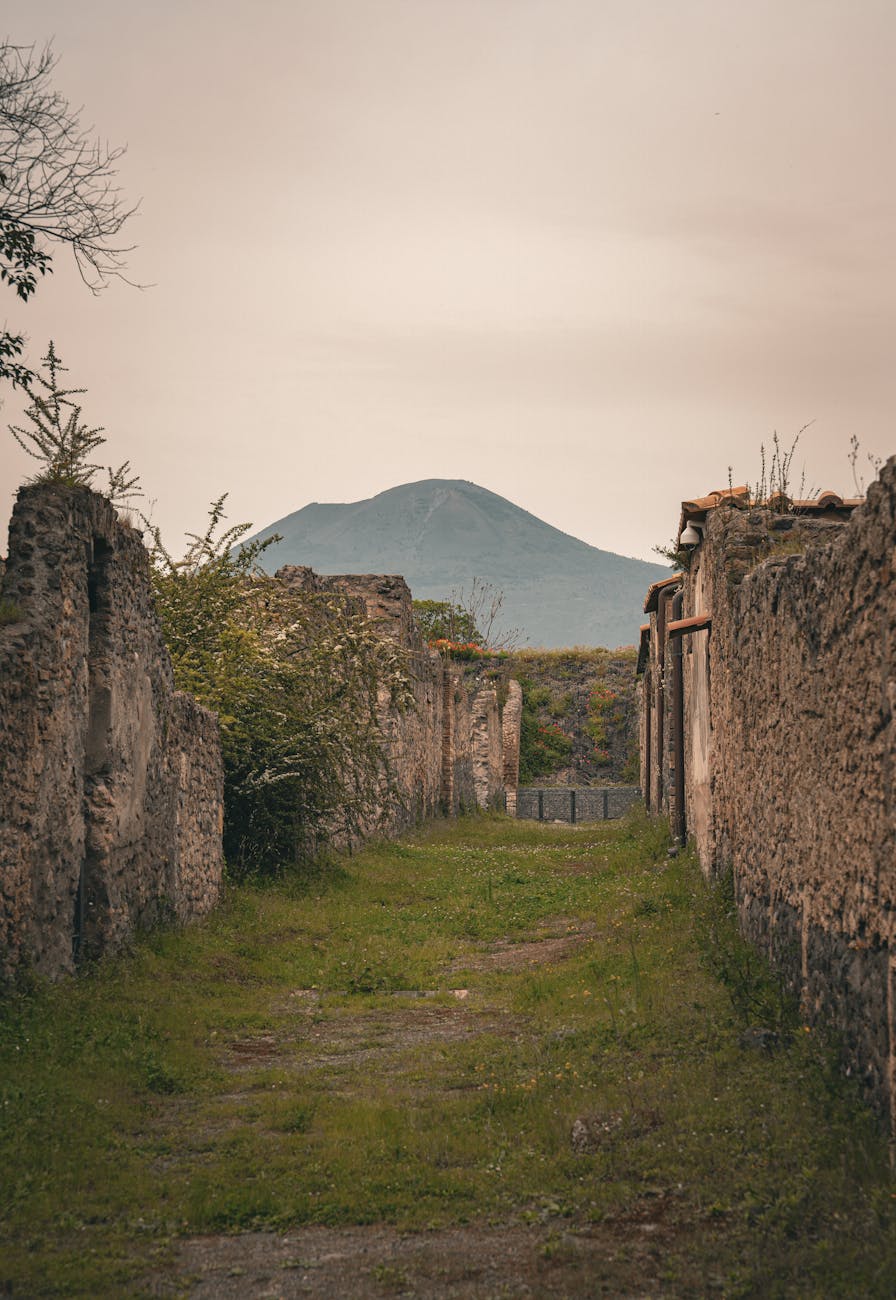
The eruption of Mount Vesuvius in 79 AD is often remembered as the catastrophe that buried Pompeii. But one of the most fascinating parts of the disaster is how the volcano did not erupt in just one way. It repeatedly changed behavior, alternating between a sky-piercing ash column and fast-moving, ground-hugging surges.
That switching pattern helps explain why the destruction was so extreme. For hours, pumice and ash fell from above. Then came the denser, hotter currents that swept across the landscape, collapsing structures, burning, suffocating, and burying entire towns.
Studies of the eruption deposits concluded that the event unfolded in two main styles, alternating six times: a Vesuvian or Plinian phase, followed by a Peléan phase. In simple terms, that means the volcano first blasted material high into the atmosphere in a towering column, then parts of that eruptive system collapsed into lethal flows and surges that raced along the ground.
The towering Plinian column
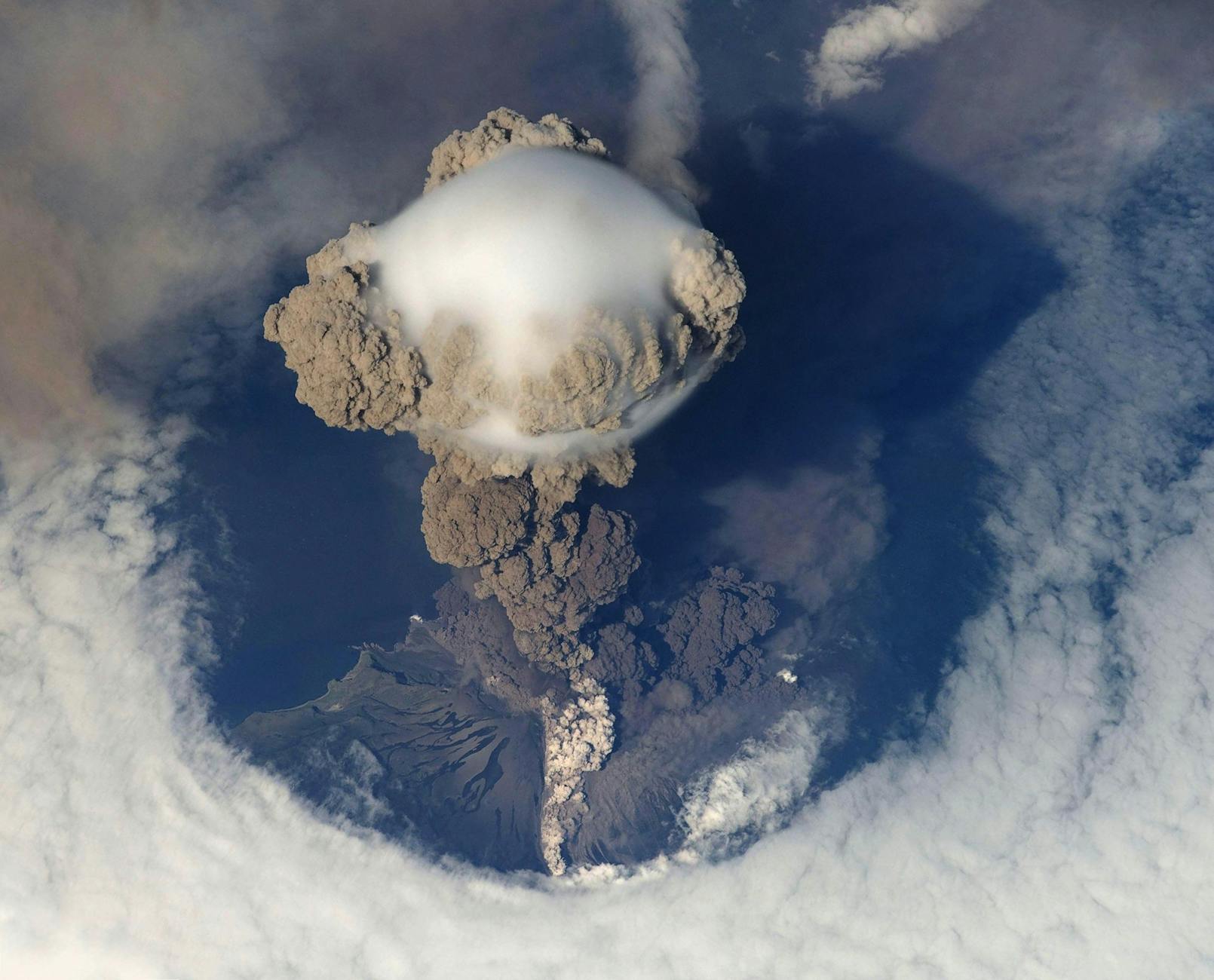
The first major phase was a Plinian eruption. A Plinian column is a huge vertical plume made of volcanic debris, ash, pumice, and hot gases that rises high into the atmosphere. In this case, the column was reconstructed at between 15 and 30 kilometers high, reaching into the stratosphere, and lasted about 18 to 20 hours.
This phase spread pumice and ash across the region. To the south, toward Pompeii, it created a deposit about 2.8 meters deep. That may sound like a passive kind of hazard compared with lava, but ashfall and pumice can be deadly. Roofs can collapse under the weight, escape routes become choked, and visibility drops. During this part of the eruption, an earthquake also caused buildings in Pompeii to collapse.
The eyewitness Pliny the Younger, watching from Misenum across the Bay of Naples, described the cloud as resembling a pine tree: a tall trunk rising upward and spreading at the top into branches. That image became so famous that this whole style of eruption was later associated with his account.
When the eruption changed from column to surge
The disaster did not stop with ash falling from the sky. After the Plinian phase, the eruption shifted into Peléan behavior, producing pyroclastic surges.
A pyroclastic surge is a fast-moving, ground-hugging current of hot gases, ash, and volcanic fragments. Unlike the tall eruption column, which rises upward, these surges spread laterally across the land. They are especially dangerous because they can move quickly, infiltrate built-up areas, and carry temperatures high enough to kill almost instantly.
The study of the ash layers concluded that these Peléan phases alternated with the Vesuvian ones six times. Two pyroclastic surges concentrated to the south and southeast engulfed Pompeii with a layer about 1.8 meters deep, burning and asphyxiating any living beings who had remained behind. Herculaneum, Pompeii, and Oplontis received the brunt of the surges and were buried in fine pyroclastic deposits, pulverized pumice, and lava fragments up to 20 meters deep.
Some of these surges reached as far as Misenum, showing just how extensive the event was.
Why the collapse of the eruption column mattered
Researchers later suggested that the first ashfalls may have come from relatively low-volume explosions in the early morning, before the main spectacle seen from Misenum. As the eruption intensified, the ash-and-gas cloud eventually collapsed. This happened when the gases became denser and could no longer support the solid volcanic material suspended within them.
That collapse is the key transition. Once the vertical column failed, the contents no longer stayed aloft. Instead, they spilled outward as pyroclastic density currents, the family of phenomena that includes surges. These currents are what transformed an already dangerous eruption into a city-destroying event.
The first pyroclastic flow left only a few centimeters of ash above the grey pumice and did not cause major damage. A second brief phase left a thin layer mainly of lava and pumice. But by the early morning of the second day, a rapid-moving, dense, and very hot pyroclastic flow knocked down many walls and incinerated or suffocated the remaining population.
Pompeii’s last hours
Pompeii was not destroyed in a single instant. For much of the first day, ash and pumice were the main threat. That gave some people time to flee. Rescues and escapes took place over several hours while material rained down and roofs began to collapse.
According to the reconstruction based on magnetic studies, the first day included several hours of white pumice fall containing clastic fragments up to 3 centimeters across. Clastic fragments are simply broken pieces of rock. This material heated roof tiles to about 120–140 °C. Researchers considered this period the last opportunity to escape. After that, a second column deposited grey pumice, with larger fragments up to 10 centimeters.
Then, early in the second morning, two major surges struck Pompeii.
The first surge had an emplacement temperature estimated at 180–220 °C, with depositional temperatures ranging from 140–300 °C. In some places upstream and downstream of the flow, temperatures were estimated at 300–360 °C. The second surge was even hotter, with emplacement temperatures estimated at 220–260 °C.
Those numbers matter because they show that surviving inside the city had become nearly impossible. Even where temperatures varied because of interaction with buildings, the gases around Pompeii could still reach incinerating levels. Researchers found that some of the coolest locations were rooms beneath collapsed roofs, where temperatures could be as low as 100 °C, still the boiling point of water.
By the time of the second surge, the city was effectively as hot as the surrounding environment. Structural irregularities that had slightly disrupted the earlier flow were gone, and the urban landscape no longer offered meaningful protection.
Herculaneum and the southward focus of destruction
Herculaneum was affected differently at first because the wind direction spared it from the earliest heavy tephra fall. Tephra is the general name for material blasted out of a volcano, including ash, pumice, and rock fragments. But that did not save the town.
Herculaneum was buried under 23 meters of material deposited by pyroclastic surges. Evidence suggests that most, or all, of the known victims there were killed by the surges, especially given the high temperatures indicated by the skeletons found in arched vaults near the seashore and the carbonized wood preserved in many buildings.
The concentration of victims in the vaults suggests many people had gathered there in hope of escape. Instead, they were caught by the first surge, died of thermal shock, and were partly carbonized by later, hotter surges.
A steam-driven eruption
One reason this eruption was so explosive is that it is considered primarily phreatomagmatic.
Phreatomagmatic means the blast was driven by steam generated when water interacted with magma. In this case, seawater is thought to have seeped into deep-seated faults, which are cracks in Earth’s crust where rocks move. When that water met hot magma, it flashed to steam. Steam expands violently, adding enormous force to the eruption.
This helps explain why the eruption was not simply a matter of molten rock spilling out of the volcano. It was a violent interaction between magma, gases, and water, producing both a giant atmospheric column and devastating surges at ground level.
How scientists reconstructed the switch in behavior
Much of the modern understanding of this pattern comes from stratigraphic and magnetic studies.
Stratigraphy is the study of layers of deposited material. By examining ash layers in excavations and surveys, researchers were able to piece together the sequence of eruptive phases. They found alternating Vesuvian and Peléan stages, showing that the volcano repeatedly switched modes.
Magnetic studies added another layer of insight. Rocks, roof tiles, and plaster can retain magnetic information depending on the temperatures they experienced. By measuring changes in that magnetic signal, researchers estimated the temperatures of different surge deposits in and around Pompeii.
These results suggested that Pompeii was actually a relatively cool spot within a much hotter field because of how the surges interacted with the city’s built environment, referred to as its urban fabric. Even so, the temperatures were still deadly.
Why this eruption became the model for others
The 79 AD disaster gave its name to the Vesuvian type of eruption, characterized by columns of hot gases and ash reaching the stratosphere. Yet the event was not purely one type. It also included pyroclastic flows associated with Peléan eruptions.
That combination is what makes the eruption so compelling and so terrifying. It was not just a towering plume. It was not just ground-hugging surges. It was both, switching back and forth. The first style buried and weakened towns from above. The second finished them at ground level.
That is the real lesson of Vesuvius in 79 AD: one volcano, two destructive styles, repeatedly alternating, and together creating one of history’s most famous disasters.
Sources
Based on information from Eruption of Mount Vesuvius in 79 AD.
More like this
From Plinian columns to pyroclastic surges, history gets wild fast — download DeepSwipe and let your curiosity erupt daily.