Full article · 7 min read
The Arts: Art, Power, and Free Spirits
Art is often treated as something beautiful, moving, or imaginative. But it is also something more disruptive: a way people express judgments, values, and visions of life in public. Across time, the arts have done more than entertain. They have preserved human experience, shaped identities, transmitted ideas, and stirred debate. That is why art so often ends up entangled with politics, authority, and moral argument.
This tension helps explain why artists are sometimes celebrated as visionaries and sometimes attacked as troublemakers. When art responds to public life, power, or social conflict, it can become a force of controversy and change.
Why art and politics keep colliding
The arts include visual arts, literature, and performing arts, and each of these can carry political and social meaning. A painting can symbolize a cause. A poem can mock authority. A performance can dramatize injustice. Because art communicates ideas, impressions, and judgments, it naturally enters public life.
There is a strong relationship between the arts and politics, especially between art and power. This connection appears across history and archaeological cultures. As the arts respond to news and politics, they take on political as well as social dimensions. That can make them a focus of controversy, but also a force for political and social change.
This is one reason art is hard to pin down. The arts are continually being redefined, and their boundaries can shift through experimentation, self-criticism, and changing conditions of production and reception. What one era sees as improper, threatening, or not even art at all may later be admired or accepted.
The artist as a “free spirit”
Some artists have been described as free spirits because they resist official expectations and speak with unusual independence. In this context, a free spirit is someone whose creative work does not obediently follow political authority, social convention, or institutional pressure.
A famous example is Alexander Pushkin, a well-regarded writer who irritated Russian officialdom, including Emperor Alexander I. He was criticized because, rather than serving the state in a conventional way and praising accepted virtues, he wrote verse that was described as arrogant, independent, and wicked. What made it seem dangerous was not only its ideas, but also its novelty, audacity, and willingness to make fun of tyrants.
That portrait captures an enduring fear about art: not simply that it says something, but that it says it vividly, memorably, and in a form people want to repeat.
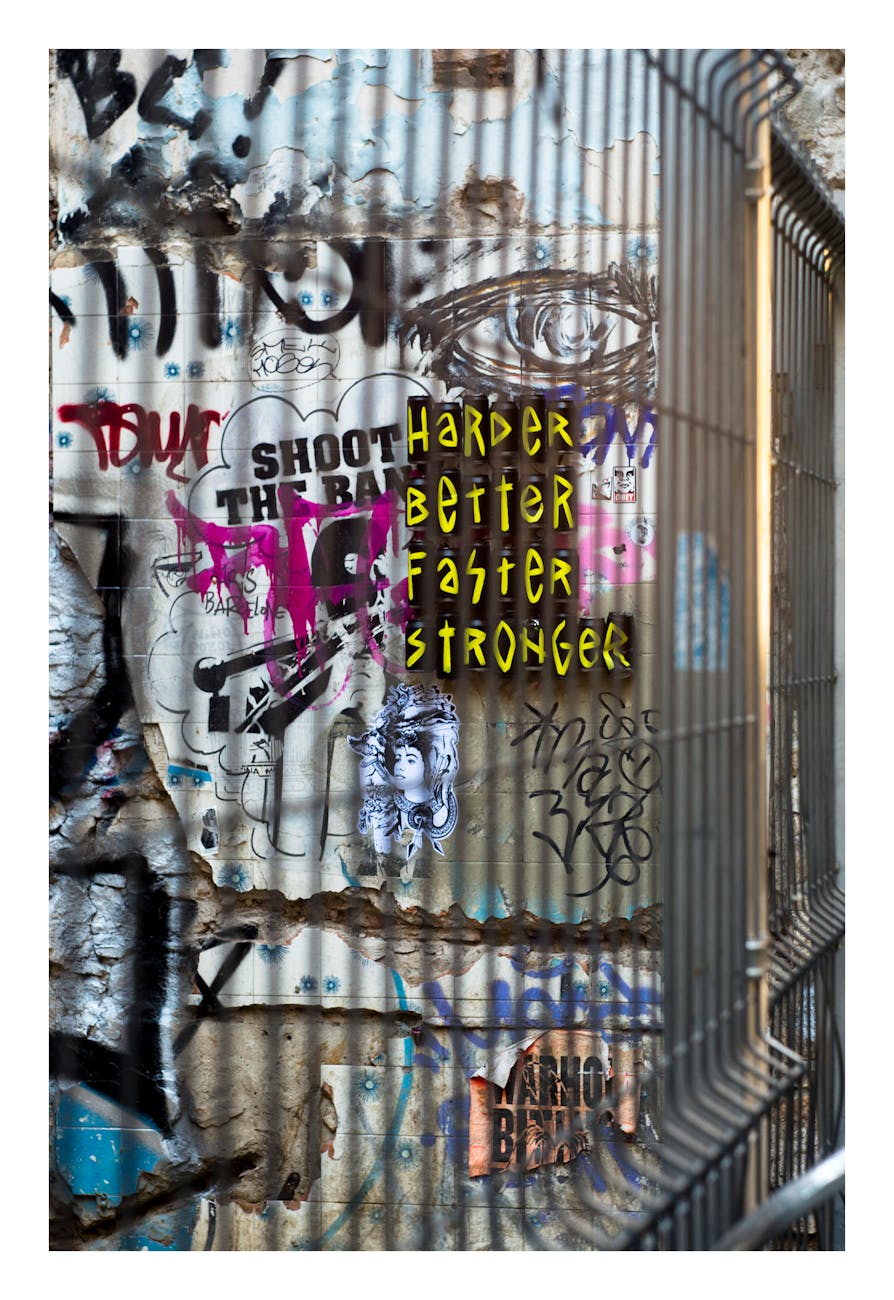
In more recent times, Banksy, an England-based graffiti artist, has also been seen as a free spirit because of constant conflict with the authorities. Banksy represents a different artistic medium and public setting, but the pattern is familiar. Art placed in public space, outside traditional institutions, can directly challenge rules about property, power, and who gets to speak.
Literature, street art, and the many forms of dissent
Political art does not belong to one branch of the arts. Literature can do it through fiction, drama, poetry, or prose. Visual art can do it through painting, photography, drawing, or graffiti-related practices. Performing arts can do it through theatre, music, dance, or hybrid forms that combine multiple media.
The medium matters because each form reaches people differently. Literature can sharpen ideas through language. Visual art can condense a message into an image or symbol. Performing arts can make political feeling immediate by placing bodies, voices, and movement in front of an audience over time.
The arts also often overlap. Some works are multidisciplinary, combining text, sound, movement, costume, image, and staging into a single experience. This blending can intensify a political message by using several artistic channels at once.
Artivism and propaganda: tools on both sides
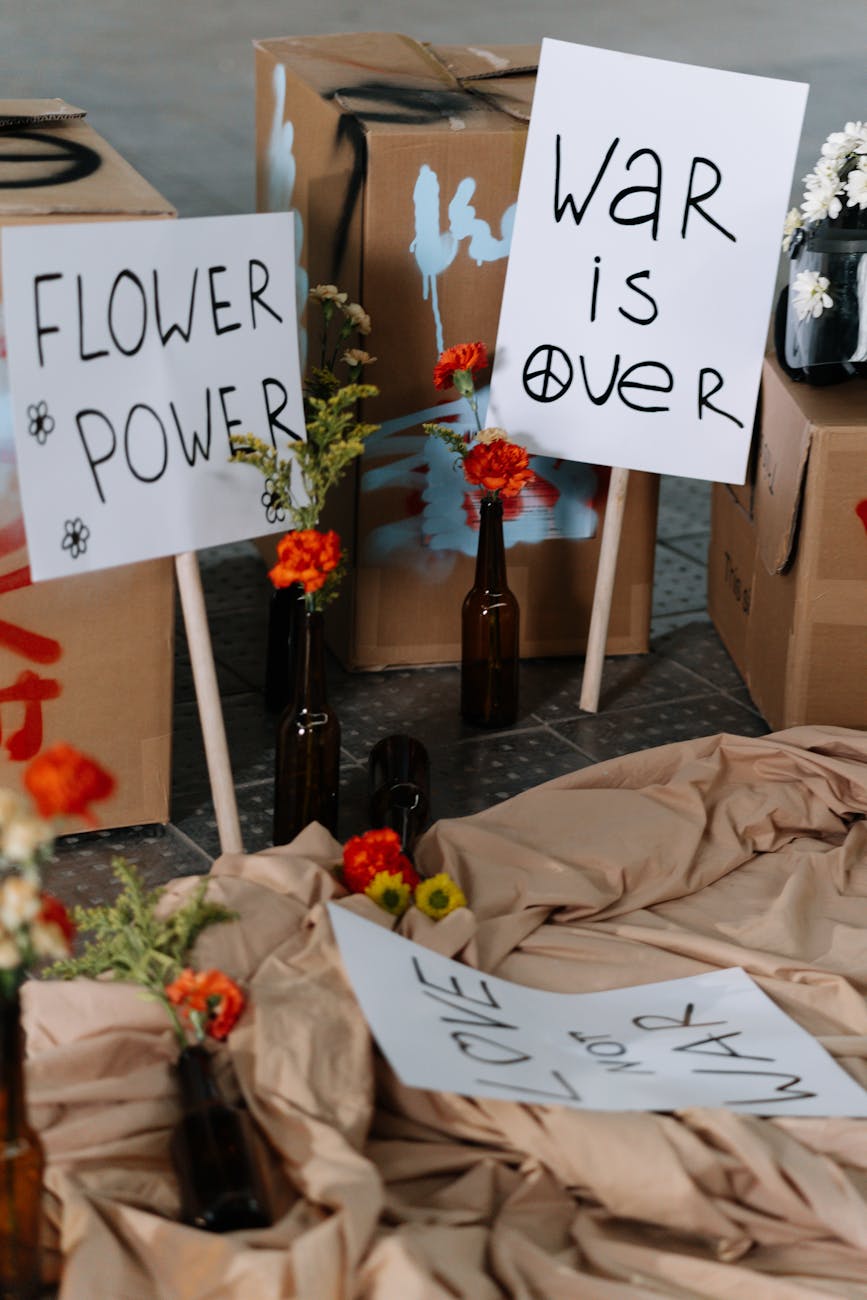
When people talk about politically engaged art today, they often use the word artivism. The term refers to art used as activism: creative work aimed at influencing public attitudes or encouraging social change. It is one of the clearest examples of art being used positively to promote a cause.
But art can also be used in more troubling ways. Artists can use their work to express political views that negatively influence others through hate speech. On the other side, governments may use art as propaganda to promote their own agendas.
Propaganda is messaging designed to shape opinion in support of a political goal. In artistic contexts, that can mean using images, performances, writing, or other creative forms to persuade people toward a specific official viewpoint. This is where the struggle over art becomes especially visible: artists may try to challenge power, while power tries to recruit art for itself.
That makes the arts a contested space. The same broad human capacity for creativity and expression can be used to question authority, rally communities, glorify institutions, or provoke division.
Why art becomes controversial
Art often generates strong reactions because it deals not only in information, but in emotion, symbolism, and values. It can embody a worldview rather than merely describe one. Since the arts help transmit ideas, judgments, spiritual meanings, and patterns of life across time and space, disagreements about art are often really disagreements about society itself.
This helps explain why criticism of art can be so intense. Art criticism is the discussion or evaluation of art, often in relation to aesthetics, or ideas about beauty. But criticism does not happen in a vacuum. It can be shaped by social and political conditions, and judgments can change over time.
Critics have sometimes dismissed artists who were later celebrated. Early Impressionists, for example, were once ridiculed before later becoming venerated. Even the names of some art movements began as insults from critics before being adopted by artists themselves, as happened with Impressionism and Cubism. That history is a reminder that public outrage or official disapproval does not settle the value of an artwork.
The moral debate: is art exempt?
Political arguments about art often spill into moral ones. Moral issues affect the arts, and the arts affect discussions of moral issues. People may ask whether artistic freedom should have limits, whether certain subjects or messages are harmful, or whether beauty and skill can excuse objectionable content.
One clear statement in this debate came from the Catholic Church, which declared in 1963 that the arts are “not exempt” from “the absolute primacy of the objective moral order.” In simple terms, that means art is not automatically beyond moral judgment just because it is art.
This position keeps an old argument alive. Should art be judged mainly by creativity and expression, or must it always answer to moral standards outside itself? The fact that this debate persists shows how seriously societies take the power of artistic expression.
More than entertainment
The arts are sometimes described as ends in themselves, but they are also a way humans respond to the world. They cultivate attention and sensitivity while also transforming what people consider worthwhile goals and pursuits. From prehistoric cave paintings to modern films, the arts have registered changing relationships between humans and the world around them.
That larger role is what gives political art its force. Art is not just decoration attached to society from the outside. It is one of the ways societies imagine themselves, argue with themselves, and try to change themselves.
So when artists provoke authorities, when governments reach for propaganda, or when moral institutions draw lines around acceptable expression, they are all reacting to the same thing: the unusual power of the arts to move ideas through culture.
The debate will not end
As long as art helps shape social, cultural, and individual identity, it will remain tied to power. Some creators will praise, some will protest, and some will pressure the public to see the world differently. Authorities will sometimes reward that energy and sometimes fear it.
That is part of what makes the arts so enduring. They are not fixed, silent objects sitting safely outside life. They are active forms of expression that can preserve memory, challenge norms, and ignite conflict. In that sense, the free spirit is not an exception to art. It is one of art’s most recognizable possibilities.
Sources
Based on information from The arts.
More like this
Got a taste for rebellious ideas and culture clashes? Download DeepSwipe and let your curiosity run as free as the arts.