Full article · 6 min read
Mobile Homes Around the World
A home does not always sit on a fixed foundation. Around the world, people have long lived in homes that can move, float, or be set up again in a new place. These dwellings challenge the idea that a home must be a permanent building in one spot. In many cases, what makes a home feel like home is not whether it stays put, but whether it provides shelter, routine, and a place for everyday life.
Homes are spaces where people sleep, prepare food, eat, clean themselves, work, study, and relax. That basic idea can fit many forms. Some homes are static, like a house or apartment. Others are mobile, such as mobile homes, houseboats, and yurts. Even when these homes are transient, meaning able to move from place to place, they can still serve as permanent or semi-permanent residences.
What makes a mobile home a home?
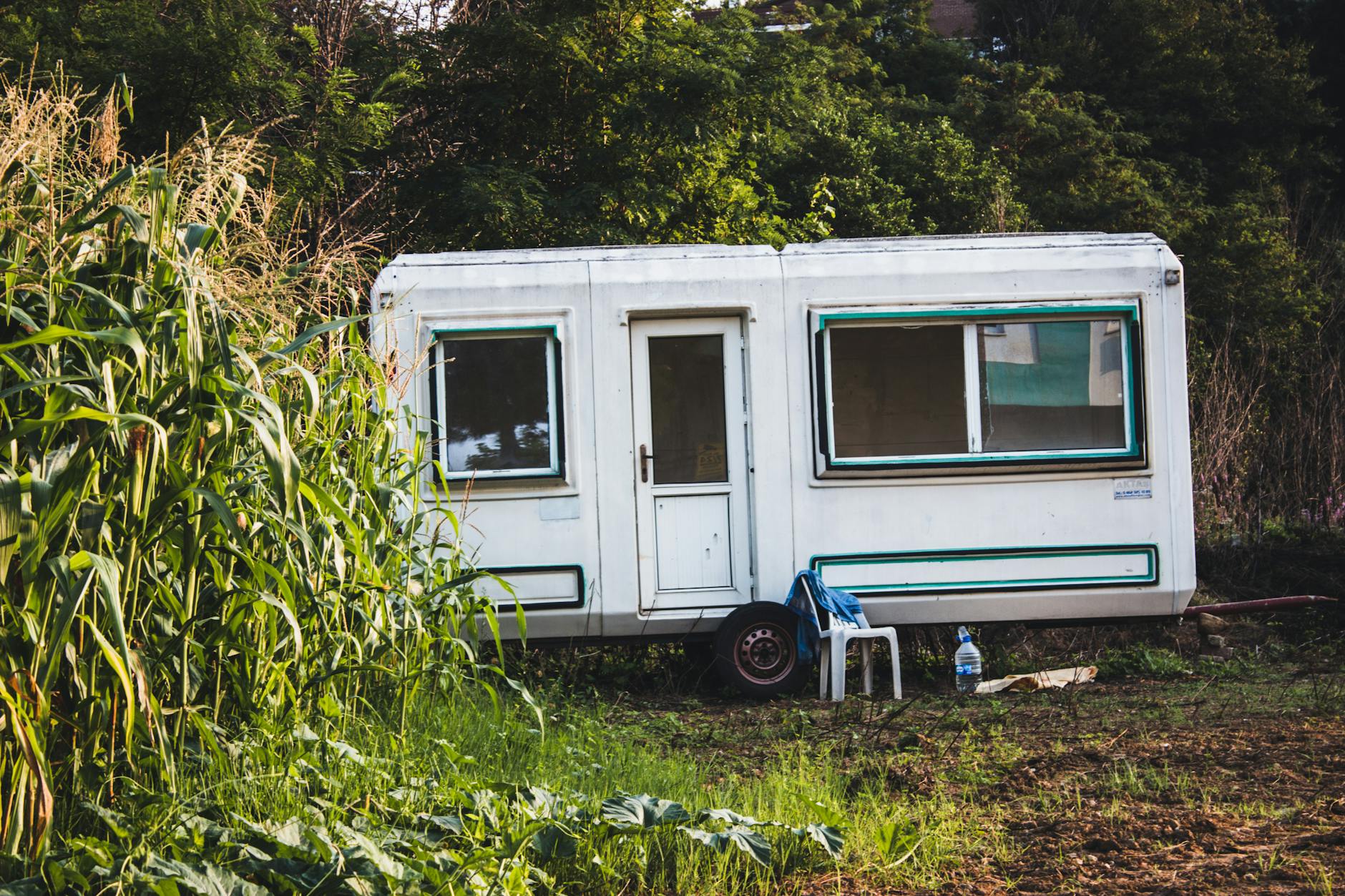
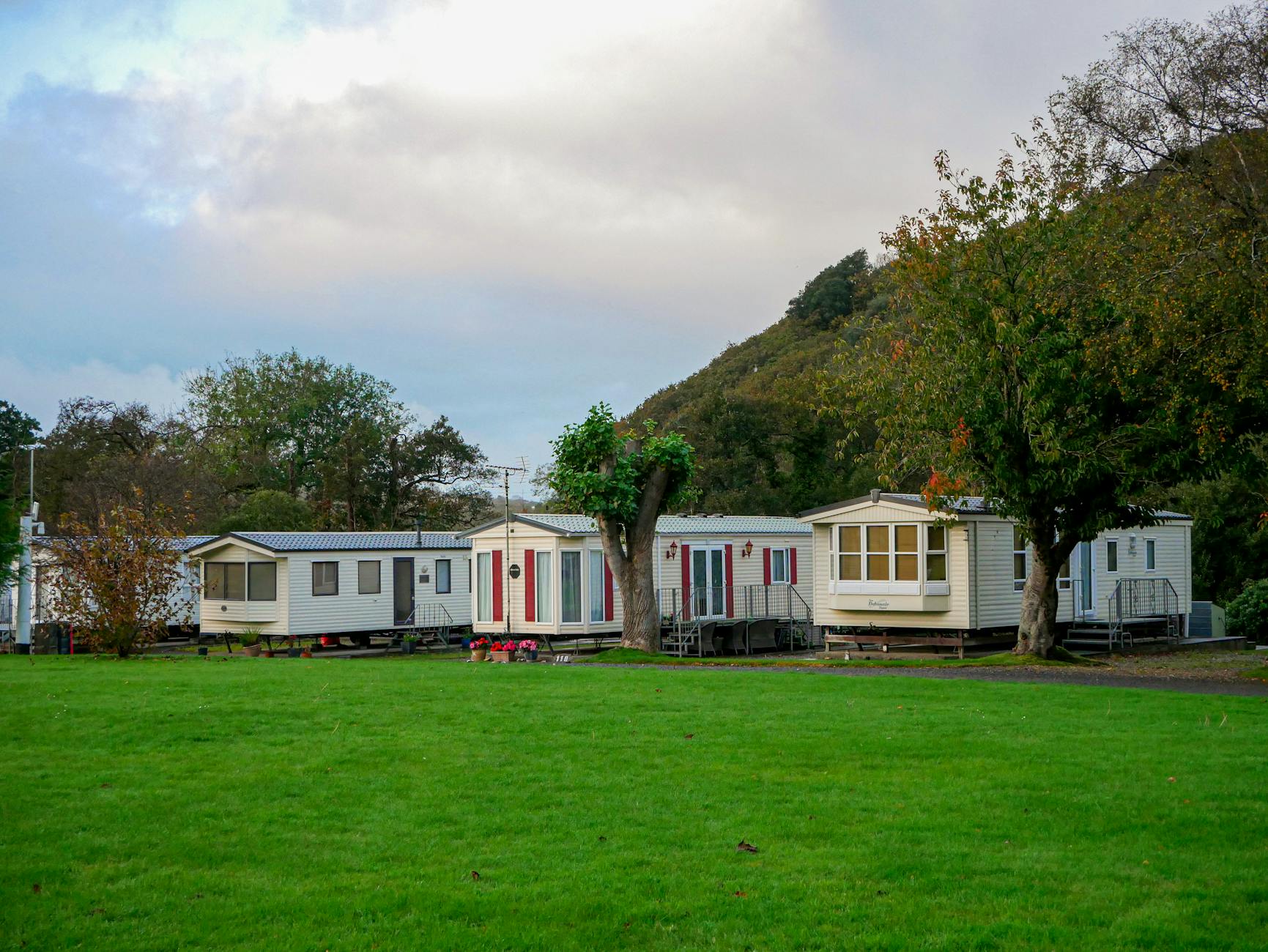
A mobile home, also called a house trailer, park home, trailer, or trailer home, is a prefabricated structure. That means it is built in a factory rather than fully constructed on the site where it will be used. It is made on a permanently attached chassis, the base frame that supports the structure and allows it to be transported.
After construction, the mobile home is taken to a site either by being towed or carried on a trailer. Once there, it may be used as a permanent home, a temporary residence, or holiday accommodation. Many mobile homes remain in one place for a long time and may seem almost completely settled. Even so, they still retain the possibility of movement, and in some situations they may be required to move for legal reasons.
This creates an interesting balance between stability and mobility. A mobile home is designed to travel, yet it may anchor a person’s daily life for years. That contrast helps show why the idea of home is bigger than a building type. A home can be rooted in habit, familiarity, and personal meaning even when the structure itself was made to move.
Living on water: the houseboat
A houseboat takes the idea of a home in motion even further. It is a boat designed or modified primarily to be used as a home. Some houseboats are motorized and capable of moving under their own power, while others are not motorized at all.
Many non-motorized houseboats are usually moored, meaning kept stationary at a fixed point. They are often tethered to land so they can access utilities. In practice, this can make them feel much like homes on shore, even though they rest on water rather than land.
In Western countries, houseboats are often privately owned or rented to holiday-goers. But they are not only for short stays or scenic vacations. In some canals in Europe, people live in houseboats all year round. Cities associated with this way of life include Amsterdam, London, and Paris.
That year-round use is a reminder that a floating dwelling can be more than an unusual lifestyle choice. It can be an ordinary home where the rhythms of domestic life continue just as they do elsewhere: sleeping, eating, working, and spending leisure time. The setting may be unusual, but the function is familiar.
The language around floating homes also reflects regional variety. A float house is a Canadian and American term for a house on a float, or raft. A rougher version may be called a shanty boat. These names hint at how broad the category of water-based homes can be, from simple structures to more established residences.
The yurt: a portable home with deep roots
One of the most striking examples of a moveable home is the traditional yurt, also known as a ger. This is a portable round tent covered with skins or felt and used as a dwelling by several nomadic groups in the steppes of Central Asia.
Nomadic groups are communities that move from place to place rather than living permanently in one location. For people with this way of life, a home needs to be more than shelter. It must also be practical to transport, assemble, and use again. The yurt meets that need through a design that is both portable and structurally effective.
Its framework includes an angled assembly or latticework of wood or bamboo forming the walls, along with a door frame, ribs or rafters that shape the roof, and a wheel-like crown or compression ring at the top. In self-supporting yurts, the top of the wall is prevented from spreading outward by a tension band, which resists the force created by the roof ribs.
This description may sound technical, but the idea is simple: the yurt uses a clever frame to create a stable enclosed space that can still be taken apart and moved. Large yurts may also include interior posts to support the crown. Modern yurts sometimes adapt the old form with newer materials, such as metal framing, canvas or tarpaulin covers, plexiglass domes, wire rope, or radiant insulation. Some are even built permanently on wooden platforms.
That mix of portability and comfort helps explain why yurts remain such a powerful image of mobile living. They show that a home can travel with its residents without losing its identity as a full dwelling.
Home beyond fixed walls
Mobile homes, houseboats, and yurts all illustrate a broader truth: the boundaries of home do not have to be fixed. The concept of home has multiple interpretations, shaped by history, identity, and experience. It is often connected to emotions and meaning as much as to a specific structure.
This is why mobile forms of dwelling matter. They reveal that home is not defined only by concrete foundations or permanent addresses. A prefabricated structure on a chassis, a boat moored along a canal, or a round tent on the Central Asian steppes can all function as true homes.
Scholars have argued that many abodes are vernacular, meaning they are built in accordance with the needs of the people who live in them. Mobile dwellings fit that idea well. They are not simply unusual alternatives to standard housing. They are practical responses to particular ways of living.
A houseboat suits life on waterways. A yurt suits movement across the steppes. A mobile home offers a dwelling that can be transported and then left in place for extended periods. In each case, the form of the home reflects the life of its residents.
Why mobile homes change how we think about home
The idea of home is often tied to permanence, privacy, and familiarity. But mobile dwellings show that permanence can be emotional or social rather than architectural. A home may stay meaningful even if it can be moved, towed, or floated.
That matters because home is often associated with belonging. People may connect home not just with a building, but with memory, routine, and identity. A moveable structure can still provide those things. In that sense, mobility does not cancel out the feeling of home. It simply gives it a different form.
From factory-built mobile homes to year-round life on houseboats to portable yurts carried by nomadic groups, the world offers many examples of dwellings that blur the line between temporary and permanent. They remind us that home is not always where the foundations are deepest. Sometimes it is where life is most fully lived.
Sources
Based on information from Home.
More like this
Take your curiosity on the move like a yurt, houseboat, or mobile home — download DeepSwipe and make learning your portable home.