Full article · 7 min read
Human Settlement Abandonment: When a Town Empties Out but Doesn’t Vanish
A settlement does not need to be erased from the map to feel lost. In many cases, the roads, buildings, and boundaries remain long after the people have gone. That is what makes abandoned settlements so fascinating: they sit in the strange space between presence and absence.
A settlement is broadly a community of people living in a particular place. It can be tiny, like a homestead or hamlet, or massive, like a city with surrounding urbanized areas. Settlements usually include more than homes alone. They can contain roads, enclosures, field systems, boundary banks and ditches, ponds, parks, woodlands, windmills, watermills, manor houses, moats, and churches. When a settlement is abandoned, many of these features may still survive, turning the place into a visible record of former daily life.
What is an abandoned settlement?
An abandoned settlement is a place where the community has effectively stopped functioning, even if the physical setting still exists. Houses may stand. Streets may still be walkable. Public buildings may remain identifiable. Yet the normal rhythms of life are gone.
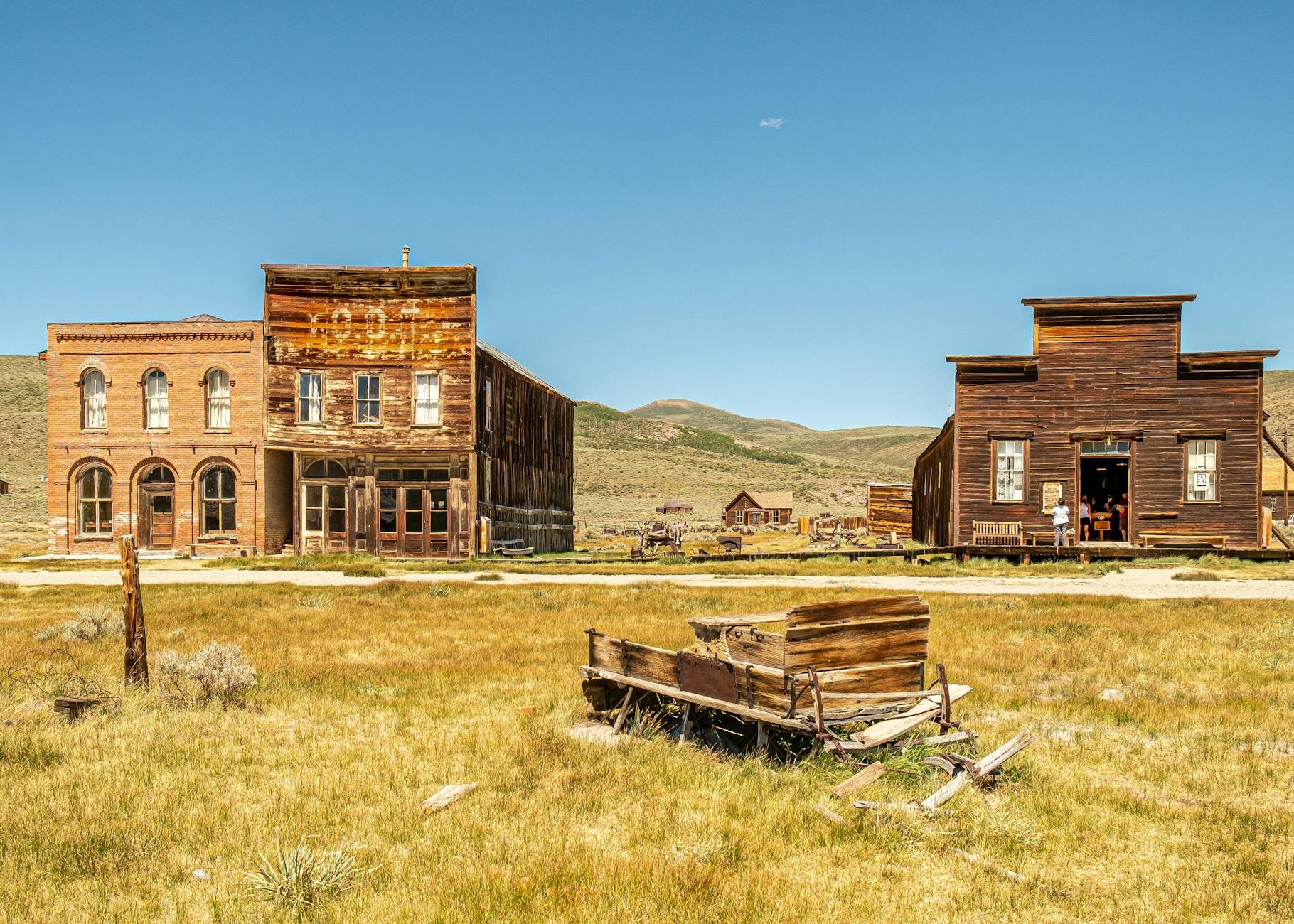
This is why the idea of a ghost town is so compelling. In some cases, structures are still easily accessible, and the site may even become a tourist attraction. The emptiness itself becomes part of the appeal. Visitors can move through streets and buildings that once had regular human activity, but now feel frozen in time.
At the same time, the label is not always straightforward. Some places that look like ghost towns may still be classified as populated places by government entities. That means a settlement can appear abandoned while still being officially recognized as inhabited.
Why settlements are abandoned
Settlements can be abandoned for very different reasons, and those reasons reveal how strongly human communities depend on stability.
One major cause is economic failure. A town may exist because of a particular activity that supports jobs, trade, and everyday life. When that activity collapses, people may leave in large numbers. The buildings remain, but the reason for staying disappears.
Government action can also bring about abandonment. One example is the building of a dam that floods a town. In that case, abandonment is not simply a slow decline. It can be the result of a deliberate decision that makes continued habitation impossible.
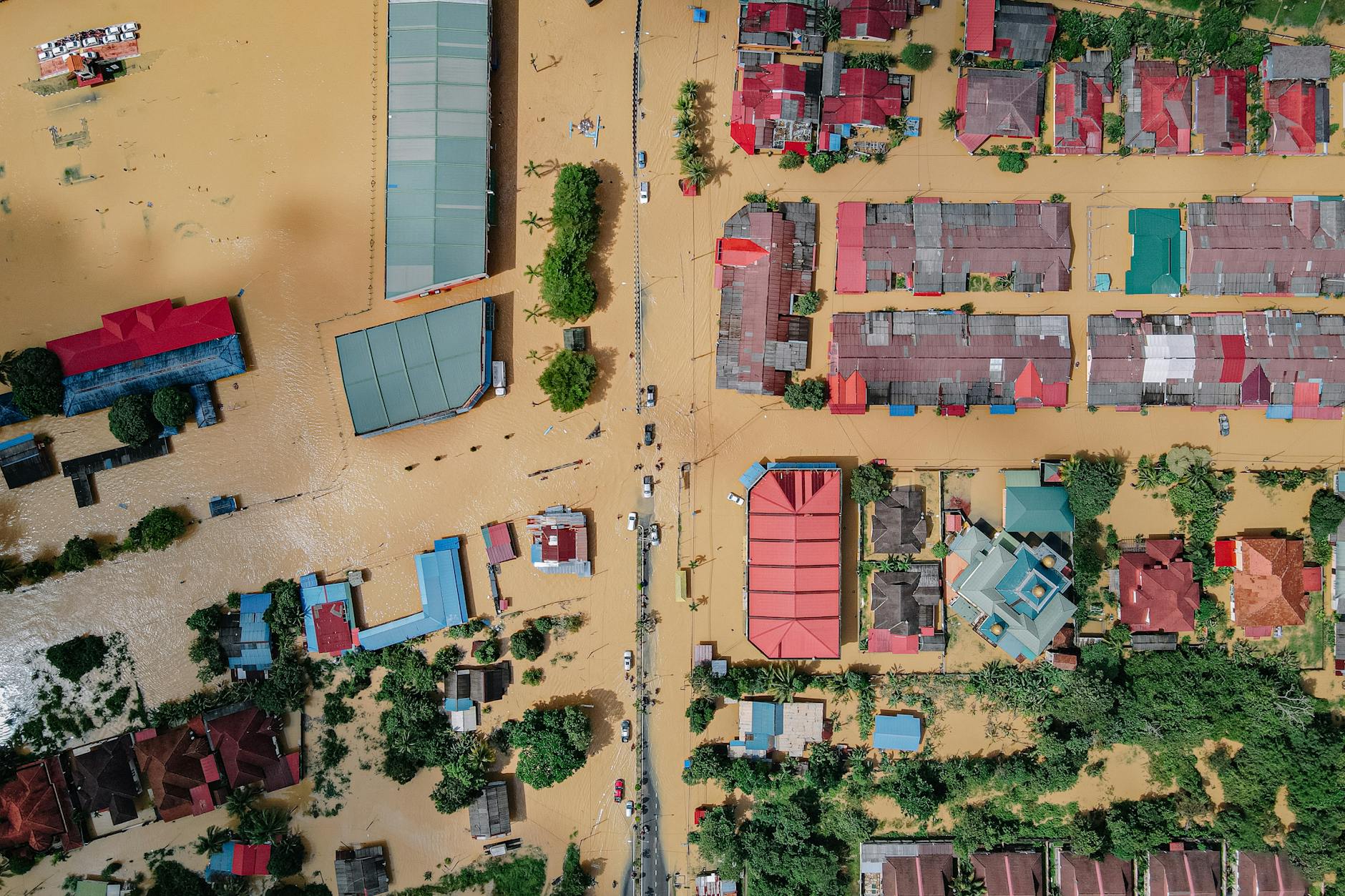
Disasters are another cause. Floods can force people out, and the settlement may never recover. Human-caused disorder can have the same effect. Uncontrolled lawlessness can make a place too dangerous to sustain normal life. War is another powerful driver of abandonment, capable of breaking communities apart and leaving once-settled places empty.
These causes may sound very different, but they all do the same basic thing: they interrupt the conditions that allow a settlement to function as a living community.
A town can look dead without being fully empty
One of the most interesting things about settlement abandonment is that it is not always absolute. The term ghost town is sometimes used not only for fully uninhabited places, but also for cities, towns, or neighborhoods that are still populated, just far less than in earlier years.
That creates a gray area between a thriving settlement and a completely abandoned one. A place may lose most of its people, services, and energy, while a small number of residents remain. To an outsider, it might look deserted. Officially, however, it may still count as a populated place.
This matters because the idea of abandonment is not only about buildings. It is also about how institutions define a place. In the United States, for example, official systems distinguish between different kinds of human settlement records. A populated place can refer to a place with clustered or scattered buildings and a permanent human population, and it is usually not incorporated and has no legal boundaries by definition. But that perceived place may not perfectly match a civil or census boundary. In practice, a place can seem abandoned in one sense while still existing in another administrative or statistical sense.
Why abandoned places matter to archaeology and history
Abandoned settlements are not just eerie landmarks. They are also valuable sources of historical evidence. The abandonment of a place can leave behind relics that are useful for archaeological study.
Because settlements often include so many built features, an abandoned site can preserve clues about how people organized space, moved through their environment, defended land, worked fields, and structured community life. Roads and enclosures can show patterns of movement and land use. Ditches, ponds, and boundary banks can reveal older systems of planning and control. Religious or elite structures such as churches, moats, and manor houses can hint at social hierarchy.
In this way, an abandoned settlement can become a kind of landscape archive. Even when the people are gone, the arrangement of the place may still tell a story.
Settlements are more than houses
To understand abandonment, it helps to understand what a settlement really is. It is not just a collection of dwellings. A settlement conventionally includes many constructed facilities and landscape features tied to human life and work.
That means abandonment can happen at multiple levels. A few residents leaving a few houses is not the same thing as a settlement losing its roads, institutions, and active economic purpose. A town may still have intact structures, but if its social and practical systems have stopped operating, the place has changed fundamentally.
This broader view also explains why abandoned settlements can still be so visually rich. Even without population, they may retain a full physical footprint. The remains of buildings and infrastructure keep the shape of the former community visible.
The blurry boundary between map, record, and reality
Modern geographic systems add another layer to the story. Databases sourced by organizations such as the National Geospatial-Intelligence Agency and GeoNames use the designation “abandoned populated places.” That wording is revealing. It recognizes that a place can belong to the category of human settlement while no longer functioning as an active one.
In geography and statistics, settlements are often defined in technical ways. A settlement may be described as a city, town, village, or other agglomeration of buildings where people live and work. An agglomeration simply means a clustered grouping, in this case of buildings and human activity. But once most or all people leave, the built cluster can remain even as the life that formed it fades away.
This helps explain the odd feeling of abandoned places. They still look like settlements because, physically, they are. What is missing is the ongoing human presence that once made them fully alive.
Why ghost towns keep attracting people
There is a reason abandoned settlements continue to capture public imagination. They make change visible. Instead of history being hidden in documents or memory, it stands in front of you as streets, walls, and empty structures.
A ghost town can be a tourist attraction not despite its emptiness, but because of it. Visitors are drawn to places where the physical remains are still accessible and where daily life seems to have stopped in place. The settlement becomes a powerful reminder that communities are not permanent simply because they are built.
It also challenges the idea that places neatly fit into categories like alive or dead, occupied or empty. Some are fully abandoned. Some only look that way. Some are still populated, just far less than before. The result is a spectrum of decline rather than a single clean endpoint.
The afterlife of a settlement
When a town loses its people, it does not instantly lose its identity. It may remain on maps, in databases, in legal records, in memory, and in the landscape itself. Its built features can outlast the economy that sustained it, the political system that governed it, or the disaster that emptied it.
That is what makes human settlement abandonment so striking. A town can die without disappearing. Its streets may still guide footsteps. Its structures may still shape the horizon. And even in silence, it continues to tell a story about how people once lived, worked, gathered, and then left.
Sources
Based on information from Human settlement.
More like this
Don’t let your curiosity become a ghost town — download DeepSwipe and keep your mind fully populated.