Full article · 6 min read
Prehistoric Homes: When Human Shelter Began
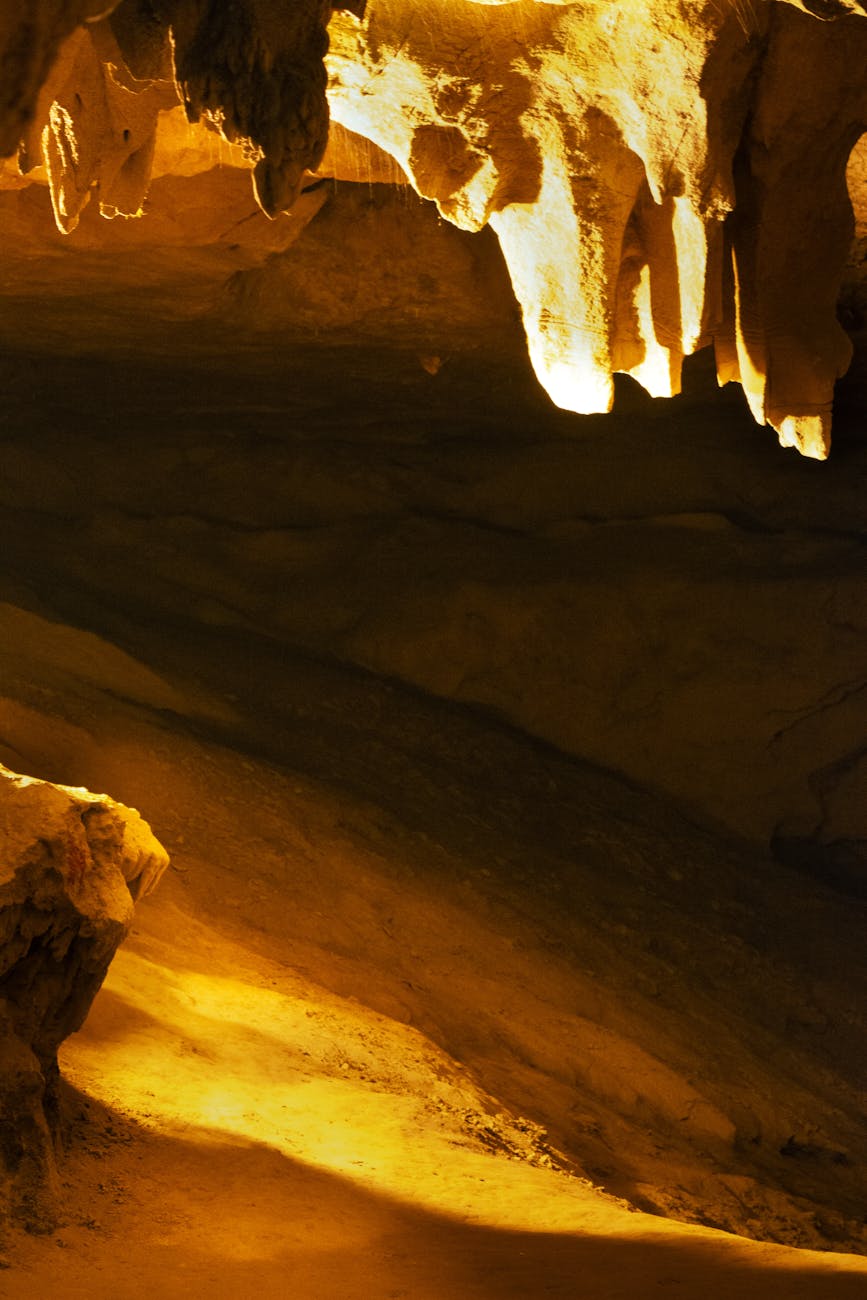
Before houses, apartments, and cities, there was a much simpler idea of home: a place that offered shelter. In the prehistoric world, that often meant using what nature had already provided. The earliest human homes were likely caves and other natural features, used as permanent or semi-permanent places to live, rest, and carry out everyday life.
A home is more than just a building. It is a space where people sleep, prepare food, eat, and seek safety. In prehistoric times, that basic need for shelter shaped the earliest chapters of human life. Long before humans built walls and roofs for themselves, they found protection in the landscape around them.
The First Human Homes Were Natural Shelters
The earliest evidence suggests that human species were living in caves from at least one million years ago. These were not modern humans alone, but a range of early human groups. Evidence of cave habitation has been found for Homo erectus in China at Zhoukoudian, Homo rhodesiensis in South Africa at the Cave of Hearths in Makapansgat, Homo neanderthalensis and Homo heidelbergensis in Europe at the Archaeological Site of Atapuerca, Homo floresiensis in Indonesia, and the Denisovans in southern Siberia.
That makes caves one of the oldest known kinds of home in human history.
A cave offered obvious advantages. It could provide a sheltered interior, protection from weather, and a defensible place to stay. In a world without constructed homes, naturally occurring spaces were a practical answer to one of humanity’s most basic needs.
Sea Caves and a Turning Point in Human Life
In southern Africa, early modern humans regularly used sea caves as shelter beginning around 180,000 years ago. This is especially striking because it coincided with people learning to exploit the sea for the first time. In simple terms, exploiting the sea means making regular use of marine resources, drawing food and other essentials from coastal environments.
The oldest known site connected with this pattern is PP13B at Pinnacle Point.
This coastal use of caves may have had huge consequences. It may have helped enable the rapid expansion of humans out of Africa and the colonization of distant parts of the world, including Australia by 60–50,000 years ago. In that sense, prehistoric homes were not just passive shelters. They may have played a role in one of the biggest movements in human history.
Caves Were More Than Places to Sleep
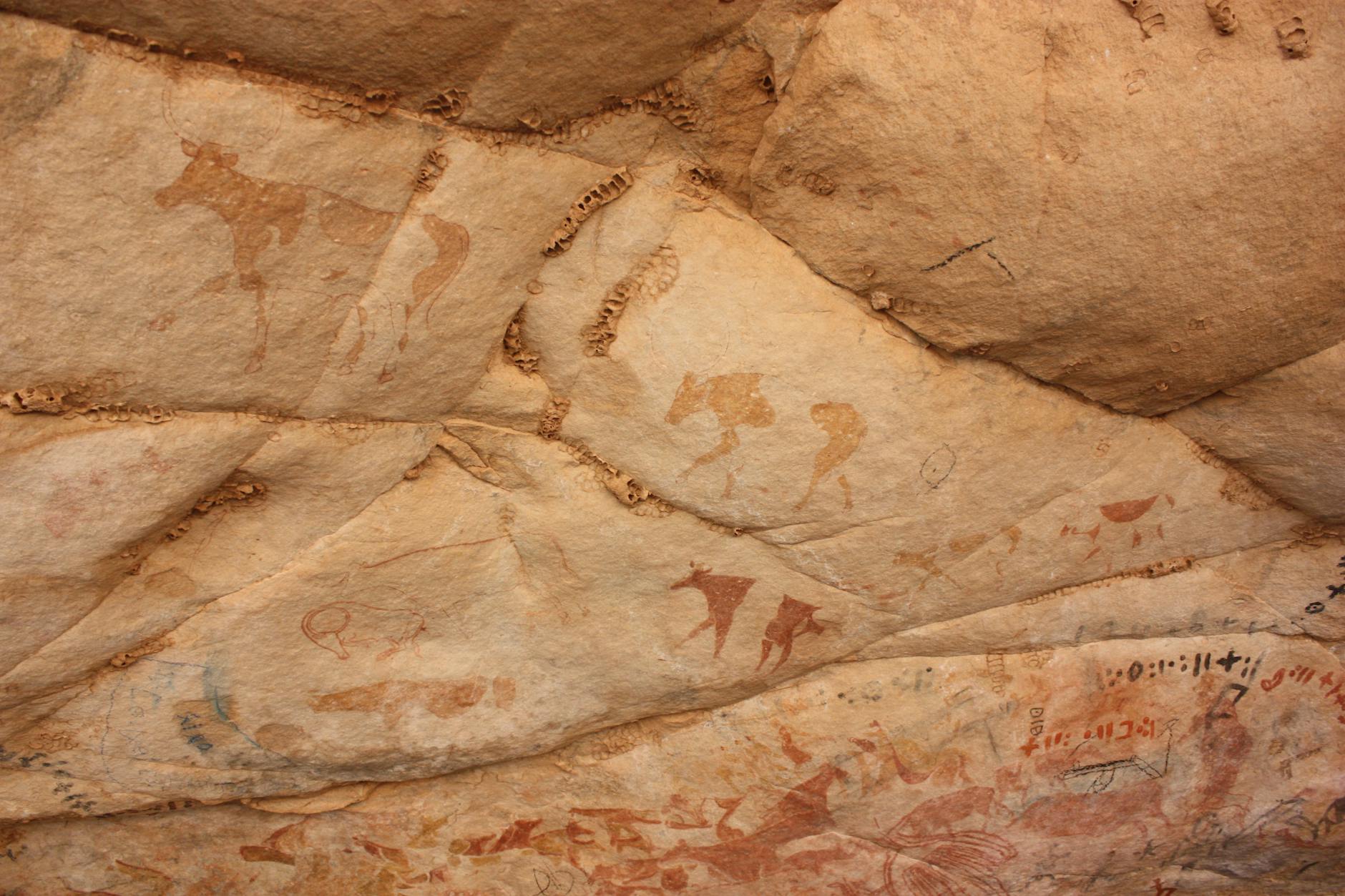
It is easy to picture a cave as nothing more than a prehistoric refuge from wind and rain, but caves served many purposes. Early modern humans in southern Africa, Australia, and Europe used caves and rock shelters as places for rock art. A rock shelter is a shallow natural overhang or protected rock space, less enclosed than a cave but still useful as a dwelling or gathering place.
Rock art shows that these spaces could be cultural spaces as well as practical ones. They were not only used for sleeping or hiding from the elements. They also became places of expression.
Other caves took on very different meanings. Some were used for burials, such as rock-cut tombs. Others became religious sites. Among the known sacred caves are the Cave of a Thousand Buddhas in China and the sacred caves of Crete. This reveals something important about the idea of home and shelter in prehistory and beyond: a sheltered place could carry emotional, ritual, and social meaning, not just physical protection.
Borrowed Shelter Before Built Shelter
The story of prehistoric homes is really the story of transition. At first, humans relied on borrowed shelter: spaces created by geology and time rather than by human hands. Caves were the classic example. But eventually, that changed.
As technology progressed, humans and other hominids began constructing their own dwellings. A hominid is a member of the human family line, including humans and related extinct groups. This shift matters because it marks the moment when home stopped being something people merely found and became something they could make.
Buildings such as huts and longhouses have been used for living since the late Neolithic. A hut is a simple, small dwelling, while a longhouse is a longer shared building designed to house people within one extended structure. These early built homes represent a major leap in human control over living space.
Why This Shift Was So Important
When humans moved from caves to built dwellings, they gained more freedom over how home could function. Natural shelters are limited by geography. You can only live in a cave if there is a cave where you need one. Constructed homes changed that. They allowed people to shape their environment more directly.
This also connects to the broader meaning of home. A home is not only a roof over one’s head. It is a space for domestic life, for work, rest, food preparation, and social activity. Even in its earliest forms, home was tied to how humans organized daily existence.
Prehistoric homes therefore sit at the intersection of survival and identity. They were practical shelters, but they also laid the foundation for everything that came later: the house, the household, and the emotional meaning people attach to where they live.
The Deep Human Connection to Dwelling
The bond between humans and dwelling has been described as profound. Home is often close to the heart of the person who inhabits it, and the sense of home commonly centers on a dwelling place. That may help explain why the history of prehistoric shelter is so fascinating. These earliest homes were not just background scenery. They were part of the development of human behavior, movement, and meaning.
Even today, the idea of home extends beyond a building. It can include memory, belonging, identity, and attachment to place. Prehistoric caves remind us that this relationship is ancient. Before home became architecture, it was already experience.
From Cave Mouth to Front Door
Looking back at prehistoric homes offers a humbling perspective. The earliest members of the human story found shelter in caves at least one million years ago. Early modern humans used sea caves in southern Africa around 180,000 years ago, a development that may have supported wider human expansion. Caves later became places for art, burial, and religion. Then, as technology advanced, humans began building huts and longhouses of their own.
That journey traces one of the biggest transformations in human life: from finding shelter to creating it.
The next time home feels ordinary, it is worth remembering how old the search for shelter really is. Our first homes were carved by nature, claimed by need, and slowly transformed by imagination into something made by human hands.
Sources
Based on information from Home.
More like this
From caves to curiosity, humans have always looked for shelter — give your mind a new one with DeepSwipe. Download the app and explore knowledge daily.