Full article · 7 min read
How the Internet Reshaped Music
The internet did not just give people a new way to hear songs. It changed who gets to participate in music at all. What was once largely controlled by studios, broadcasters, publishers, and physical distribution systems became far more open to aspiring singers, amateur bands, and fans with a connection and a screen.
Today, music online is not simply listened to. It is shared, remixed, promoted, discussed, recorded, streamed, and recirculated. That shift has transformed both music culture and the music industry.
From audience to participant
One of the biggest changes brought by the internet is that listeners no longer have to remain passive. Online communities and social media websites such as YouTube and Facebook make it easier for aspiring singers and amateur bands to distribute videos of their songs, connect with other musicians, and gain audience interest.
That matters because music has always involved more than performance alone. It includes composition, improvisation, recording, distribution, and the social worlds built around it. The internet lowered the barrier to entry for many of these activities. A musician no longer needs to rely entirely on traditional gatekeepers to be heard.
This change also affected fans. Rather than only buying or listening, many people now take part in creating music-related content themselves. This is sometimes described as the rise of the prosumer: a person who both consumes content and helps create it. In music, that can mean making mashups, remixes, fan-made music videos, or other creative reinterpretations.
In other words, music online became more interactive. A song can inspire not just listening, but response.
Why remixes fit the internet so well
Remixes became a natural part of internet music culture because digital tools make recorded sound easier to manipulate and redistribute. Fans can take existing material and reshape it into something new, whether that means blending songs together, re-editing a track, or building a video around it.
This fits a broader truth about music: it has long been shaped by interpretation. Even when music is written down precisely, performers still make choices about tempo, phrasing, style, and expression. In popular and traditional music, performers often have even more freedom to alter a song’s form, add introductions, or include solos. The internet pushed this spirit of reinterpretation into public view and gave it global reach.
Recorded music had already changed music culture before the web. Sound recording made it possible for songs and bands to be widely distributed, and technologies such as multitrack recording let producers layer instrument tracks and vocals to create sounds not possible in a live performance. Online culture extended that logic further: once music exists in digital form, it can be copied, edited, reposted, and transformed with remarkable speed.
That is why online music is not only heard. It is frequently edited, reshaped, and sent back into the world.
Platforms changed how discovery works
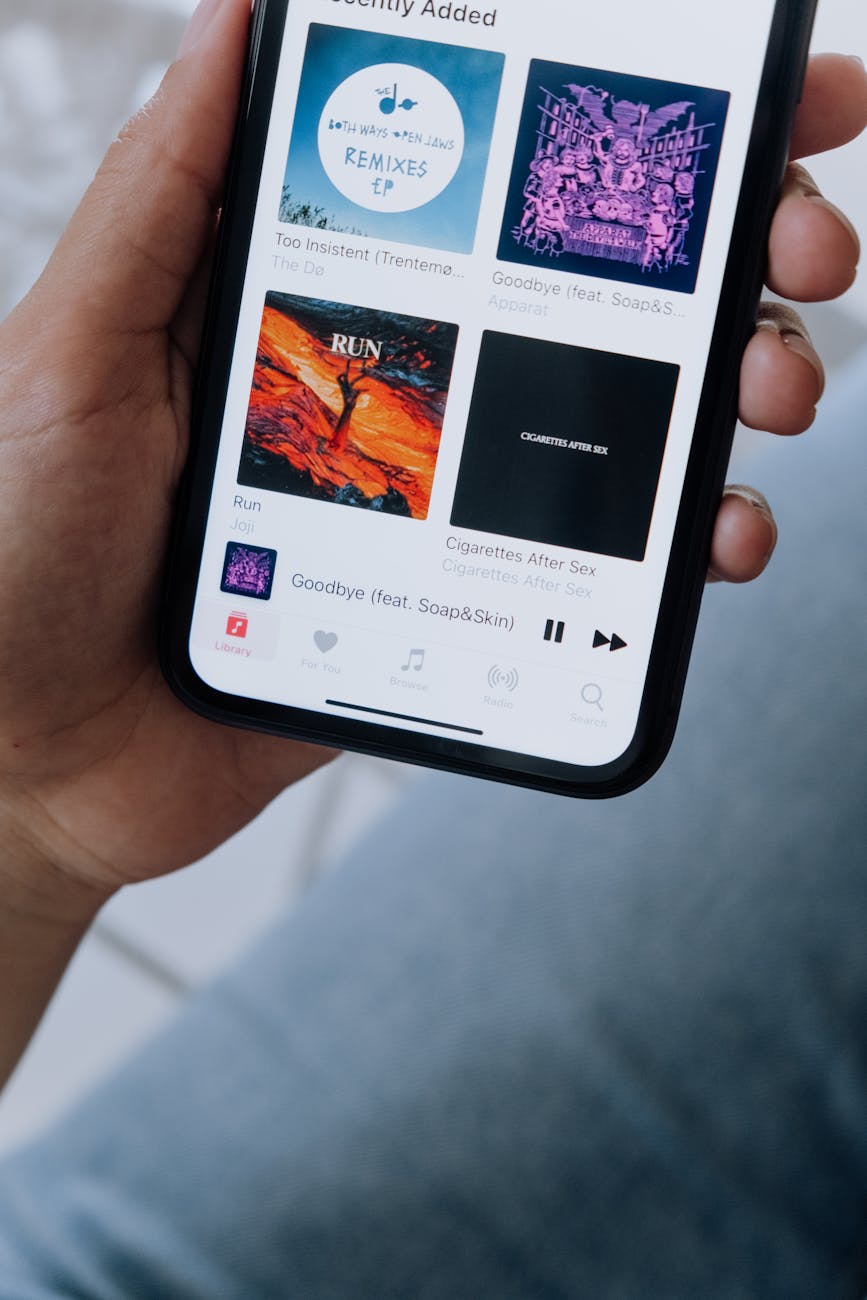
Streaming services have further transformed music production and listening. Platforms such as Spotify and Apple Music mediate how music is consumed and distributed. To mediate means they sit in the middle of the process: they influence what listeners encounter and how artists reach audiences.
This is where algorithms become important. An algorithm is a computer system used to decide what users are shown. On music platforms, that can affect which songs are recommended, which artists are surfaced, and what listeners discover next.
That shift raises major questions. How do artists market their releases in a world of algorithmic suggestion? What happens when affordable access to recorded music becomes easier, but attention becomes harder to win? How much control do musicians really have over how their work reaches audiences when platforms shape the path between creator and listener?
These are not small issues. In earlier periods, sheet music sales helped new compositions become known, especially among people who could read music and had instruments at home. Later, radio broadcasting and gramophone records became the main ways many listeners discovered new songs and pieces. The internet and streaming continue that history of technological change, but on a much larger and more immediate scale.
A longer history of technology changing music
The internet feels revolutionary, but it is part of a longer pattern. Music technology has repeatedly reshaped how people access and experience music.
Sheet music once played a central role in spreading songs and musical styles. The printing press made printed sheet music less expensive and easier to mass-produce, helping styles spread more quickly and across larger areas. In the 20th century, radio and phonographs expanded access further by allowing people to hear operas, symphonies, and bands in their own homes. That widened access beyond those who could afford concert tickets or formal music education.
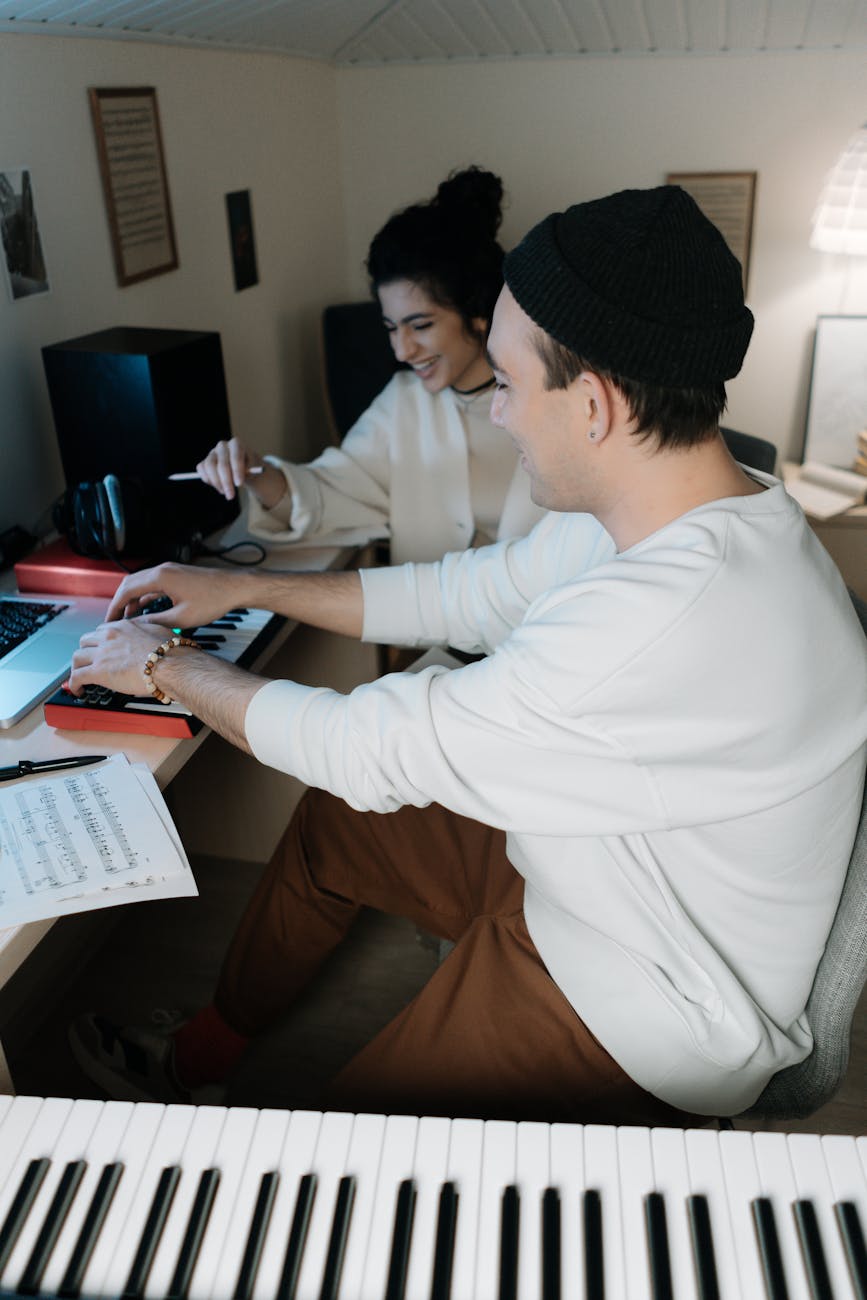
Later, sound recording and editing changed how music could be made. Multitrack recording allowed layers of instruments and vocals to be overdubbed, creating textures and sounds beyond what a live ensemble could perform in one take. Computers, digital audio workstations, and music software extended that process still further.
The internet did not begin this technological transformation, but it accelerated it. It joined creation, distribution, promotion, and community into one networked environment.
Online music communities are social spaces
Music has always been deeply social. It appears in festivals, concerts, ceremonies, religious settings, private listening, and community gatherings. Ethnographic studies describe music as a participatory, community-based activity, experienced in many social settings from solitude to large public events.
The internet created new versions of those communities. People gather around artists, genres, performances, remixes, and playlists without being in the same physical room. Aspiring performers can connect with other musicians. Audiences can comment, share, repost, and collaborate. Fans can become part of a music community through common values and participation, not just attendance.
This helps explain why online music culture feels so active. It is not only a library of recordings. It is a social environment where identity, taste, creativity, and community all mix together.
The rise of user-made music content
According to Don Tapscott and Anthony D. Williams, there has been a shift from a traditional consumer role to a prosumer role. In music, this appears in fan-created mashes, remixes, and music videos. That shift is easy to overlook, but it is one of the internet’s most significant effects.
Before widespread online distribution, most listeners had relatively limited ways to publicly respond to music. They could talk about it, collect it, or perhaps perform it locally. Now they can publish their response instantly and potentially reach a global audience.
That means music culture is no longer shaped only by professional musicians, record companies, critics, and broadcasters. It is also shaped by audiences who produce their own interpretations and circulate them through digital networks.
Discovery is easier, competition is harder
The internet made access easier for consumers. Streaming video and broadband access greatly increased the ease of reaching recordings and expanded the amount of music available. Listeners can move across genres, scenes, and styles far more quickly than in earlier eras.
But that abundance creates a new challenge: discovery. When the amount of available music becomes enormous, getting noticed becomes more difficult. Platforms and algorithms play a larger role in deciding what rises above the noise.
This changes artist strategy. Marketing a release is not just about making music available. It is also about visibility, timing, presentation, and platform behavior. The question is no longer simply, “Can people hear this?” but also, “Will they ever be shown it?”
The internet changed music culture, not just delivery
It is tempting to think of the internet as just a faster delivery system for songs. But its impact is much broader.
It changed who can publish music. It changed how fans participate. It changed how music communities form. It changed how recordings are discovered. It changed how music is circulated, reworked, and promoted. And with streaming platforms, it changed who sits between artist and listener.
Music remains what it has long been: a versatile medium for human creativity, expression, and social connection. But online, those qualities take new forms. A listener can become a creator. A fan can become an editor. A platform can become a gatekeeper. And a song can become the starting point for countless new versions of itself.
That is how the internet reshaped music: not by replacing music’s old functions, but by multiplying them.
Sources
Based on information from Music.
More like this
Remix your daily scroll into something smarter — download DeepSwipe and stream knowledge with better recommendations.