Full article · 7 min read
Life’s Big Leap: From Single Cells to Many
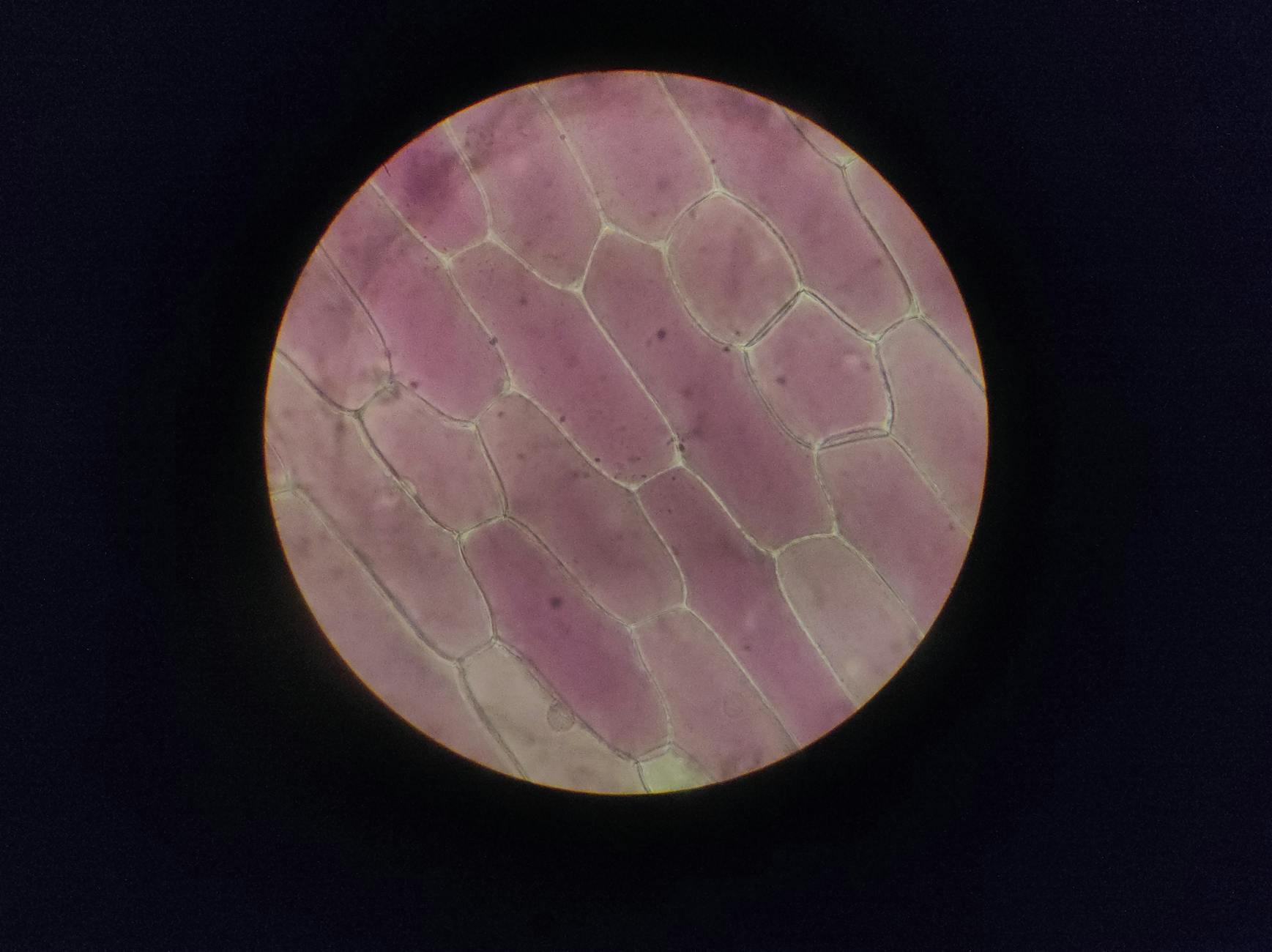
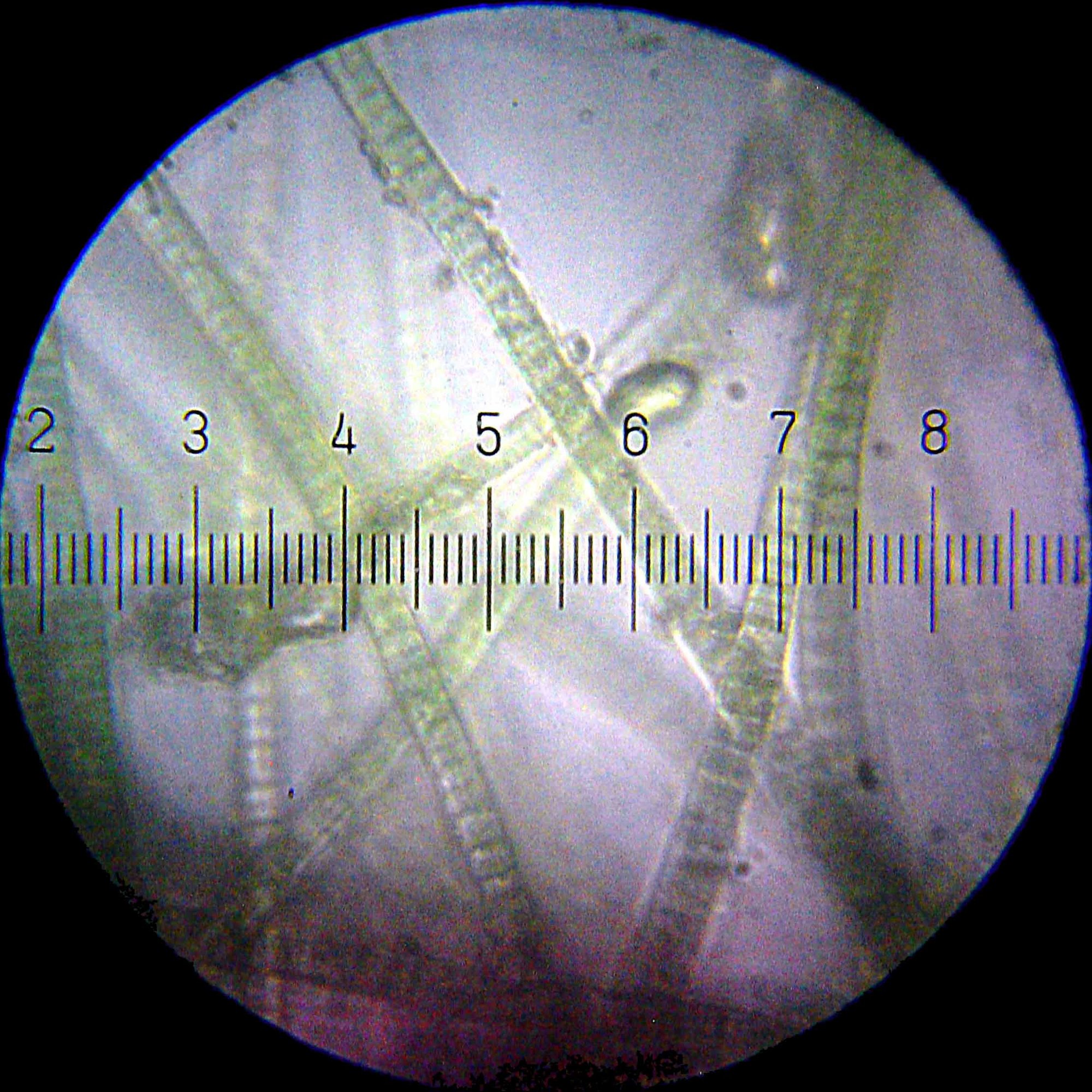
One of the most dramatic transitions in the history of life was the move from single-celled organisms to multicellular ones. Instead of surviving as lone cells, some organisms began living as groups of cooperating cells. Over time, those groups became so integrated that they formed true multicellular bodies, with different cells taking on different jobs.
A particularly striking idea is that about 800 million years ago, a minor genetic change in a single molecule — the enzyme GK-PID — may have helped make this leap possible. That small change may have opened the door to organisms made of many cells rather than just one. It is a vivid reminder that in the history of life, huge biological revolutions can begin with tiny molecular shifts.
What multicellularity actually means
Multicellularity means an organism is made of more than one cell. But it is more than just a cluster of cells sitting together. In true multicellular organisms, cells become specialized and dependent on one another.
This is different from a simple colony of identical cells. In a colony, cells may live together while still being capable of surviving on their own. In a truly multicellular organism, the cells have developed special roles. Because of that specialization, they rely on the rest of the organism to survive.
This distinction matters. A pile of bricks is not the same thing as a house, and a loose cluster of cells is not the same thing as a multicellular body. Multicellularity involves cooperation, division of labor, and integration.
How the transition may have started
A leading picture of early multicellularity is that it began with colonies of identical cells. These cells could remain attached to one another through cell adhesion, the process that allows cells to stick together. Adhesion is one of the key ingredients for building a multicellular body, because if cells cannot stay connected, they cannot form stable tissues or larger structures.
From there, evolution could favor tighter cooperation. Cells in a group could begin to perform different tasks. Some might become better at gathering resources, others at protection, and others at reproduction. Once these differences became important, the members of the group would become increasingly dependent on one another.
The result would be a new kind of organism: not just many cells, but a coordinated living system made of interdependent parts.
The GK-PID clue
The idea that about 800 million years ago a minor genetic change in GK-PID may have helped organisms move from single-celled life to multicellular life is especially fascinating because it shows how evolution does not always require a vast number of changes all at once.
An enzyme is a molecule that helps chemical reactions happen in living systems. If a small change in an enzyme altered how cells stuck together, oriented themselves, or coordinated their behavior, the effects could be enormous. In that sense, evolution sometimes works like engineering: adjust one critical component, and the whole system gains new possibilities.
This does not mean one molecule alone created all multicellular life. Rather, it suggests that a relatively modest change may have made a major transition more achievable. In biology, small molecular changes can ripple upward into large-scale changes in body structure and lifestyle.
Why specialization changed everything
The real power of multicellularity comes from specialization. When cells in the same organism perform different jobs, resources can be used more efficiently. Instead of every cell trying to do everything, each kind of cell can focus on a narrower role.
This division of labor is one reason multicellular organisms can become large and complex. Specialized cells can support one another, forming structures and systems that no single cell could manage alone. In plants, animals, and fungi, multicellular organization allows bodies to exploit resources more efficiently than single cells can.
That efficiency likely gave multicellular organisms important advantages in many environments. The diversity of life on Earth has been shaped by interactions between genetic opportunity, metabolic capability, environmental challenges, and symbiosis. Multicellularity fits neatly into that story: once cells could cooperate and specialize, entirely new ways of living became possible.
Coordination: the hidden requirement
Sticking together is not enough. For many cells to function as one organism, they must coordinate their activities. That is where cell signaling becomes essential.
Cell signaling is the process by which cells perceive and respond to their surroundings and communicate with one another. It coordinates cellular activities and governs the basic functions of multicellular organisms. Without signaling, specialized cells could not work together effectively.
Cells can communicate through direct contact, called juxtacrine signalling, or indirectly by exchanging agents, as in the endocrine system. In more complex organisms, coordination can occur through a dedicated nervous system.
This communication is what turns a collection of cells into an organized biological whole. One group of cells can respond to changes in the environment, another can adjust growth, and another can help regulate internal conditions. In effect, signaling allows multicellular organisms to act with unity rather than chaos.
Multicellularity and the basic features of life
The rise of multicellular organisms can also be understood through the broader features used to describe life itself. Living things are typically recognized by traits such as homeostasis, organisation, metabolism, growth, adaptation, response to stimuli, and reproduction.
Multicellular life intensifies many of these features.
Organisation becomes far more elaborate because the organism is built from many cooperating cells rather than one. Growth can involve not only getting bigger, but also building increasingly complex structures. Response to stimuli becomes richer because different cells and tissues can detect and react to different kinds of changes. Adaptation can produce entirely new body plans and strategies for survival.
In other words, multicellularity did not replace the basic properties of life. It expanded what those properties could look like.
Built from cells, powered by information
All of this depends on the cell, the structural and functional unit of life. Cells arise from pre-existing cells by division, and the activity of an organism depends on the total activity of its cells. Energy flows within and between them, and hereditary information is carried forward during cell division.
Cells also contain the molecular machinery needed to support multicellular organization. DNA carries the genetic instructions used in growth, development, functioning, and reproduction. Proteins carry out many of the chemical processes of life. The molecular mechanisms of cell biology are based on proteins, which are assembled according to information encoded in nucleic acids.
That means the leap to multicellularity was not just a matter of cells sticking together physically. It also depended on inherited information, biochemical machinery, and the ability of cells to divide, communicate, and specialize in reliable ways.
A major chapter in the history of life
Life on Earth has existed for at least 3.5 billion years, and over that immense span it has evolved into extraordinary diversity. Evolution is the change in heritable characteristics of populations over successive generations, giving rise to new species and often the disappearance of old ones. The process has created biodiversity at every level of biological organisation.
The emergence of multicellular organisms was one of the great organizational innovations in that long history. It added a new scale of life between single cells and the biosphere itself. Living systems can be understood as hierarchies spanning from molecular machines to cells, organs, tissues, organisms, populations, ecosystems, and the whole biosphere. Multicellular organisms occupy a crucial place in that hierarchy because they are built from coordinated lower-level parts.
This is what makes the transition so profound. It was not simply an increase in size. It was the appearance of a new way for life to be organized.
Small change, big consequences
The story of multicellularity highlights a recurring truth in biology: small causes can have enormous consequences. A minor change in a molecule such as GK-PID may have helped unlock the possibility of many-celled bodies. Once cells could adhere, specialize, and coordinate through signaling, life gained access to entirely new forms of organization.
From that point on, evolution could work with a far richer toolkit. Instead of refining only single cells, it could shape tissues, body structures, and complex systems of communication.
That is why the leap from one cell to many stands out as one of life’s biggest turning points. It shows how evolution can transform the living world not only by inventing new species, but by inventing new ways of being alive.
Sources
Based on information from Life.
More like this
From one cell to many ideas — download DeepSwipe and watch your knowledge connect, specialize, and grow.


