Full article · 7 min read
Life at the Extremes: How Far Can It Go?
Life is astonishingly adaptable. While many people imagine living things as confined to mild forests, open oceans, or fertile soil, living organisms occupy far more extreme places. Tiny life forms, especially microorganisms, have been found across the biosphere in environments that seem almost impossible for survival. From high in the atmosphere to deep below the seafloor, life pushes against what we think its limits should be.
Microbes are everywhere
One of the most striking facts about life on Earth is just how widely it is distributed. Organisms exist in air, water, and soil, and the global sum of these ecosystems forms the biosphere, the zone of life on Earth. This system is described as largely self-regulating, even though it depends on incoming solar and cosmic radiation and heat from Earth’s interior.
Microbes are especially important when talking about life in extreme environments. For much of Earth’s history, habitable environments were dominated by microorganisms, and their metabolism helped reshape the planet’s physical and chemical conditions over geologic time. In other words, microbes did not just adapt to Earth’s extremes—they also helped create some of the conditions that later life had to endure.
Researchers have found living organisms in places once thought totally uninhabitable. Life exists in hot springs, deep underground, and inside rocks. It has even been detected far above the surface in the atmosphere. This extraordinary spread helps explain why one researcher summed it up so simply: microbes are everywhere, and they are extremely adaptable.
What makes an environment “extreme”?
An extreme environment is not defined by one single feature. It may involve intense heat, freezing cold, lack of water, starvation, radiation, crushing depth, or isolation from sunlight. To survive in any environment, organisms must stay within a range of conditions called their range of tolerance.
This range of tolerance is the set of physical and chemical conditions in which an organism can survive and reproduce. Outside that range are zones of physiological stress, where life may still be possible but becomes difficult and less effective. Beyond those are zones of intolerance, where survival and reproduction are unlikely or impossible.
Some organisms have a very wide range of tolerance and can spread across many environments. Others are far more restricted. The champions of survival in harsh conditions are often microorganisms known as extremophiles.
Extremophiles: specialists in survival
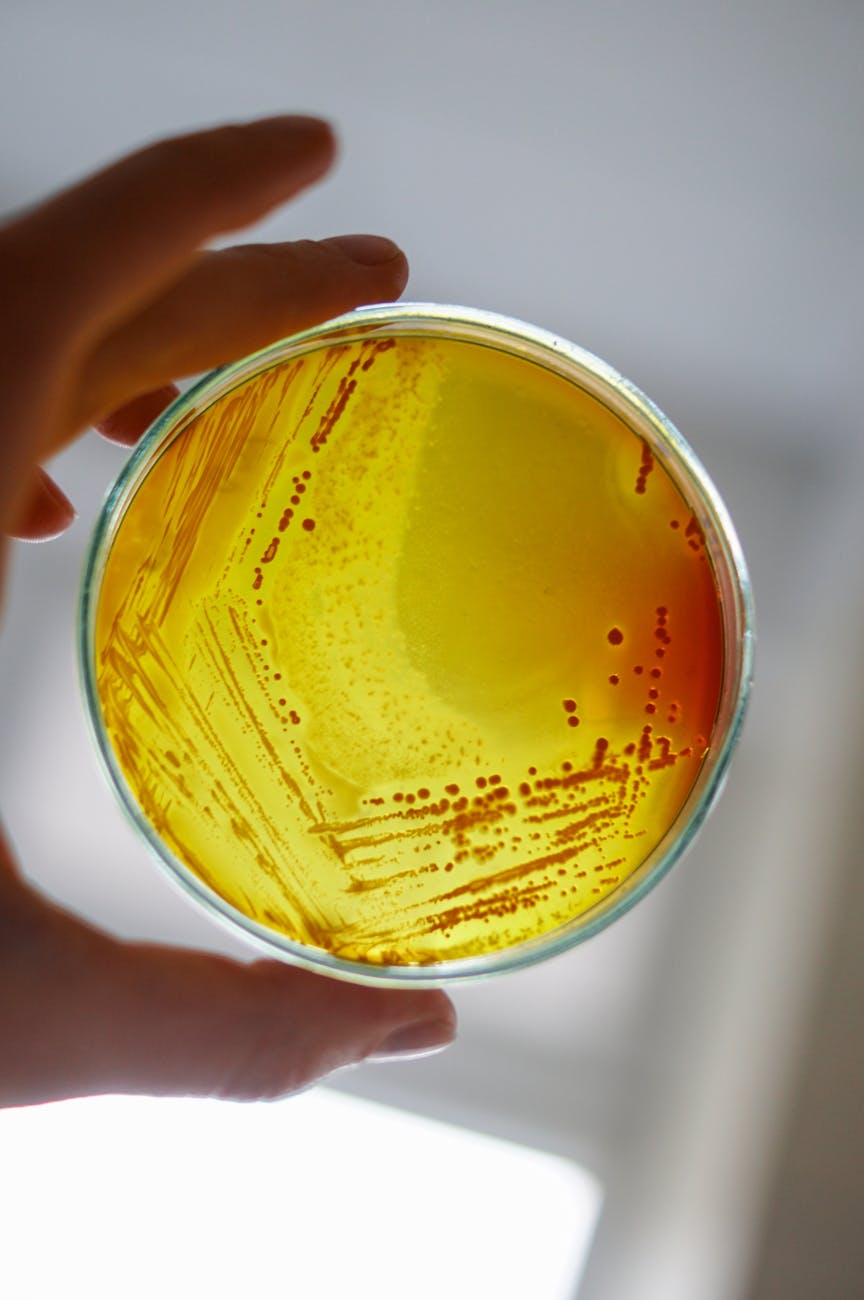
Extremophiles are microorganisms that have evolved to withstand severe conditions such as freezing, complete desiccation, starvation, and high radiation exposure. Desiccation means extreme drying out, while radiation exposure refers to being bombarded by energetic rays that can damage living material.
What makes extremophiles so fascinating is not just that they endure these conditions briefly, but that they may survive them for long periods. They are also skilled at exploiting uncommon energy sources. Scientists are still studying the structure and metabolic diversity of microbial communities in these environments, meaning there is still much to learn about how these organisms function.
This matters far beyond curiosity. Understanding how life survives at the edges helps scientists think more clearly about what life requires, how it may have originated, and where else it might be possible.
Life high above Earth
The atmosphere may seem too cold, thin, and hostile to support life, but evidence shows otherwise. Spores of Aspergillus niger have been detected in the mesosphere at altitudes of 48 to 77 kilometers.
The mesosphere is a high, cold layer of Earth’s atmosphere, above the stratosphere. Finding spores there is remarkable because conditions at that height are far removed from the comfortable environments in which most people expect life to persist.
Even more striking, under test conditions, life forms have been observed to survive in the vacuum of space. A vacuum is an environment with extremely little matter, including almost no air pressure. That makes it one of the harshest conditions imaginable for life as we know it. These observations show that at least some organisms or life forms can endure conditions far outside ordinary Earth habitats.
Deep underground and inside rock
If the sky seems too extreme, the deep underground is equally surprising. Organisms exist inside rocks at least 19 kilometers below ground. This is not just life in caves or soil, but life embedded in rock far beneath the surface.
Life has also been found inside rocks up to 580 meters below the sea floor under 2,590 meters of ocean off the coast of the northwestern United States, and 2,400 meters beneath the seabed off Japan. These discoveries expand the idea of where habitable space exists. The surface of Earth is only a fraction of the environments where life can persist.
Rock-dwelling organisms live without the familiar signals of surface life such as sunlight, open air, or changing weather. Their existence shows that the biosphere reaches deep into places once considered geologically active but biologically barren.
Survival in the deepest ocean
The ocean depths are another frontier of extreme life. Life forms thrive in the deep Mariana Trench, one of the most extreme marine environments on Earth. The deep sea combines darkness, cold, and immense pressure, yet life still persists there.
These discoveries matter because they show that sunlight is not required for all ecosystems. In many harsh settings, what matters most is whether organisms can access usable energy and maintain the processes associated with life, such as metabolism and internal regulation.
The ability of organisms to survive in the deepest ocean also connects with a larger biological truth: life is not defined by comfort. It is defined by processes such as homeostasis, metabolism, adaptation, and response to stimuli. Homeostasis means maintaining internal stability, while metabolism refers to the chemical transformations that provide energy and build cellular components. In extreme environments, these processes become even more impressive.
Boiling-hot sediments beneath the seafloor
Among the most dramatic findings is the discovery of unicellular life in sediment at 120 °C, located 1.2 kilometers below the seafloor in the Nankai Trough subduction zone.
Unicellular means made of a single cell. Sediment is loose material such as mineral particles that settles in layers, often under water. A subduction zone is a region where one part of Earth’s crust moves beneath another, often producing intense geological activity.
A temperature of 120 °C is far above the boiling point of water at standard surface pressure, which is why this discovery captures attention so quickly. It demonstrates that life can exist in settings with extreme heat when other environmental conditions allow it. This pushes the known boundaries of the biosphere and challenges simple assumptions about where cells can function.
Antarctica and other hidden habitats
Extreme life is not only found in heat and depth. In 2014, life forms were found living 800 meters below the ice of Antarctica. This shows that thick ice does not necessarily seal off life. Even isolated, frigid environments can remain biologically active.
Taken together with discoveries in hot springs, deep crustal rocks, and ocean trenches, this paints a picture of a planet where life occupies nearly every available niche. Harsh cold, intense heat, crushing depth, and atmospheric height all fall within the reach of living systems.
Why these discoveries matter
The study of extreme life changes how we think about biology itself. Defining life has always been difficult, and scientists have proposed many ways to describe it. Most modern biological definitions focus on shared traits such as organization, metabolism, growth, adaptation, response to stimuli, and reproduction.
Extreme environments test each of these traits. If cells can function deep underground, high in the mesosphere, beneath Antarctic ice, or in seafloor sediment at 120 °C, then the boundary between “habitable” and “inhabitable” is much broader than it once seemed.
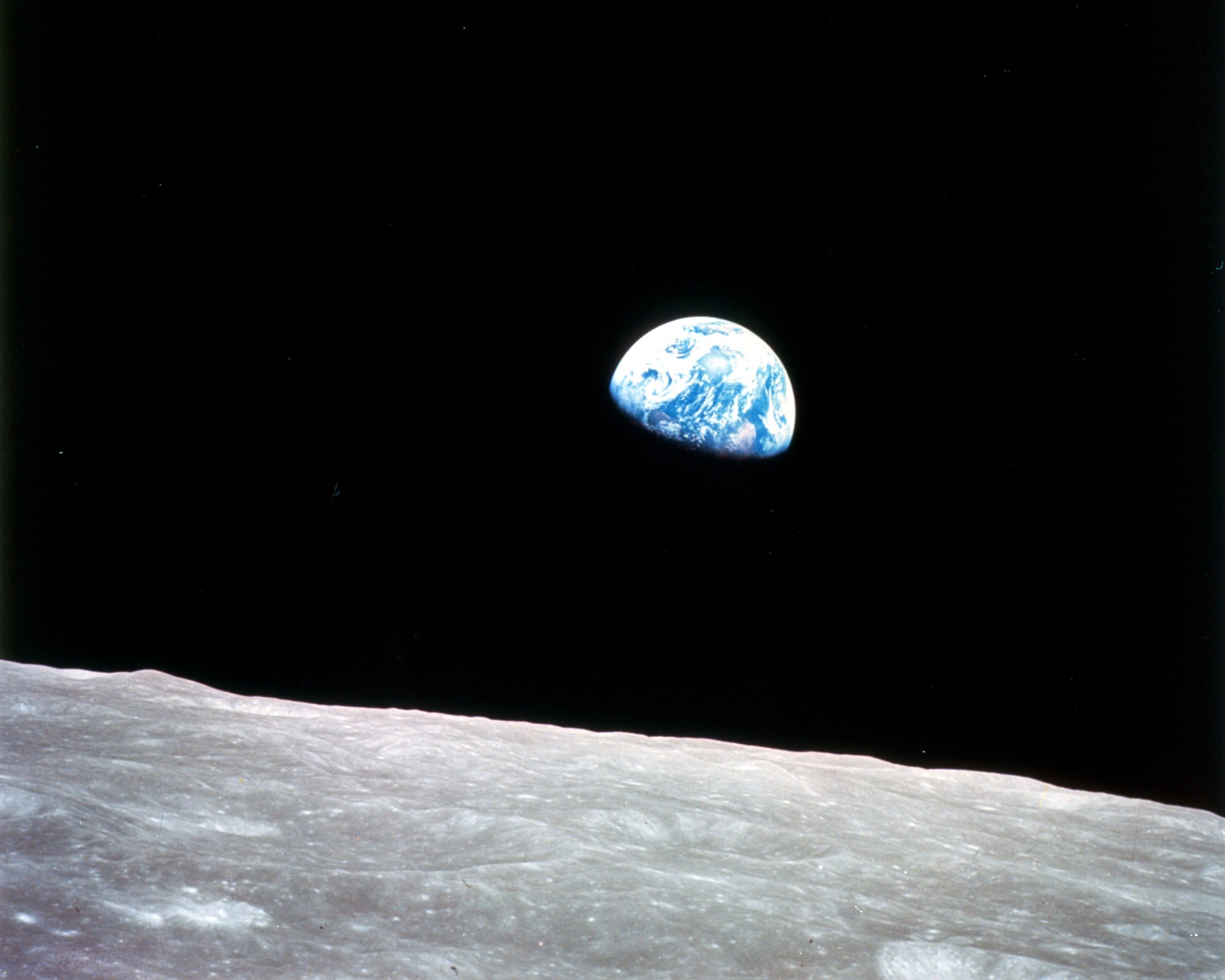
This also matters for the search for life beyond Earth. The tenacity and versatility of life on Earth are considered important clues when scientists examine places such as the subsurface of Mars, the upper atmosphere of Venus, or subsurface oceans on moons of the giant planets. If microorganisms on Earth can survive freezing, desiccation, radiation, great depth, and extreme heat, then alien environments may be less forbidding than they first appear.
The real lesson from life at the extremes
The biggest surprise may be that extreme life is not a strange exception to biology. It is part of the larger story of life on Earth. Organisms interact constantly with their environments, and over time evolution shapes them to tolerate new challenges. Some species disappear, some adapt, and some find ways to thrive where almost nothing else can.
So how far can life go? Based on what has already been discovered, very far indeed: into the mesosphere, into vacuum under tests, into deep rock, into the Mariana Trench, beneath Antarctic ice, and into scorching sediment deep below the seafloor. The limits of life are real, but they are clearly much farther out than human intuition once imagined.
Sources
Based on information from Life.
More like this
Push your curiosity to the edge of the biosphere — download DeepSwipe and dive into extreme facts daily.


