The Southern Gamble
After fighting in the north reached a stalemate, Britain shifted its strategy south. British commanders believed the southern colonies contained strong Loyalist support and many enslaved people who might flee to British lines in exchange for freedom. Savannah and Charleston fell, but British control inland proved fragile.
Much of the captured territory dissolved into guerrilla warfare between Loyalists and American militia. British forces had to fight their way north through hostile territory, weakening the advantages gained from major victories.
Cornwallis at Yorktown
In 1781, General Cornwallis moved his army to Yorktown, Virginia, expecting support from the British fleet. Instead, a larger French fleet arrived. In the Battle of the Chesapeake, the French defeated the British naval force and forced it to return to New York for reinforcements.
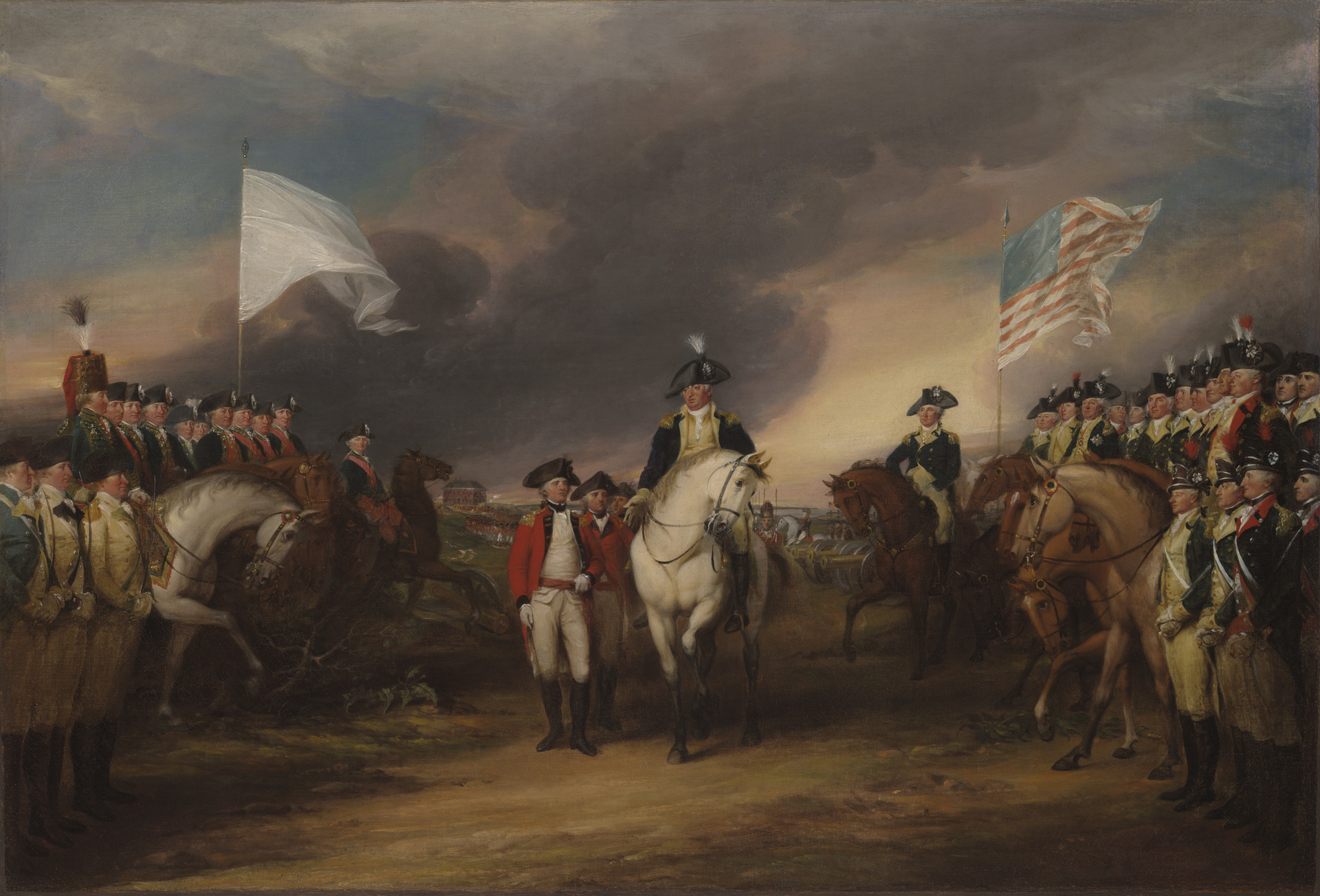
Cornwallis was now trapped between the coastline and the combined French and Continental armies. George Washington commanded the siege. On September 28, the Continental Army captured the British position, and in October Cornwallis surrendered.

A Political Defeat
Britain still held troops in New York, Charleston, and Savannah, and its navy remained powerful. But Yorktown destroyed the political confidence needed to continue the war. Parliament’s support collapsed, Lord North resigned, and Britain began negotiating.
The Treaty of Paris, signed in 1783, recognized United States sovereignty and granted the new nation nearly all British territory east of the Mississippi River and south of the Great Lakes.
Yorktown was therefore more than a victory in Virginia. It revealed that Britain could win battles yet lose the strategic contest. The revolution survived long enough for foreign alliance, geography, local resistance, and political exhaustion to combine into independence.