Wiki Summaries · American Revolution

Why Yorktown Ended Britain’s American War

The decisive victory was not simply a battlefield triumph. It was a trap created by American persistence, French naval power, and a British army stranded where rescue could not arrive.

warhistoryinternational relations
XFacebook

The Southern Gamble

After fighting in the north reached a stalemate, Britain shifted its strategy south. British commanders believed the southern colonies contained strong Loyalist support and many enslaved people who might flee to British lines in exchange for freedom. Savannah and Charleston fell, but British control inland proved fragile.

Much of the captured territory dissolved into guerrilla warfare between Loyalists and American militia. British forces had to fight their way north through hostile territory, weakening the advantages gained from major victories.

Cornwallis at Yorktown

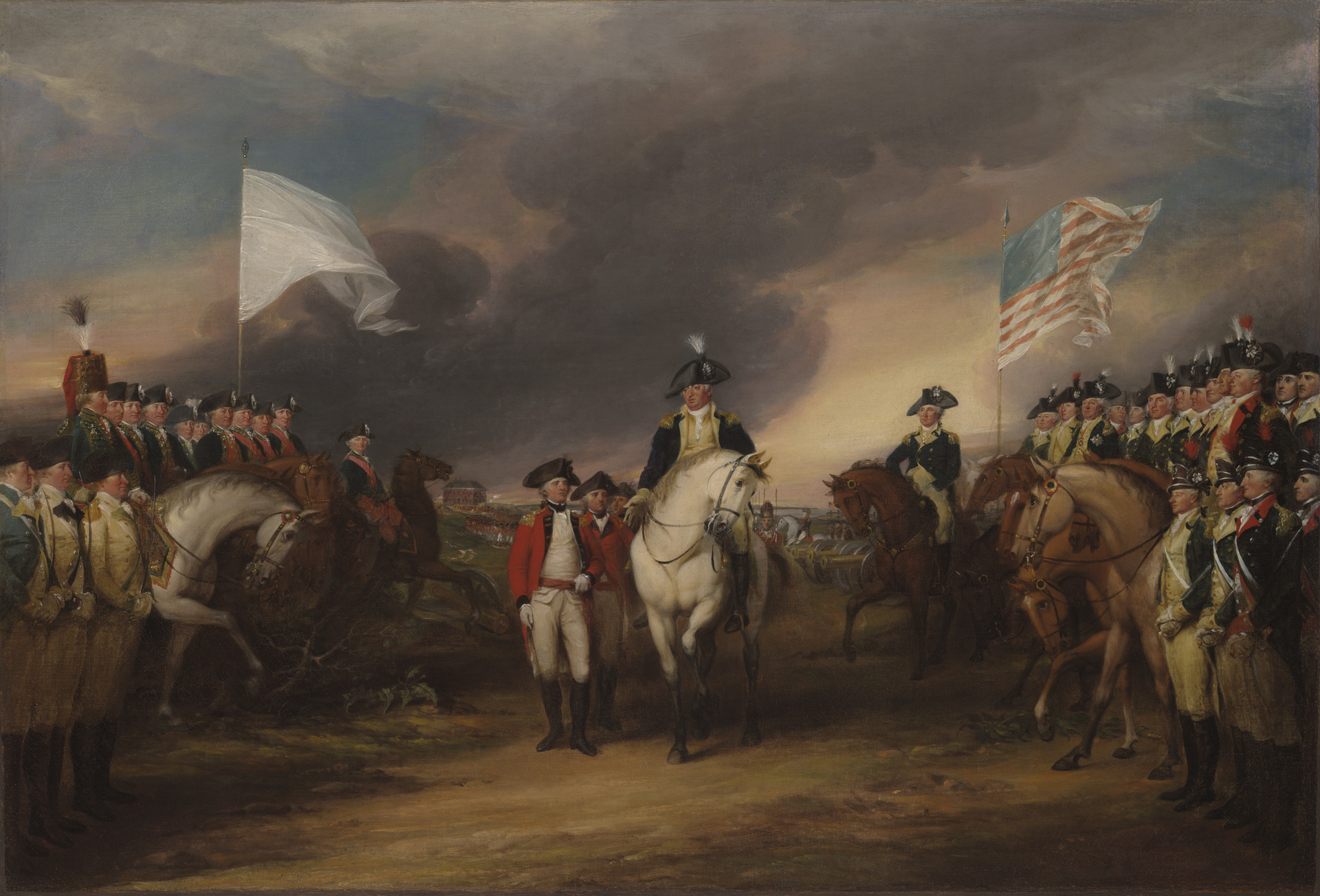
In 1781, General Cornwallis moved his army to Yorktown, Virginia, expecting support from the British fleet. Instead, a larger French fleet arrived. In the Battle of the Chesapeake, the French defeated the British naval force and forced it to return to New York for reinforcements.

Cornwallis was now trapped between the coastline and the combined French and Continental armies. George Washington commanded the siege. On September 28, the Continental Army captured the British position, and in October Cornwallis surrendered.

DeepSwipe app banner

A Political Defeat

Britain still held troops in New York, Charleston, and Savannah, and its navy remained powerful. But Yorktown destroyed the political confidence needed to continue the war. Parliament’s support collapsed, Lord North resigned, and Britain began negotiating.

The Treaty of Paris, signed in 1783, recognized United States sovereignty and granted the new nation nearly all British territory east of the Mississippi River and south of the Great Lakes.

Yorktown was therefore more than a victory in Virginia. It revealed that Britain could win battles yet lose the strategic contest. The revolution survived long enough for foreign alliance, geography, local resistance, and political exhaustion to combine into independence.
Based on American Revolution on Wikipedia.

XFacebook

DeepSwipe Stories About American Revolution

American Revolution: Why a Small Tax Sparked a Revolt

American Revolution: Why a Small Tax Sparked a Revolt

American Revolution: How the Boston Tea Party Backfired

American Revolution: How the Boston Tea Party Backfired

American Revolution: The French Fleet That Trapped Britain

American Revolution: The French Fleet That Trapped Britain

Summarize another article

More topics in American Revolution

American Revolution - 100 Word Summary

A rebellion over imperial control became a war for independence—and then an experiment in republican government.

historypoliticswar
Read →

American Revolution - 250 Word Summary

Follow the Revolution from a crisis inside the British Empire to the birth of a constitutional republic—and the contradictions built into that new nation.

historypoliticswar
Read →

How Taxes Turned Subjects into Revolutionaries

The taxes were often small. The constitutional question behind them was enormous: who had the right to govern—and who had the right to tax?

historypolitics
Read →

From Boston Tea to a Continental Resistance

A shipment of tea became a political detonation, triggering punishment that united colonies previously separated by distance, rivalry, and local interests.

historypoliticsculture
Read →

The Declaration: When Rebellion Became Revolution

In Philadelphia, a dispute over colonial rights became a claim about humanity itself: governments exist to protect rights, and people may replace those that betray them.

historypoliticsculture
Read →

The Revolution’s Unfinished Promise of Freedom

The new nation proclaimed equality while slavery endured, women remained politically subordinate, and Indigenous communities lost land. The contradiction became the revolution’s most persistent legacy.

historypoliticssociety
Read →

From a Weak Confederation to the Constitution

Victory created a country but not yet an effective national government. Debt, unpaid soldiers, and internal unrest forced Americans to decide how much power the union needed to survive.

politicshistorygovernment
Read →

The Revolution Becomes a Global Event

The American victory did not stay in North America. Its republic, declaration, and constitutional experiment helped inspire revolutions from France and Haiti to Latin America and Ireland.

historypoliticsinternational relations
Read →

Enjoy bite-sized learning? Try DeepSwipe.