A Reputation for Chaos
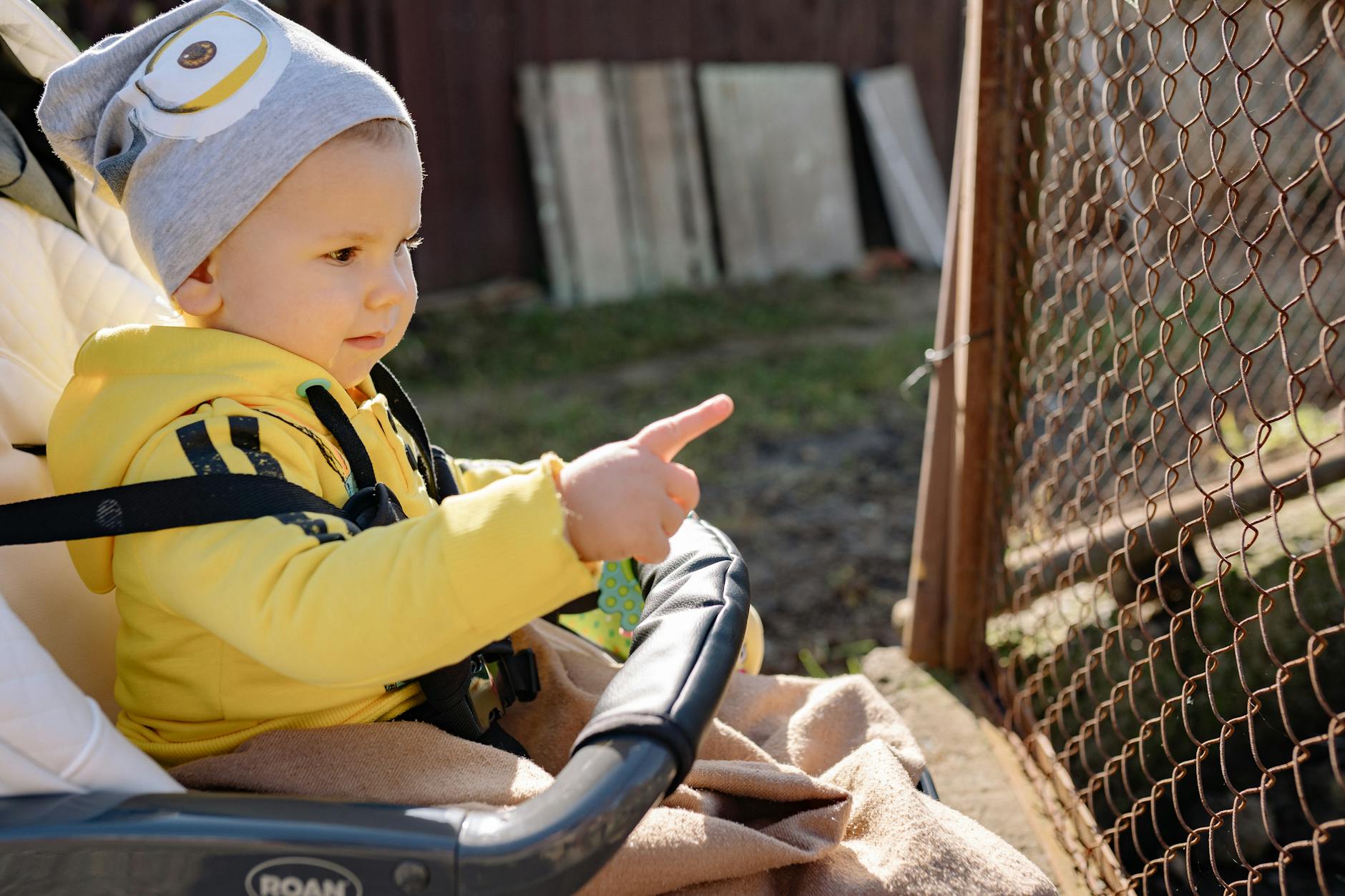
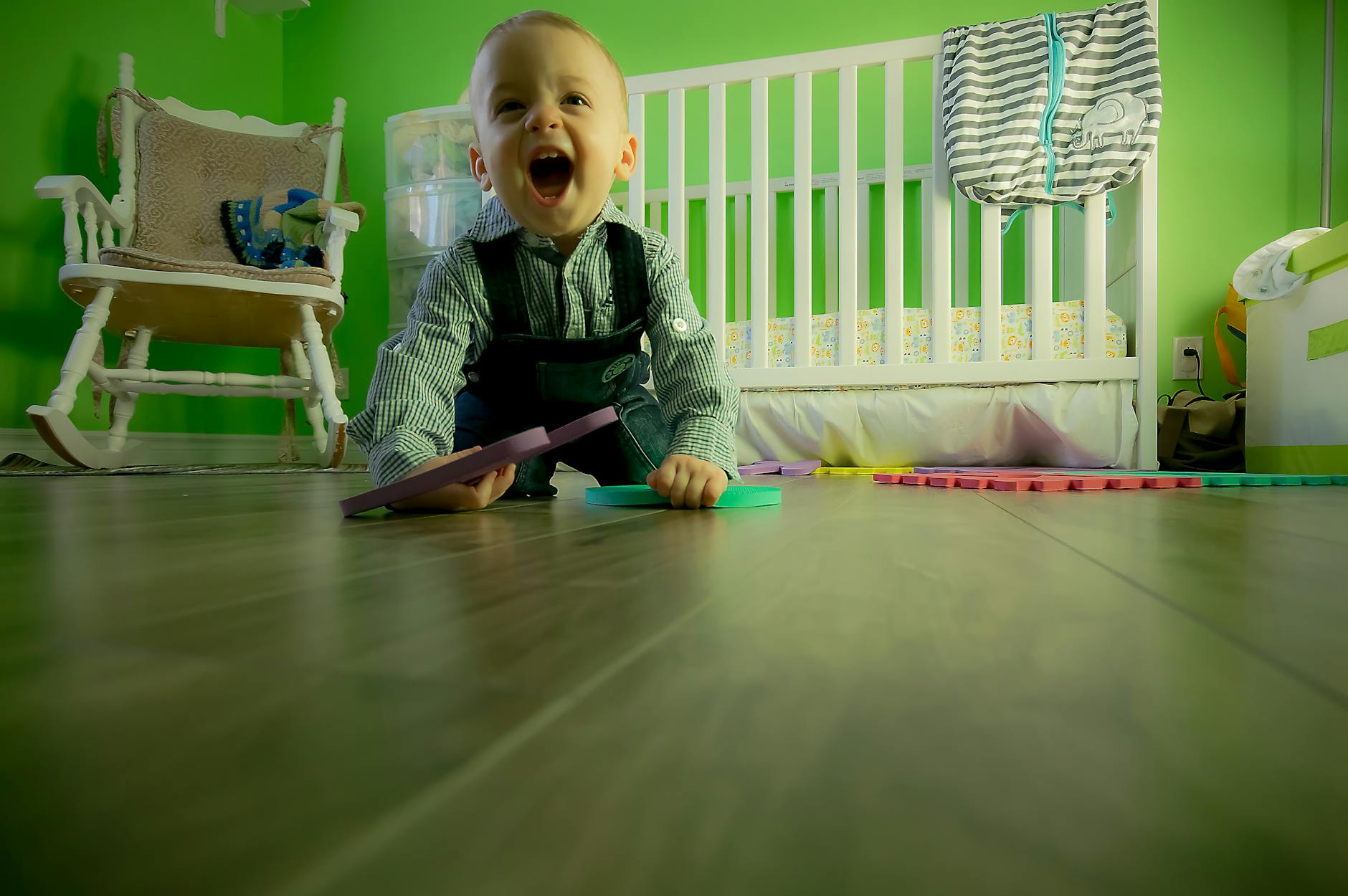
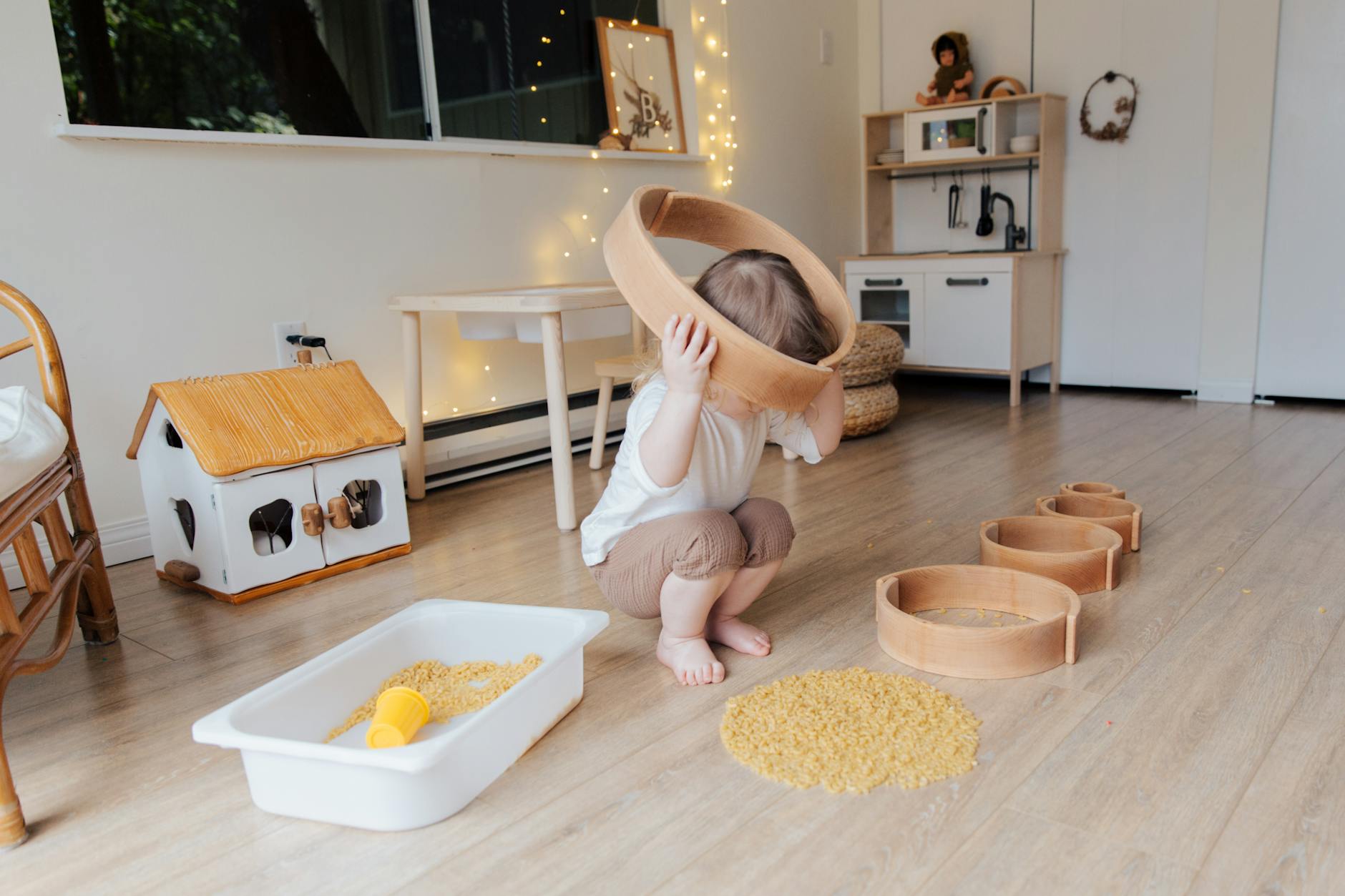
The toddler years, especially around age two, are infamous. Parents brace themselves for the “terrible twos,” a phase often remembered for explosive temper tantrums and power struggles over the smallest things.
But those outbursts aren’t random misbehavior. They are signs of deep changes inside the child.
Big Emotions, Small Tools
Toddlers experience very strong emotions but lack the language and self-control older children and adults use to manage them. When feelings surge, they have few tools beyond crying, screaming, or collapsing on the floor.
Immediate triggers can be surprisingly simple:
- Hunger
- Discomfort
- Fatigue
- Frustration over limits
- A desire for more independence
The reaction may seem out of proportion, but the inner experience is intense.

Discovering “I” and Testing “No”
Emotionally, toddlers are discovering that they are separate beings from their parents, with their own thoughts, desires, and will.
They test this discovery by:
- Saying “no” frequently
- Resisting instructions
- Pushing boundaries
Each tantrum is, in a way, a test: “How much control do I have? Where are the limits?” Learning those limits is part of learning how the world works.
The Parent’s Role: Fuel or Calm
How adults respond can either inflame or soothe a tantrum. Communication methods that are harsh, inconsistent, or confusing can set off or worsen an episode. Calm, developmentally appropriate responses can help settle the storm.
Research shows that parents with histories of maltreatment, exposure to violence, or related psychological difficulties may struggle more with responding sensitively to their toddlers’ tantrums. These parents may particularly benefit from parent–child mental health consultation to support more effective interactions.
A Preview of Adolescence
This push for independence between roughly ages two and five repeats itself later in adolescence, when teenagers again test limits, assert identity, and challenge authority.
Toddlerhood is the first wave of that lifelong dance between dependence and autonomy.
The Takeaway: Not Terrible—Transformative
The “terrible twos” are less about defiance and more about transformation. Through every meltdown, toddlers are learning where they end and the world begins.
Seen this way, tantrums are not just noise to be endured, but evidence of a mind and self rapidly taking shape.