Wiki Summaries · Toddler

The Toddler Squat: Nature’s Built-In Training Move

Toddlers drop into a perfect deep squat without thinking, using a posture adults struggle to hold—an instinctive move that quietly powers their play and strength.

sciencenature
XFacebook

The Instinctive Drop to the Floor

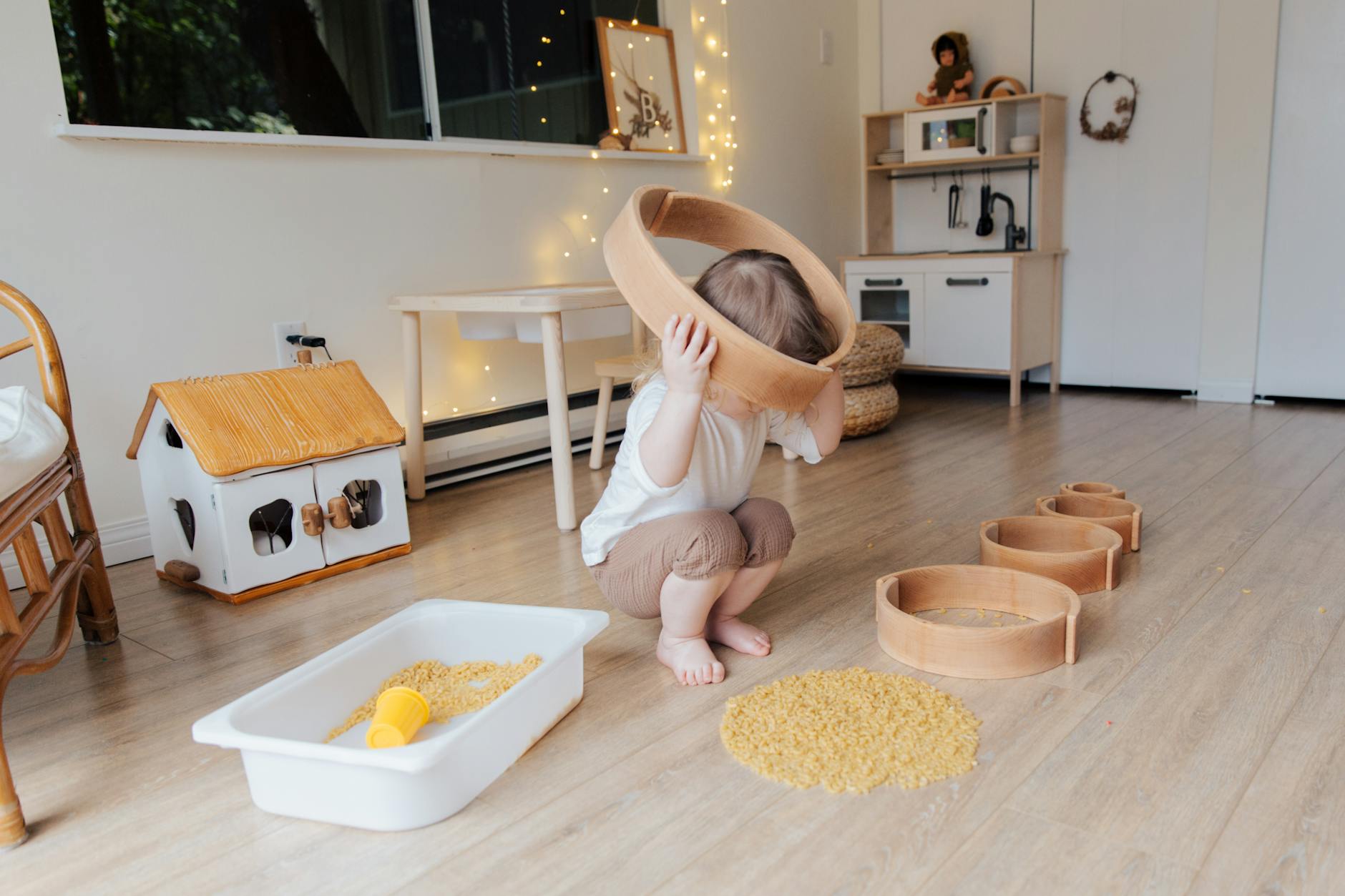
Watch a one- or two-year-old trying to pick up a toy from the ground. Instead of bending at the waist, they often drop straight down into a deep squat — feet wide apart, bottom hovering just above the floor.

To them, it’s effortless. To many adults, it’s nearly impossible.

A Fluid Movement From Standing

Young children naturally move from standing to squatting as a single, fluid motion whenever they want to get closer to the ground. This position lets them:

  • Reach objects at floor level
  • Play comfortably for extended periods
  • Stay ready to move again at any moment

At this age, you’ll often see toddlers playing in a stable squat, hands busy, body perfectly balanced.

Balance First, Strength Later

In the beginning, they may need to hold onto something to stand back up again. Their muscles and coordination are still catching up.

Gradually, as their legs strengthen and their balance improves, they can shift from squat to stand unaided. Each repetition is like a miniature workout session, building the foundation for running, jumping, and climbing.

Why This Position Matters

The toddler squat isn’t just cute; it’s a key part of gross motor development:

  • It challenges balance, forcing the child to control their center of gravity.
  • It strengthens the muscles around the hips, knees, and ankles.
  • It gives them a stable, hands-free posture for focused play.

What looks like idle fiddling with blocks or pebbles is actually whole-body training.

The Takeaway: A Posture Adults Forgot

The deep, natural squat of a toddler is a reminder of how the human body is designed to move before chairs and sedentary habits take over. In every effortless drop to the ground and push back up, toddlers are quietly rehearsing the movements that will carry them through childhood.

Their playtime posture is, in many ways, their first gym.

Based on Toddler on Wikipedia.

XFacebook

Summarize another article

More topics in Toddler

From Wobbly Steps to Full-Speed Sprints: The Physical Leap of Toddlerhood

Watch a human go from unsteady steps to fearless climbing in just months, as toddlers rapidly master the big and small movements that open up their world.

sciencenatureculture
Read →

Can Early Milestones Predict Future Intelligence? The Subtle Clues in a Toddler’s Skills

How much can a baby’s first steps or early words really tell us about their future mind? Studies suggest these tiny early victories may echo all the way into adulthood.

sciencepsychology
Read →

The High-Stakes Drama of Potty Training: Readiness, Power Struggles, and Pride

To adults, it’s just a bathroom routine; to a toddler, toilet training is a major physical and psychological turning point packed with tension and triumph.

psychologyculture
Read →

Explosion of Words: How Toddlers Go From Silence to 50 Words and Beyond

In just a few months, toddlers go from single words to rapid-fire vocabulary growth, rehearsing conversations alone in their cribs like tiny linguists at work.

sciencepsychology
Read →

The Hidden Power of Pointing: How a Simple Gesture Transforms a Toddler’s Mind

Long before full sentences, a toddler’s outstretched finger signals a major psychological breakthrough: the ability to share attention, thoughts, and discoveries.

psychologyscience
Read →

The ‘Terrible Twos’ Explained: Tantrums, Big Feelings, and the Birth of Independence

Behind the screaming fits and flailing limbs of the so-called ‘terrible twos’ lies a powerful story of toddlers discovering who they are—and just how far they can push.

psychologyculture
Read →

Mirror Moments: How Toddlers Discover Themselves

A dab of lipstick on the nose and a glance in the mirror can reveal a stunning shift in a toddler’s mind: the dawning realization that ‘that child’ is actually me.

psychologyscience
Read →

Enjoy bite-sized learning? Try DeepSwipe.