More Than “Look at That”
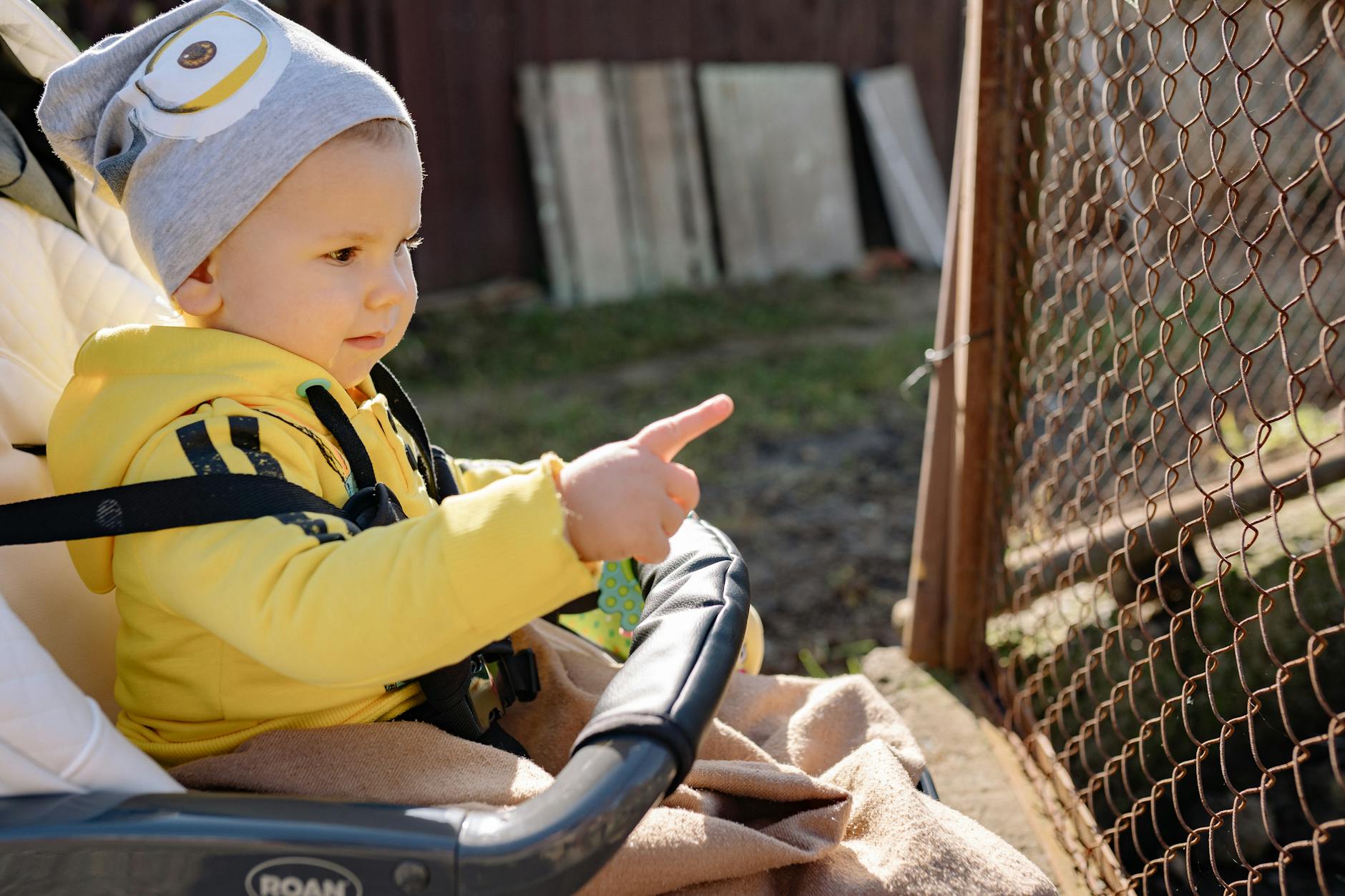
A baby lifts a finger and points to a dog, a light, a plane in the sky. An adult glances over and names it.
This tiny act — pointing — marks a huge shift in how a toddler understands other people and the world.
Pointing as a Cognitive Milestone
Gaining the ability to point at something they want someone else to see is a huge psychological gain in toddlerhood. It generally happens before the first birthday.
When a toddler points, they’re doing several sophisticated things at once:
- Noticing an object or event
- Wanting someone else to notice it too
- Understanding that a gesture can direct another person’s attention
This is more than just reaching. It’s the beginning of shared attention — the ability to line up their focus with someone else’s.

Building the Bridge Between Minds
Pointing creates a bridge between the child’s inner experience and another person:
- The child signals: “See what I see.”
- The adult responds with language: “Yes, that’s a plane!”
Over time, these exchanges teach the child that other people have minds, that communication can shape what others think about, and that words can be attached to shared experiences.
A Quiet Foundation for Language and Social Life
This simple gesture plays a crucial role in:
- Language development – linking words to objects the child has singled out
- Social development – practicing turn-taking and mutual focus
- Emotional connection – feeling understood and responded to
While parents may focus on first steps or first words, pointing is working behind the scenes to make those later achievements possible.
The Takeaway: A Finger Pointing to the Future
When a toddler points, they’re not just showing interest; they’re revealing a new understanding that other people can share that interest. In that small raised finger is the beginning of conversation, cooperation, and the complex social life that defines being human.