The Awkward Start of Independence
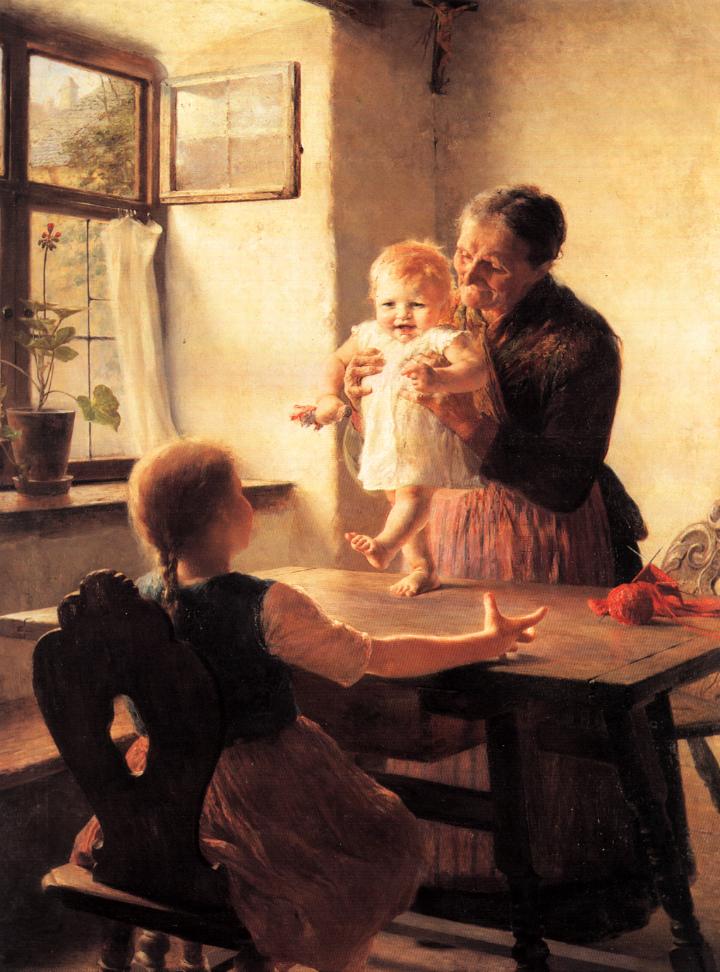
One moment, a child is a baby lying on their back; not long after, they’re tottering across the room, eyes locked on a toy. The very word toddler comes from “toddle” — to walk unsteadily — capturing this brief but dramatic passage from helplessness to mobility.
During the toddler years, roughly ages 1 to 3, the body is in overdrive. Growth in size, strength, and coordination transforms what a child can do and, just as importantly, what they can reach.
Gross Motor: Conquering Space
Gross motor skills are those big movements: walking, running, jumping, climbing. By around age two, many toddlers can:
- Walk with enough confidence to explore
- Run in short bursts
- Climb onto furniture or playground equipment
These abilities change everything. A toddler who can move at will suddenly has a whole environment to investigate, from kitchen drawers to park benches. Mobility becomes a ticket to independence — and to mischief.

Fine Motor: Tiny Hands, Precise Tasks
At the same time, fine motor skills are quietly revolutionizing a toddler’s daily life. These are the small, precise movements of the hands and fingers that allow them to:
- Feed themselves
- Draw simple marks
- Manipulate small objects
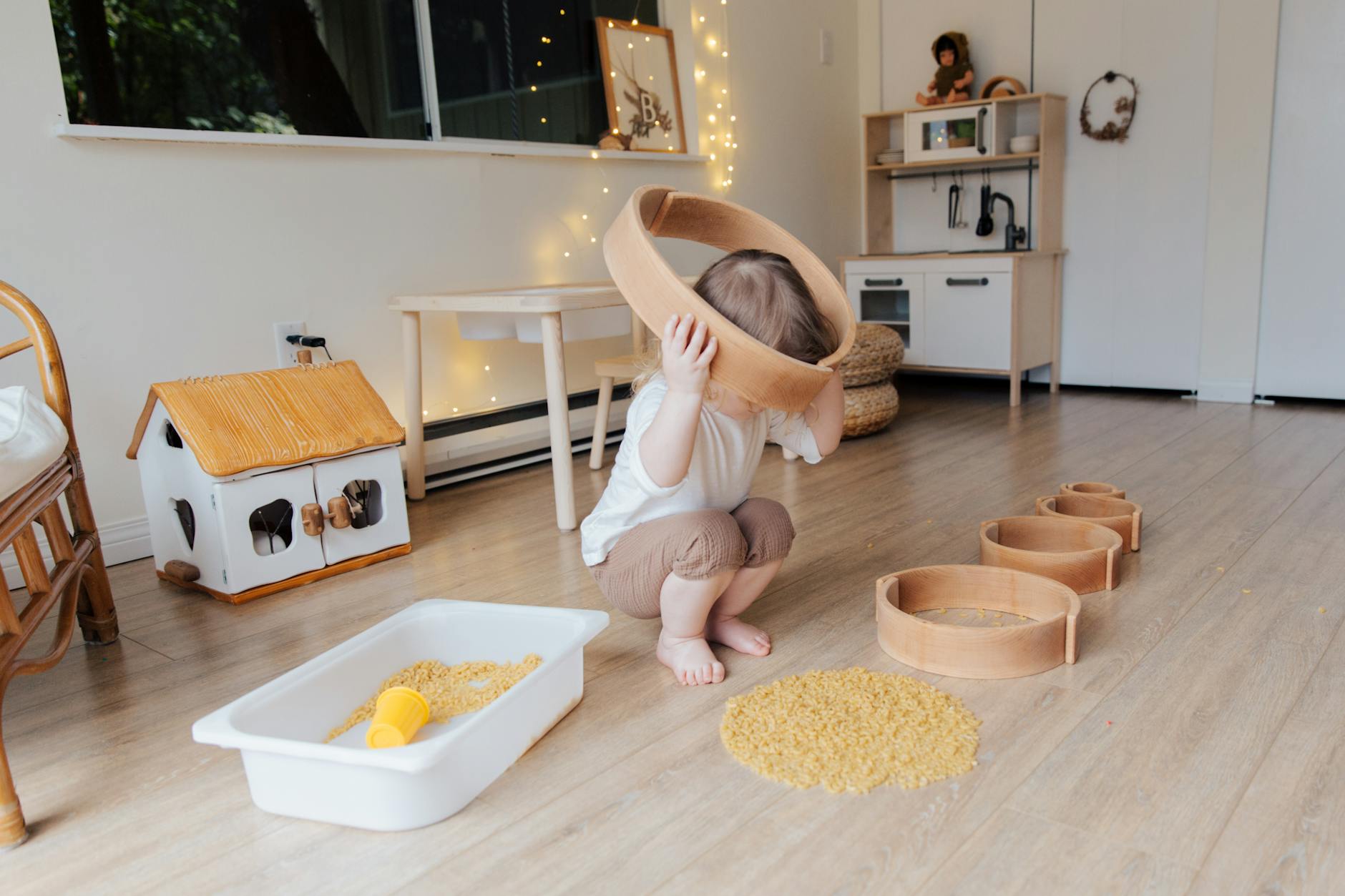
What looks like simple “messy play” is actually a training ground for control. Every attempt to pick up a piece of food or scribble with a crayon is a step toward self-care, creativity, and later academic skills.
Seeing, Hearing, and Making Sense of It All
Physical abilities don’t develop in isolation. Vision sharpens to better interpret near and far objects; hearing and speech skills grow as toddlers learn to understand language and then use it to communicate.
Seeing a ball roll away, hearing a parent call their name, and then running toward the sound — this chain of events is a complex dance between senses, muscles, and an emerging mind.
A Wide Range of “Normal”
Experts talk about milestones, but development is more like a spectrum than a checklist. Some toddlers walk early; others take their time. Premature birth or early illness can slow things down, yet many children still catch up over time.
Caregivers are encouraged not to panic if every milestone doesn’t arrive on schedule. The focus is on steady progress, not perfection.
The Takeaway: Movement as a First Freedom
Toddlerhood is the moment when movement becomes freedom. With every step, climb, and grasp, children are not just getting stronger — they’re claiming their first real control over their world.